
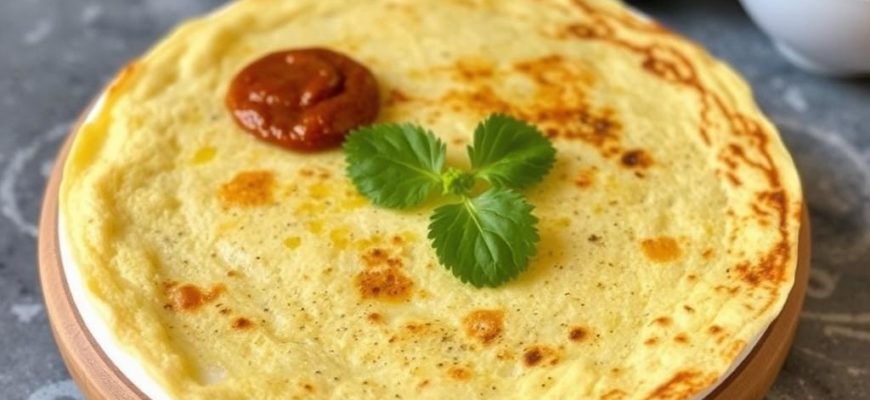
If you’ve ever wandered into an Indian restaurant and seen something folded like a golden crepe, filled with a fragrant potato mix, you might have just met the South Indian masala dosa pancake. It’s not just food; it’s a crispy, savory invitation to a world where every bite tells a story — of spices, of culture, and of shared meals that bring people together. These thin pancakes, packed with a spiced potato filling, manage to balance crispness and softness in a way that’s both comforting and exciting. Curious why they’ve captured hearts globally? Stick around to discover the magic, history, and that irresistible recipe you’ll want to try at home.
- The Essence of South Indian Masala Dosa Pancakes
- A Trip Through Time: The Story Behind South Indian Masala Dosa Pancakes
- Pinpointing the Origins: Where Did South Indian Masala Dosa Pancakes First Appear
- Fascinating Tidbits About South Indian Masala Dosa Pancakes
- Nutrition Snapshot: What’s in a South Indian Masala Dosa Pancake
- Masala Dosai Across the Globe: How the World Fell in Love with South Indian Masala Dosa Pancakes
- Crafting the Perfect South Indian Masala Dosa Pancake at Home: 3 Recipes Worth Trying
- Classic Karnataka Style Masala Dosa Pancake
- Thin and Crispy Tamil Nadu Style Masala Dosa Pancake
- Quick Microwave-Aided Masala Dosa Pancake (for busy days)
- The Perfect Companions: What to Pair with South Indian Masala Dosa Pancakes
The Essence of South Indian Masala Dosa Pancakes
At its core, the South Indian masala dosa pancake is a fermented rice and urad dal (black gram lentils) batter cooked thin and crisp like a crepe. What makes it stand out is the filling—typically a mildly spiced mashed potato mix, seasoned with mustard seeds, curry leaves, turmeric, onions, and green chilies. This combination of a lightly tangy, crunchy pancake enveloping a warm, softly spiced potato filling is nothing short of genius. It’s often accompanied by an array of chutneys — coconut, tomato, or mint — and a bowl of sambar, a lentil-based vegetable stew.
The dosa itself is a wonderfully versatile dish. Though the classic is filled with potatoes, variations abound, and it can be enjoyed plainer or stuffed with different fillings. But the masala dosa pancake remains the star, thanks to the perfect harmony of crisp exterior and tender, flavorful inside. This dish isn’t just breakfast or snack; it’s an experience, a way to explore South Indian culinary tradition in every bite.
A Trip Through Time: The Story Behind South Indian Masala Dosa Pancakes
Tracing the origins of the South Indian masala dosa pancake takes us deep into the centuries-old food culture of southern India. The dosa itself dates back over 2,000 years, mentioned in ancient Tamil literature. It began as a simple rice pancake, a convenient, portable meal for farmers and travelers. Over time, the idea of stuffing it with a spiced potato filling emerged, lending the dish a new dimension.
This filling adaptation is believed to have developed in Karnataka or Tamil Nadu, regions known for their diverse vegetarian cuisines. The introduction of potatoes — a New World crop — into the dosa’s mix likely happened post-16th century, after potatoes made their way into the Indian subcontinent via Portuguese trade. Thus, the masala dosa pancake as we know it today evolved through centuries of culinary exchange, regional innovation, and a steady love for bold flavors balanced with soothing comfort.
Pinpointing the Origins: Where Did South Indian Masala Dosa Pancakes First Appear
While dosas are widespread in South India — including Kerala, Karnataka, Andhra Pradesh, and Tamil Nadu — the masala dosa pancake earned its biggest fame specifically in Karnataka’s capital, Bengaluru. Here, the legendary eateries serving fresh, crispy masala dosa pancakes drew crowds from all over. The city became a hotspot, where this humble street food morphed into a culinary symbol.
Karnataka’s version often features a slightly thicker batter, giving the pancake more crunch, paired with a more buttery potato filling. Tamil Nadu and Andhra Pradesh also offer their spins: thinner pancakes with varying spice levels and sometimes different potato preparation. What unites all is a commitment to fermentation, which not only gives dosas their tang but makes the dish easier on digestion and imbues it with a signature flavor.
Fascinating Tidbits About South Indian Masala Dosa Pancakes
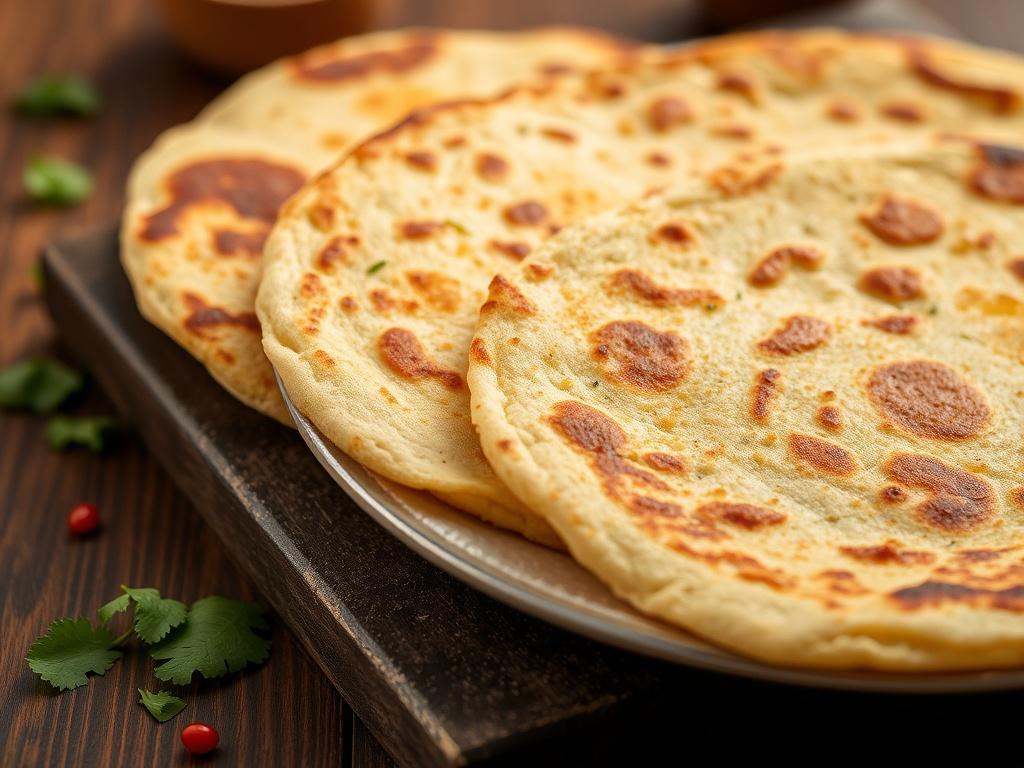
– The fermentation process behind the batter can take anywhere from 8 to 24 hours, depending on climate and humidity. This fermentation is key—it brings that subtle sourness you might detect.
– The word “dosa” is derived from the ancient Tamil word “dosai,” reflecting the dish’s deep roots in Tamil culture.
– Masala dosa pancakes played a surprising role in popularizing South Indian cuisine globally. They became a beloved menu item in Indian eateries worldwide, especially as Indian diaspora communities introduced them abroad.
– In some parts of India, the dosa batter is spread perfectionistically thin with a specific wooden ladle called “adavali.” The technique itself is an art form.
– Unlike typical Western pancakes which are sweet and fluffy, masala dosa pancakes deliberately aim for thin, lacy, and crispy pin-point textures.
Nutrition Snapshot: What’s in a South Indian Masala Dosa Pancake
Though masala dosa pancakes look indulgent, they’re quite balanced nutritionally:
| Component | Approximate Amount per 1 Large Masala Dosa |
|---|---|
| Calories | 220–300 kcal |
| Carbohydrates | 40–50 g |
| Proteins | 6–8 g |
| Fat | 5–8 g (mainly from cooking oil) |
| Fiber | 3–5 g |
| Vitamins & Minerals | Vitamin C (from potatoes), Iron, Calcium (from lentils and spices) |
Because the batter is fermented, it offers some probiotic benefits, aiding digestion. Plus, the potatoes and spices inside bring vitamins and antioxidants. Of course, cooking oil quantity can sway nutritional value, but homemade versions with moderate oil retain masala dosa pancakes as a relatively healthy option.
Masala Dosai Across the Globe: How the World Fell in Love with South Indian Masala Dosa Pancakes
The journey of South Indian masala dosa pancakes beyond India is a fascinating tale of migration, cultural exchange, and growing curiosity about ethnic cuisines. Indian restaurants in the UK, USA, Canada, and Australia embraced masala dosa pancakes early on, offering them as a distinctive break from more familiar curry dishes.
Cities like London, New York, Toronto, and Sydney now feature multiple restaurants, cafes, and even street food stalls serving masala dosa pancakes. In fact, they have become a sort of “gateway” dish, drawing even non-vegetarians into South Indian cuisine. It’s common to find variations — some with cheese, some vegan, others loaded with veggies — adapting to local tastes but keeping the heart of the masala dosa pancake intact.
Crafting the Perfect South Indian Masala Dosa Pancake at Home: 3 Recipes Worth Trying
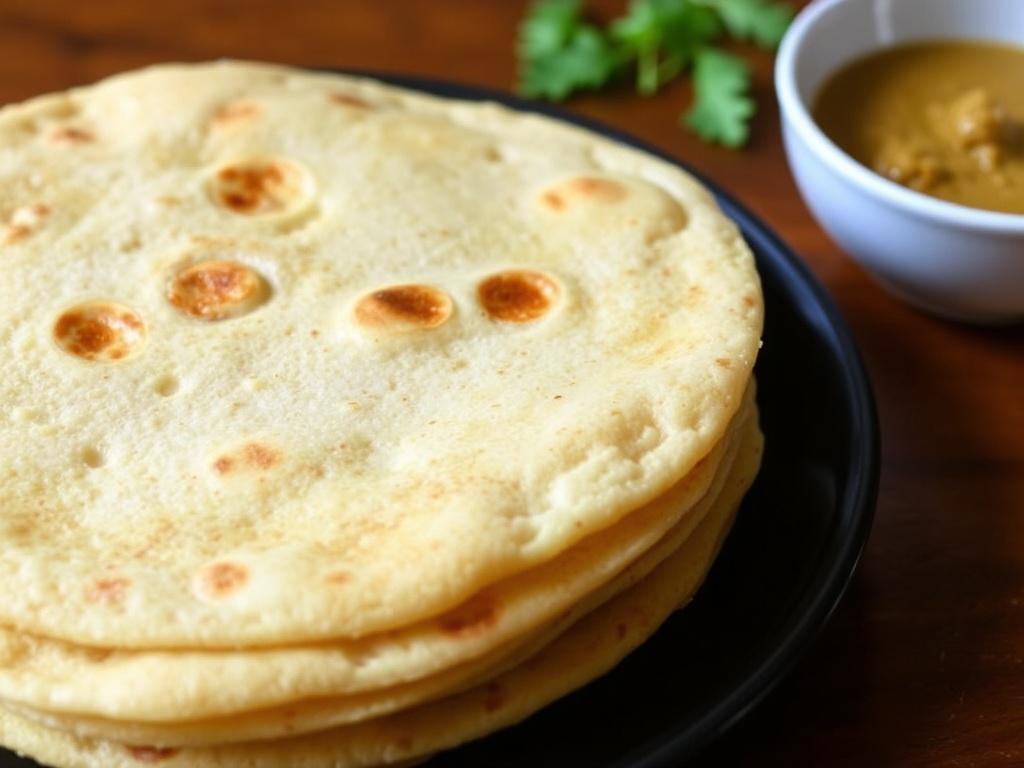
Here are three distinct recipes, each highlighting different yet authentic ways to make this beloved dish:
Classic Karnataka Style Masala Dosa Pancake
- Batter: Soak 3 cups rice and 1 cup urad dal separately for 6 hours. Grind to smooth batter, ferment overnight.
- Potato Filling: Cook potatoes until soft, mash, sauté mustard seeds, split green chilies, curry leaves, turmeric and onions, then mix in potatoes.
- Cook: Spread thin layer of batter on hot griddle, drizzle oil, cook until edges crisp, add filling, fold, serve with chutneys.
Thin and Crispy Tamil Nadu Style Masala Dosa Pancake
- Batter: Similar, but with a thinner consistency and longer fermentation.
- Filling: Potato combined with grated coconut and gingelly oil for a unique flavor twist.
- Cook: Spread batter ultra-thin, use generous oil for crispy texture, fold with filling.
Quick Microwave-Aided Masala Dosa Pancake (for busy days)
- Batter: Pre-purchased dosa batter from Indian grocery.
- Filling: Pre-made mashed potato spices mixed.
- Cook: Use non-stick pan or dosa tawa, cook dosa batter as usual, fold with preheated filling.
The Perfect Companions: What to Pair with South Indian Masala Dosa Pancakes
Masala dosa pancakes shine brightest when accompanied right. Here are classic partners that elevate the experience:
- Coconut Chutney: Fresh, cool, and mildly sweet, it balances the dosa’s spices.
- Sambar: A hot, tangy lentil vegetable soup, perfect for dipping.
- Tomato or Mint Chutney: Add sharpness or freshness.
- Filter Coffee: In South India, meals like this are often paired with strong, aromatic filter coffee — a cultural ritual in itself.
If you want to experiment, some also enjoy plain yogurt or a dollop of ghee on top for richness. But truly, the traditional sauces are hard to beat.
—
South Indian masala dosa pancakes offer a window into rich culinary heritage with a simple, satisfying flavor profile. From its humble beginnings to global fame, it’s a dish that brings people together around good food and warm memories. Whether you savor it in a bustling market street in Chennai or make it at home on a quiet Sunday morning, the masala dosa pancake remains a timeless delight worth every bite.


