

There’s something deeply comforting about a bowl of soup that feels like a warm hug on a chilly day. German Wedding Soup brings exactly that kind of coziness, wrapped up in a rich history and flavors that dance between tender meatballs, vibrant greens, and a clear, nourishing broth. People often get curious about the story behind this inviting dish and what makes it stand out from other European soups. Stick around, and you’ll discover how this humble soup became a beloved classic, its fascinating origins, and even tips on how to enjoy it or make it your own in the kitchen.
- Understanding German Wedding Soup: What Makes It Special
- The Roots of German Wedding Soup: Historical Background
- Where German Wedding Soup First Appeared
- Quirky Tidbits: Fascinating Facts About German Wedding Soup
- Breaking Down the Nutritional Value of German Wedding Soup
- Where German Wedding Soup Has Found Favor Around the World
- Best Ways to Bring German Wedding Soup to Life: Three Top Recipes
- Classic German Wedding Soup
- Traditional Style with Egg Dumplings
- Quick Weeknight Version
- What to Pair with German Wedding Soup for a Full Meal
Understanding German Wedding Soup: What Makes It Special
At its core, German Wedding Soup is a clear broth hearty with tiny, delicate meatballs—usually made from a mix of beef and pork—combined with leafy greens such as spinach or kale. What often surprises people new to the dish is the inclusion of small egg noodles or vermicelli, adding a satisfying bite that complements the light yet savory broth. Unlike some thick or creamy soups, this one boasts clarity and simplicity but doesn’t shy away from depth of flavor.
The soup is often brightened with fresh herbs like parsley or chives and sometimes includes vegetables such as carrots or celery to round out the taste. It’s a versatile dish, comfortingly familiar yet offering that inviting blend of textures and tastes that keeps people coming back for more.
The Roots of German Wedding Soup: Historical Background
Tracing the history of German Wedding Soup takes us beyond the common assumption that it was served at weddings in Germany. Actually, the phrase “wedding” (or “Hochzeitssuppe” in German) may be a bit misleading. The name possibly comes from the combination, or “marriage,” of the ingredients—the meatballs and broth coming together in a kind of culinary union rather than the soup being a wedding feast staple.
This dish has been around since at least the 17th or 18th century, appearing in traditional German cookbooks as a celebratory yet everyday meal. It was a popular choice during festivities but also enjoyed in homes across German-speaking regions. The heartiness of the meatballs combined with the bright greens suggests a sense of balance and well-being, something that was cherished in times when food was more than just fuel, but a way to comfort and bring people together.
Where German Wedding Soup First Appeared
German Wedding Soup originated in southern Germany, where the ingredients used were readily available from local farms and markets. Villages and towns proud of their regional produce used broth and greens from their own gardens, while meatballs were crafted from whatever meats were on hand. Over time, the recipe spread throughout Germany and into nearby countries, evolving with each region’s twist.
Quirky Tidbits: Fascinating Facts About German Wedding Soup
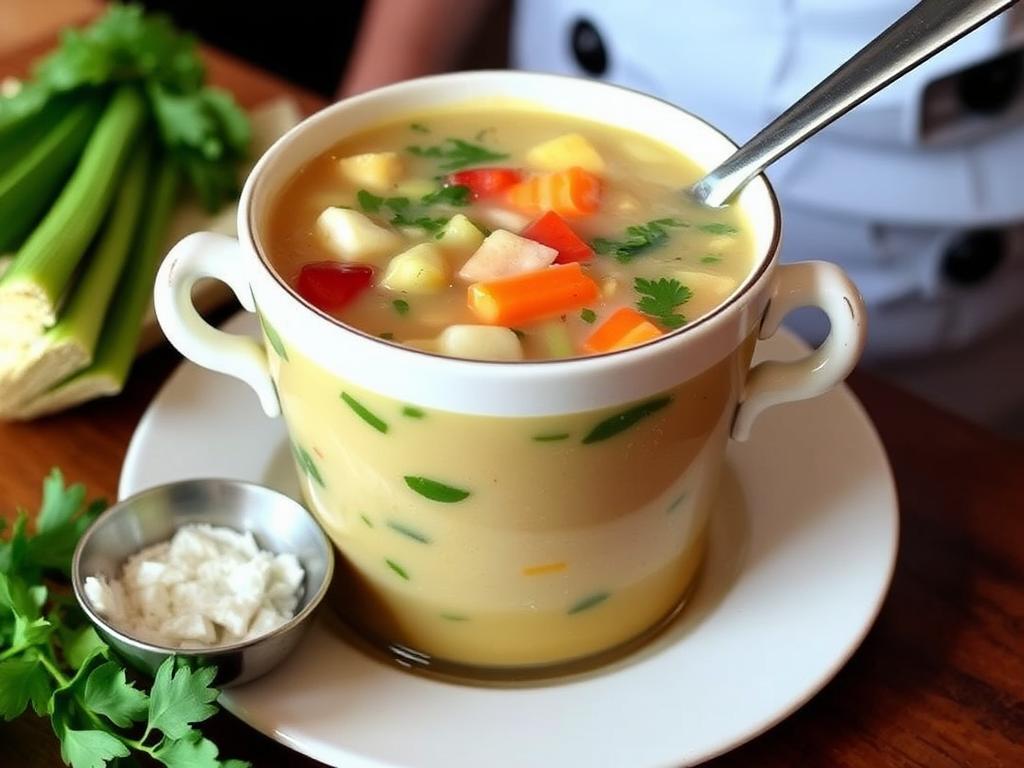
– Despite its name, German Wedding Soup rarely makes an appearance at modern weddings in Germany.
– The term “wedding” is often thought to reflect the “wedlock” of flavors—the marriage of ingredients coming together perfectly.
– Small meatballs in the soup are called “Fleischbällchen,” traditionally made by hand in family kitchens.
– In some regions, the soup is served with toasted or fried egg dumplings instead of noodles, bringing a different texture to the table.
These details show the cultural richness that sits beneath a seemingly simple bowl of soup, connecting generations with every spoonful.
Breaking Down the Nutritional Value of German Wedding Soup
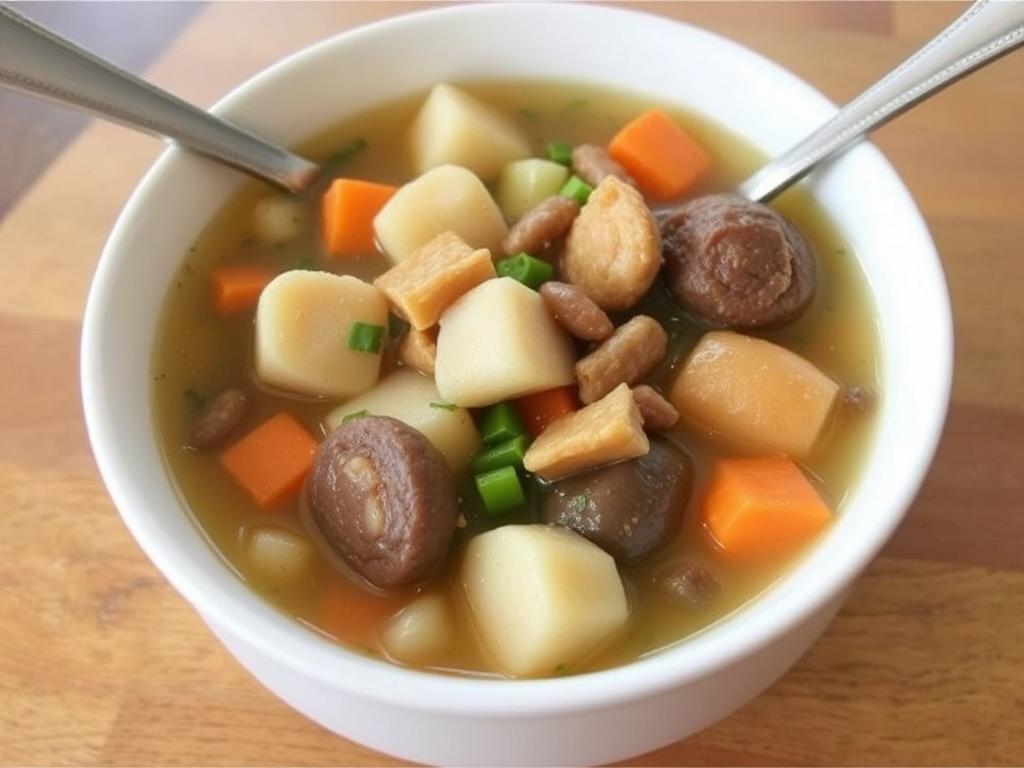
German Wedding Soup isn’t just tasty; it’s quite balanced nutritionally. The broth, often simmered with bones and vegetables, is low in calories but rich in minerals like calcium and magnesium. The meatballs provide a good dose of protein and iron, important for energy and bodily function. Greens like spinach contribute vitamins A and C, along with fiber to aid digestion. Noodles add some carbohydrates for fuel.
Here’s a quick look at what a serving might offer:
| Nutrient | Amount per Serving |
|---|---|
| Calories | 150-200 kcal |
| Protein | 12-15 g |
| Fat | 7-10 g |
| Carbohydrates | 12-15 g |
| Fiber | 2-3 g |
Overall, it’s a hearty, well-rounded meal that doesn’t feel heavy or overwhelming.
Where German Wedding Soup Has Found Favor Around the World
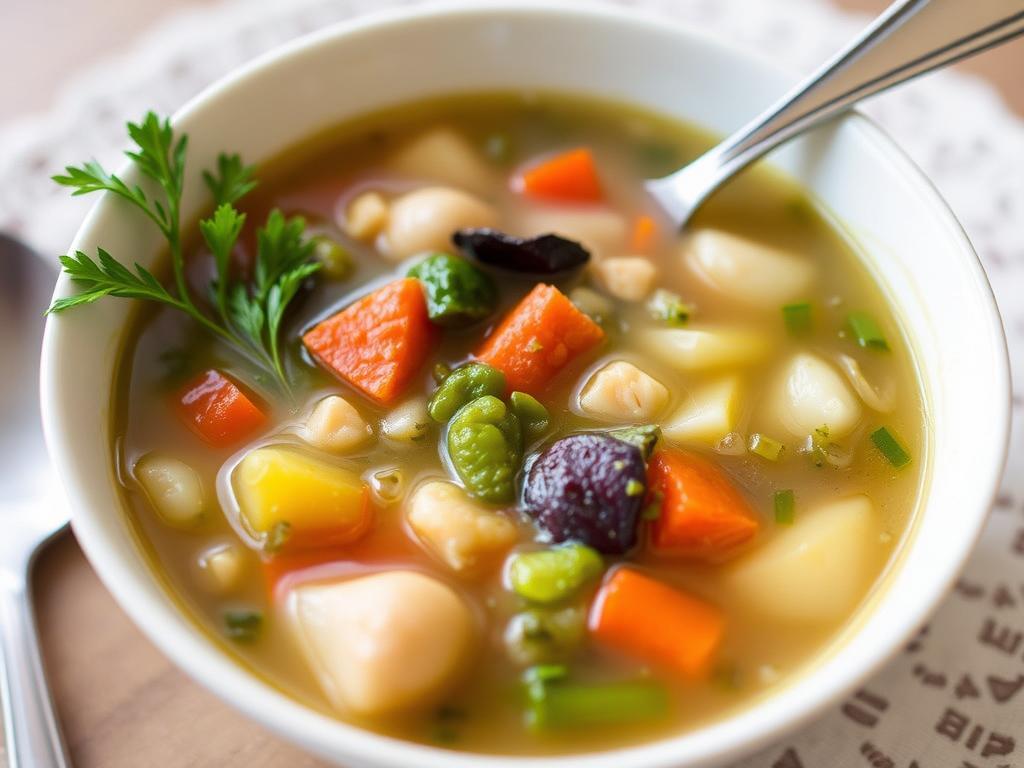
Though its name roots it firmly in Germany, German Wedding Soup has crossed borders and found festivity in kitchens far beyond Europe. In American homes—especially where German heritage is celebrated—this soup often takes center stage during family dinners and holidays. It’s not uncommon to see it featured in Austrian, Swiss, and even some Eastern European menus, each adding unique touches.
In places like the United States, versions of the soup have shifted slightly, sometimes favoring chicken broth over beef or beef-pork blends. The addition of parsley, dill, or leeks varies, reflecting personal tastes or regional preferences. Yet no matter the tweak, the essence remains: a savory broth enriched by tender meatballs and vivid greens.
Best Ways to Bring German Wedding Soup to Life: Three Top Recipes
Here are three popular takes on cooking German Wedding Soup that balance tradition with approachable techniques.
Classic German Wedding Soup
- Ingredients: beef and pork mixture for meatballs, chicken or beef broth, spinach, egg noodles, carrot, celery, parsley
- Method: Make small meatballs and gently poach in simmering broth. Add finely chopped vegetables and noodles. Stir in fresh spinach and herbs just before serving.
Traditional Style with Egg Dumplings
- Ingredients: ground meatballs, broth, kale or Swiss chard, egg dumplings
- Method: Prepare broth and meatballs as usual. Cook egg dumplings separately and add to bowl. Finish with greens cooked until tender.
Quick Weeknight Version
- Ingredients: store-bought broth, pre-made meatballs, frozen spinach, instant noodles
- Method: Heat broth, add frozen spinach and noodles, simmer meatballs until warmed through. Garnish with fresh herbs.
Each recipe offers a slightly different experience but stays true to the comforting, satisfying heart of German Wedding Soup.
What to Pair with German Wedding Soup for a Full Meal
While the soup itself is substantial, pairing it with the right side can elevate the meal further. Traditional German bread like rye or pretzel rolls complements the flavors perfectly, soaking up the broth. A simple cucumber salad with a tangy vinaigrette provides a fresh contrast that cuts through the richness.
For a steal-your-spot-at-the-table supper, consider:
- Crusty rustic bread
- Light German potato salad
- Pickled vegetables for extra zest
- A glass of Riesling or light beer to wash it down
These accompaniments make the meal balanced, not just in nutrition, but in flavor and texture, turning the humble German Wedding Soup into a memorable feast anyone can enjoy.
—
If you’ve never tried German Wedding Soup before, now might be the perfect moment. Whether you’re drawn by its taste, intrigued by its history, or just in need of a soothing meal, this soup offers a little something special to every kitchen and every table.


