

Imagine a warm pot that fills the kitchen with cinnamon, toasted rice, and the gentle sweetness of pumpkin. That scent pulls people toward the table without any fuss. Pilaf with pumpkin is exactly that kind of dish — humble, fragrant, and surprisingly elegant. It combines tender pumpkin chunks, fluffy rice, and a handful of spices into one pot, delivering comfort and a little bit of surprise in every spoonful. Read on to learn where it comes from, how it evolved, what makes it special, and the simplest, most reliable recipe to make it at home.
- Where it began and what matters most to taste
- The story that simmered into a family favorite
- Little surprises you might not expect
- What one serving gives you, straight and practical
- How people around the world make it their own
- A clear, fail-safe recipe you can follow tonight
- Ingredients
- Method
- Tips for best results
Where it began and what matters most to taste
Country of origin Pilaf with pumpkin appears in several culinary traditions, but you can trace its strongest roots to Central Asia and parts of the Caucasus. In those regions, rice and squash were often cooked together because both ingredients preserved well and were available across seasons. The marriage of pumpkin and rice created a balanced texture — soft pumpkin against separate, slightly chewy grains — and that contrast became central to the dish’s charm. When you taste it, look for the interplay between subtle sweetness from the pumpkin and the savory backbone from onions, garlic, and toasting the rice first.
The story that simmered into a family favorite
History Pilaf with pumpkin is as much about migration as it is about ingredients. As traders, nomads, and families moved across continents, they adapted pilaf to local harvests. Pumpkin or winter squash was easy to grow and store, so cooks began adding it to their rice dishes. Over generations, small variations multiplied — some regions use lamb or beef, others keep it vegetarian and enrich the dish with nuts, raisins, or sour yogurt. The recipe you see today is the result of centuries of practical, flavorful experimentation.
Little surprises you might not expect
Interesting facts about Pilaf with pumpkin include a few delightful notes. In some areas, chefs add a dash of pomegranate molasses or lemon juice at the end to brighten flavors. A traditional technique is to toast the rice first in ghee or oil; that step keeps grains separate and brings a nutty aroma. Another fun fact: the dish is often served at celebrations and harvest festivals because pumpkin symbolizes abundance — not just a winter vegetable, but a marker of a good year.
What one serving gives you, straight and practical
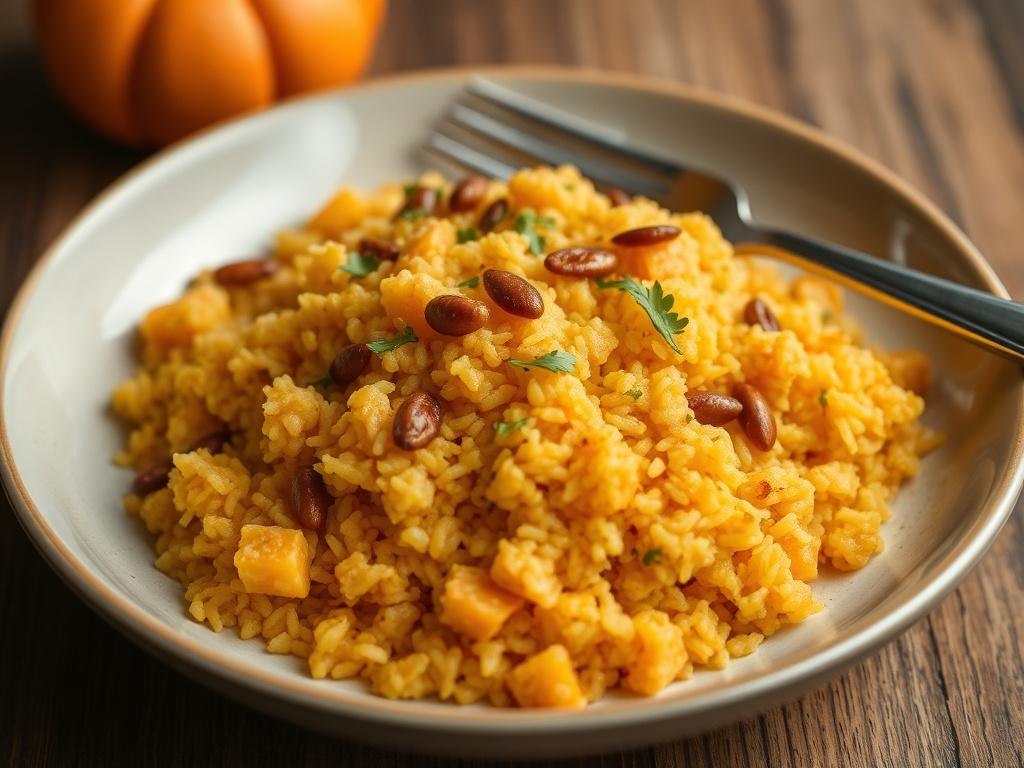
Nutritional value Pilaf with pumpkin is a balanced meal when made thoughtfully. Pumpkin contributes vitamin A, potassium, and fiber, while rice provides energy from carbohydrates. Adding legumes or a modest portion of meat boosts protein. Below is a simple table to illustrate approximate nutrients per typical serving (about 1 to 1.5 cups):
| Component | Approx. amount |
|---|---|
| Calories | 300–450 kcal |
| Carbohydrates | 45–60 g |
| Protein | 6–15 g (varies with added meat or legumes) |
| Fat | 8–15 g (depending on oil or butter used) |
| Fiber | 3–6 g |
| Vitamins | High in vitamin A and moderate vitamin C |
How people around the world make it their own
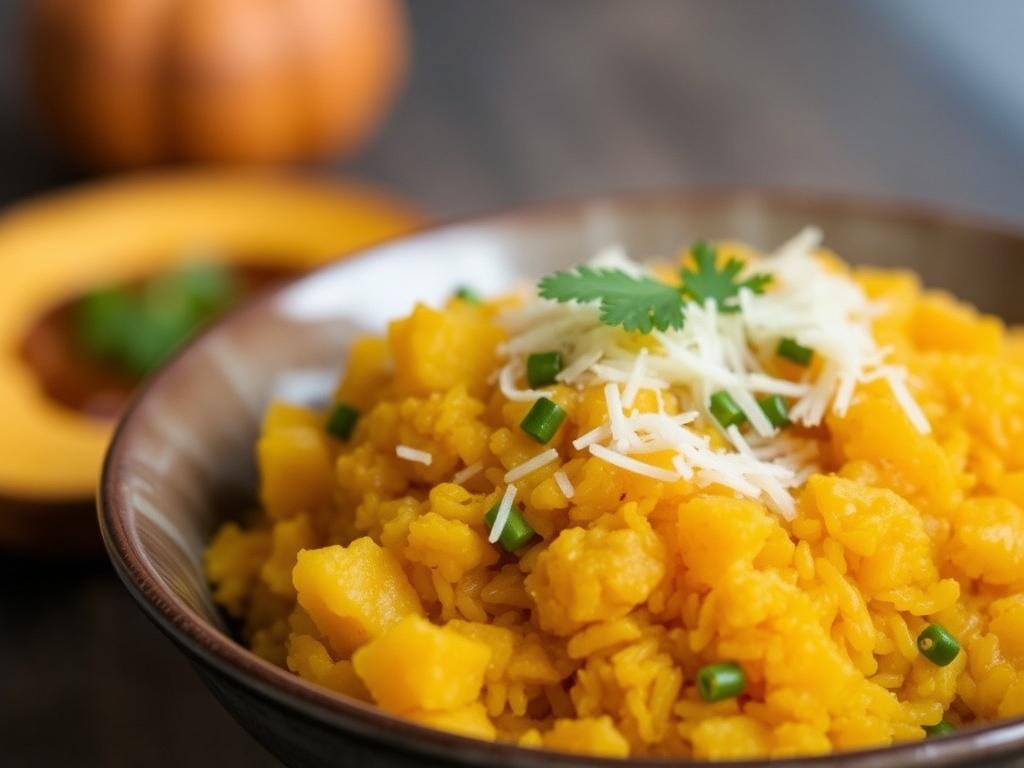
Popularity in different countries Pilaf with pumpkin varies widely. In Central Asia, the emphasis is on fragrant rice and simple spices; in Turkey and the Levant, cooks might add pine nuts and currants; in Eastern Europe, it appears at autumn tables with butter and dill. In modern kitchens across Europe and North America, pumpkin pilaf is often adapted for the seasons — roasted pumpkin, fragrant sage, and toasted almonds update the classic while keeping the heart of the dish intact.
A clear, fail-safe recipe you can follow tonight
The best step-by-step cooking recipe for Pilaf with pumpkin gives you the full method, timing, and tips so the dish turns out right the first time. This version is vegetarian, easily scaled, and fits a weeknight or a small dinner party.
Ingredients
- 1 cup long-grain rice, rinsed and drained
- 2 cups vegetable or chicken stock
- 2 cups diced pumpkin (1–1.5 cm cubes)
- 1 medium onion, thinly sliced
- 2 cloves garlic, minced
- 2 tablespoons olive oil or ghee
- 1 teaspoon ground cumin
- 1/2 teaspoon ground coriander
- Salt and black pepper to taste
- Optional: 2 tablespoons toasted nuts (almonds or pine nuts), chopped herbs for garnish
Method
- Heat the oil in a heavy pan over medium. Add the onion and cook until soft and lightly golden, about 6 minutes. Stir in garlic and spices and cook for 30 seconds until fragrant.
- Add the diced pumpkin and toss to coat in the spices. Cook for 4–5 minutes so the pumpkin begins to soften.
- Push the pumpkin to the side. Add the rice and toast for 2 minutes, stirring, until the rice smells nutty and some grains look translucent at the edges.
- Pour in the stock, season with salt and pepper, and bring to a gentle simmer. Cover, reduce heat to low, and cook undisturbed for 15 minutes.
- Turn off the heat and let the pot rest covered for 8–10 minutes. Fluff with a fork, fold in toasted nuts if using, and sprinkle with fresh herbs.
Tips for best results
- Use a tight-fitting lid so steam cooks the rice evenly.
- If using a harder squash variety, cut cubes smaller so they finish with the rice.
- For a richer finish, stir in a knob of butter or a splash of yogurt right before serving.
Pilaf with pumpkin is one of those dishes that welcomes improvisation. Add leftover roasted meat, swap spices to match your mood, or serve alongside bright pickled vegetables. It keeps well and tastes great the next day, which makes it perfect for simple, reassuring meals during the colder months.


