

There’s something oddly comforting about a steaming bowl of chicken soup. It’s the kind of dish that wraps you in a gentle embrace on a chilly day or soothes you when you’re feeling under the weather. But chicken soup is far more than just a home remedy or a simple meal. It carries a rich history, a collection of fascinating stories, and each spoonful brims with nourishment and culture. Whether you’re curious about its origins or looking for fresh ways to enjoy this timeless classic, you’re about to dive into a savory adventure that reveals why chicken soup holds such a special place on tables worldwide.
- Unpacking What Chicken Soup Really Is
- The Story Behind Chicken Soup: A Culinary Legacy
- Where Chicken Soup First Made Its Mark
- Surprising Facts That Make Chicken Soup Even More Fascinating
- Breaking Down the Nutritional Value of Chicken Soup
- Chicken Soup Around the World: A Global Favorite
- Top 3 Recipes for Making Chicken Soup That’ll Win Everyone Over
- 1. Classic Chicken Noodle Soup
- 2. Thai Coconut Chicken Soup (Tom Kha Gai)
- 3. Jewish Matzo Ball Soup
- What Pairs Well with Chicken Soup to Complete Your Meal
Unpacking What Chicken Soup Really Is
Let’s start with the basics: what exactly is chicken soup? At its core, it’s a broth-based soup made by simmering chicken with vegetables, herbs, and spices. The chicken imparts a rich, savory character to the broth while the veggies add layers of flavor and texture. But don’t mistake it for just boiled chicken in water. The slow simmering process brings out gelatin from bones and connective tissue, giving the soup a silky mouthfeel that comforts and nourishes. It’s a flexible dish—sometimes clear and simple, other times hearty and chunky, with noodles, rice, or dumplings added for extra substance. Ultimately, chicken soup is a symphony of warmth, nourishment, and familiarity, found in kitchens around the world in countless variations.
The Story Behind Chicken Soup: A Culinary Legacy
Chicken soup’s history is as rich as the broth itself. This humble dish dates back thousands of years, with ancient texts from Jewish, Roman, and Chinese cultures mentioning versions of it. Traditionally, it was prized not just for taste but for its perceived medicinal properties. Jewish communities often called it the “Jewish penicillin” because of its reputation for easing colds. Meanwhile, Chinese herbalists added ginseng and medicinal roots to chicken broth, believing in its healing power. Its widespread presence across continents shows how chicken soup evolved independently in diverse food cultures, becoming a universal comfort food. Over time, as trade routes opened and cookbooks spread, the recipes grew more complex, blending local ingredients and techniques.
Where Chicken Soup First Made Its Mark
Pinpointing the exact birthplace of chicken soup is tricky—it’s like asking where bread or fire started. Historical records suggest early chicken soups appeared in Ancient Egypt and Babylon, but it was the Mediterranean and East Asian regions that truly refined it first. In particular, the Jewish communities in Eastern Europe popularized their distinct take with matzo ball soup, and the Chinese perfected clear, delicate broths enriched with herbs. Across centuries, chicken soup became embedded in religious rituals, communal gatherings, and family traditions. The overlap of health beliefs and culinary creativity sparked its growth into a mosaic of regional varieties.
Surprising Facts That Make Chicken Soup Even More Fascinating
You might think chicken soup is just old news, but it holds a few surprises. For example, scientific studies have found compounds in chicken soup that can mildly inhibit inflammation and ease upper respiratory symptoms. It’s not just folklore—it really helps during colds! Another interesting tidbit is that the phrase “chicken soup for the soul” popularized by inspirational books perfectly mirrors the dish’s emotional and physical comfort. In wartime, chicken soup recipes were adapted for rationing but continued to symbolize hope and resilience. Moreover, in many cultures, chicken soup is the first solid food offered after illness or childbirth, emphasizing its restorative reputation throughout life’s cycles.
Breaking Down the Nutritional Value of Chicken Soup
Chicken soup isn’t just tasty—it’s packed with nutrients that promote wellbeing. The broth delivers protein from the chicken, along with vitamins like B6 and minerals such as zinc and iron, supporting immune function. The vegetables add antioxidants, vitamins A and C, and dietary fiber. Importantly, the warm liquid helps with hydration and soothes the throat, promoting recovery when sick. The gelatin extracted from bones is beneficial for joint and gut health. Of course, nutrition depends on the ingredients—lean chicken, plenty of veggies, minimal salt keep it wholesome. Here’s a quick snapshot:
| Nutrient | Typical Amount Per Serving | Health Benefit |
|---|---|---|
| Protein | 10-15 g | Muscle repair and immune support |
| Vitamin B6 | 0.2-0.3 mg | Metabolism and brain health |
| Vitamin A | 500-700 IU | Vision and skin health |
| Zinc | 1-2 mg | Immune function |
Chicken Soup Around the World: A Global Favorite
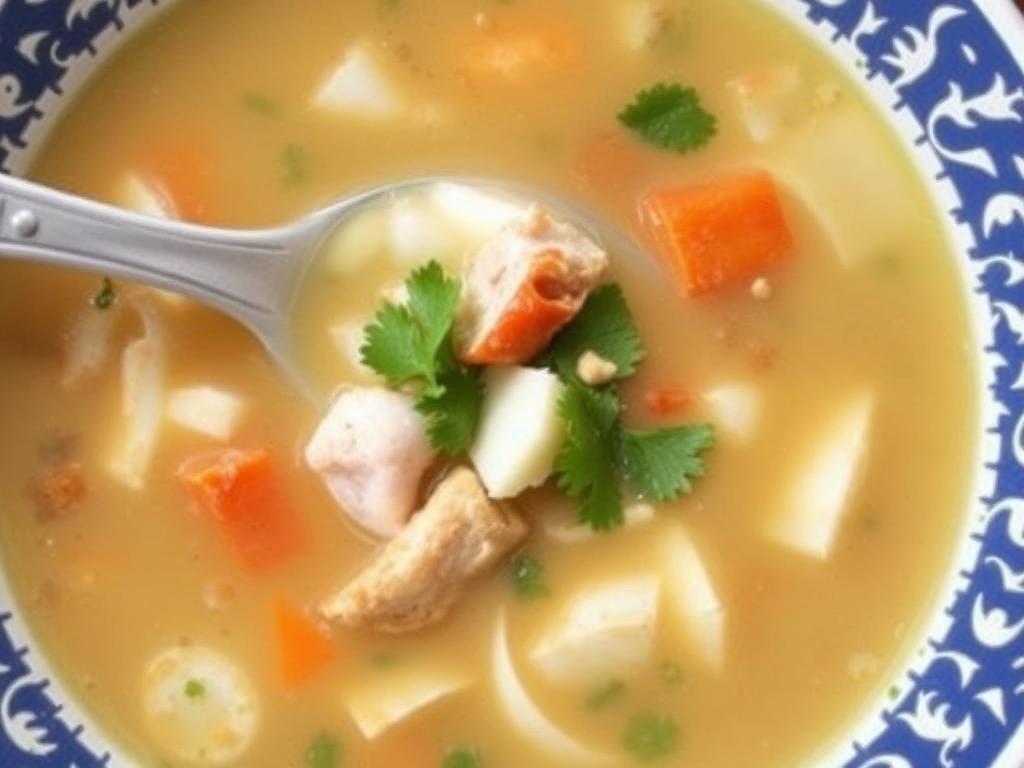
One of the most fascinating things about chicken soup is how it varies so widely across cultures yet remains the same comforting staple. In the U.S., the classic chicken noodle soup reigns supreme as the ultimate cold-weather fix. Take a trip to Mexico, and you’ll find “caldo de pollo” packed with fresh vegetables, lime, and chili. Thailand’s version, “Tom Kha Gai,” brings coconut milk and lemongrass into the picture, offering an exotic, spicy twist. In Russia, “Kurnik” is a chicken soup served with hearty dumplings or pancakes. The diversity reflects local ingredients and traditions, but the core—chicken simmered to create a nourishing broth—never changes.
Top 3 Recipes for Making Chicken Soup That’ll Win Everyone Over
If you want to impress with chicken soup, here are three delicious recipes to try at home:
1. Classic Chicken Noodle Soup
- Ingredients: Whole chicken, carrots, celery, onions, garlic, egg noodles, parsley, salt, and pepper.
- Method: Simmer the whole chicken with veggies for 1.5 hours, remove chicken, shred meat, return to the pot with noodles, cook until tender.
- Why it’s great: Timeless, simple, satisfying.
2. Thai Coconut Chicken Soup (Tom Kha Gai)
- Ingredients: Chicken breast, coconut milk, galangal, lemongrass, kaffir lime leaves, mushrooms, chili, lime juice, fish sauce.
- Method: Simmer chicken and herbs in coconut milk base, add mushrooms, finish with lime and chili.
- Why it’s great: Bold flavors and creamy texture.
3. Jewish Matzo Ball Soup
- Ingredients: Chicken broth, matzo meal, eggs, schmaltz, carrots, celery, dill.
- Method: Make matzo balls from matzo meal and eggs, cook them in rich chicken broth with veggies.
- Why it’s great: A comforting ritual with soft dumplings.
What Pairs Well with Chicken Soup to Complete Your Meal
Chicken soup shines best with simple, complementary dishes. Crusty bread or soft dinner rolls soak up the broth beautifully. For a light crunch, a fresh tossed salad with lemon vinaigrette works well. If you’re feeling indulgent, mashed potatoes or buttered noodles provide added heartiness. In some cultures, it’s served alongside pickled vegetables or spicy chutneys to add zing. When I make chicken soup at home, I love pairing it with grilled cheese sandwiches—the melty cheese and crispy bread are the perfect foil to the warm soup. Basically, the best companion is something that doesn’t overpower but amplifies the soothing flavors of the soup.
—
Chicken soup isn’t just a bowl of broth and chicken; it’s a vessel of culture, history, and care. Whether you savor it as a healing remedy or a family tradition, each spoonful tells a story and nurtures the spirit as much as the body. From its ancient roots to modern twists, the journey of chicken soup is as rich and layered as its flavors. So next time you see a pot simmering on the stove, remember—you’re holding a timeless piece of culinary magic.


