

There’s something magical about a steaming bowl of ramen soup that goes beyond the simple pleasure of a quick meal. It’s like a warm hug on a chilly evening, a burst of flavor that manages to be both comforting and exciting. Whether you’ve slurped it in a bustling Tokyo eatery or crafted your own at home with whatever ingredients you had on hand, ramen soup tells a story in every bite. But what is it about this dish that captures so many hearts and palates worldwide? Let’s peel back the layers and dive into the fascinating universe of ramen soup — from its humble beginnings to its culinary evolution, and why it still remains a global sensation.
- Unpacking the Essence of Ramen Soup
- A Journey Through Time: The History of Ramen Soup
- Where Did Ramen Soup Make Its Grand Debut
- Little-Known Gems: Interesting Facts About Ramen Soup
- Fueling Your Body: Nutritional Value of Ramen Soup
- Global Slurps: Ramen Soup’s Popularity Around the World
- Top 3 Ramen Soup Recipes to Try at Home
- Perfect Pairings: What to Eat with Ramen Soup
Unpacking the Essence of Ramen Soup
Ramen soup is much more than just noodles swimming in broth. At its core, it’s a harmonious blend of four essential components: broth, noodles, toppings, and seasoning. Each element plays a vital role, creating a symphony of taste and texture.
The broth can vary dramatically—pork bone (tonkotsu), miso, soy sauce (shoyu), or salt (shio)—each delivering a unique personality, rich and hearty or light and clean. The noodles are typically thin and wavy, crafted from wheat, boasting a slight chewiness that perfectly complements the broth’s flavor. Toppings range from tender slices of chashu pork to soft-boiled eggs with runny yolks, bamboo shoots, green onions, and even seaweed, adding layers of complexity.
What makes ramen soup truly stand out is its adaptability. It can be rustic or refined, fast food or slow-cooked masterpiece. And that’s what draws so many to it—it’s not just food, it’s an experience.
A Journey Through Time: The History of Ramen Soup
Tracing the history of ramen soup is like following a flavorful trail through East Asian culture. While noodles themselves have been part of Asian cuisine for centuries, the dish we recognize as ramen soup today is a more recent invention.
The origin of ramen soup is heavily tied to Japan, but its roots stretch back to China. Chinese immigrants brought noodle dishes to Japan in the late 19th or early 20th century. Over time, local cooks adapted these dishes, blending Japanese ingredients and techniques with Chinese traditions. By the 1910s and ’20s, ramen shops began popping up in Japanese cities, particularly in port areas like Yokohama.
In the post-World War II era, ramen soup soared in popularity, partly due to the widespread availability of wheat flour from the U.S. and the need for inexpensive, filling meals. Ramen evolved into numerous regional styles, each showing local pride in broth and toppings, and grew beyond a simple street snack to an emblem of Japanese food culture.
Where Did Ramen Soup Make Its Grand Debut
The first ramen soup appeared in Japan, though pinpointing the exact location is tricky because it evolved in different regions simultaneously. Most food historians agree that Yokohama, due to its status as a bustling international port, was a significant birthplace. Here, Chinese immigrants introduced noodle dishes that gradually merged with Japanese flavors.
Tokyo also played a key role, especially with the development of shoyu-based ramen soup, which became a staple in the city’s eateries. Meanwhile, the northern region of Hokkaido gave birth to miso ramen, now a favorite across the globe.
So while ramen soup’s origin story is somewhat spread out, its foundation is undeniably Japanese, inspired by Chinese culinary influence.
Little-Known Gems: Interesting Facts About Ramen Soup
Ramen soup isn’t just about satisfying hunger—it has quirks that might surprise you:
- Straight or curly: Ramen noodles can be straight or curly, depending on the region and the desired texture.
- Over 50 types of broth: Japan alone boasts more than fifty distinctive broth styles, each crafted with unique ingredients and preparation methods.
- Instant innovation: The invention of instant ramen in 1958 by Momofuku Ando revolutionized food culture worldwide, making this dish accessible beyond restaurants.
- Ramen museums: Yes, there’s even a Cup Noodles Museum in Yokohama dedicated to the history and culture of ramen soup.
- “Slurping is polite”: In Japan, slurping your noodles isn’t rude—it’s a way to appreciate the soup’s aroma and cool down the noodles.
Fueling Your Body: Nutritional Value of Ramen Soup
At first glance, ramen soup might seem like just comfort food, but its nutrition depends heavily on ingredients and preparation. Traditional ramen soup often packs a punch of protein from pork or chicken, a decent amount of carbs from the noodles, and some veggies, adding fiber and vitamins.
However, it can be high in sodium, particularly if the broth is salty or heavily seasoned. Commercial instant ramen often contains additives and preservatives, so homemade or restaurant-quality ramen is usually a better choice health-wise.
Here’s a quick breakdown of a typical bowl of pork-based ramen soup (about 500 ml):
| Nutrient | Approximate Amount |
|---|---|
| Calories | 450-550 kcal |
| Protein | 20-30 g |
| Fat | 15-25 g |
| Carbohydrates | 50-60 g |
| Sodium | 1500-2500 mg |
The secret is balance: pairing ramen soup with fresh vegetables, lean proteins, and moderate sodium can make it a satisfying and not overly indulgent meal.
Global Slurps: Ramen Soup’s Popularity Around the World
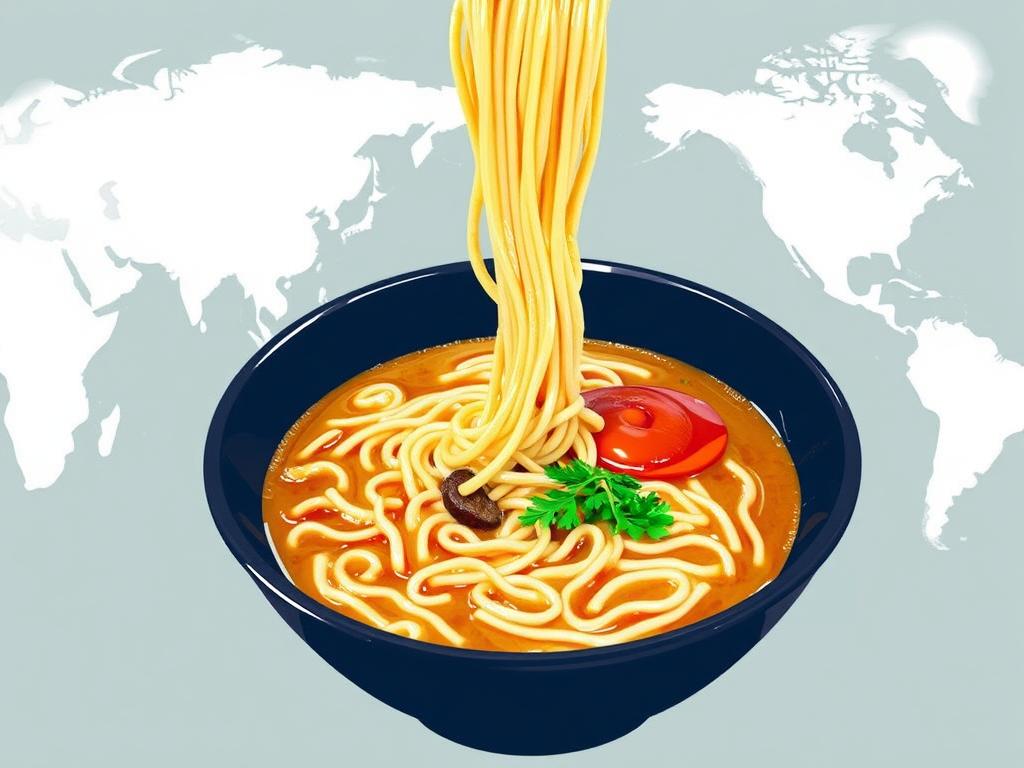
Is ramen soup just a Japanese thing? Far from it. Ramen’s charm transcends borders, continents, and food cultures. In the US, thriftiness and flavor have turned ramen into a cult comfort food; college students and foodies alike adore it. South Korea and China have their own takes, sometimes mixing ramen with local ingredients and spices.
More exotic variations even pop up in Europe and Australia, where chefs tweak traditional recipes, adding unique toppings or making broths with local stocks. Japan remains the heartland, but you can find ramen soup restaurants everywhere—from small noodle joints to high-end eateries.
Top 3 Ramen Soup Recipes to Try at Home
Ready to roll up your sleeves? Here are three classic recipes that capture the essence of ramen soup and can be made in a home kitchen.
- Tonkotsu Ramen – Rich, creamy pork bone broth simmered for hours, thin noodles, topped with chashu pork, green onions, and a soft boiled egg.
- Miso Ramen – Bold miso-based broth from fermented soybeans, thicker noodles, with corn, butter, bamboo shoots, and ground pork.
- Shoyu Ramen – Light soy sauce broth, balanced and savory, with chicken or pork, nori, bean sprouts, and marinated eggs.
Each recipe tells a different story but shares the soul of ramen soup.
Perfect Pairings: What to Eat with Ramen Soup
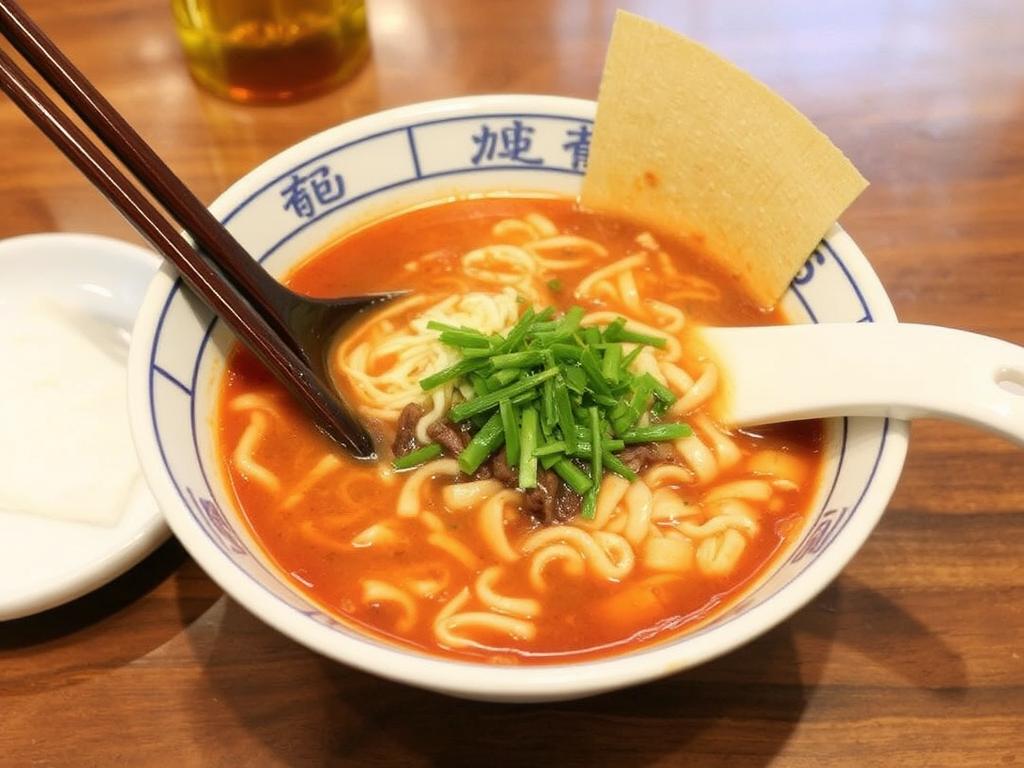
Ramen soup is delicious on its own but pairing it properly can elevate your meal. Popular sides include:
- Gyoza: Japanese dumplings with juicy fillings complement ramen’s textures.
- Pickles: A small serving of pickled vegetables adds tang and crunch.
- Rice Balls (Onigiri): These can round out the meal, especially if you’re hungry.
- Edamame: Steamed soybeans provide a palate cleanser.
- Green Tea: A gentle beverage that helps balance ramen’s richness.
Bringing these elements together turns a simple bowl of noodles into a memorable feast.
—
Ramen soup is a dish tied to culture, history, and personal enjoyment. It’s an adaptable, flavorful meal with a fascinating background and countless variations. If you haven’t yet indulged in making or tasting it, the world of ramen awaits — rich, warm, and full of stories told one slurp at a time.


