

Ever had that craving for something hearty, comforting, and just downright satisfying on a chilly day? Imagine a thick, rich soup that fills not just your stomach but wraps around you like a cozy blanket. If that sounds good, you’re about to dive into the world of Soup Snert—a Dutch classic that’s more than just pea soup. It’s a full-on experience, with history, tradition, and flavors that have traveled through time and across borders. Intrigued? Let’s unravel everything about this remarkable dish, from its roots to how you can cook your very own pot of Snert.
- Unpacking Soup Snert: What Exactly Is It
- A Glimpse Into History: The Tale Behind Soup Snert
- Where Soup Snert First Made Its Mark
- Fascinating Tidbits About Soup Snert
- Nutritional Snapshot: What’s Inside Soup Snert
- Slurped Across the Globe: Soup Snert’s Popularity Beyond the Netherlands
- Cooking Up Comfort: 3 Best Recipes for Soup Snert
- Traditional Dutch Snert
- Vegetarian Snert Twist
- Spiced Snert with Curry
- Perfect Pairings: What Goes Well With Soup Snert
Unpacking Soup Snert: What Exactly Is It
Soup Snert, often simply called “snert,” is a traditional Dutch pea soup made primarily from split peas that are cooked down into a thick, creamy consistency, almost to the point you could stand a spoon in it. Unlike thin brothy soups, snert’s texture is rich and dense, almost like a stew, which makes it perfect for those cold, gray days. The soup is usually loaded with smoked sausage (rookworst) and chunks of pork or bacon, adding a smoky, savory depth that balances the subtle earthiness of the peas. Vegetables like onions, leeks, and celery join the mix to enhance the flavor complexities. This isn’t a quick fix—you let it simmer and develop character like a fine story told over time.
A Glimpse Into History: The Tale Behind Soup Snert
Pea soup has ancient origins, but what sets Dutch snert apart is both its specific recipe and cultural significance. Going back centuries, peas were an accessible, affordable staple for farm families across the Netherlands. Slow-cooking peas into a thick soup cushioned hard working days, providing both energy and comfort. The first written mentions of something akin to snert appear in Dutch cookbooks from the 1600s, showing how ingrained it became in local cuisine. Over time, the addition of smoked sausage became popular, likely influenced by Dutch smoking and preservation techniques, turning a humble peasant dish into a national favorite. It’s food with roots in everyday life, not just fine dining, which adds to its charm.
Where Soup Snert First Made Its Mark
While pea soups exist worldwide, the specialized version known as Soup Snert originated firmly in the Netherlands, especially in the rural areas of the northern provinces. The cold, damp climate made a thick, warming soup like snert an ideal meal. Generations of Dutch families prepared it during harsh winters, often letting the soup get better after sitting overnight—some say it tastes best on day two or three. From humble farm kitchens to lively city markets, snert was a staple at gatherings and festivals. It reflects a well-preserved regional tradition that remains popular right through to modern Dutch life.
Fascinating Tidbits About Soup Snert
Here’s where it gets fun—snert comes with a few quirky qualities. For one, the traditional rule is to make it thick enough so that a spoon can stand up in the bowl; if your soup isn’t that dense, your snert isn’t legit. Another interesting fact is that snert is often eaten with rye bread topped with bacon or even smoked sausage slices alongside the soup, creating a hearty combination. Dutch supermarkets even sell ready-made snert, showing its ongoing relevance. There’s also a cultural nod: in the Netherlands, snert is commonly enjoyed during the New Year celebrations as a symbol of warmth and prosperity for the coming year.
Nutritional Snapshot: What’s Inside Soup Snert
If you think snert is all about comfort and indulgence, think again. This soup packs a nutritional punch. Split peas are an excellent source of plant-based protein and fiber, which support digestion and keep blood sugar steady. The smoked sausage adds protein and fat, making the dish filling and sustaining energy levels over long hours. Vegetables contribute vitamins and minerals, while the slow cooking process makes nutrients more digestible. Here’s a quick overview:
| Nutrient | Source in Snert | Benefit |
|---|---|---|
| Protein | Split peas, smoked sausage | Muscle repair and sustained energy |
| Fiber | Split peas, vegetables | Digestive health and satiety |
| Iron | Split peas, pork | Prevents fatigue and supports blood |
| Vitamins B and C | Vegetables (onions, leeks) | Immune support and metabolism |
Slurped Across the Globe: Soup Snert’s Popularity Beyond the Netherlands
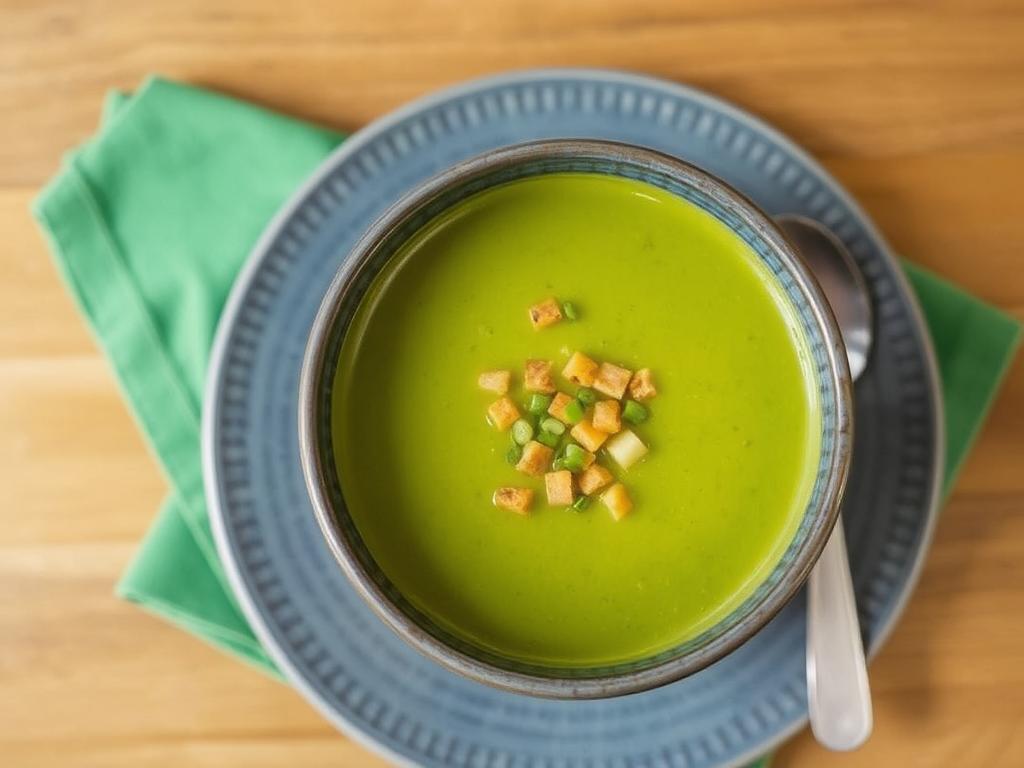
While snert remains a Dutch culinary treasure, it has made its way onto tables in neighboring countries and in pockets of Dutch expatriate communities around the world. In Belgium and northern Germany, you might find similar pea soups, but the Dutch version stands out with its thickness and smoked sausage tradition. Expats in countries like Canada, the U.S., and Australia often recreate snert to stay connected with their roots, sharing it during cultural events. Although it hasn’t hit global mainstream menus like French onion or Italian minestrone, Dutch snert holds a special status in regional and ethnic cuisine circles.
Cooking Up Comfort: 3 Best Recipes for Soup Snert
Ready to bring a bit of Dutch warmth to your own kitchen? Here are three tasty versions of snert to try:
Traditional Dutch Snert
- Split peas, smoked rookworst, pork belly, leeks, celery, onions.
- Simmer for 2-3 hours, stirring occasionally until thick and creamy.
- Season with salt, pepper, and a bay leaf.
Vegetarian Snert Twist
- Use vegetable broth and hearty smoked tofu instead of sausage.
- Add carrots and potatoes for extra texture.
- Finish with fresh parsley and a squeeze of lemon for brightness.
Spiced Snert with Curry
- Add mild curry powder and ginger to traditional snert base.
- Balance smoke with sweetness from coconut milk.
- Serve with naan bread for a fusion twist.
Perfect Pairings: What Goes Well With Soup Snert
Snert on its own is a meal, but pairing it right can elevate the experience. Classic accompaniments include dense rye or whole wheat bread, often slathered with butter or topped with bacon pieces for extra indulgence. Pickles or mustard add a tangy kick that cuts through the richness. For drinks, a crisp beer or a malty ale complements the smoky notes beautifully. Some enjoy their snert alongside boiled potatoes or simple salads, but honestly, that warm bowl and crusty bread combo remains unbeatable.
Soup Snert isn’t just a soup; it’s a comforting ritual, a tale of Dutch resilience, and a delicious way to bring people together in chilly months. If you haven’t tried it yet, don’t wait—your taste buds and chilly evenings will thank you.


