

Imagine cozying up on a chilly evening with a bowl of steaming soup that not only comforts you but also carries centuries of tradition in every spoonful. Tarhana soup isn’t just any ordinary dish; it’s a vibrant mix of rich flavors and cultural heritage that has traveled through time and across borders. Whether you’ve stumbled upon it in a market, enjoyed it at a family gathering, or heard about it from a friend who swears by its heartwarming taste, tarhana soup invites you to dive into a culinary adventure that is both nourishing and full of history. If you’ve ever been curious about this unique soup, now is the perfect moment to explore what it really is, where it comes from, and how you can bring a little piece of its charm into your own kitchen.
- Discovering What Tarhana Soup Really Is
- The Story Behind Tarhana Soup: A Taste of History
- Where Tarhana Soup First Appeared
- Intriguing Facts You Might Not Know About Tarhana Soup
- Breaking Down the Nutritional Value of Tarhana Soup
- The Worldwide Appeal and Popularity of Tarhana Soup
- Cooking Tarhana Soup at Home: Three Irresistible Recipes
- Perfect Pairings: What to Eat with Tarhana Soup
Discovering What Tarhana Soup Really Is
Tarhana soup is a traditional fermented cereal and yogurt-based soup, beloved especially in Turkish cuisine but also popular in various forms across Eastern Europe and the Middle East. Think of it as a dried soup mixture made by drying a blend of fermented ingredients, including yogurt or sour milk, flour, vegetables, and sometimes herbs. This mix is stored and later rehydrated by cooking with water or broth. The fermentation gives tarhana its distinct tangy flavor and rich aroma, setting it apart from many other soups.
What’s fascinating about tarhana is that despite its simple ingredients, it offers complex flavors—a little sour, a bit earthy, and utterly comforting. The soup is usually thick and hearty, perfect for cold days or when you want something nourishing but light. It’s so much more than just a quick meal; it’s a culinary tradition that’s been passed down through generations.
The Story Behind Tarhana Soup: A Taste of History
When we talk about the history of tarhana soup, we’re stepping back into a world where food preservation was an art form intertwined with survival. The making of tarhana was a clever way to store the bounty of the harvest and dairy products, ensuring sustenance through winter or long travels.
This ancient soup’s roots trace back to Central Asia, but it found a cherished home in Anatolia (modern-day Turkey), becoming part of the daily diet for many communities. Families traditionally made it in the late summer or early autumn, drying the dough mixture on rooftops or sunny window sills. Over time, tarhana became a symbol of hospitality and comfort, much like how chicken soup is viewed in some cultures.
Where Tarhana Soup First Appeared
Pinpointing the exact birthplace of tarhana soup is tricky, but its origins stretch across a map that includes Persia, Central Asia, and Anatolia. Scholars suggest that nomadic Turkic tribes developed this method to preserve dairy and grains, turning them into a durable food source for their travels. The name “tarhana” itself likely comes from the Persian “tarkhane” or the Greek “trakhanas,” showing how various cultures have embraced and adapted the dish.
Today, Turkey proudly claims tarhana as a national treasure, with regional variations all over the country. Whether it’s spiced up with cinnamon and mint or served simple with a drizzle of butter, tarhana soup tells the story of migration, cultural exchange, and communal cooking.
Intriguing Facts You Might Not Know About Tarhana Soup
– The fermentation process in tarhana improves digestibility and adds beneficial probiotics.
– In some regions, the soup was so valued that mothers used it as one of the first solid foods for babies.
– Traditionally, making tarhana was a communal event, with neighbors gathering to prepare large batches together.
– It can last for years in its dried form, making it an early version of instant meals.
– Tarhana soup played a role in Ottoman culinary diplomacy, often served to visiting dignitaries.
Breaking Down the Nutritional Value of Tarhana Soup
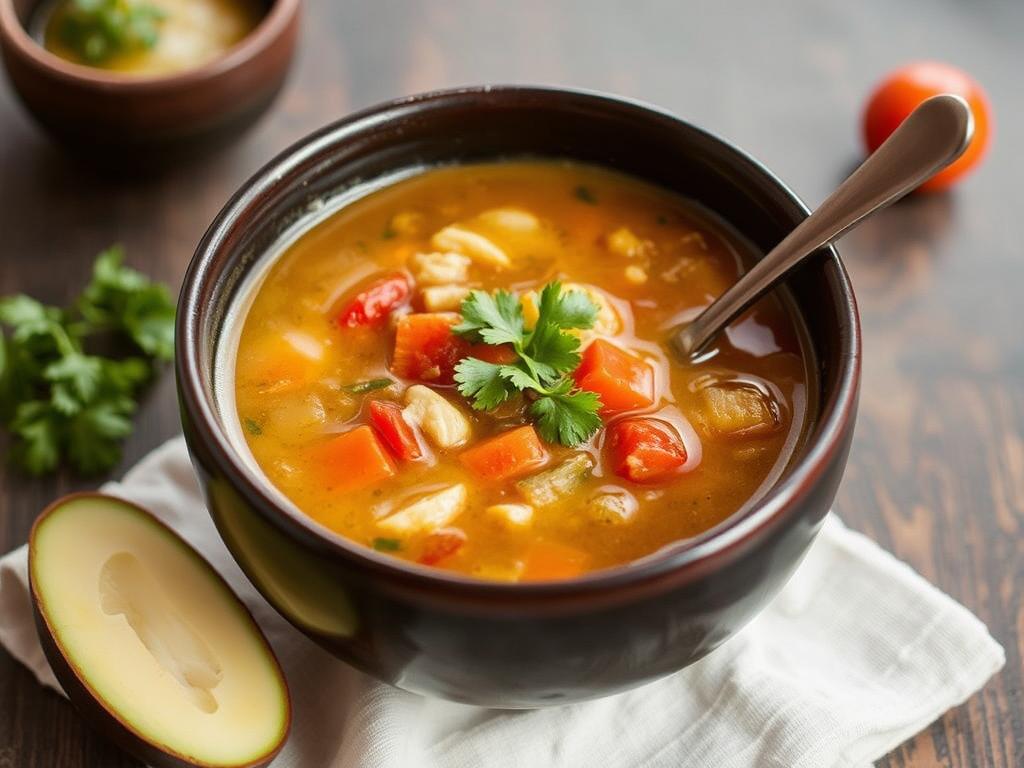
Tarhana soup isn’t just tasty, it’s also packed with nutrients. The fermentation process enhances nutrient availability and helps with gut health. Here’s what makes it stand out:
| Component | Benefit |
|---|---|
| Proteins | From yogurt and flour, supports muscle repair and growth |
| Probiotics | Good bacteria help digestion and immune function |
| Carbohydrates | Provide energy, mostly from wheat or other grains |
| Vitamins & Minerals | Includes B vitamins, calcium, and iron from dairy and fermentation |
| Low Fat | Generally light, making it great for balanced nutrition |
For those watching their diet, tarhana soup offers a nutrient-rich option that doesn’t sacrifice flavor.
The Worldwide Appeal and Popularity of Tarhana Soup
While most strongly associated with Turkey, tarhana soup has wove its way into the kitchens of Greece, Bulgaria, Armenia, and even parts of the Middle East. Each culture adapts the recipe, tweaking ingredients and flavors to local tastes. For example, Greek “trahana” often includes tomatoes and is warmed with olive oil, while Bulgarian versions might be sweeter or milder.
This soup’s popularity persists because it’s easy to store, quick to prepare, and deeply satisfying. It’s comfort food that carries history and community spirit, making it a staple in many households beyond its original borders.
Cooking Tarhana Soup at Home: Three Irresistible Recipes
Below are three variations that showcase tarhana soup’s versatility and flavor:
- Classic Turkish Tarhana Soup:
Rehydrate 1 cup dried tarhana with 4 cups water or broth. Bring to a boil, then simmer until thickened. Add butter and dried mint before serving. - Spiced Tarhana with Tomato and Paprika:
Cook tarhana as above but fry onions, garlic, and red paprika powder first. Add crushed tomatoes for a richer flavor and finish with a swirl of yogurt. - Vegetable-Packed Tarhana Delight:
Prepare tarhana soup and toss in diced carrots, zucchini, and peas during simmering. Garnish with fresh parsley and a squeeze of lemon for brightness.
These recipes reveal how easy it is to make the soup your own in any kitchen.
Perfect Pairings: What to Eat with Tarhana Soup
Tarhana soup pairs excellently with simple sides that complement its tangy, hearty profile. Traditionally, it’s enjoyed with:
- Crusty bread or fresh pita, perfect for dipping
- Light salads with fresh herbs or cucumber
- Olives and feta cheese for a Mediterranean touch
- Grilled vegetables or kebabs if you want a heartier meal
Drinks like ayran—a cold, salty yogurt beverage—also balance the soup’s sourness beautifully.
—
Tarhana soup is not just a bowl of nourishment; it’s a gateway into history, culture, and the joy of shared meals. Its rich flavors and roots in tradition make it a dish worth discovering, cooking, and savoring over and over again. Whether you’re curious about its origin or eager to try a few recipes, tarhana soup has a story to tell—and it’s delicious.


