
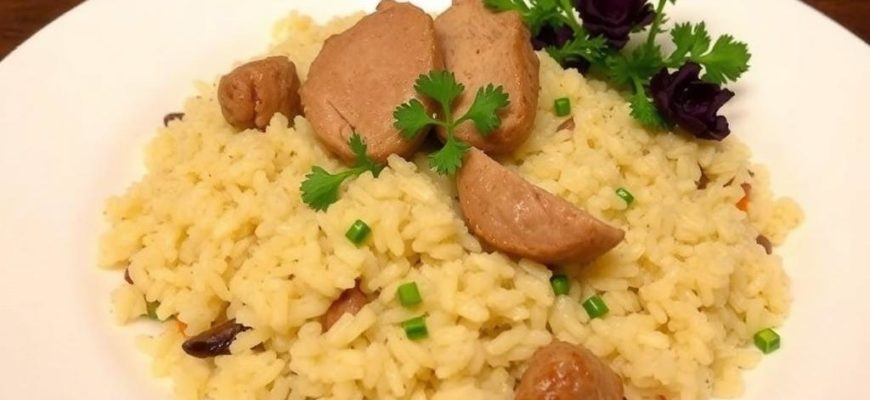
Imagine a warm, fragrant pot coming off the stove: rice grains glistening with butter and spices, tender pieces of chicken liver folded into every spoonful, steam carrying a hint of caramelized onions and toasted cumin. This is pilaf with chicken liver—a humble dish that feels like a hug on a plate, the kind of food that makes a kitchen smell like home and invites you to sit down, slow down, and savor. If you’re curious about how this modest combination became a favorite in so many regions, or you want a clear, reliable recipe to make it yourself, keep reading—there’s history, tips, and a step-by-step method that will give you perfect results even on the first try.
- Where Pilaf with Chicken Liver Comes From and How It Found Its Place on the Table
- How Pilaf with Chicken Liver Developed Through Time
- Little Surprises and Interesting Facts about Pilaf with Chicken Liver
- Nutritional Value of Pilaf with Chicken Liver
- How Popular Is Pilaf with Chicken Liver Around the World
- The Best Step-by-Step Cooking Recipe for Pilaf with Chicken Liver
- Ingredients
- Equipment
- Method — Step by Step
- Tips and Variations
- Wrapping Up
Where Pilaf with Chicken Liver Comes From and How It Found Its Place on the Table
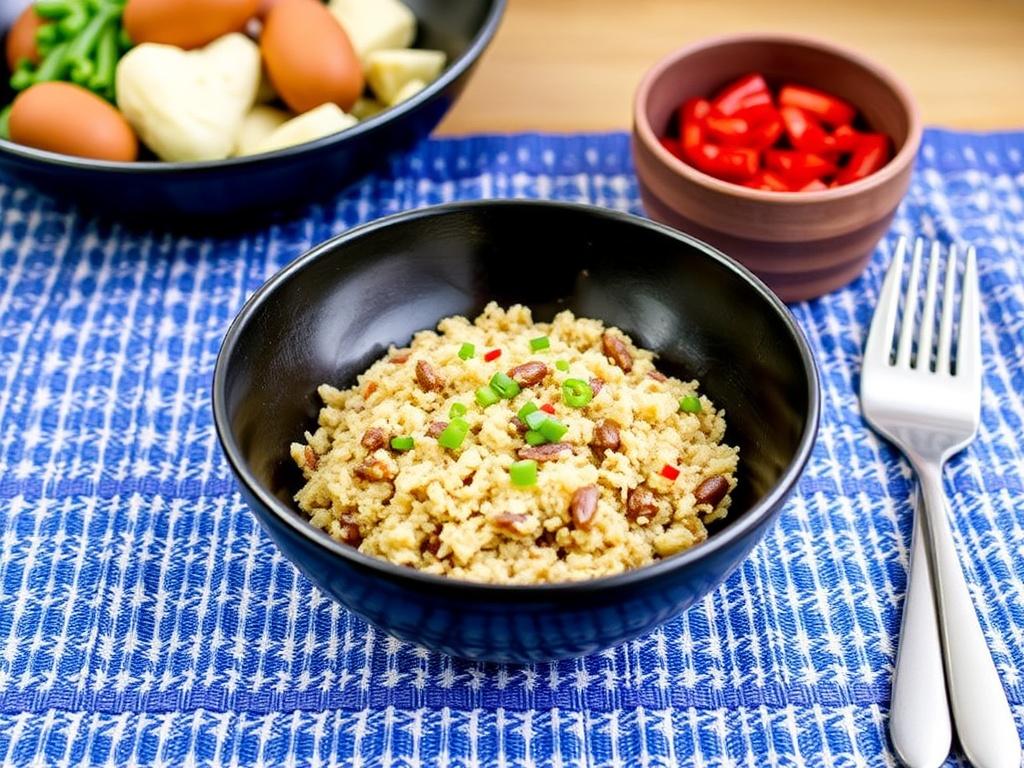
Pilaf itself is ancient and travels across continents—Central Asia, the Middle East, South Asia and parts of the Mediterranean each claim versions of rice cooked in seasoned broth. Adding chicken liver is a practical, flavorful twist: offal has always been prized in home cooking for its richness and affordability. The combination likely originated in regions where poultry was common and no part of the bird went to waste. Over time the dish spread along trade routes and through family kitchens, adapting to local spices and ingredients while keeping the same basic idea: rice cooked with aromatics and enriched with liver.
How Pilaf with Chicken Liver Developed Through Time
History here is more about everyday cooks than famous chefs. In many places, peasant and household cuisines experiment with what’s available and economical. Chicken liver adds depth and iron-rich nutrition; it also shortens cooking time compared with tougher cuts of meat. The dish gained popularity in urban markets as well, showing up in street food stalls and simple restaurants. Each culture adjusted spices, fats, and accompaniments—some prefer cumin and coriander, others bring in turmeric, cinnamon, or even tomatoes.
Little Surprises and Interesting Facts about Pilaf with Chicken Liver
- Using liver not only changes taste but also color: depending on how long you fry it, the rice can pick up deeper, almost caramel tones.
- Some cooks soak liver briefly in milk or lemon water to reduce any metallic bite and to tenderize it.
- A single pan method is common: browning onions, frying liver, then cooking rice in the same pot keeps flavors layered and minimizes cleanup.
- In many families, this dish is linked to frugality turned delicious—an example of turning simple ingredients into memorable meals.
Nutritional Value of Pilaf with Chicken Liver
The dish is nutrient-dense thanks to the liver. Chicken liver is high in protein, iron, vitamin A and B12. Rice provides carbohydrates and energy. Below is an approximate nutritional breakdown per serving, based on a recipe serving four.
| Nutrient | Approximate amount per serving |
|---|---|
| Calories | 480 kcal |
| Protein | 28 g |
| Fat | 18 g (varies with oil/butter) |
| Carbohydrates | 54 g |
| Iron | High (liver contributes significant amount) |
Adjustments: use less fat for lower calories, swap white rice for brown for more fiber, or reduce portion size if watching iron intake—liver is potent.
How Popular Is Pilaf with Chicken Liver Around the World
The dish doesn’t always travel under the same name, but its spirit exists widely. In Central Asia, pilaf varieties pair rice with lamb or organ meats. In Turkey and the Levant, you’ll find liver mixed with rice or served with bulgur. South Asian cooks sometimes add spices like garam masala or chilies. In Western home kitchens it’s less mainstream but appreciated by people who enjoy rustic, resourceful cooking. Street food scenes in some cities serve fried liver with rice or bread—accessible and flavorful.
The Best Step-by-Step Cooking Recipe for Pilaf with Chicken Liver
This recipe serves four and aims for clarity so your pilaf turns out reliably well.
Ingredients
- 300 g chicken livers, trimmed and rinsed
- 2 cups long-grain rice (basmati or similar), rinsed until water runs clear
- 1 large onion, thinly sliced
- 3 cloves garlic, minced
- 3 tbsp vegetable oil or clarified butter
- 1 tsp ground cumin
- 1/2 tsp ground coriander or 1 tsp seeds, toasted
- 1/2 tsp turmeric (optional, for color)
- Salt and black pepper to taste
- 4 cups chicken stock or water (adjust quantity to rice type)
- Fresh parsley or cilantro for garnish
- Juice of half a lemon (optional)
Equipment
- Heavy-bottom pot with lid
- Fine sieve for rinsing rice
- Spoon or spatula
Method — Step by Step
- Pat the livers dry and season lightly with salt and pepper. If you prefer milder flavor, soak them 10–15 minutes in milk, then drain and pat dry.
- Heat 2 tablespoons of oil or butter in the pot over medium-high heat. Add onions and a pinch of salt. Cook, stirring occasionally, until they are deeply golden and sweet, about 12–15 minutes. Remove half the onions for garnish if you like a crisp topping.
- Add the remaining oil and the livers. Sear quickly—about 2–3 minutes per side—until browned outside but still tender inside. Overcooking makes liver dry, so keep an eye on it. Remove livers and slice into bite-sized pieces.
- Lower heat, add garlic, cumin, coriander and turmeric. Toast briefly until aromatic, then add the rinsed rice. Stir to coat rice in the spiced fat so each grain shines.
- Pour in stock or water, scrape any browned bits from the pan, and bring to a gentle boil. Taste the liquid for seasoning; add salt if needed. Return liver pieces to the pot, distributing them evenly.
- Cover, reduce heat to low and simmer until rice is tender and liquid absorbed—usually 15–20 minutes depending on rice. Let the pot rest off heat for 10 minutes with the lid on to steam.
- Fluff rice with a fork, mix in reserved caramelized onions, squeeze lemon if using, and garnish with chopped herbs.
Tips and Variations
- For a richer pilaf, replace some oil with butter or ghee. For a lighter version, use less oil and more vegetables like carrots.
- Add raisins or toasted nuts for texture and a hint of sweetness—common in some pilaf traditions.
- Swap half the rice for bulgur or add a handful of peas in the last 5 minutes of cooking for color and nutrition.
Wrapping Up
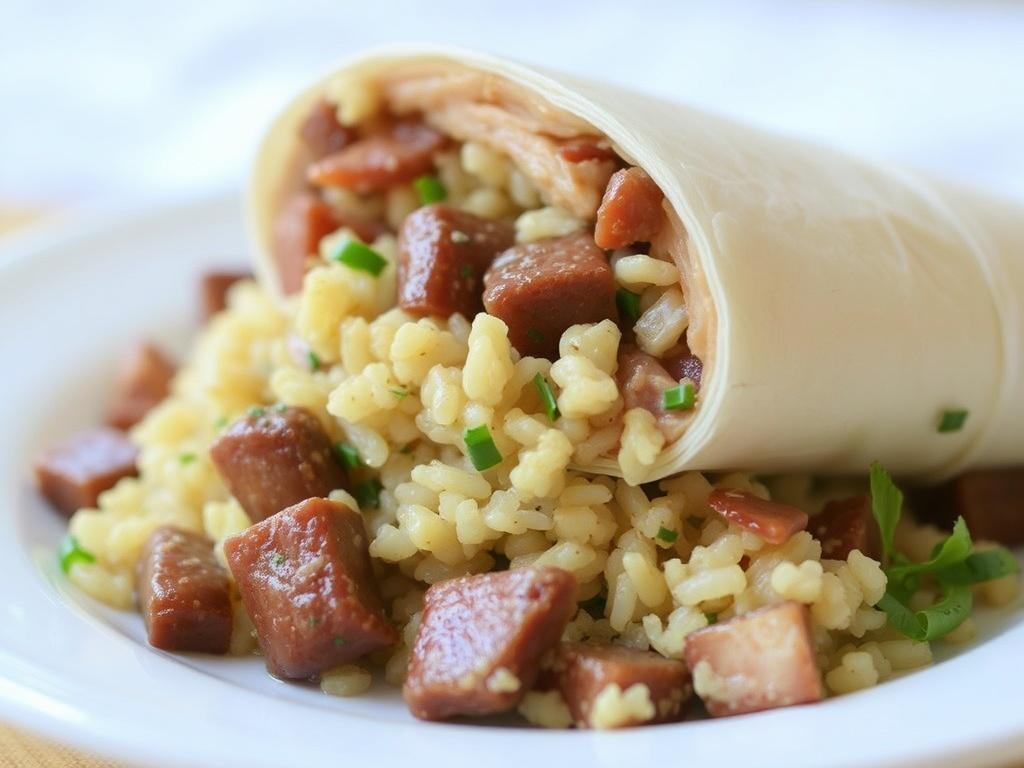
Pilaf with chicken liver is comfort food that rewards a little attention. It’s fast, flavorful and economical—one of those dishes that proves good cooking doesn’t need fancy ingredients. Follow the steps above, adjust spices to your taste, and you’ll have a dish that smells like late afternoons in a busy kitchen and tastes like something made with care.


