

You know that feeling when you stumble upon a dish that’s simple yet completely captivating? Burgu pancakes from Indonesia have that kind of magic. They don’t shout for attention like some flashy street foods, but once you try them, their charm lingers. Imagine soft, subtly sweet pancakes with unique ingredients that tell stories of Indonesia’s diverse culture and food traditions. Curious? Let’s dive into what makes Burgu pancakes a treasure worth exploring.
- Unpacking Burgu Pancakes from Indonesia
- The Journey of Burgu Pancakes: A Taste of History
- Where Burgu Pancakes Took Their First Bite
- Curious Insights About Burgu Pancakes from Indonesia
- Nutritional Snapshot of Burgu Pancakes from Indonesia
- The Spread of Burgu Pancakes Beyond Indonesia
- Mastering Burgu Pancakes at Home: Top 3 Recipes
- 1. Classic Burgu Pancakes
- 2. Burgu with Shredded Coconut
- 3. Savory Burgu Style
- Perfect Pairings: What to Enjoy with Burgu Pancakes from Indonesia
Unpacking Burgu Pancakes from Indonesia
At first glance, Burgu pancakes might look like your everyday pancake. But take a closer bite, and there’s a world of difference. These pancakes capture a balance between fluffy texture and a mildly sweet, sometimes nutty flavor profile. They’re typically made from simple ingredients—rice flour, coconut milk, palm sugar—and occasionally spiced with pandan leaves or a hint of vanilla. Unlike the thick, fluffy American pancakes drenched in syrup, Burgu pancakes are lighter, with delicate edges and a gentle chewiness.
These treats are more than just breakfast fare; they’re part snack, part comfort food in Indonesian households. Their versatile nature means they work well fresh off the griddle, paired with sweet or savory sides, or even enjoyed plain with a cup of strong Indonesian coffee.
The Journey of Burgu Pancakes: A Taste of History
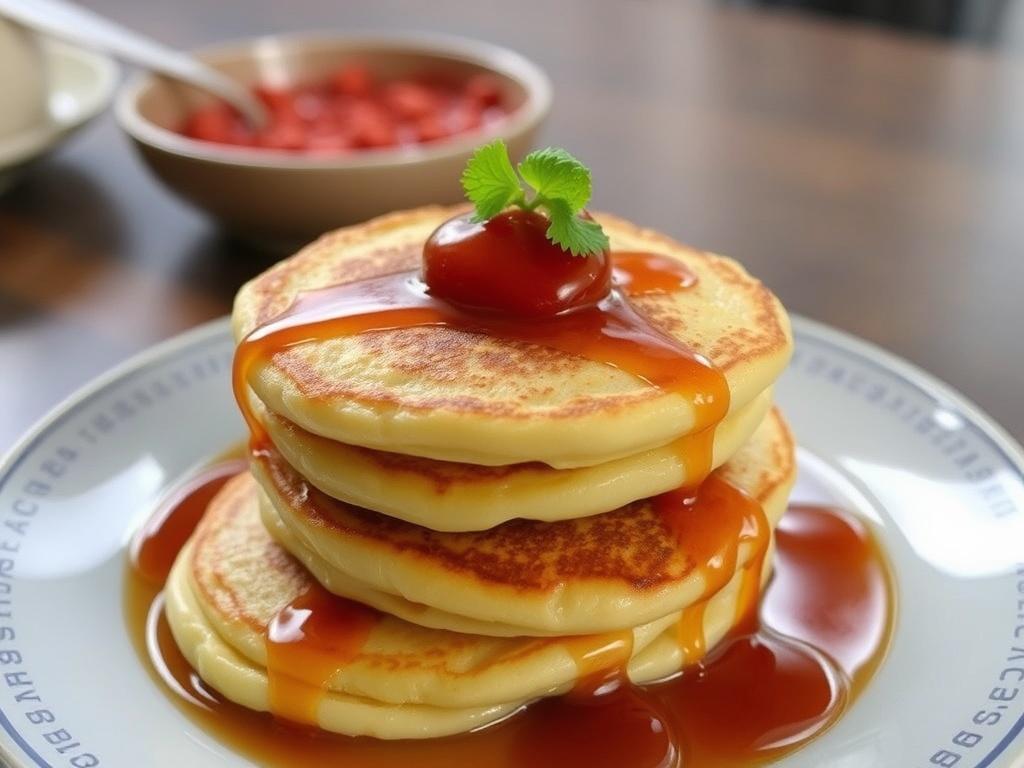
The story of Burgu pancakes from Indonesia weaves through the tapestry of the nation’s diverse culinary traditions. Pancakes made from rice flour have existed in the region for centuries, reflecting local agriculture heavily reliant on rice and coconut. While the exact origin of Burgu pancakes remains a bit hazy, they likely grew out of traditional jajan pasar—Indonesian market snacks made fresh daily and sold in bustling street markets.
These pancakes were a practical solution long before packaged snacks arrived, a way to use abundant natural ingredients. Families passed down recipes tightly linked to community and celebrations. Learning about Burgu pancakes is like opening a culinary time capsule, connecting us to everyday life in Indonesian villages.
Where Burgu Pancakes Took Their First Bite
Pinpointing the precise birthplace of Burgu pancakes from Indonesia is tricky, but they are most commonly associated with Java, the country’s most populous island. Java boasts a rich tradition of street food and market snacks, where vendors tailor recipes to local tastes.
In Java’s vibrant markets—especially in cities like Yogyakarta and Bandung—you’ll find Burgu pancakes fresh and warm, served by friendly street vendors who’ve inherited time-tested methods. The pancakes serve as an emblem of Javanese home cooking, a staple among market-goers and families alike.
Curious Insights About Burgu Pancakes from Indonesia
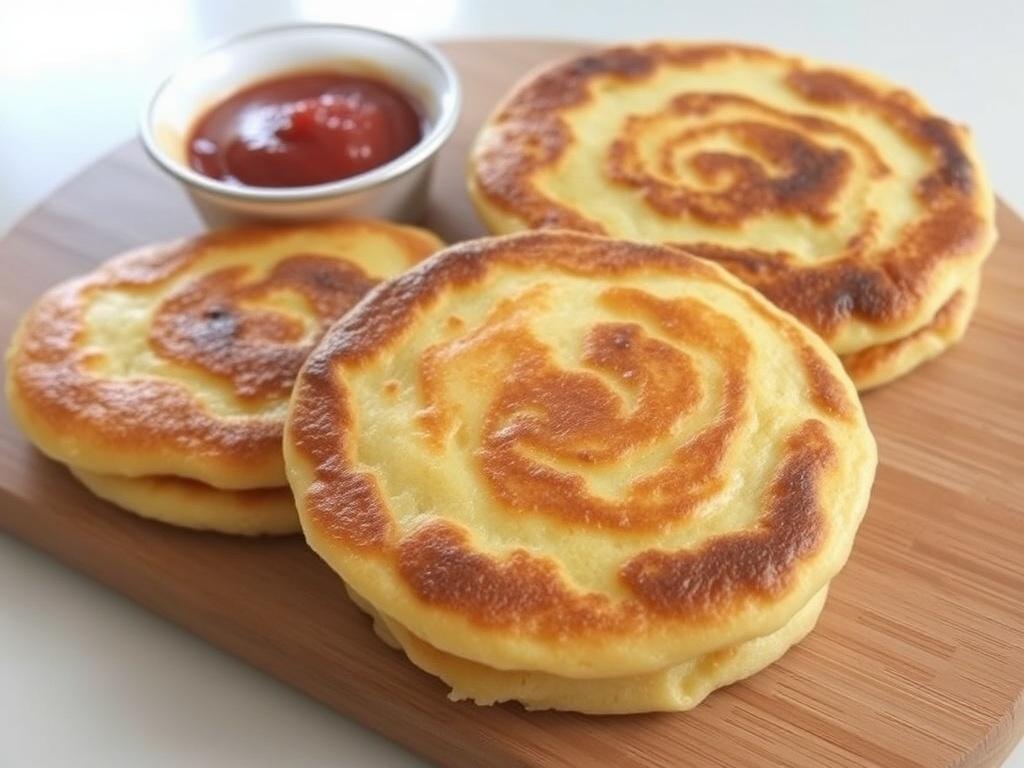
These pancakes have some interesting quirks worth noting:
- They often use palm sugar, giving them a distinct caramel-like sweetness that distinguishes them from Western pancakes.
- Variations might include finely chopped nuts or shredded coconut, adding texture and depth.
- The batter’s consistency varies—some prefer it runnier for thinner pancakes, others thicker for a fluffier bite.
- Unlike waffles or crepes, Burgu pancakes lack elaborate toppings but shine in their simplicity.
Interestingly, these pancakes represent the resourcefulness of Indonesian cooking—turning simple staples into satisfying treats without the fuss.
Nutritional Snapshot of Burgu Pancakes from Indonesia
Let’s talk nutrition for a moment. Burgu pancakes from Indonesia lean on wholesome ingredients, making them a fairly balanced choice, especially compared to heavily processed snacks.
| Nutrient | Approximate Amount (per pancake) |
|---|---|
| Calories | 90-120 kcal |
| Carbohydrates | 18-22 grams |
| Fat | 2-4 grams |
| Protein | 1-2 grams |
| Fiber | 0.5-1 gram |
Made mainly from rice flour and coconut milk, these pancakes provide moderate energy and are relatively light. For those mindful of allergens, Burgu pancakes are typically gluten-free, a plus in today’s food landscape.
The Spread of Burgu Pancakes Beyond Indonesia
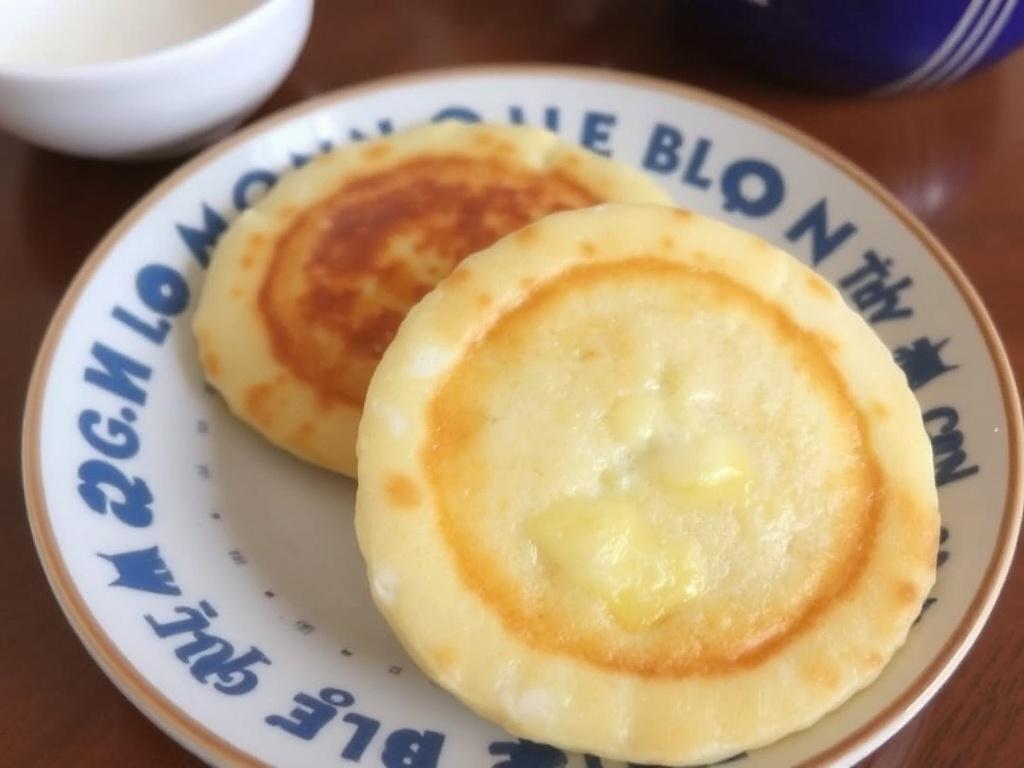
While a beloved local treat, Burgu pancakes haven’t yet hit global mainstream fame like Indonesia’s nasi goreng or satay. Nonetheless, their popularity is growing among culinary adventurers and Southeast Asian food enthusiasts worldwide.
In countries with sizable Indonesian diasporas—such as the Netherlands or Australia—Burgu pancakes feature in food markets and home kitchens. Though still niche, they’re gaining attention for their mild, approachable flavor and simple preparation.
Mastering Burgu Pancakes at Home: Top 3 Recipes
Want to give it a go yourself? Here are three variations of Burgu pancakes to try:
1. Classic Burgu Pancakes
- Rice flour (100g)
- Coconut milk (150 ml)
- Palm sugar (2 tbsp, melted)
- Pinch of salt
- Pandan leaf infusion (optional)
Mix ingredients until smooth. Pour a small ladle on a hot non-stick pan, cook until edges crisp. Serve warm.
2. Burgu with Shredded Coconut
- Same base as Classic
- + 2 tbsp freshly shredded coconut mixed into batter
Cook as above for a richer texture and fragrance.
3. Savory Burgu Style
- Rice flour and coconut milk as base
- Pinch of salt and black pepper
- Chopped green onions or shallots
- Small drizzle of vegetable oil for cooking
This approach offers a twist that breaks from tradition but complements local palates craving savory snacks.
Perfect Pairings: What to Enjoy with Burgu Pancakes from Indonesia
Burgu pancakes themselves are subtle, so what you serve them with makes all the difference. Here are some favorites:
- Sweet: Drizzle of honey or extra palm sugar syrup, fresh tropical fruits like mango or banana.
- Savory: Sambal chili paste for a spicy kick, or small portions of crispy fried shallots.
- Drinks: A robust cup of Indonesian coffee or jasmine tea balances their mild sweetness beautifully.
I’ve found that mixing and matching these elements turns a simple pancake into a memorable bite, whether you treat it as breakfast, afternoon snack, or light dessert.
—
Burgu pancakes from Indonesia aren’t just about the food itself but the culture and stories baked into each piece. If you ever get the chance to try them or dive into cooking your own, you’ll experience a different side of Indonesian cuisine—one that’s humble, comforting, and quietly delightful. Give it a shot, and let Burgu pancakes surprise you.


