

Let me take you on a little journey to the streets of Malaysia, where a humble yet irresistible treat called Malaysian akok pancakes wins hearts with every warm bite. These adorable, golden-brown pancakes are not your everyday breakfast fare—they carry a story, a unique texture, and flavors that reveal secrets of a rich cultural heritage. If you’ve never encountered Malaysian akok pancakes, get ready to discover a world of taste that’s both comforting and exciting. Whether you’re craving something sweet or curious about Southeast Asian delicacies, akok is bound to make you smile and want more. Curious how these pancakes have evolved, where they truly come from, and why they’ve captured the taste buds of so many? Stick around as we dive deep into this delicious marvel.
- Unpacking the Charm of Malaysian Akok Pancakes
- The Story Behind the Malaysian Akok Pancakes
- Where Malaysian Akok Pancakes First Took Root
- A Few Fun Nuggets About Malaysian Akok Pancakes
- Breaking Down the Nutritional Value of Malaysian Akok Pancakes
- How Malaysian Akok Pancakes Are Cherished Worldwide
- Three Standout Recipes to Master Malaysian Akok Pancakes at Home
- Classic Coconut Akok
- Sweet Corn Akok
- Fluffy Pandan Akok
- Pairing Ideas: What to Eat With Malaysian Akok Pancakes
Unpacking the Charm of Malaysian Akok Pancakes
What exactly are Malaysian akok pancakes? Picture small, round pancakes with a slightly crisp edge, soft and sweet inside, often infused with coconut milk and palm sugar, sometimes enriched with pandan leaves or even bits of corn. These pancakes are not flat like the ones you might be used to; instead, they’re thicker and cooked in special brass or cast iron molds that give them a unique shape and texture. The batter is poured in, then the pancake gently steams and caramelizes, resulting in a delightful contrast between the crispy exterior and the soft, almost custard-like interior. The taste is a subtle blend of sweetness thanks to the palm sugar with an underlying richness from coconut milk. Malaysian akok pancakes feel like a warm hug on a plate, combining simplicity with depth in every mouthful.
The Story Behind the Malaysian Akok Pancakes
Every beloved dish has a history, and Malaysian akok pancakes are no exception. The roots of akok stretch back generations, with their recipe and technique passed down through families in Malaysia. Traditionally, these pancakes were made as snacks or early morning treats, often sold by street vendors and small hawker stalls. Akok perfectly exemplifies how local ingredients such as pandan, coconut milk, and palm sugar shaped culinary traditions. The cooking method reflects a mix of indigenous techniques alongside Chinese culinary influence, especially in the use of the molds similar to those for other Asian pancakes. This blending of cultures gave Malaysian akok pancakes a distinct identity—familiar yet uniquely Malaysian. For many, akok is tied to memories of lazy mornings and festive occasions, offering a glimpse into Malaysia’s vibrant food heritage.
Where Malaysian Akok Pancakes First Took Root
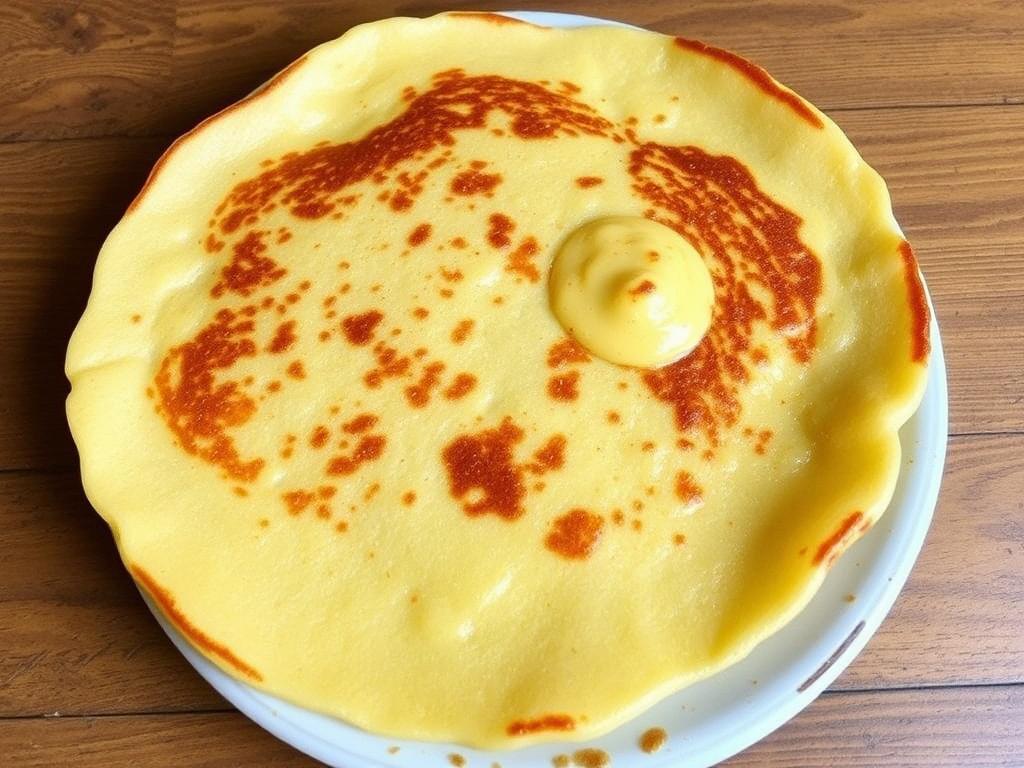
Pinpointing exactly where Malaysian akok pancakes first appeared is a bit like chasing a whisper, but most traces lead to the northeastern states of Malaysia, such as Kelantan and Terengganu. These areas are known for their rich coconut plantations, a key component in akok’s recipe. Here, coastal resources combined with local culinary creativity to produce these little pancake treasures. Street vendors still sell akok widely in these regions, and the snack is a staple in local markets and festivals. While you’ll find variations of akok throughout Malaysia, this northeastern heartland remains the cradle of the original recipe and its traditions.
A Few Fun Nuggets About Malaysian Akok Pancakes
Did you know that the molds used to cook Malaysian akok pancakes are often handcrafted from brass or cast iron, passed down within families from one generation to the next? This mold is essential—it gives akok that signature shape and crispy boundary.
Also, akok is regarded not only as a snack but sometimes as a dessert, showing its flexible role in the Malaysian food scene. Variations may include adding small bits of sweet corn, enhancing texture and sweetness, or using pandan paste for a beautiful green tint and aromatic fragrance. These little tweaks tell stories of regional tastes and personal twists in traditional recipes. Akok’s relatively simple ingredients underline a bigger truth: you don’t need complexity for something to be truly memorable in flavor.
Breaking Down the Nutritional Value of Malaysian Akok Pancakes
When you think of pancakes, nutrition might not be the first thing that comes to mind, but Malaysian akok pancakes have an interesting profile. Here’s a snapshot of what goes into a typical serving:
| Ingredient | Main Nutrients |
|---|---|
| Coconut Milk | Healthy fats, medium-chain triglycerides (MCTs) |
| Palm Sugar | Natural sugars, small amounts of vitamins and minerals |
| Wheat Flour | Carbohydrates, some protein |
| Eggs | Protein, vitamins A and D |
While akok pancakes are a sweet treat and relatively rich in fats due to coconut milk, they provide quick energy and contain some beneficial nutrients. Like all indulgences, they’re best enjoyed in moderation, but their reliance on natural ingredients like palm sugar and coconut sets them apart from highly processed sweets.
How Malaysian Akok Pancakes Are Cherished Worldwide
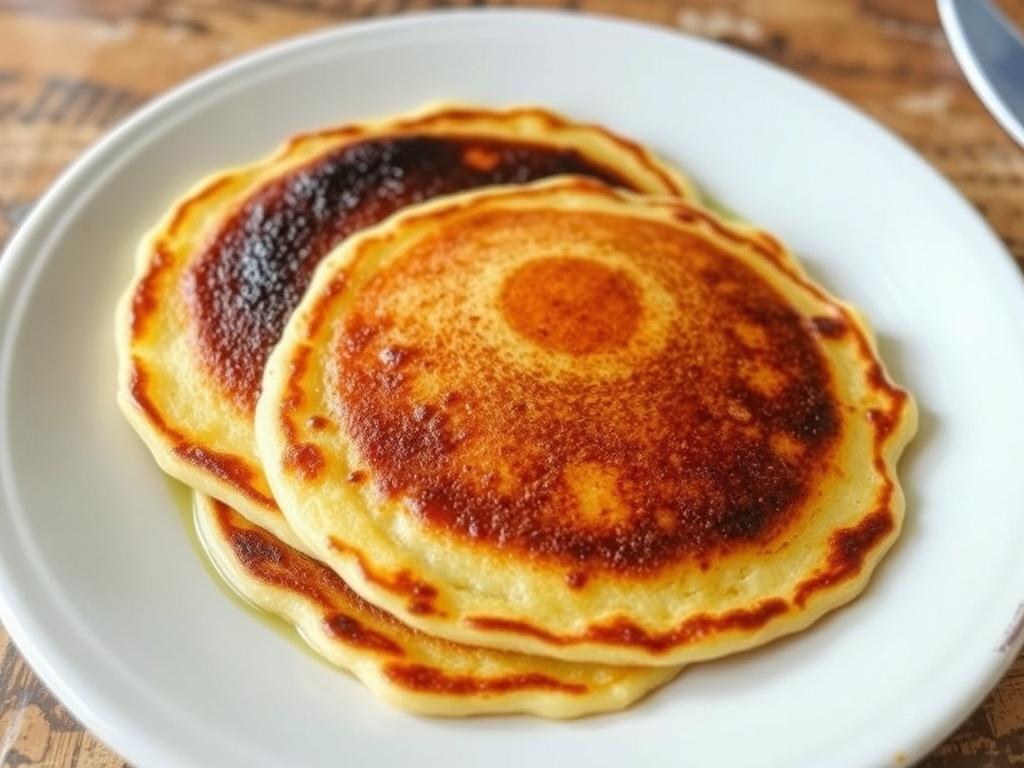
Though deeply rooted in Malaysia, the charm of akok has begun to ripple across borders, carried by emigrants and curious food adventurers. In Southeast Asia, you’ll find akok featured in Malaysian restaurants abroad, often presented alongside more familiar dishes to introduce newcomers to the country’s culinary heritage. In places like Singapore and Indonesia, slight variations of akok pancakes appear, adapting to local tastes but keeping the essence intact. Globally, food bloggers and enthusiasts who seek out authentic, lesser-known treats have helped akok gain a modest but passionate following on the internet. Still a niche delight, these pancakes hold potential to become a new favorite in the global “comfort food” selection.
Three Standout Recipes to Master Malaysian Akok Pancakes at Home
Trying to replicate Malaysian akok pancakes might seem intimidating, but it’s surprisingly straightforward. Here are three delicious versions you can try:
Classic Coconut Akok
- Ingredients: wheat flour, coconut milk, palm sugar, eggs, salt, a pinch of baking powder.
- Method: Mix ingredients into smooth batter, pour into preheated molds, cook over low heat until crispy outside.
- Tip: Add a few drops of pandan extract for extra fragrance.
Sweet Corn Akok
- Based on the classic recipe plus fresh or canned sweet corn kernels mixed into the batter.
- Gives texture and a pleasant natural sweetness.
Fluffy Pandan Akok
- Include pandan juice in the batter for vibrant color and scent.
- Use baking powder or baking soda for slightly fluffier, lighter pancakes.
Whichever recipe you pick, the key is patience during cooking—the low temperature allows the middle to steam gently while the edges form that perfect crispy crust.
Pairing Ideas: What to Eat With Malaysian Akok Pancakes
Akok pancakes are quite versatile when it comes to pairing. Traditionally, they’re enjoyed as-is, with their own rich flavor and texture shining through. However, if you want to elevate the experience, consider these:
- Hot Tea: The slight bitterness of black or green tea balances the sweetness beautifully.
- Fresh Fruits: Slices of tropical fruits like mango, pineapple, or banana add freshness.
- Thick Coconut Cream: A drizzle on top enhances the coconut flavor even more.
- Local Coffee: Malaysia’s signature kopi adds a strong contrast for those who prefer coffee with breakfast.
Simple, thoughtful accompaniments can make enjoying Malaysian akok pancakes a small feast that feels special.
—
Malaysian akok pancakes aren’t just food—they’re a delicious window into Malaysia’s culture, history, and heart. Giving them a try means savoring much more than batter and sugar. Whether you find yourself exploring the markets in Kelantan or cooking up your own batch at home, this treat serves up a perfect blend of tradition, taste, and warmth.


