

When you hear the word ‘crepe,’ what comes to mind? Maybe a sweet little pancake rolled with Nutella, or a fancy dessert at some chic cafe. But there’s a whole world beyond that—one that comes from the rugged coast of Brittany in France, carrying centuries of history and flavor in each delicate, thin slice. Breton crepes are unlike anything else. They’re simple but complex, humble but deeply connected to a rich regional identity. Dive in with me, and I promise you’ll soon understand why these pancakes have captured hearts far beyond their homeland.
- What Exactly Are Breton Crepes
- A Brief History of Breton Crepes
- The Birthplace of Breton Crepes
- Inside Breton Culture and Crepe Customs
- Fascinating Tidbits About Breton Crepes
- The Nutritional Value Hidden in Breton Crepes
- How Breton Crepes Became Popular Worldwide
- Three Must-Try Breton Crepe Recipes
- 1. Classic Buckwheat Galette with Ham and Cheese
- 2. Sweet Wheat Crepe with Butter and Sugar
- 3. Galette with Smoked Salmon and Crème Fraîche
- Perfect Pairings for Breton Crepes
- Vegetarian and Vegan Options
- Final Thoughts
What Exactly Are Breton Crepes
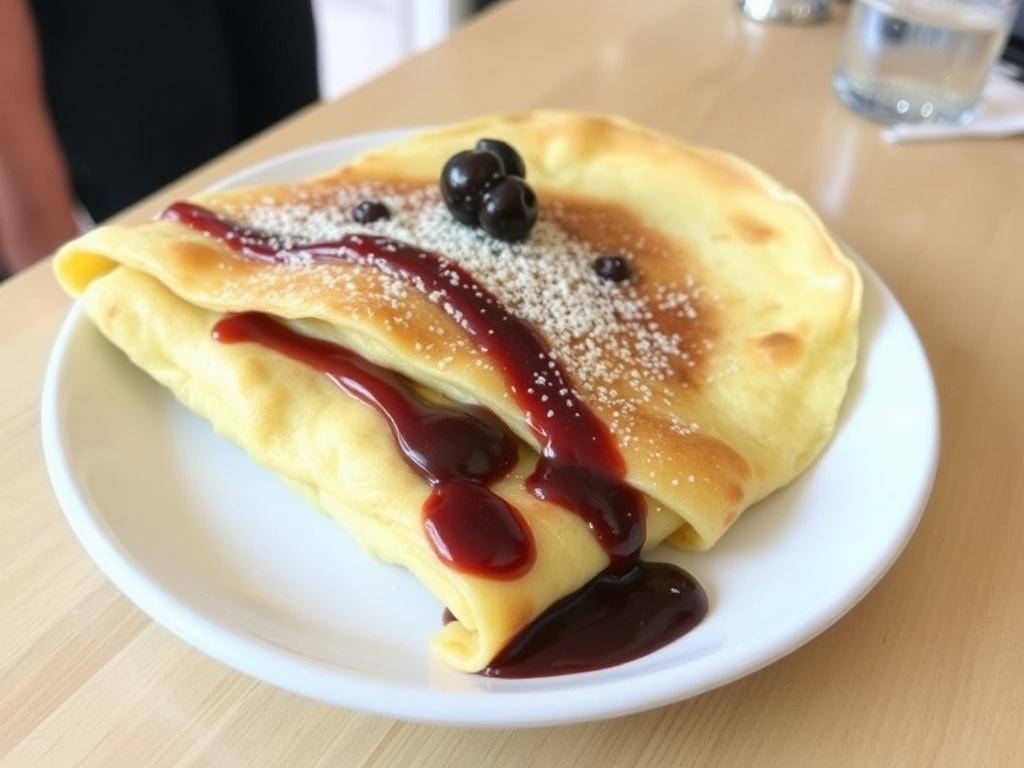
Let’s clear the air: Breton crepes aren’t just any ordinary crepes. Traditional Breton crepes come in two main forms — sweet crepes made with wheat flour and savory galettes made with buckwheat flour. What makes them truly unique is the buckwheat galette, known for its slightly nutty flavor and sturdier texture. Unlike typical crepes that tend to be sweet and soft, these are often hearty enough to hold robust fillings like ham, cheese, and eggs. They’re paper-thin, beautifully round, and usually cooked on a special flat griddle called a “billig.” Once you get past the delicate, almost translucent appearance, you find incredible depth anchored in regional ingredients.
A Brief History of Breton Crepes
The story of Breton crepes is a tale as old as the craggy cliffs of Brittany itself. Buckwheat, or “blé noir,” was introduced to Brittany from Asia sometime around the 15th century. It thrived in Brittany’s poor, acidic soils where other grains struggled. The locals quickly embraced it—not only as a staple crop but also as the perfect ingredient for their crepes. Crepes became a daily comfort food for farmers, fishermen, and their families, valued for being quick, cheap, and filling.
Back then, crepes weren’t the dessert items we think of today. They were more practical, often served with savory fillings or simply buttered and eaten plain. Over time, the culture around Breton crepes grew richer, weaving into festivals and celebrations, becoming a proud emblem of Brittany’s culinary heritage.
The Birthplace of Breton Crepes
Brittany, the rugged peninsula jutting out into the Atlantic Ocean in northwestern France, is where Breton crepes took shape. This region’s unique climate, soil, and traditions gave rise to the buckwheat crop and the distinct style of crepes. Small countryside villages kept the tradition alive, each with slight variations. Though today you’ll find crepe stands across France and beyond, the original billigs still sizzle in the smoky kitchens of Breton homes.
Inside Breton Culture and Crepe Customs
The crepe is more than food here; it’s a social glue. Breton families gather around crepe-making as both activity and ritual, especially on Candlemas day (“La Chandeleur”), when making crepes is believed to bring luck and prosperity. Imagine a kitchen filled with the aroma of butter and crispy edges, children flipping crepes imperfectly, adults laughing — it’s a vivid slice of Breton life.
Fascinating Tidbits About Breton Crepes
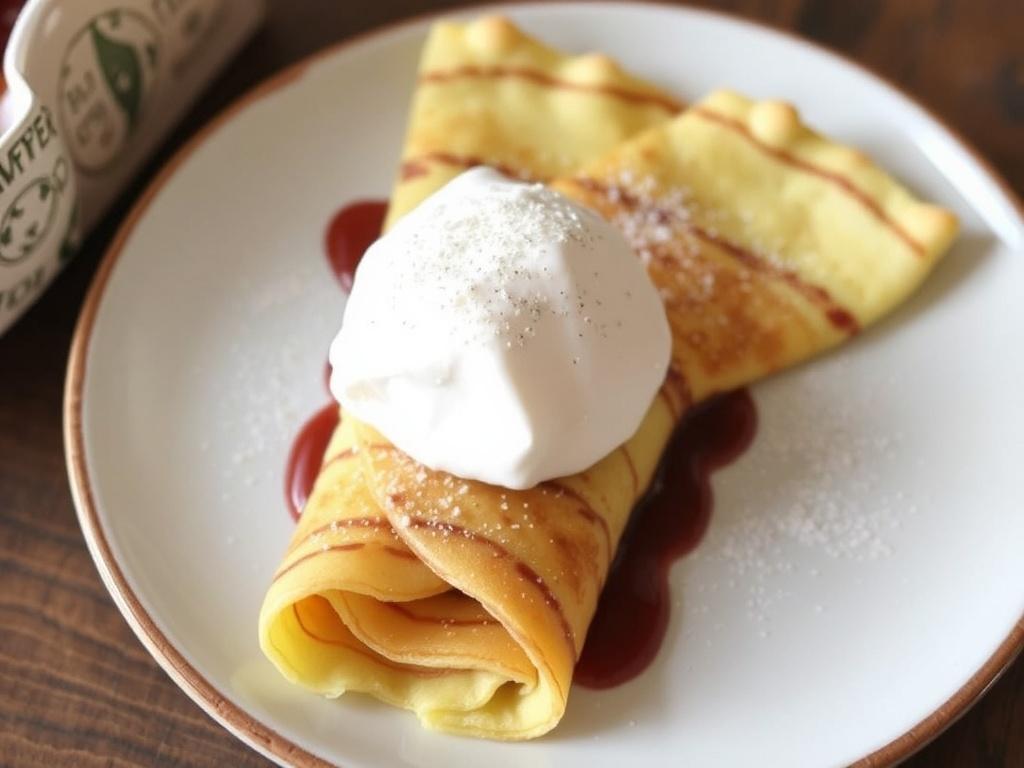
You might be surprised to learn that the buckwheat used in galettes contains no gluten, making Breton crepes naturally gluten-free. Also, the tradition to flip crepes with a coin in hand for good luck adds a playful charm to the cooking process. In recent decades, chefs have elevated crepes to gourmet fare, pairing them with ingredients ranging from decadent smoked salmon to delicate cider sauces.
The Nutritional Value Hidden in Breton Crepes

If you peek under the buttered surface of a traditional Breton crepe, you’ll find a humble yet nutritious meal. Buckwheat offers a good source of protein, fiber, and essential minerals like magnesium and manganese. Unlike more processed grains, it has a lower glycemic index, making it a friendlier choice for blood sugar management. Sweet crepes, on the other hand, tend to be lighter but can be laden with sugars depending on toppings.
| Type | Main Ingredient | Calories (per 100g) | Protein (g) | Fiber (g) |
|---|---|---|---|---|
| Buckwheat Galette (Savory) | Buckwheat Flour | 120 | 5 | 3 |
| Wheat Crepe (Sweet) | Wheat Flour | 150 | 4 | 1.5 |
How Breton Crepes Became Popular Worldwide
From small Breton family tables to international street food festivals, Breton crepes have found fans all around the globe. Places like Japan have embraced galettes, importing billigs and adapting recipes. In the USA and Europe, French-themed cafes rely on Breton crepes for their authentic appeal. The beauty lies in their versatility — sweet or savory, casual or fancy, they adapt well. Their rising popularity reflects a growing appetite for dishes that combine simplicity with tradition.
Three Must-Try Breton Crepe Recipes
1. Classic Buckwheat Galette with Ham and Cheese
- 200g buckwheat flour
- 500ml water
- Pinch of salt
- Fillings: thinly sliced ham, grated Swiss cheese, egg
Make the batter by mixing flour, water, and salt until smooth. Cook thin layers on a hot griddle. Add ham and cheese, crack an egg on top, fold and cook until cheese melts.
2. Sweet Wheat Crepe with Butter and Sugar
- 150g wheat flour
- 300ml milk
- 2 eggs
- Butter and granulated sugar for topping
Whisk together ingredients, cook thin crepes, then spread with butter and sprinkle sugar immediately after removing from the pan. The heat creates a melt-in-your-mouth treat.
3. Galette with Smoked Salmon and Crème Fraîche
- Buckwheat galette base
- Smoked salmon slices
- Crème fraîche
- Fresh dill and lemon wedges
Prepare the galette, then layer with crème fraîche, salmon, and dill. Finish with a squeeze of lemon for a bright, elegant bite.
Perfect Pairings for Breton Crepes
Pairing is key. Breton crepes shine when matched thoughtfully. Traditionally, savory galettes call for hard cider — a lightly sweet, fizzy counterpart that balances the nutty buckwheat. Sweet wheat crepes enjoy a drizzle of local honey, a spoonful of jam, or fresh fruit. For those wanting a more spirited approach, a glass of Calvados, Brittany’s apple brandy, adds warmth and depth.
Vegetarian and Vegan Options
The simple batter and the wide range of filling options can easily adapt to vegetarian and vegan diets. Sautéed mushrooms, spinach, almond cheese, or roasted vegetables make fantastic fillings without sacrificing flavor.
Final Thoughts
Diving into Breton crepes means stepping into a timeless culinary tradition where food nourishes the body and soul. These crepes carry the whiff of sea breeze and the spirit of a resilient land. They’re simple to make but endlessly rewarding to savor. If you haven’t already, give them a try—whether with classic ham and cheese or reinvented with your favorite ingredients. The story and flavor of Breton crepes await at your kitchen table.


