
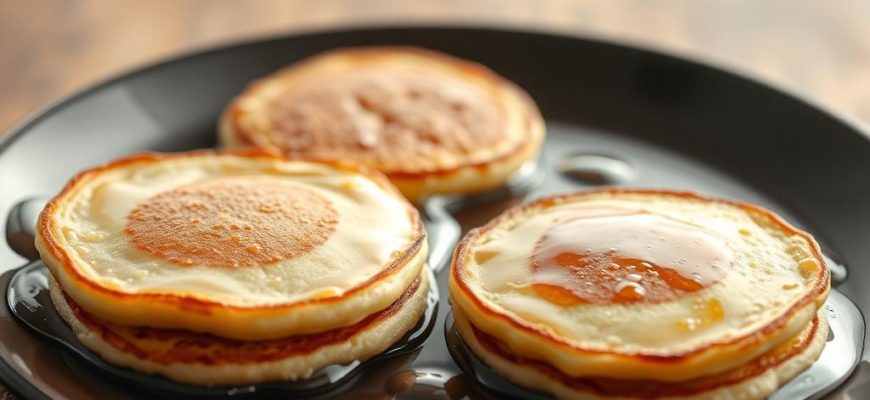
There’s something quietly thrilling about a recipe that asks for nothing fancier than flour, salt, and water. No milk to buy, no special ingredients hiding in the back of the fridge, just a handful of staples and a pan. Pancakes made with water sound plain on paper, but they open a world of texture, speed, and improvisation. Whether you’re cooking for someone with a dairy allergy, camping with a minimal kit, or just curious if a pancake can be light and flavorful without milk, you’ll find plenty here to try and tweak.
- Understanding What Pancakes Made with Water Really Are
- The History Behind Water-Based Pancakes
- Where They First Appeared and Why They Spread Everywhere
- Interesting Facts About Pancakes Made with Water
- Nutritional Value of Pancakes Made with Water
- Popularity in Different Countries and Local Variants
- The 3 Best Recipes for Cooking Pancakes Made with Water
- 1. Simple Everyday Water Pancake (Thin, Versatile)
- 2. Fluffy Water Pancakes for Breakfast
- 3. Buckwheat Water Pancakes (Robust and Gluten-Sensitive)
- What to Eat with Pancakes Made with Water
Understanding What Pancakes Made with Water Really Are
Pancakes made with water are simply batters where water replaces milk or milk products. That’s the basic definition, but the category is broad: from paper-thin crêpes to thick, fluffy breakfast stacks, and from unleavened flatbreads to fermented spongy breads. The key variables are flour type, the presence or absence of leavening (like baking powder or fermentation), eggs, fat, and the water’s temperature. Swap or add elements and you’ll shift texture and flavor dramatically. Water doesn’t mean bland—technique and small additions make the difference.
The History Behind Water-Based Pancakes
Tracing a single origin for pancakes made with water is impossible because simple flour-and-water mixtures are among the oldest cooked foods. Humans have mixed ground grains with water and cooked them on hot stones for millennia. Over time, cultures refined those mixtures into regional specialties: batter left to ferment, thin batters for pouring, or a dough rolled and pan-fried. The history isn’t a straight line but a mosaic—many cuisines developed their own water-based pancakes independently because the formula is so basic and adaptable.
Where They First Appeared and Why They Spread Everywhere
No single birthplace can claim water pancakes. Instead, think of dozens of places where grain and water met a hot surface at roughly the same time in history. Practicality drove their spread: when milk was scarce, expensive, or perishable, water was the sensible binder. Travelers, poor households, and wartime cooks all turned to water-based recipes. That explains why versions of these pancakes show up in Europe, Africa, and Asia, each adjusted to local grains and tastes.
Interesting Facts About Pancakes Made with Water
- Carbonated water or seltzer often produces lighter, airier pancakes—bubbles act like a leavening assistant.
- Boiling water can be used in some batters to gelatinize starches for a tender, pliable result—useful for crepe-like pancakes.
- Aquafaba (the water from cooked chickpeas) doubles as both water and an egg replacer, giving structure in vegan recipes.
- Fermented water-based batters—like those for dosa or injera—develop complex sour flavors and improve digestibility.
Nutritional Value of Pancakes Made with Water
Nutritional content depends mostly on flour choice and added ingredients. Replacing milk with water typically reduces calories and saturated fat, but protein and calcium will be lower unless fortified flour or other ingredients compensate.
| Type | Approx. calories (one medium pancake) | Notes |
|---|---|---|
| Basic white flour + water (no oil, no egg) | ~80–100 kcal | Lower fat, modest carbs; lacks dairy protein |
| Fluffy breakfast pancake (water, egg, oil, baking powder) | ~120–160 kcal | Higher protein and fat; more filling |
| Buckwheat or whole-grain water pancake | ~90–130 kcal | More fiber and minerals; better glycemic response |
Popularity in Different Countries and Local Variants
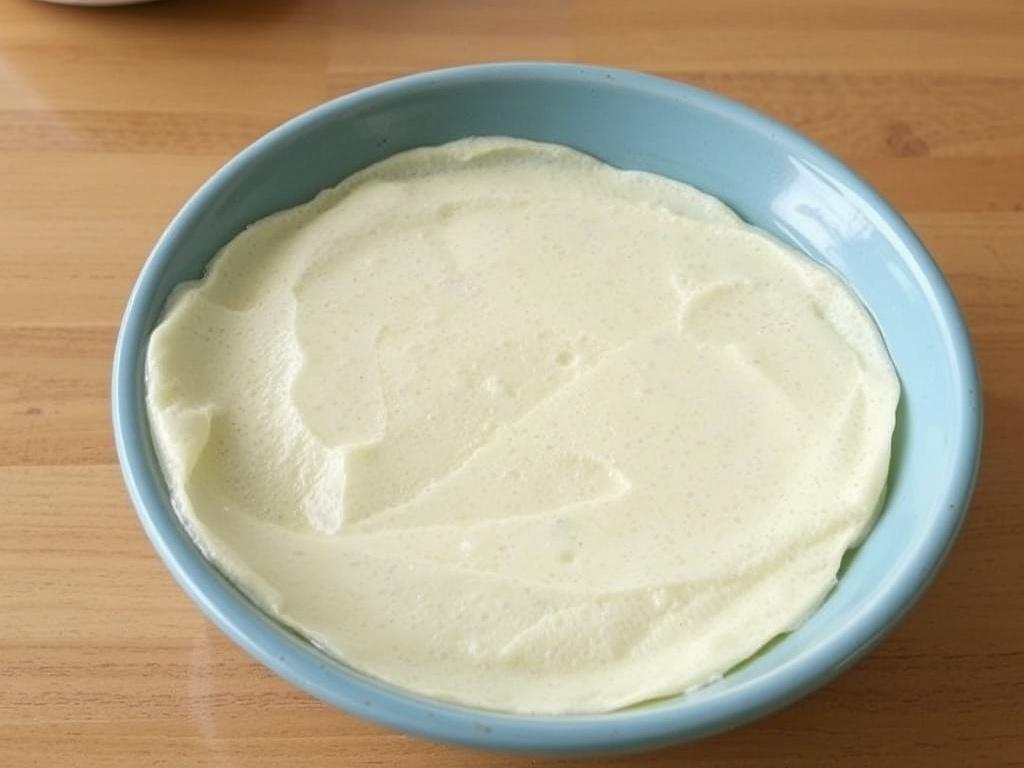
Water-based pancakes appear worldwide under many names. In France, crêpes often use water or a milk-water mix, yielding very thin pancakes. Eastern Europe has blini, sometimes made with just flour and water or fermented batter. In India, dosa is a fermented rice-and-lentil batter cooked into a crepe. Ethiopia’s injera uses teff flour and water fermented into a spongy flatbread. Chinese scallion pancakes are doughy and pan-fried, relying on water and flour. Each region adapts grain, fermentation, and cooking method to local tastes and ingredients.
The 3 Best Recipes for Cooking Pancakes Made with Water
1. Simple Everyday Water Pancake (Thin, Versatile)
Ingredients:
- 1 cup all-purpose flour
- 1 to 1 1/4 cups water
- 1/4 tsp salt
- 1 tbsp oil (plus more for cooking)
Method: Whisk flour and salt, add water gradually until a pourable batter forms, stir in oil. Rest 10 minutes. Heat a nonstick pan, lightly oil, pour 1/4 cup batter and swirl to thin. Cook until edges lift, flip, finish 30 seconds. Use for sweet or savory fillings.
2. Fluffy Water Pancakes for Breakfast
Ingredients:
- 1 cup flour
- 1 tbsp sugar
- 1 tsp baking powder
- Pinch of salt
- 1 egg (optional)
- 3/4 cup water
- 1 tbsp vegetable oil
Method: Mix dry ingredients, whisk in water, egg, and oil until smooth. Rest 10–15 minutes. Cook over medium heat, flip when bubbles form. Egg adds lift and richness but the recipe works without it.
3. Buckwheat Water Pancakes (Robust and Gluten-Sensitive)
Ingredients:
- 3/4 cup buckwheat flour
- 1/4 cup all-purpose or oat flour
- 1 cup water
- Pinch salt
- 1 tbsp oil
Method: Whisk flours and salt, add water to make batter, let rest 20 minutes. Cook like the simple pancake. Buckwheat gives a nutty flavor and good texture for both sweet and savory pairings.
What to Eat with Pancakes Made with Water
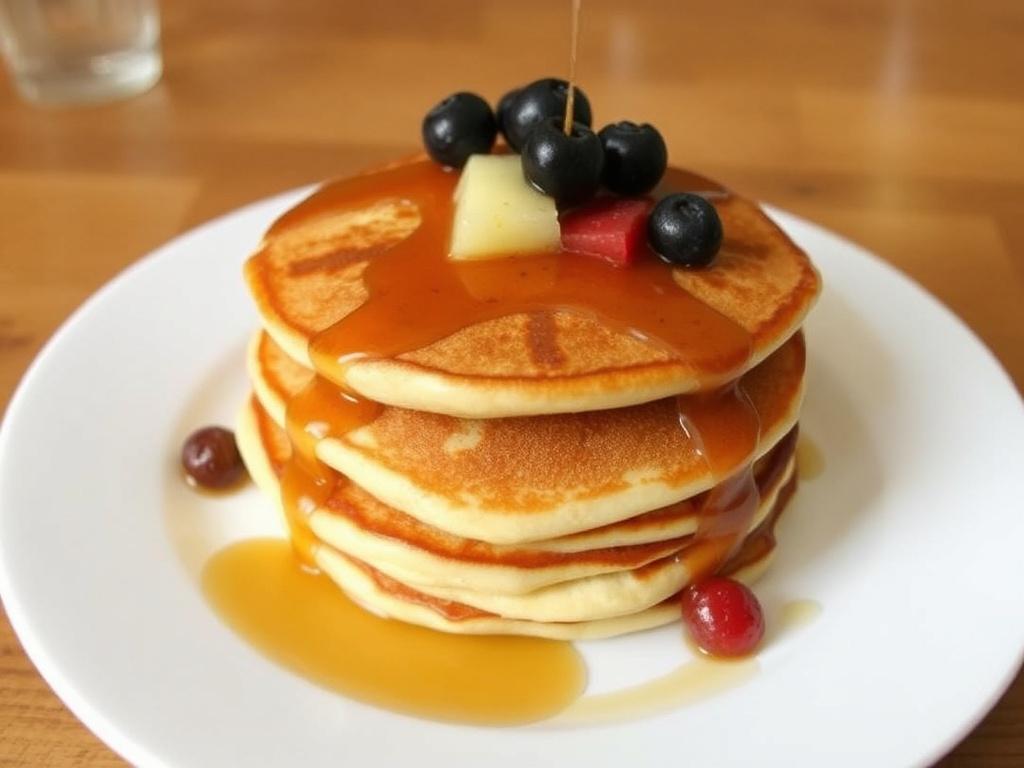
These pancakes are blank canvases. For sweet breakfasts try jam, honey, fresh fruit, or a smear of nut butter. For savory options think smoked fish and dill, sautéed mushrooms with garlic, or a quick tomato-chili chutney. Little tricks: a squeeze of lemon brightens buckwheat pancakes; a sprinkle of flaky sea salt over honey combines sweet and savory beautifully. If you want richness without dairy, brush with a little olive oil or drizzle tahini.
If you remember one thing: water-based pancakes aren’t a compromise. They’re a flexible, often lighter alternative that invites experimentation. Start with the simple batter, then play—alter the flour, try carbonated water, or fold in herbs. You’ll be surprised how far a cup of water and a pan will take you.


