

Imagine a fish that not only boasts a rich history woven into the culture of the North Pacific but also offers a unique taste and incredible nutritional benefits, all wrapped in a captivating story of migration and survival. Fish Nerka, often overshadowed by more common salmon species, has a charm and complexity that many seafood lovers and culinary explorers have yet to uncover. From their life cycles and habitats to their uses in traditional and modern cuisine, there’s so much to learn and appreciate about Fish Nerka. If you’re curious about this extraordinary fish and want to dive deep into everything—from how they’re caught and eaten to their health benefits and unique culinary qualities—then you’re in the right place. Prepare to embark on a fascinating journey that will forever change the way you think about this special salmon!
- Fish Nerka – Who They Are
- Fish Nerka – Where They Live
- Fish Nerka – How They Are Caught
- Delving Into the Varieties of Fish Nerka
- Interesting Facts That Make Fish Nerka Fascinating
- What Are the Diets Using Fish Nerka
- 5 Ways to Savor Fish Nerka
- Essential Cooking Tips for Perfect Fish Nerka
- The Nutritional Value of Fish Nerka
- Health Benefits and Potential Drawbacks of Fish Nerka
- Benefits:
- Potential Harms:
- 5 Dishes That Showcase the Best of Fish Nerka
- What to Consider When Buying Fish Nerka
- Five Little-Known Facts That Will Amaze You about Fish Nerka
Fish Nerka – Who They Are
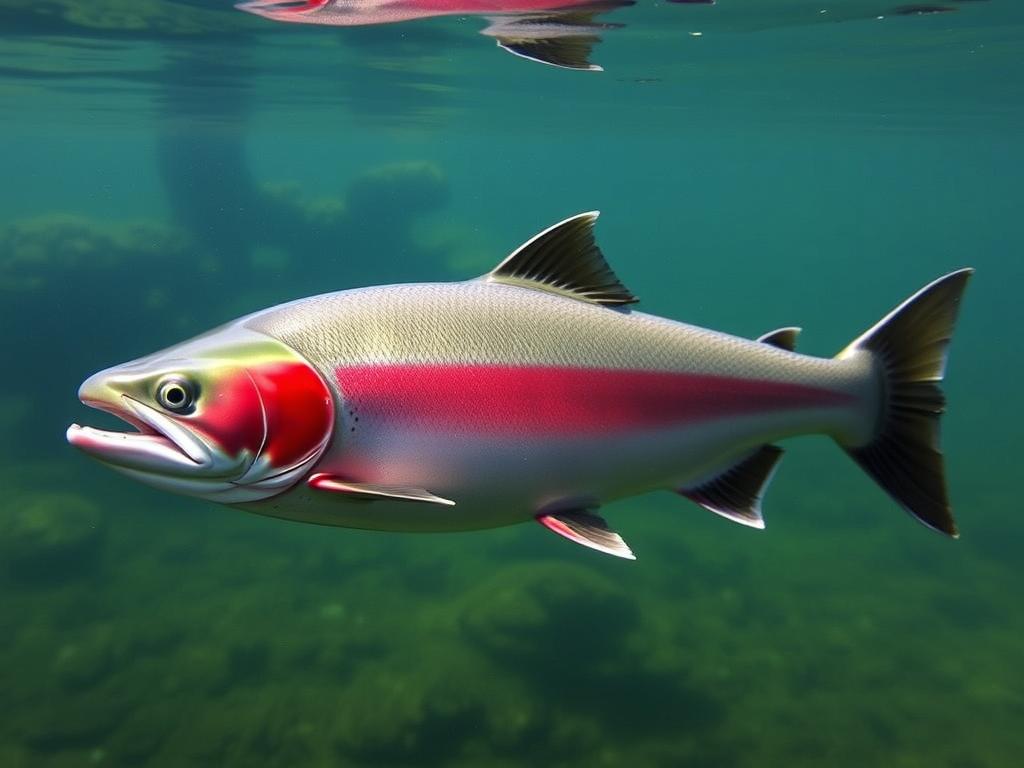
To truly appreciate Fish Nerka, we first need to understand who they are—the identity behind the name. Fish Nerka is another name for the sockeye salmon (Oncorhynchus nerka), a species prized both commercially and recreationally for its distinctive features. Unlike other salmon varieties, Fish Nerka have a striking red color during their spawning phase, which gives them their common nickname “red salmon.” This vibrant hue isn’t just for show; it plays a role in mating and survival, making the Nerka population a marvel of natural design.
These fish are anadromous, meaning they live in the ocean but return to freshwater rivers and streams to spawn. The life stages of Fish Nerka can be quite extraordinary: they hatch in freshwater, migrate to the ocean to grow, and return many miles upstream to their birthplace to reproduce and complete their life cycle. This journey, often covering hundreds of miles, is not only a testament to their strength and determination but also an essential ecological process that supports both marine and freshwater environments.
Fish Nerka are typically smaller than other types of salmon, but what they lack in size, they make up for in flavor and nutritional value. For indigenous peoples of the Pacific Northwest, Nerka has been a cornerstone of both diet and culture for thousands of years, symbolizing life, sustenance, and community.
Fish Nerka – Where They Live
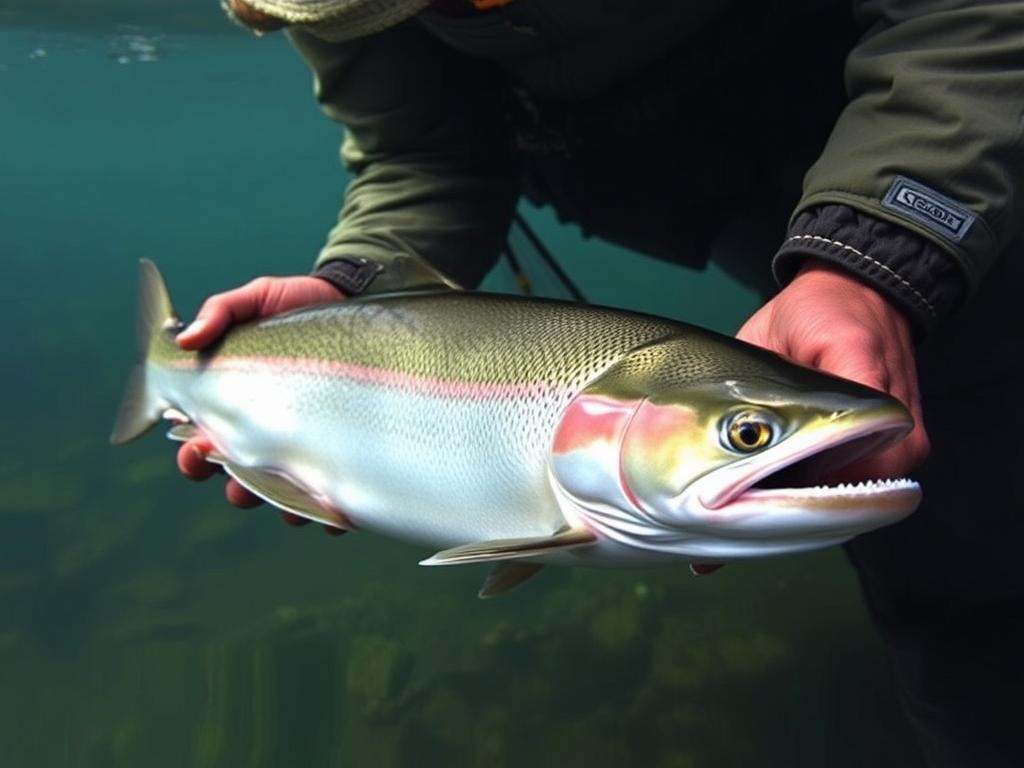
Understanding the habitats of Fish Nerka is crucial to appreciating their significance in the natural world. These salmon have a distinct geographic distribution primarily in the North Pacific Ocean and adjacent river systems. They are found in places such as Alaska, British Columbia, and the Russian Far East. The cold, nutrient-rich waters of these regions provide ideal conditions for the growth and survival of Nerka populations.
Freshwater spawning sites are often located in rivers, lakes, and streams with clean, oxygenated water and gravel bottoms suitable for egg laying. One of the most famous habitats is the lakes of Alaska, especially Lake Iliamna and Lake Clark. These lakes serve as vital nursery grounds where juvenile Nerka spend their first year of life before migrating to the ocean.
Oceanic life for Fish Nerka also takes place in some of the richest feeding grounds on Earth. In the open sea, they swim great distances, feeding on a diet of plankton, small fish, and crustaceans, which helps them build reserves for their arduous spawning journey.
This migration between freshwater and saltwater represents a finely tuned adaptation to environmental conditions, emphasizing the delicate balance of ecosystems that support Fish Nerka populations. With climate change affecting these habitats, the Nerka’s future depends on conservation efforts to protect waterways and maintain the health of their oceanic feeding areas.
Fish Nerka – How They Are Caught
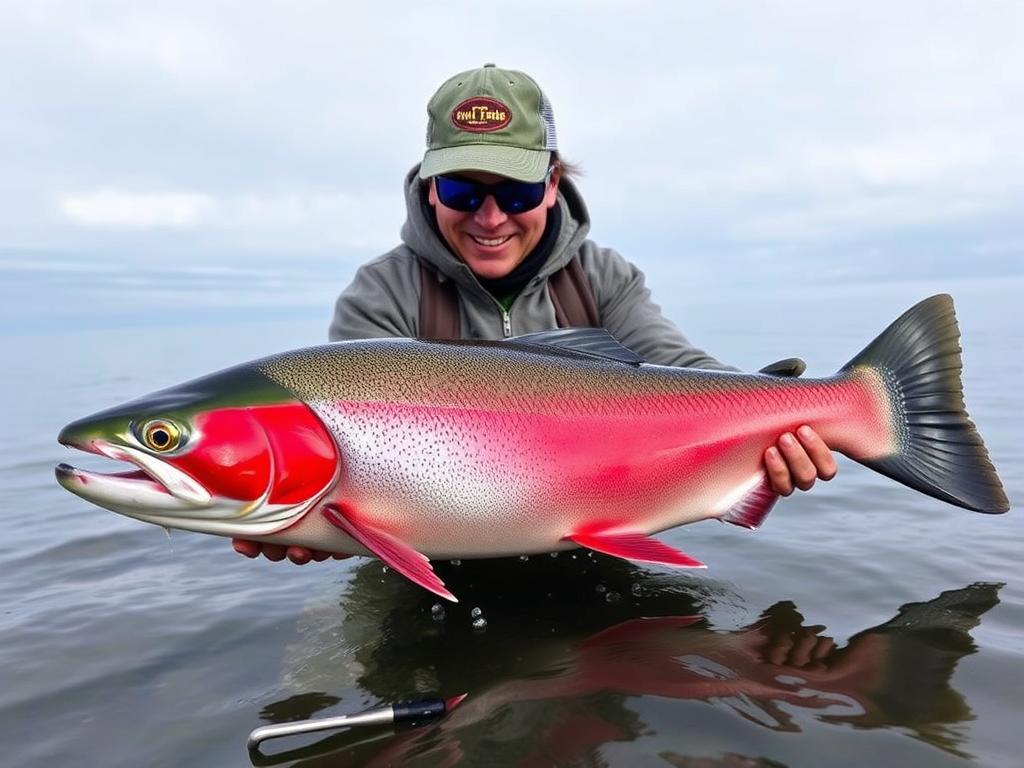
Fishing Fish Nerka is both an art and a science, shaped by tradition, regulations, and modern techniques. Commercially, most Nerka are caught using gillnets, seines, and occasionally troll fishing—methods designed to sustainably harvest these sensitive fish without causing irreparable harm to the population.
Gillnets work by catching fish by their gills as they swim into the net, a method effective for large numbers during the spawning migrations. Seines are large nets that encircle schools of fish and are drawn closed like a purse to capture them. Both require skillful handling to minimize bycatch and avoid damaging the fish’s delicate flesh.
Recreational fishermen often rely on fly fishing and trolling, especially during the spawning season when Nerka are more accessible in rivers. These sport fishing techniques respect natural cycles and focus on selective harvesting.
Indigenous communities have traditional fishing methods for Nerka, including the use of fish weirs and dip nets. These methods not only provide food but also embody cultural practices passed down through generations, emphasizing respect for the fish and their environment.
Sustainable fisheries management is essential when catching Fish Nerka, with strict regulations on catch limits and seasons designed to protect the fish during breeding times and preserve their populations for future generations. Certified sustainable seafood programs also help consumers make informed choices when buying Fish Nerka.
Delving Into the Varieties of Fish Nerka
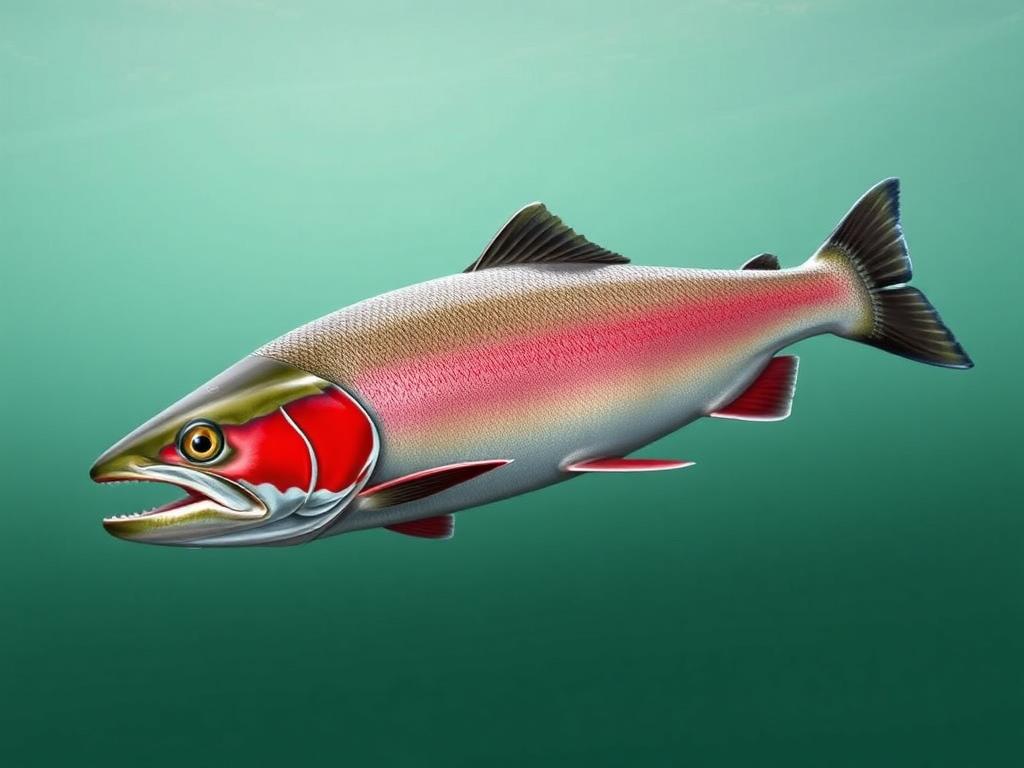
While Fish Nerka primarily refers to sockeye salmon, this species itself shows fascinating variations that reflect their adaptability and the unique environments they inhabit. Different populations of Nerka display variations in size, coloration, and spawning timing, which are often adaptations to specific geographic areas and water conditions.
Some notable types within the Fish Nerka species include:
- Lake-type Nerka: These fish leave their natal lakes to spend years in the ocean before returning to the same lakes for spawning. They are recognizable by their strong homing instinct and the often short river route they follow back.
- Stream-type Nerka: These spend less time in freshwater before heading to the sea. They rely more heavily on streams and smaller tributaries for spawning, showing a different migration strategy.
- Riverine Nerka: Found in some parts of the Russian Far East, these populations adapt to river environments and can show distinct behavioral traits aligned to the geography and climate.
Each type carries subtle but important differences that affect everything from their lifecycle to their preferred feeding habits and even the texture and taste of their meat. This diversity within Fish Nerka enriches the species and underscores the importance of maintaining healthy, varied environments for their survival.
Interesting Facts That Make Fish Nerka Fascinating
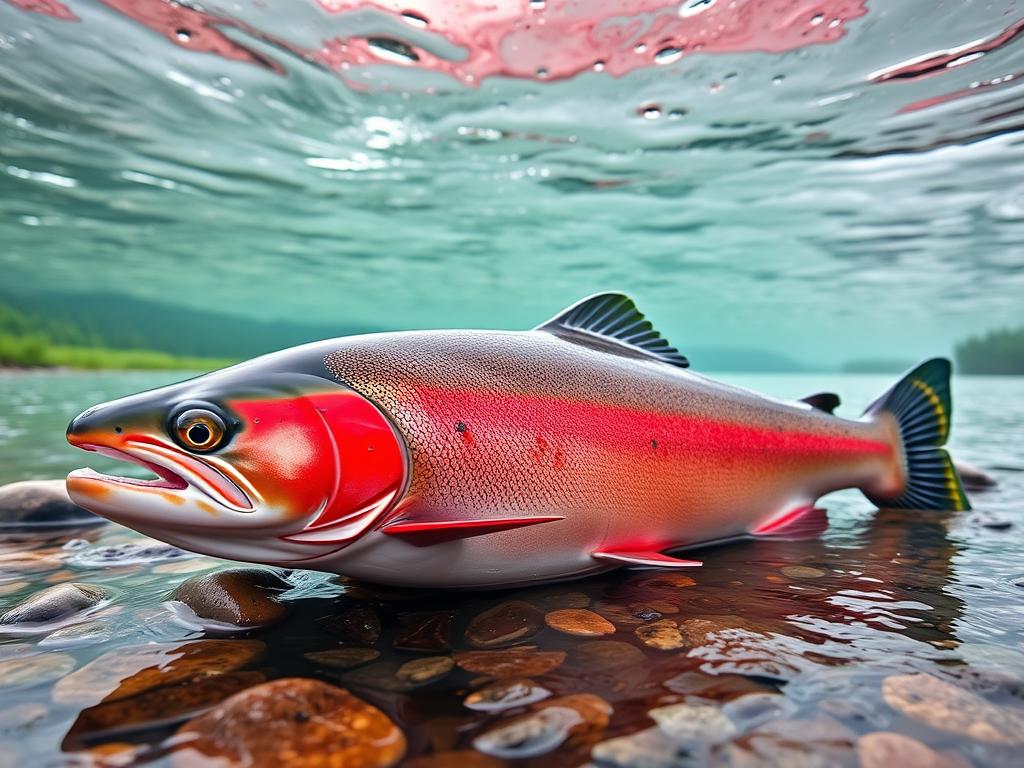
Fish Nerka aren’t just another salmon on your plate—they have some quirks and qualities that make them particularly intriguing. Here are a few interesting facts that highlight why:
- Remarkable Color Change: Fish Nerka undergo dramatic changes in appearance during spawning, turning a brilliant red body with a greenish head, making them visually unique among Pacific salmon.
- Long-Distance Travelers: Some Nerka migrate hundreds of miles upstream to spawn in the very rivers where they hatched, a feat of endurance few species achieve.
- Ecological Importance: Their spawning migration helps provide nutrients to freshwater ecosystems, supporting plants, animals, and even trees through the transfer of ocean minerals inland.
- Cultural Significance: Indigenous communities have relied on Fish Nerka for food, tools, and spiritual symbolism for thousands of years.
- Short Lifespan: Unlike some fish that live for many years, most Fish Nerka live only 4 to 5 years, making their annual spawning runs critical for the survival of the species.
These fascinating traits have made Fish Nerka a subject of admiration and study, highlighting their role not just as food, but as an ecological linchpin and cultural icon.
What Are the Diets Using Fish Nerka
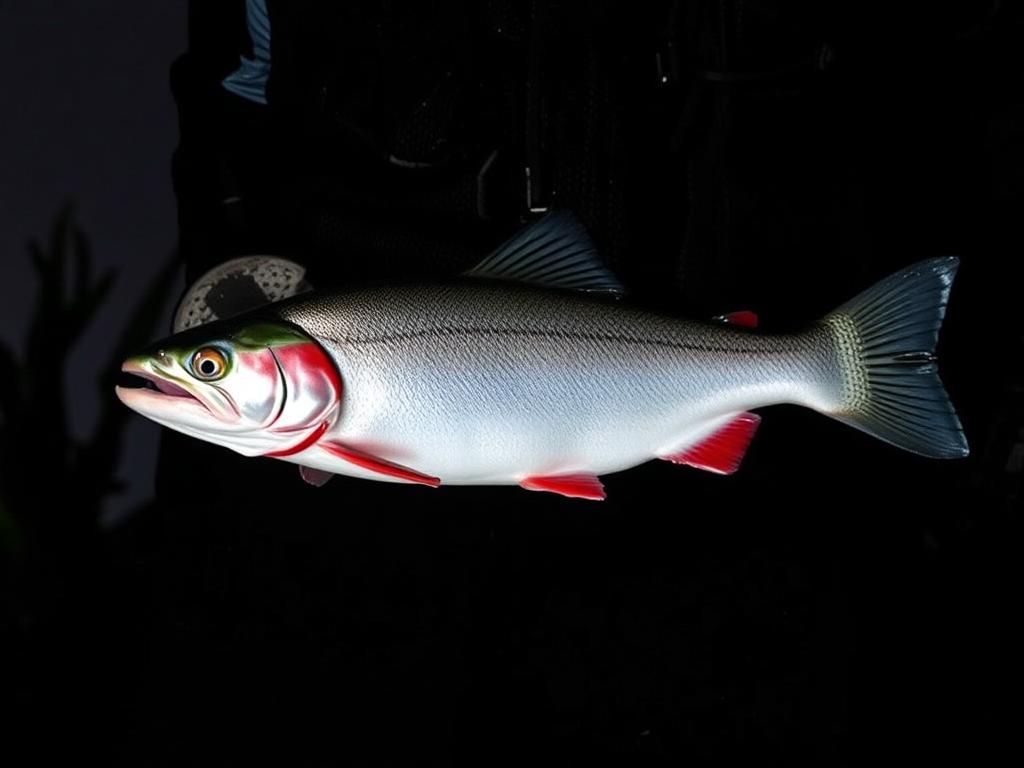
Fish Nerka is not only a flavorful fish but also a key ingredient influencing various diets around the world. Its high omega-3 content, rich protein, and unique taste have found their way into traditional diets and modern nutrition plans alike.
Many indigenous diets featured Fish Nerka prominently as a staple food source, providing essential nutrients during long winters. In modern cuisine, Fish Nerka fits perfectly into diets focused on lean protein and healthy fats, such as the Mediterranean diet, the Paleo diet, and many low-carb or ketogenic meal plans.
Here’s how Fish Nerka fits various dietary preferences:
| Diet Type | Role of Fish Nerka | Benefits |
|---|---|---|
| Traditional Indigenous Diets | Staple protein source during fishing season | Rich in vitamins and a source of energy in harsh climates |
| Mediterranean Diet | Preferred seafood for omega-3 supplementation | Supports heart health and reduces inflammation |
| Paleo Diet | Lean protein choice, unprocessed and natural | Helps maintain muscle mass and overall wellness |
| Keto/Low-Carb | High-fat fish suitable for low carbohydrate intake | Promotes satiety and supports weight management |
Because of its adaptability and flavor, Fish Nerka continues to be embraced by health-conscious eaters and chefs alike.
5 Ways to Savor Fish Nerka
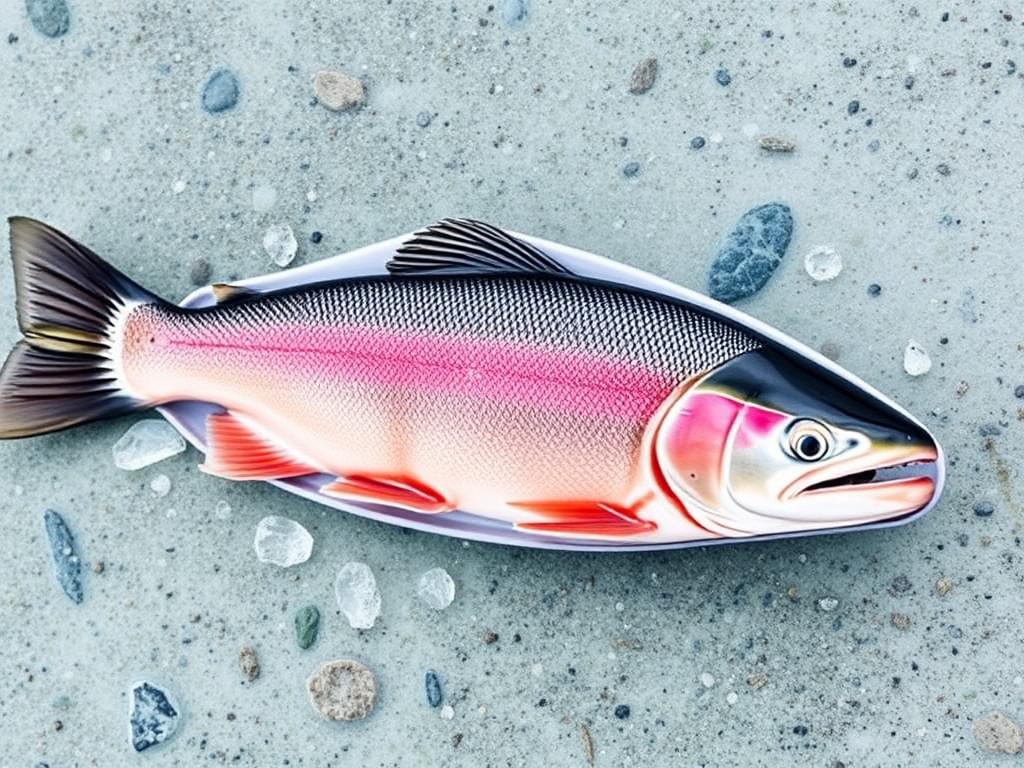
If you’ve never tried Fish Nerka before, you’re in for a treat. Its firm texture and distinctive flavor lend themselves to a variety of cooking styles. Whether you love your fish raw, grilled, or smoked, Fish Nerka can shine in many forms. Here are five popular ways to enjoy it:
- Grilled Fillets: A simple approach that highlights the natural flavor. Light seasoning with lemon, herbs, and garlic, then grilled to perfection, yields a juicy, tender dish.
- Smoked Nerka: Smoking is a traditional method that preserves the fish and intensifies its flavor. Smoked Nerka can be enjoyed alone, in canapés, or as part of salads.
- Sashimi or Sushi: Thanks to its firm texture, Fish Nerka is excellent when sliced thin for sashimi or rolled into sushi, offering a fresh, rich taste.
- Baked with Herbs: Baking Fish Nerka with dill, lemon slices, and a drizzle of olive oil keeps it moist and flavorful without overpowering the fish.
- Fish Cakes or Patties: Minced Fish Nerka combined with herbs and breadcrumbs makes for delicious, nutrient-packed fish cakes perfect for a quick meal.
Each method respects the integrity of Fish Nerka while giving you versatility in the kitchen—making it accessible for beginners and seasoned cooks alike.
Essential Cooking Tips for Perfect Fish Nerka
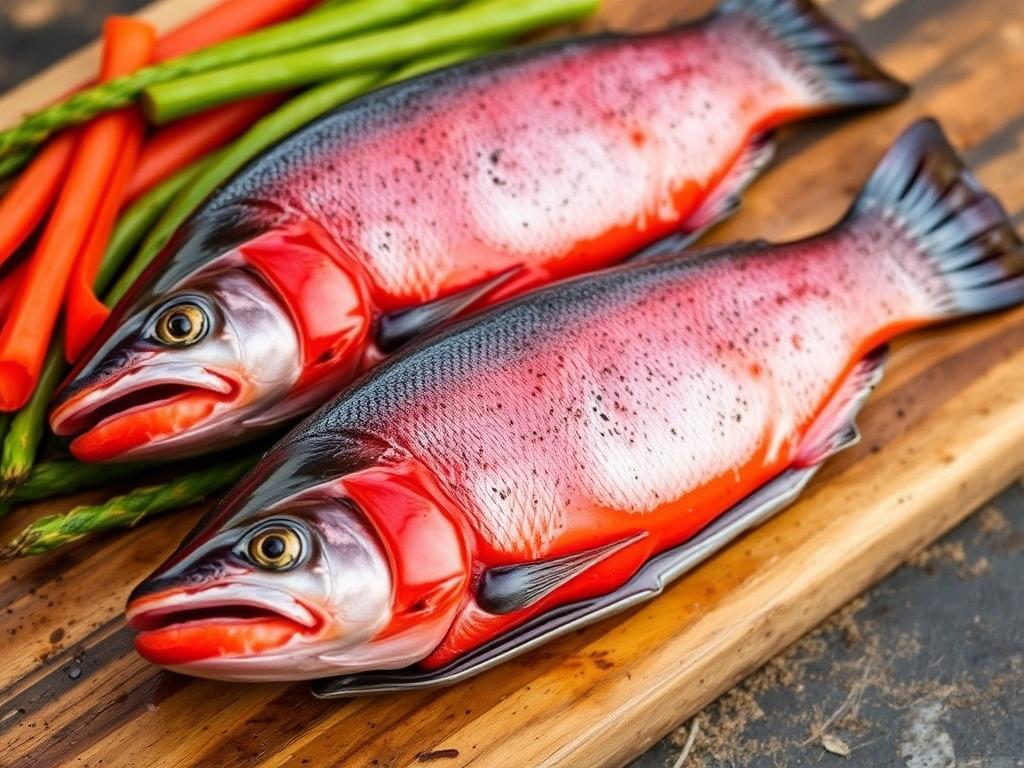
Cooking Fish Nerka is an adventure, but a few simple tips can elevate your dishes and make every bite memorable. Here are some guidelines to keep in mind:
- Don’t overcook it: Fish Nerka is best enjoyed moist and tender. Overcooking can dry out its flesh, so aim for just cooked through.
- Use gentle seasoning: The fish’s natural flavor is distinct enough to stand on its own; simple herbs, citrus, and a bit of salt and pepper usually suffice.
- Opt for fresh or properly thawed fish: Freshness is key to taste; if frozen, thaw slowly in the fridge to preserve texture.
- Consider skin-on cooking: The skin helps protect the flesh and adds flavor when crisped.
- Pair wisely: Earthy vegetables like asparagus or beets, along with light starches like rice or quinoa, complement Fish Nerka well.
By following these tips, you’ll enhance the natural qualities of Fish Nerka and impress anyone lucky enough to share your meal.
The Nutritional Value of Fish Nerka
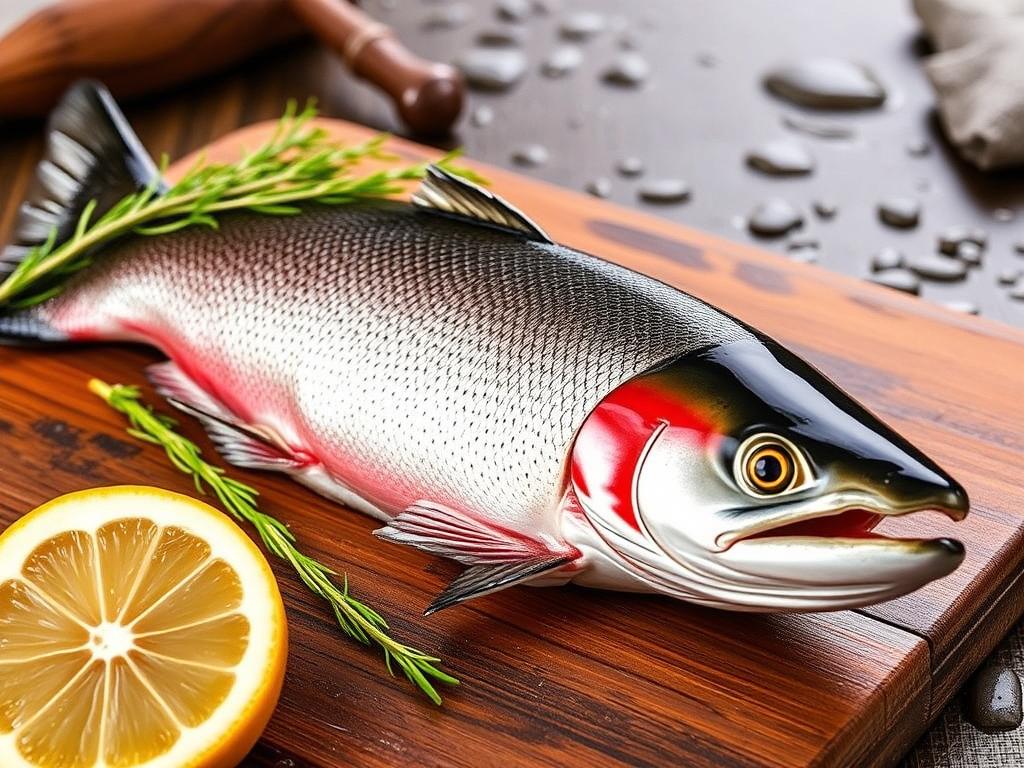
One of the strongest reasons to include Fish Nerka in your diet is its exceptional nutritional profile. Packed with essential nutrients, this salmon variety supports overall health while satisfying taste buds.
Here’s a breakdown of what Fish Nerka offers per 100 grams of cooked fish:
| Nutrient | Amount | Health Benefit |
|---|---|---|
| Protein | 25 grams | Supports muscle repair and growth |
| Omega-3 Fatty Acids | 2 grams | Reduces inflammation, improves heart health |
| Vitamin D | 600 IU (15 μg) | Strengthens bones and immune function |
| Vitamin B12 | 3 μg | Essential for energy production and nerve health |
| Iron | 0.7 mg | Prevents anemia and supports oxygen transport |
This nutrient-dense profile explains why Fish Nerka has long been a dietary mainstay and why nutritionists often recommend it as part of a balanced eating plan.
Health Benefits and Potential Drawbacks of Fish Nerka
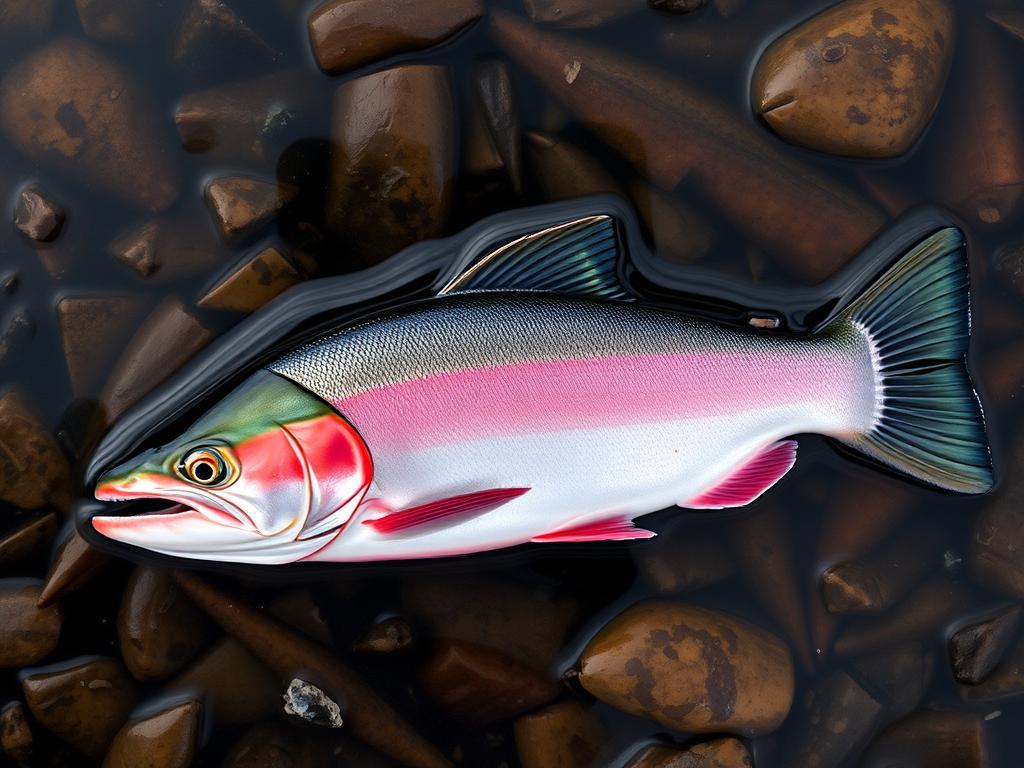
Eating Fish Nerka comes with numerous health advantages, but like all foods, there are considerations to keep in mind. Here’s a balanced look at both sides:
Benefits:
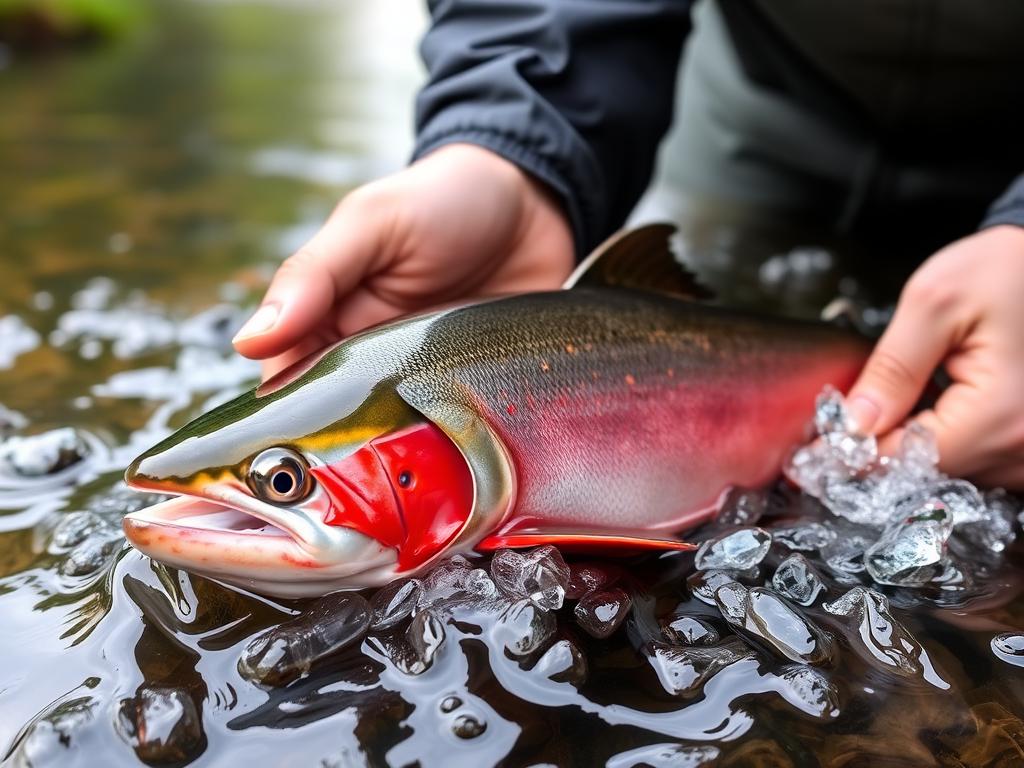
- Heart Health: The high omega-3 fatty acid content supports cardiovascular health, helping reduce the risk of heart disease.
- Brain Function: Nutrients like DHA and EPA found in Fish Nerka promote cognitive function and may lower the risk of neurodegenerative diseases.
- Immune Support: Vitamins D and B12 boost immune response and overall vitality.
- Anti-inflammatory Properties: Regular consumption helps reduce systemic inflammation, potentially alleviating chronic conditions like arthritis.
- Weight Management: High protein content promotes satiety, making it easier to control appetite.
Potential Harms:
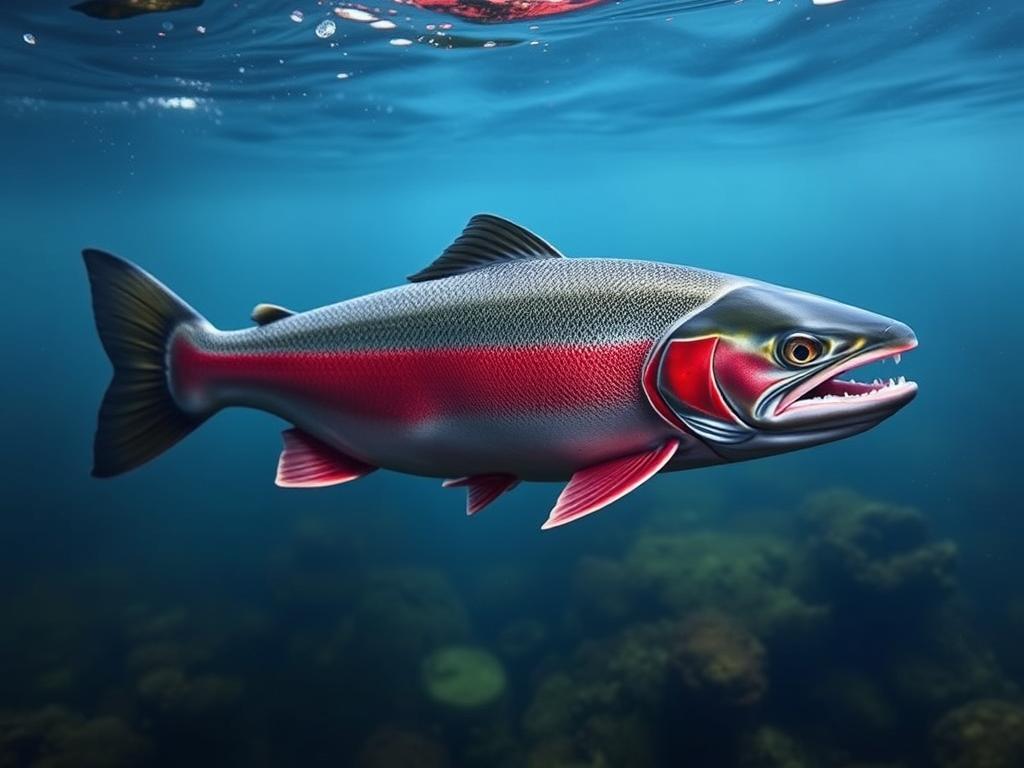
- Mercury and Contaminants: Like other wild fish, Fish Nerka can contain trace amounts of mercury or pollutants, though typically lower compared to larger predator fish. Moderation and source selection are important.
- Allergic Reactions: Some individuals may have fish allergies affecting their ability to consume Nerka safely.
- Environmental Impact: Unsustainable fishing practices may harm wild populations and ecosystems if not properly managed.
On balance, Fish Nerka is a highly beneficial food choice when sourced responsibly and eaten as part of a diverse diet.
5 Dishes That Showcase the Best of Fish Nerka
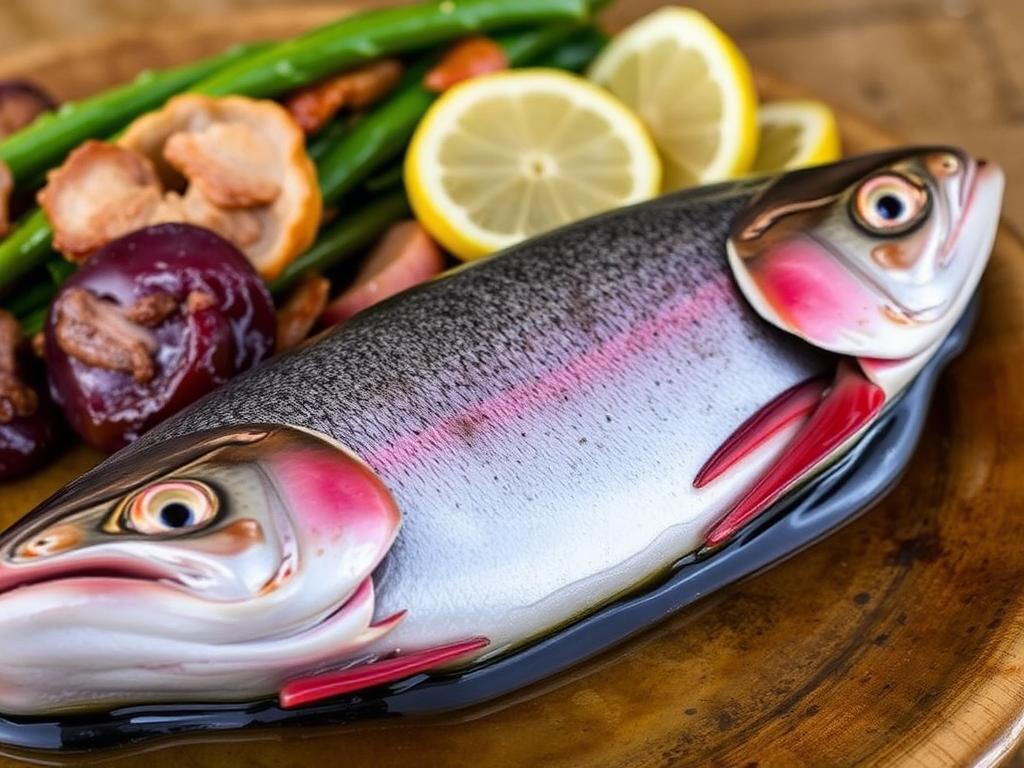
Ready to put your Fish Nerka knowledge into tasty practice? Here are five standout dishes that highlight the unique flavor and versatility of this salmon:
- Classic Grilled Fish Nerka with Lemon and Dill: Simple, fresh, and bright, this recipe is perfect for summer barbecues.
- Smoked Fish Nerka Salad: Combine smoked Nerka with arugula, capers, red onion, and a lemon vinaigrette for a refined yet easy dish.
- Nerka Sushi Roll: Fresh slices of Nerka wrapped in sushi rice and nori with avocado and cucumber bring luxury to the table.
- Baked Nerka en Papillote: Cooking fish in parchment paper with herbs, white wine, and vegetables locks in moisture and flavor.
- Fish Nerka Cakes with Tartar Sauce: These crispy cakes make great appetizers or main dishes, especially when paired with fresh greens.
Each dish not only makes the most of Fish Nerka’s natural goodness but also opens up culinary avenues for creativity at home or in the restaurant.
What to Consider When Buying Fish Nerka
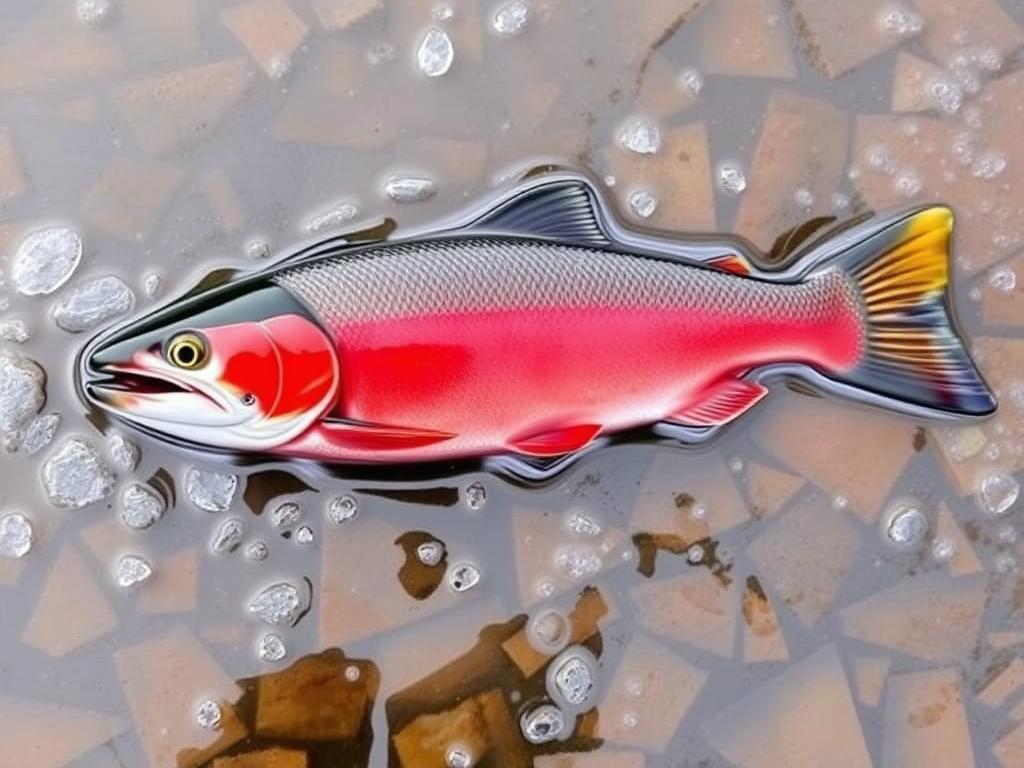
Whether you’re at a fish market or supermarket, choosing the best Fish Nerka requires a bit of know-how. Here’s what you need to look for:
- Freshness: Look for bright, moist flesh with a fresh sea aroma, not a fishy or sour smell.
- Color: Healthy Fish Nerka have vibrant red flesh, which usually indicates freshness and good quality.
- Source: Opt for wild-caught Nerka from reputable fisheries with sustainability certifications when possible.
- Packaging: If buying frozen, the package should be intact with no signs of freezer burn or excessive ice crystals.
- Fillets vs. Whole Fish: Fillets are more convenient but buying whole Fish Nerka can be a better value and allow for full use of the fish.
Educating yourself on these factors ensures you get the best to enjoy the full benefits and flavors of this unique salmon.
Five Little-Known Facts That Will Amaze You about Fish Nerka
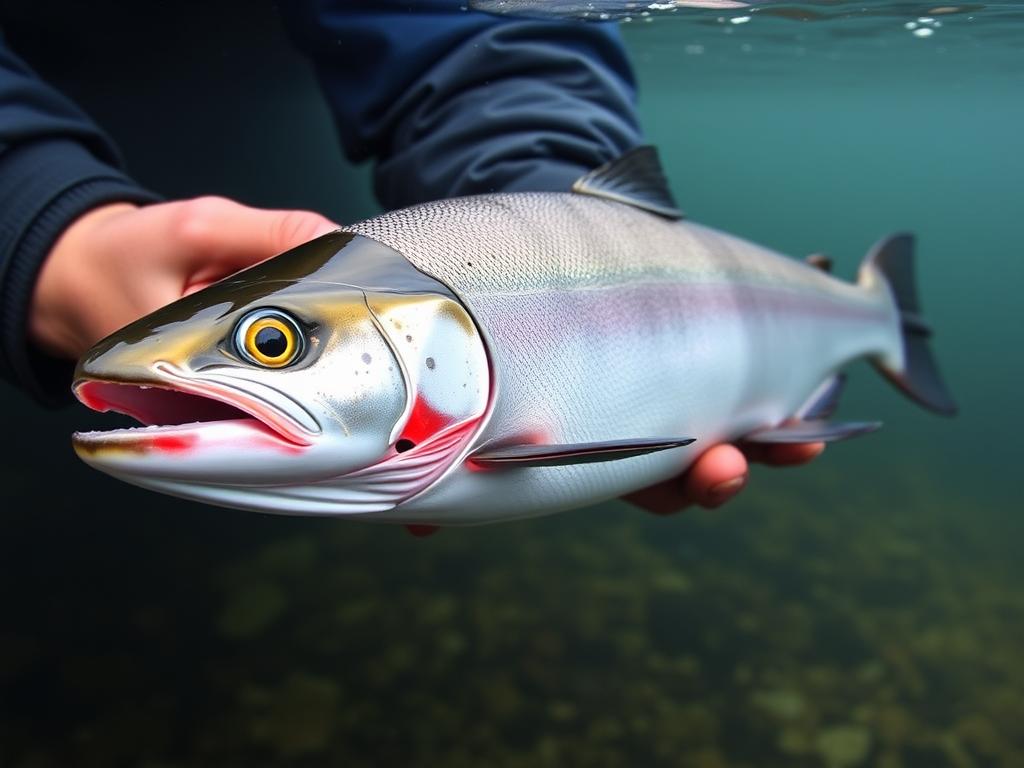
Just when you think you’ve learned all about Fish Nerka, here are five surprising tidbits that will deepen your appreciation:
- Fish Nerka’s red color comes not just from genetics but also from their diet of crustaceans and plankton rich in carotenoids.
- During spawning, Fish Nerka do not eat at all, relying on stored energy built up over years in the ocean.
- Some Fish Nerka spawn in remote glacial streams where few other salmon species can survive.
- They play a crucial role in supporting bear populations, who feast on anchoring Fish Nerka runs in remote wilderness.
- Fish Nerka eggs are highly nutritious and are a delicacy in some indigenous cuisines.
These facts remind us that Fish Nerka are not just food, but a vital part of nature’s intricate web.
—
By the end of this expansive dive into Fish Nerka—covering who they are, where they live, how they are caught, and everything about their culinary, nutritional, and cultural significance—you should feel empowered to explore this remarkable species. Whether for health, flavor, or curiosity, Fish Nerka offers an exceptional experience that’s worth celebrating and protecting. So next time you see it at the market or menu, you’ll know exactly why it’s special and how best to enjoy it.


