

When you think about food that instantly sparks curiosity and awakens your taste buds, Tom Yum Soup deserves a front-row seat. Imagine a bowl filled with a vibrant mix of sour, spicy, and fragrant notes – that’s Tom Yum, a Thai classic beloved by many. But what makes this soup truly stand out beyond its mouthwatering aroma? Its history, complex flavor profile, and cultural significance weave a story that’s just as rich as the broth itself. If you’ve ever wondered what exactly Tom Yum Soup is, where it originated from, or how you can bring this delight into your kitchen, stick around. There’s much more to explore than just a bowl of soup, and by the time you finish reading, you might just be craving your own homemade Tom Yum experience.
- Discovering What Tom Yum Soup Really Is
- A Glimpse into the History of Tom Yum Soup
- Where It First Appeared on the Food Map
- Fun and Unexpected Facts About Tom Yum Soup
- The Nutritional Value Behind the Flavor
- Tracing the Popularity of Tom Yum Soup Around the World
- Three Must-Try Recipes to Master Tom Yum Soup at Home
- What Dishes Pair Well with Tom Yum Soup
Discovering What Tom Yum Soup Really Is

At its core, Tom Yum Soup is a Thai hot and sour soup that balances a lively blend of ingredients like lemongrass, kaffir lime leaves, galangal, lime juice, fish sauce, and crushed chili peppers. Typically, it features shrimp — known as Tom Yum Goong — though there are versions with chicken or mixed seafood. The bedrock of this dish lies in the harmony of contrasting tastes: the sharpness of lime, the heat from chilies, the herbaceous zing of lemongrass, all lifted by the umami depth from fish sauce.
Unlike many soups that rely primarily on richness, Tom Yum is an orchestra of fresh herbs and spices playing in a light, clear broth. Its bright, invigorating flavor has made it a stand-out comfort food in Thai cuisine and beyond.
A Glimpse into the History of Tom Yum Soup
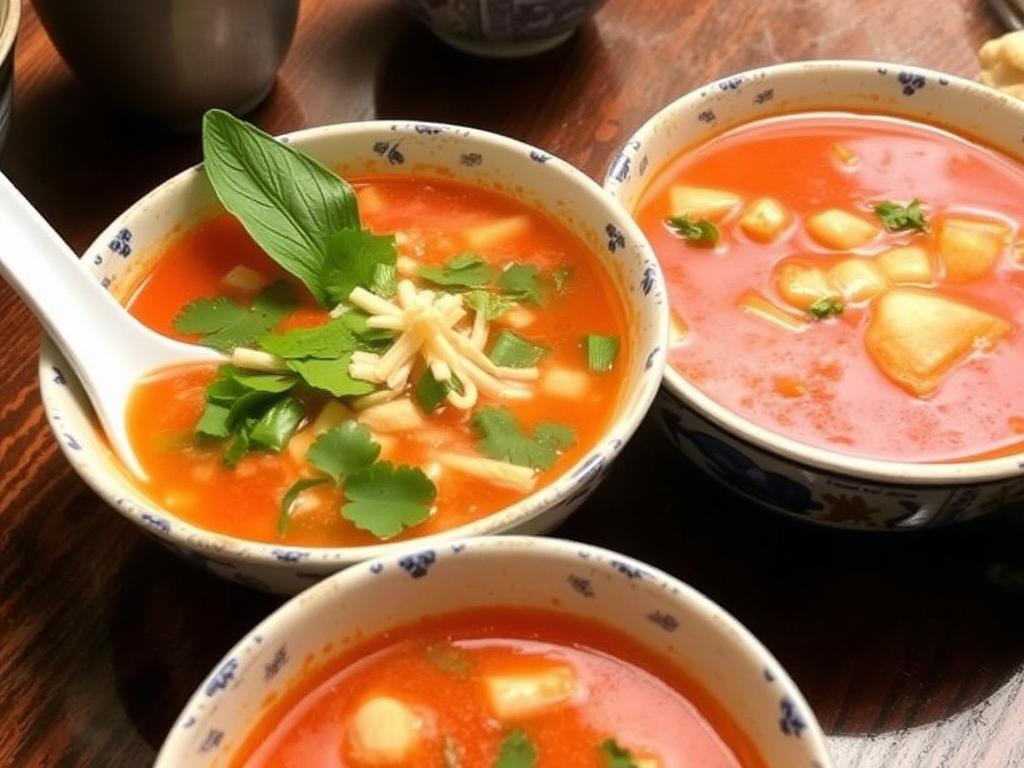
The story of Tom Yum Soup is as intriguing as its taste. Rooted in central Thailand, its origins date back hundreds of years. Local fishermen and villagers would gather fresh herbs and seafood to concoct a quick, tasty meal that was both nourishing and satisfying after long days by the water. The use of lemongrass and galangal, native to Southeast Asia, points directly to its regional roots.
Over time, the recipe evolved, influenced by cultural exchanges and the availability of ingredients. What began as a humble fisherman’s staple has now cemented itself as a national treasure in Thailand’s culinary landscape.
Where It First Appeared on the Food Map
Tom Yum Soup hails specifically from the central plains of Thailand. Its popularity soon spread to Bangkok, where the soup began gracing street stalls and markets, becoming a favorite quick meal for locals. From there, culinary travelers and expatriates helped carry Tom Yum’s fame worldwide.
It’s fascinating to see how regional dishes like this one manage to capture the essence of a country’s climate, environment, and food culture, offering a taste that is distinctly “Thai” no matter where you have it.
Fun and Unexpected Facts About Tom Yum Soup
– The name “Tom Yum” breaks down into two elements: “Tom,” meaning to boil, and “Yum,” meaning a kind of spicy and sour salad. Together, they describe the soup’s preparation and flavor profile.
– Different varieties exist that cater to seasonal ingredients or regional adaptations, including Tom Yum Nam Khon, a creamier, richer version made with coconut milk or evaporated milk.
– It’s not just food — in traditional Thai medicine, the ingredients in Tom Yum Soup are believed to have health benefits, from anti-inflammatory properties to aiding digestion.
– In some places abroad, you might find unexpected twists on Tom Yum Soup incorporating non-traditional ingredients like chicken or even tofu to suit local tastes.
The Nutritional Value Behind the Flavor
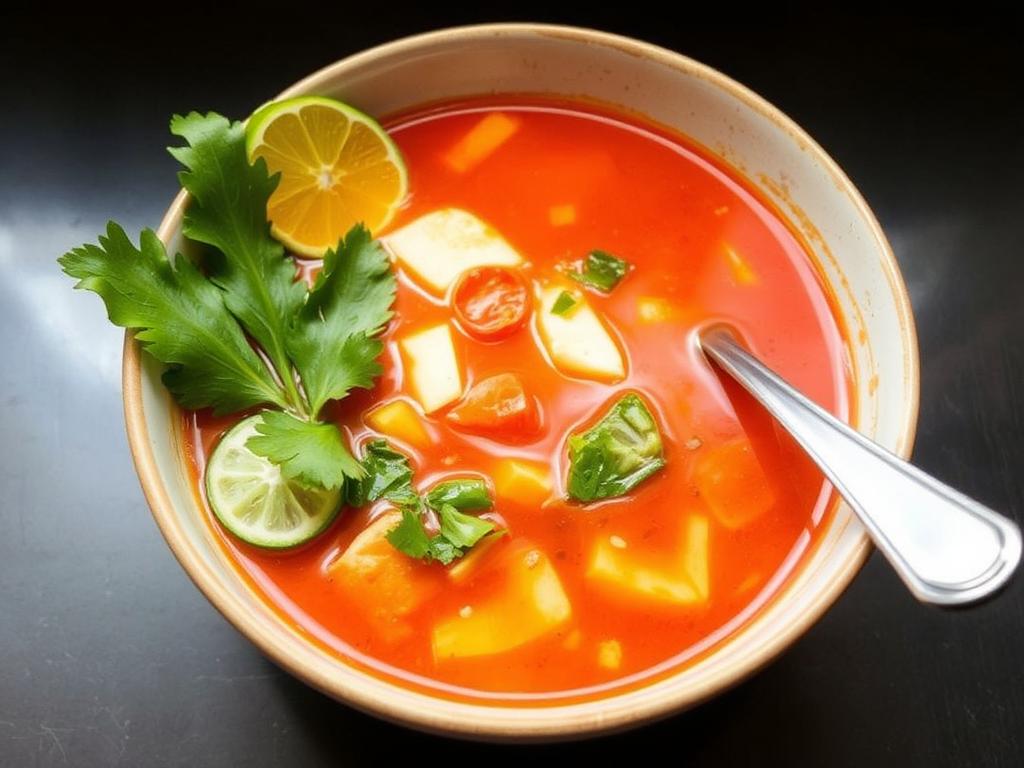
If you’re wondering whether a spicy, flavorful soup like Tom Yum can be healthy, the answer is yes, with a few caveats. Here’s a breakdown:
| Component | Benefit | Typical Sources in Tom Yum |
|---|---|---|
| Protein | Muscle repair and energy | Shrimp, chicken, or seafood |
| Vitamin C | Boosts immune system | Lime juice, lemongrass |
| Antioxidants | Reduces inflammation | Galangal, kaffir lime leaves, chili |
| Low Calories | Supports weight management | Broth-based with minimal fat |
That light broth and reliance on fresh herbs make Tom Yum Soup a good choice if you want something satisfying without feeling heavy.
Tracing the Popularity of Tom Yum Soup Around the World
It’s no surprise that Tom Yum Soup has made its way into international kitchens. Its bold flavors have captivated food enthusiasts well beyond Thailand’s borders. From Asian fusion restaurants in New York to street food festivals in London, this soup often headlines menus.
Countries with strong Thai communities have embraced Tom Yum for casual dining, while high-end eateries experiment with modern twists. The global fascination with spicy and sour flavors also fuels its popularity, tapping into a growing craving for more dynamic taste experiences.
Three Must-Try Recipes to Master Tom Yum Soup at Home
Learning to make Tom Yum Soup might seem intimidating because of all those fresh herbs and spices, but it’s actually quite accessible. Here are three versions to get started:
- Classic Tom Yum Goong: Shrimp-based soup with the traditional balance of sour and spicy.
- Tom Yum Gai: A lighter chicken variant, perfect if you prefer milder seafood alternatives.
- Vegetarian Tom Yum: Using mushrooms and tofu, this plant-based option keeps the soup’s signature flavors intact.
With a bit of preparation, you can whisk together the herbal broth and customize heat levels to suit your palate.
What Dishes Pair Well with Tom Yum Soup
Tom Yum Soup on its own is satisfying, but pairing it thoughtfully turns a meal into an experience. Common complements include:
- Jasmine Rice: Its mild flavor helps mellow out the spiciness and soak up the broth.
- Pad Thai: The sweeter noodles contrast the sourness of Tom Yum, making each bite exciting.
- Thai Spring Rolls: Crisp and light, they add texture without overpowering the soup.
- Fresh Herbs and Lime Wedges: Adding a squeeze of fresh lime or sprigs of cilantro can brighten the meal even more.
Pairing thoughtfully lets you explore Thailand’s culinary landscape in every bite.
If you’ve ever experienced Tom Yum Soup, chances are the vibrant flavors linger in your memory long after the meal is over. And if you haven’t, perhaps now is the perfect time to dive in and discover a soup that’s so much more than just a dish — it’s a story of culture, tradition, and savoring life one spicy spoonful at a time.


