

Imagine a fish that’s not only delicious but also packed with nutrition, versatile in the kitchen, and full of fascinating characteristics waiting to be uncovered. Mackerel is exactly that – a captivating sea creature that has captured the attention of seafood lovers and nutrition enthusiasts all over the world. If you’ve ever wondered what makes mackerel so special, how to enjoy it best, or why it’s considered such a valuable catch, you’re in the right place. This deep dive into the world of mackerel will take you from understanding who they are and where they live, to uncovering the best ways to cook and savor them. Ready to become a mackerel aficionado? Let’s dive in and explore everything you need to know about this ocean treasure.
- Mackerel – Who They Are
- Physical Characteristics and Behavior
- Mackerel – Where They Live
- Migration Patterns and Environmental Preferences
- Mackerel – How They Are Caught
- Common Fishing Techniques
- Types of Mackerel
- Interesting Facts About Mackerel
- What Are the Diets Using Mackerel
- Mackerel in Human Diets
- Mackerel in Animal Diets
- 5 Ways to Eat Mackerel
- Cooking Tips About Mackerel
- Nutritional Value of Mackerel
- Benefits and Harms of Mackerel
- Health Benefits
- Potential Harms
- 5 Best Dishes From Mackerel
- What to Look For When Buying Mackerel
- 5 More Interesting Facts About Mackerel
Mackerel – Who They Are
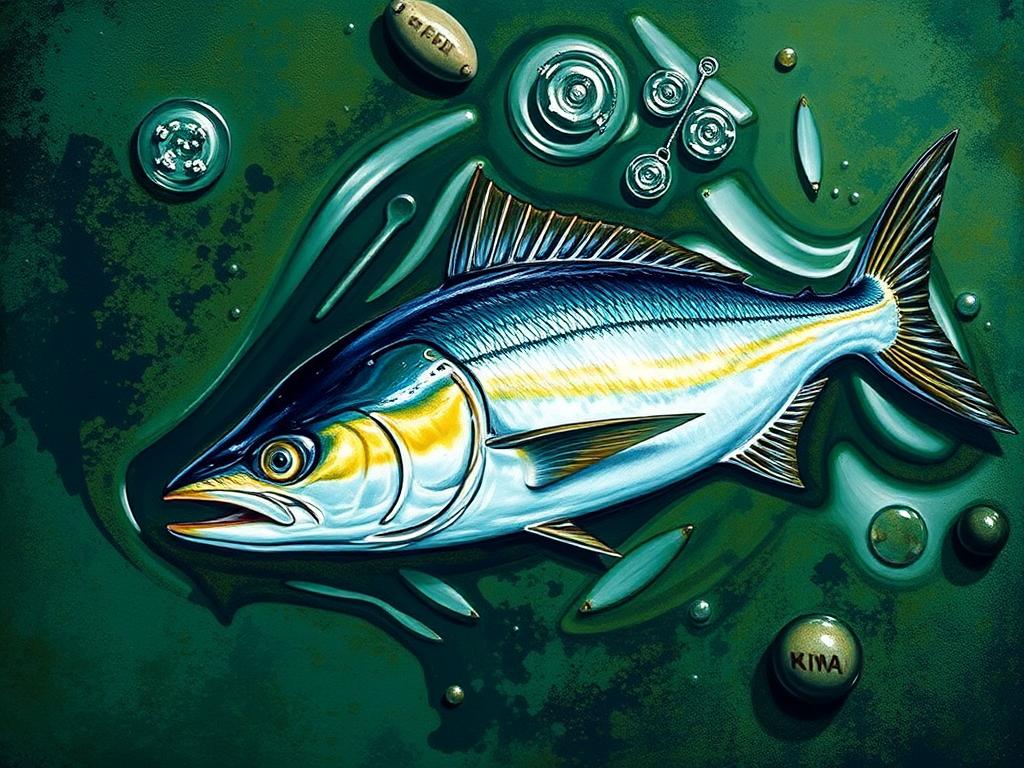
Mackerel are a group of pelagic fish found mostly in temperate and tropical seas, known for their streamlined bodies, swift swimming capabilities, and striking patterns of iridescent blue-green backs with wavy black stripes. These fish belong to the Scombridae family, which also includes tuna and bonito, making them relatives of some of the fastest and most agile fish in the ocean. Their sleek shape isn’t just for show – it enables them to zip through the water at impressive speeds, making them efficient predators and elusive prey.
There are several species classified under the umbrella term “mackerel.” The common ones include the Atlantic mackerel, the Spanish mackerel, and the king mackerel, each with its own unique features and habits. They tend to be schooling fish, often swimming in large groups that can sometimes look like shimmering waves underwater. This behavior provides them protection from predators, and it’s also a key factor for fishermen in locating and catching them.
Physical Characteristics and Behavior
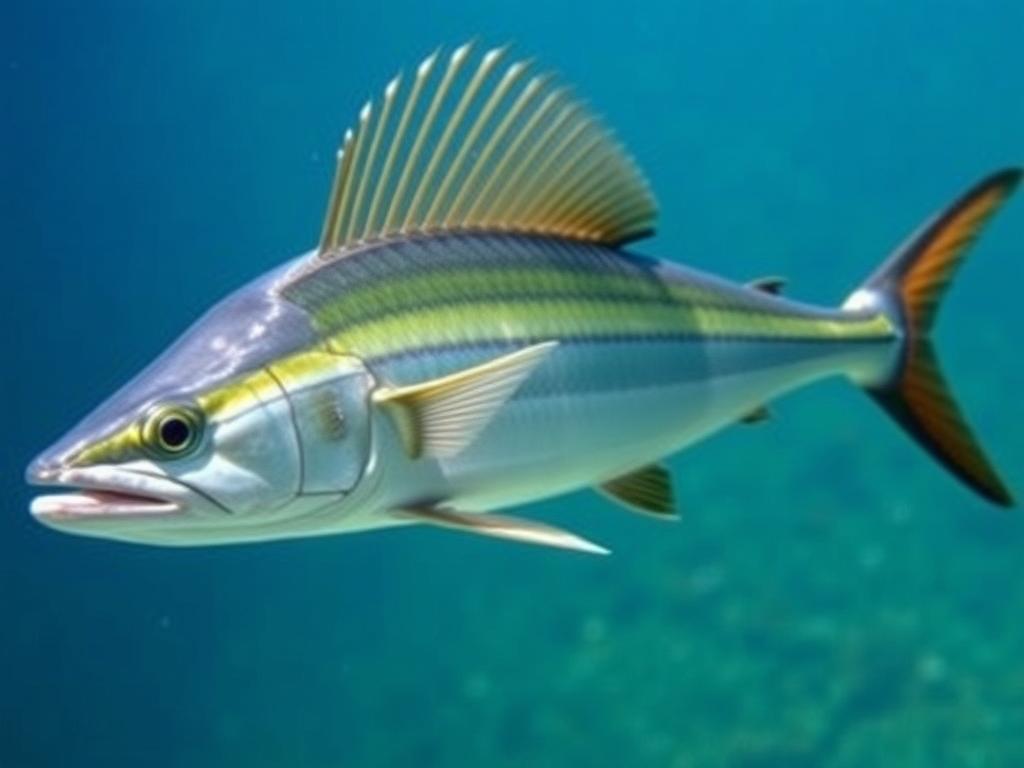
Mackerel are typically medium-sized fish, with lengths ranging from 12 to 24 inches, though some species grow even larger. Their bodies are adapted perfectly for life in open water — they have forked tails for quick acceleration and sharp, pointed teeth ideal for catching smaller fish and plankton. Mackerel are known for their energetic, migratory behavior, often traveling thousands of miles across the oceans in search of food, spawning grounds, or suitable temperatures.
Mackerel – Where They Live
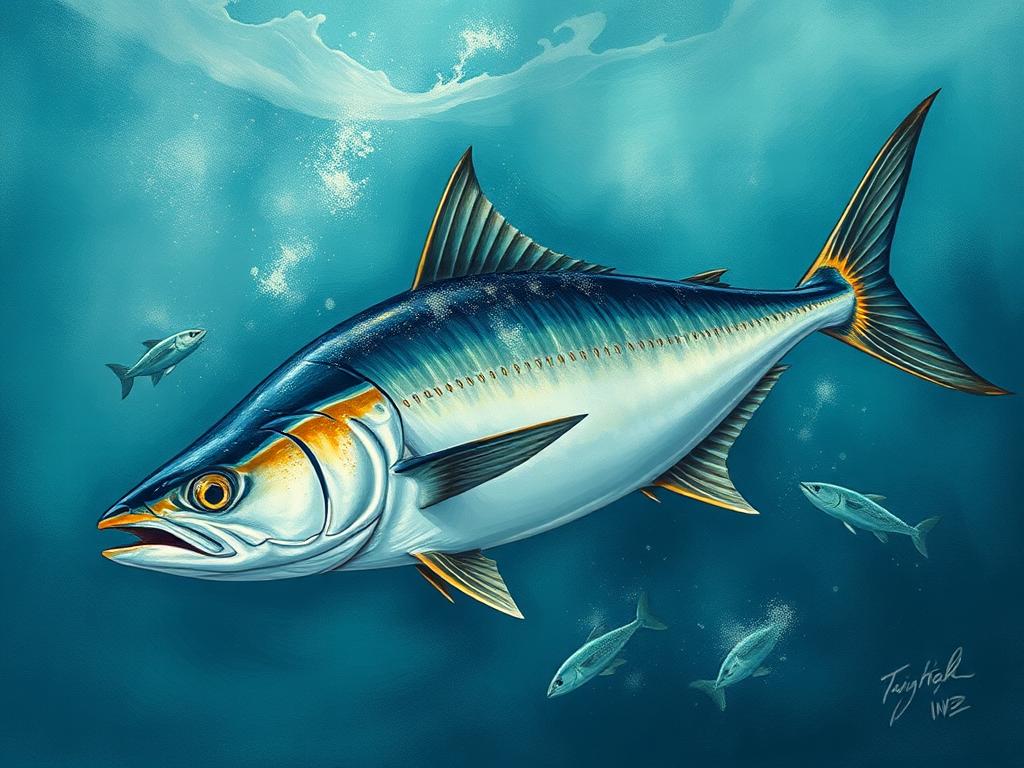
Mackerel inhabit the world’s oceans primarily along coastal waters, including the North Atlantic, Mediterranean, and parts of the Pacific. Each species tends to favor specific regions, but overall, mackerel are found in both temperate and tropical zones. Atlantic mackerel, for example, migrate along the coastlines of North America and Europe, moving northwards in the summer and retreating to deeper or warmer waters during winter.
They prefer continental shelves and areas with strong currents that bring nutrients to the surface, fostering rich feeding grounds. These nutrient-rich waters fuel plankton growth, which attracts small fish that mackerel feed on, making such environments a perfect habitat for their survival and reproduction.
Migration Patterns and Environmental Preferences
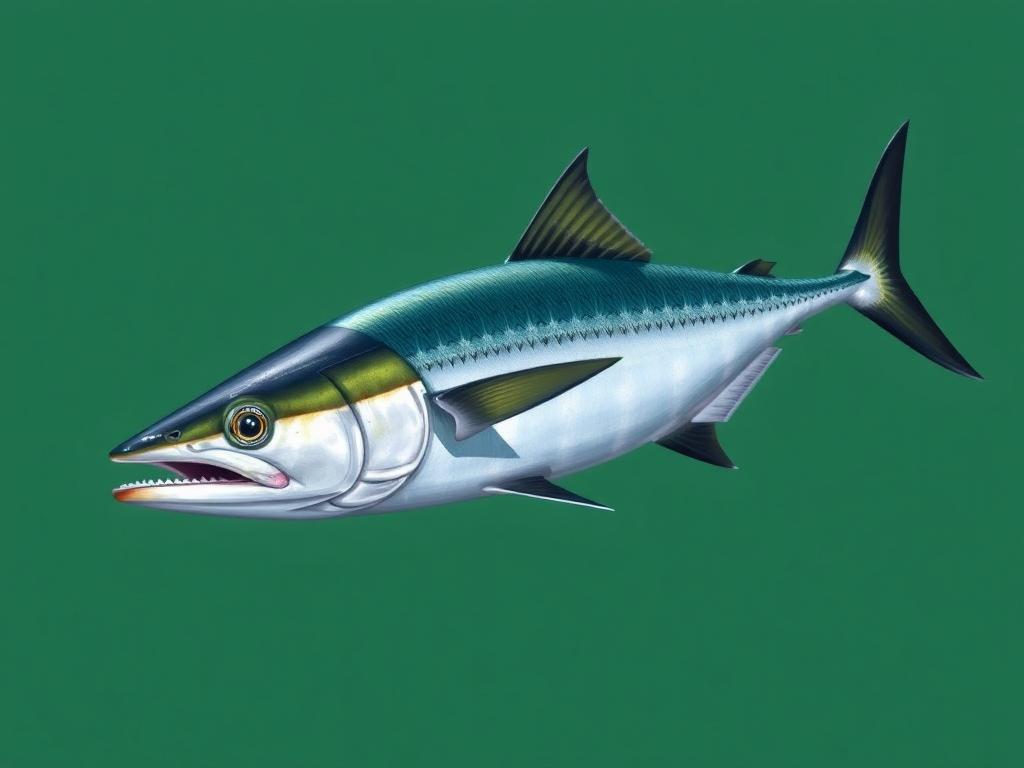
Understanding mackerel’s migration helps scientists track fish populations and manage fisheries sustainably. They are highly responsive to water temperature, preferring cooler waters between 8 and 20 degrees Celsius (46-68 degrees Fahrenheit). Seasonal migrations are often linked to spawning – most mackerel spawn offshore during spring and early summer, producing thousands of tiny larvae that drift in ocean currents to grow.
The environmental sensitivity of mackerel is also why climate change impacts their distribution. Rising ocean temperatures can shift their traditional habitats, influencing not only where we find mackerel but also affecting the ecosystems dependent on them.
Mackerel – How They Are Caught
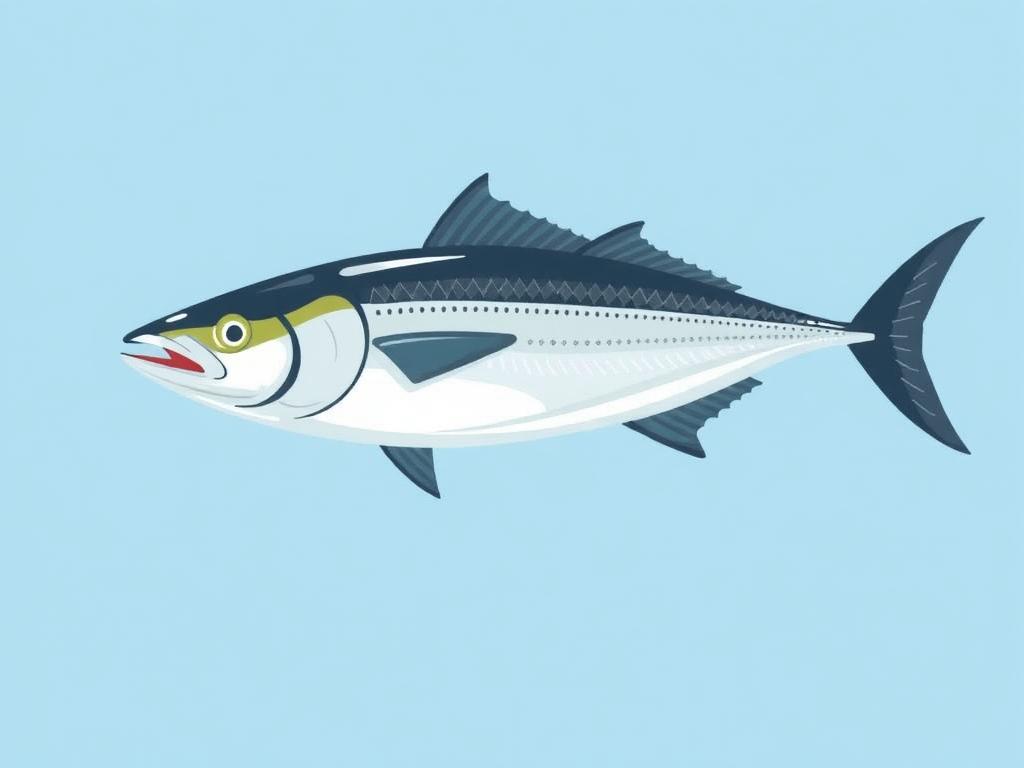
Fishing for mackerel has been a practice for centuries, ranging from traditional coastal methods to modern industrial techniques. Anglers and commercial fishermen use various methods depending on location, species, and scale of the operation.
Common Fishing Techniques
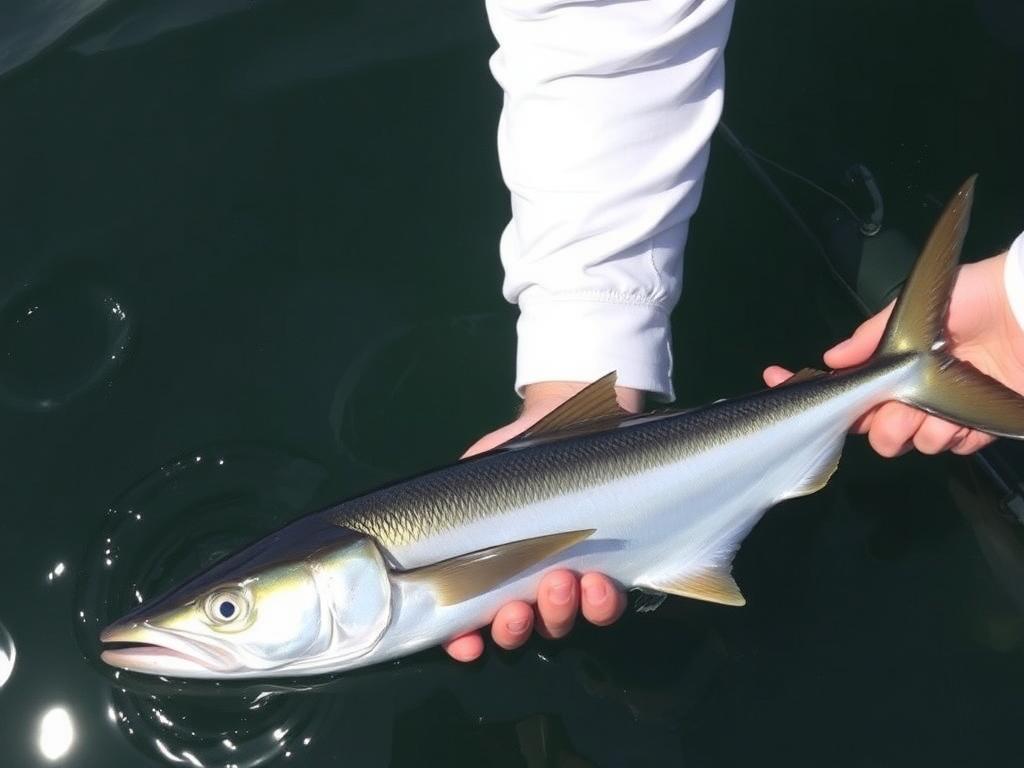
- Purse Seining: This is the most widespread commercial fishing method for mackerel. A large net is released around a school of fish and then drawn closed like a purse, trapping the fish.
- Trawling: Involves dragging a large net through the water to catch mackerel along with other species. This method can be controversial due to bycatch concerns.
- Line Fishing: Both hand lines and long lines are used in smaller-scale or artisanal fishing. It’s a selective method, often considered more sustainable.
- Angling: Recreational fishermen catch mackerel using rod and reel, often using small lures or bait like squid.
Each catching method brings different implications for sustainability, quality, and market availability. Consumers who want to ensure responsible sourcing should look for sustainable certification or ask their fishmonger about the origin of their mackerel.
Types of Mackerel
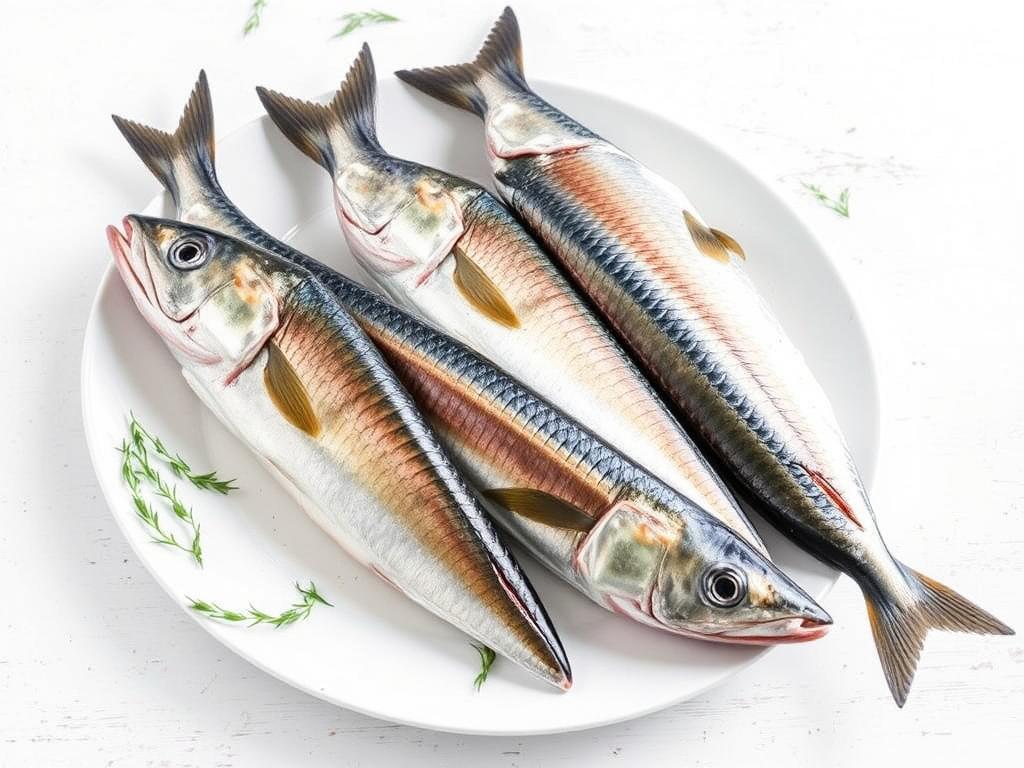
Not all mackerel are created equal. There is a variety of mackerel species, each with distinct taste profiles, habitats, and culinary uses. Here are some of the most notable species to know about:
| Species | Habitat | Size | Taste Profile | Common Uses |
|---|---|---|---|---|
| Atlantic Mackerel (Scomber scombrus) | North Atlantic Ocean, Europe, North America | 12-18 inches | Rich, oily, slightly sweet | Grilling, smoking, canning |
| Spanish Mackerel (Scomberomorus maculatus) | Western Atlantic, Gulf of Mexico | Up to 30 inches | Mild, firm texture | Grilling, frying |
| King Mackerel (Scomberomorus cavalla) | Western Atlantic, Caribbean Sea | Up to 60 inches | Strong flavor, firm flesh | Steaks, smoked |
| Chub Mackerel (Scomber japonicus) | Pacific Ocean | 10-16 inches | Oily, flavorful | Canning, grilling |
Each type has a unique value in cooking and nutrition, and understanding their differences can enhance your mackerel experience.
Interesting Facts About Mackerel
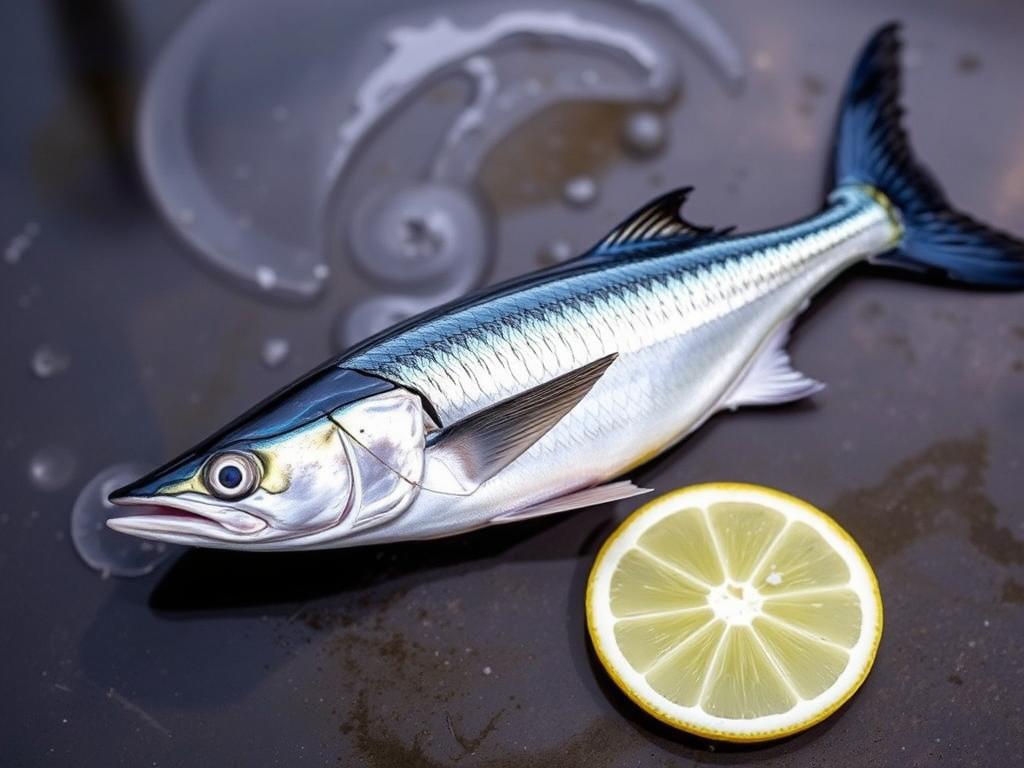
Mackerel are more than just tasty fish. They have a fascinating biology and cultural significance. Here are a few nuggets to pique your curiosity:
- Mackerel can swim up to 40 miles per hour, making them some of the swiftest fish in the ocean.
- They are among the few fish species that can regulate their body temperature to some extent, helping them stay active in cooler waters.
- Their shimmering scales are so reflective that fishermen sometimes spot schools of mackerel from miles away due to the sun’s glare.
- Mackerel have been important in human history for thousands of years—ancient Romans prized them for their fat and flavor.
- Because they are oily fish, mackerel are a natural source of omega-3 fatty acids, vital for brain and heart health.
Getting to know these tidbits adds another layer of appreciation next time you enjoy mackerel.
What Are the Diets Using Mackerel
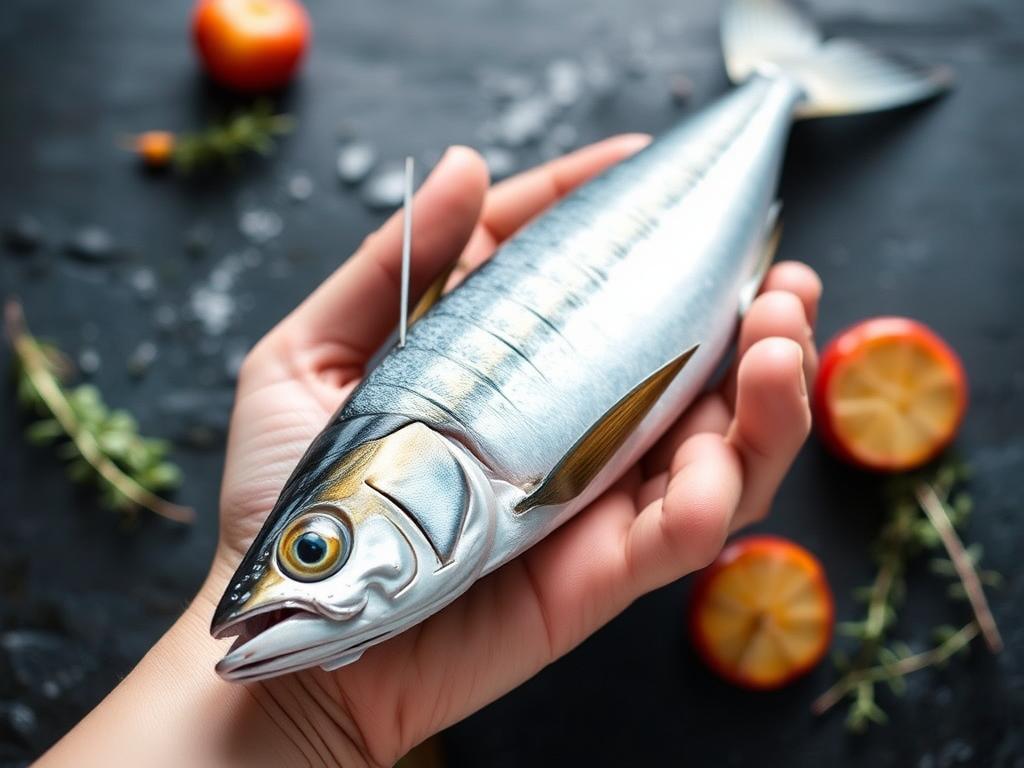
Mackerel have a special place not only in natural food chains but also in human cuisine and pet nutrition. Their versatile meat is prized in diets ranging from traditional to contemporary and even specialized niches.
Mackerel in Human Diets
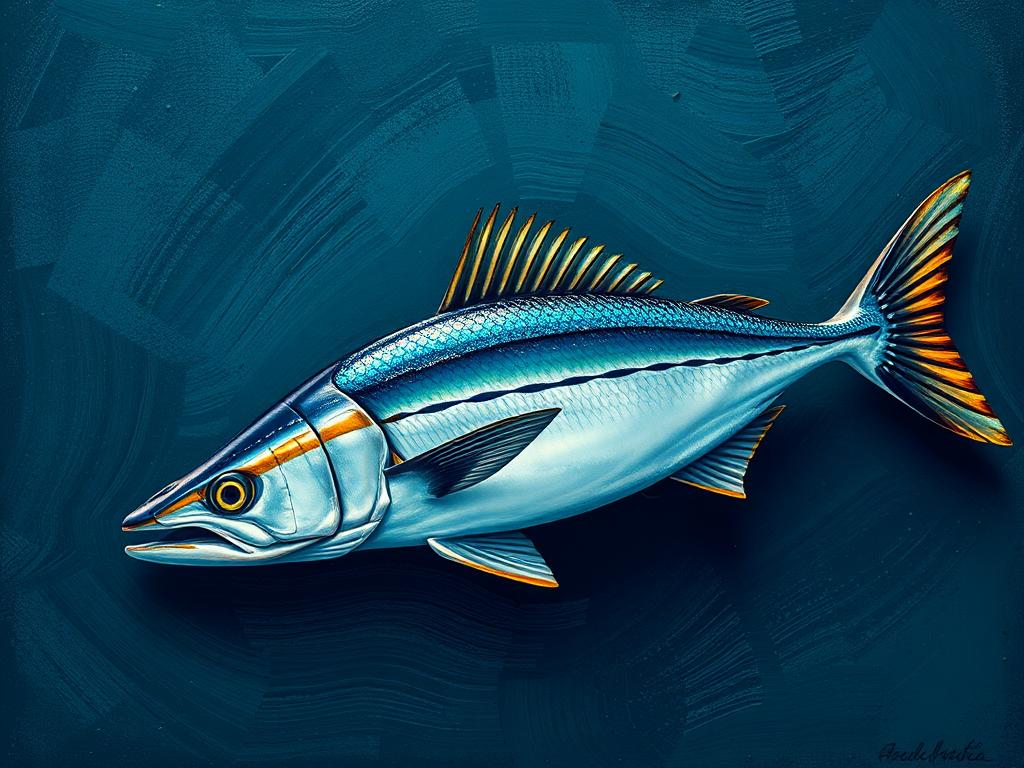
Because of their high omega-3 content, many health-conscious individuals incorporate mackerel into their diets as a way to boost cardiovascular health and brain function. Mackerel is often recommended in Mediterranean diets, known for their balance and emphasis on fish, vegetables, and healthy fats.
Mackerel in Animal Diets
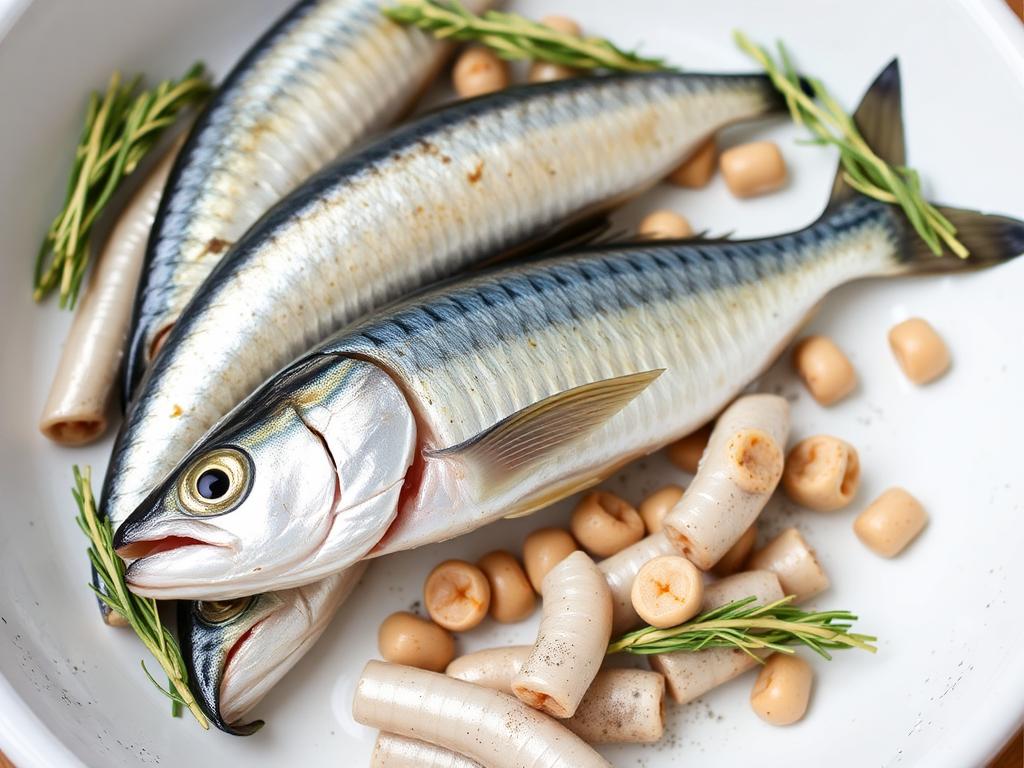
Mackerel is sometimes found in high-quality pet foods or used as feed in aquaculture due to its nutrient density. However, it’s generally more common as human food given its culinary value.
5 Ways to Eat Mackerel
If you think mackerel means just grilling or frying, think again! This fish’s intense flavors and oily richness make it perfect for a variety of preparations:
- Grilled Mackerel: A classic approach – simply grill whole or filleted mackerel with lemon and herbs for a smoky, satisfying meal.
- Smoked Mackerel: Smoking enhances mackerel’s richness, turning it into a luxurious delicacy often eaten cold or used in pâtés and salads.
- Pickled or Marinated Mackerel: In Scandinavian and Japanese cuisines, mackerel is often lightly cured or marinated to balance its oiliness with acidity.
- Mackerel Sushi: Known as saba, it’s prized in Japanese cooking for its bold, flavorful bite served raw or slightly cured on vinegared rice.
- Canned Mackerel: A convenient and shelf-stable option that can be used in sandwiches, pasta, or casseroles.
The diversity of ways to eat mackerel means that no matter your preference or skill level, there’s a delicious method for you.
Cooking Tips About Mackerel
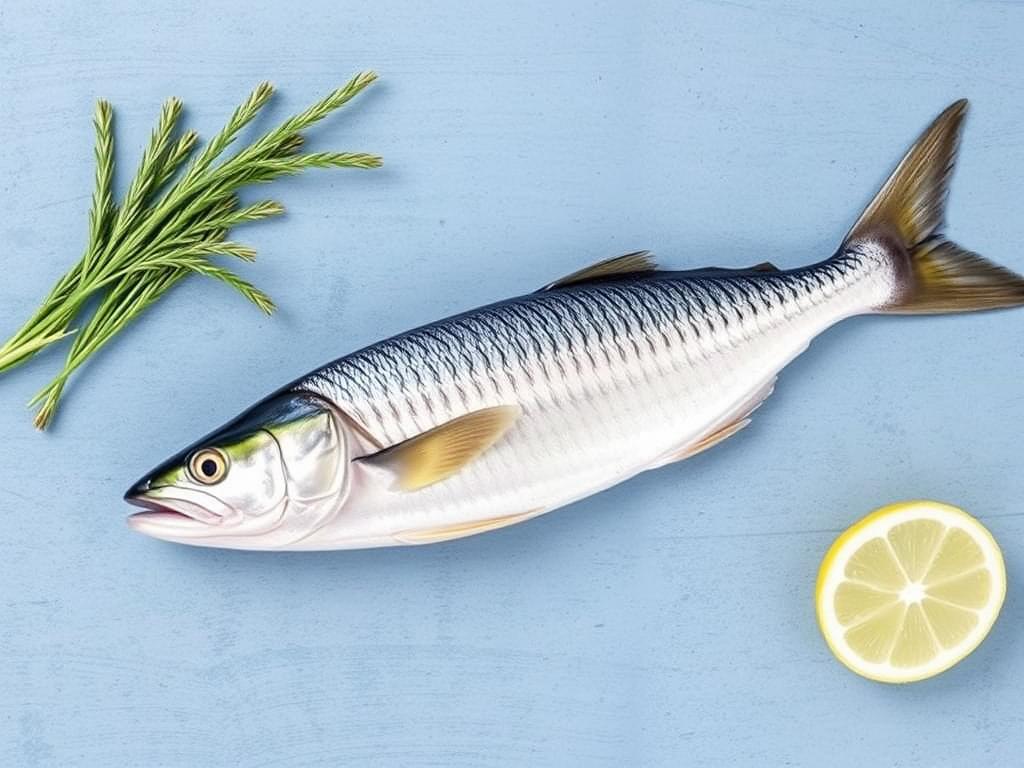
Mackerel’s oily flesh can be both a blessing and a challenge in the kitchen. Here are some tips to make the most of it:
- Freshness Is Key: Mackerel spoils quickly due to its high oil content. Look for firm flesh, bright eyes, and a clean smell.
- Avoid Overcooking: Because they are oily, mackerel fillets cook quickly and dry out if overdone. A few minutes per side on a hot grill or pan is usually enough.
- Use Acidic Marinades: Lemon juice, vinegar, or wine-based marinades help cut through the oiliness and balance the flavors.
- De-bone Carefully: Mackerel have fine pin bones, so handle with care or buy fillets to avoid surprises.
- Pair Well: Strong flavors such as garlic, chili, mustard, or dill complement mackerel beautifully.
By following these simple guidelines, even a kitchen novice can enjoy perfectly cooked mackerel.
Nutritional Value of Mackerel
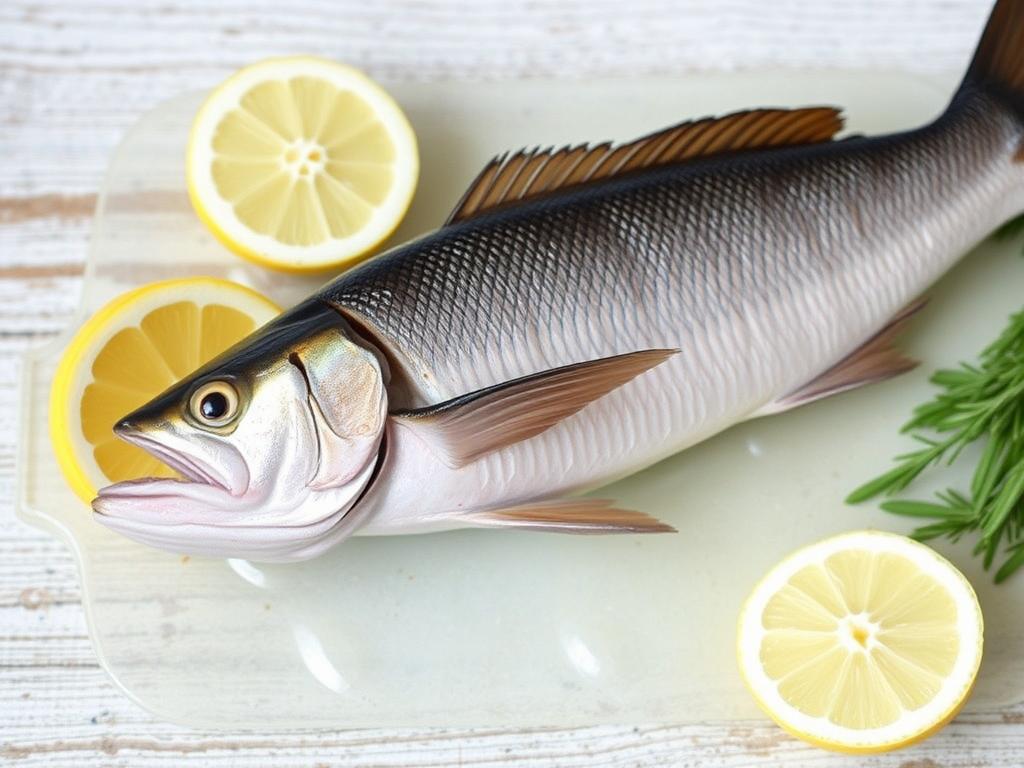
When it comes to nutrition, mackerel packs a powerful punch. This oily fish is especially lauded for its beneficial components:
| Nutrient | Amount per 100g | Benefit |
|---|---|---|
| Calories | 205 kcal | Energy source |
| Protein | 19 g | Muscle building, repair |
| Fat | 13.9 g | Energy, absorption of fat-soluble vitamins |
| Omega-3 Fatty Acids | 2.5 g | Heart and brain health |
| Vitamin D | 16 mcg | Bone health, immune support |
| Vitamin B12 | 12 mcg | Red blood cell formation, nervous system |
| Selenium | 44 mcg | Antioxidant protection |
The combination of healthy fats, high-quality protein, and essential vitamins and minerals makes mackerel a smart choice for balanced diets.
Benefits and Harms of Mackerel
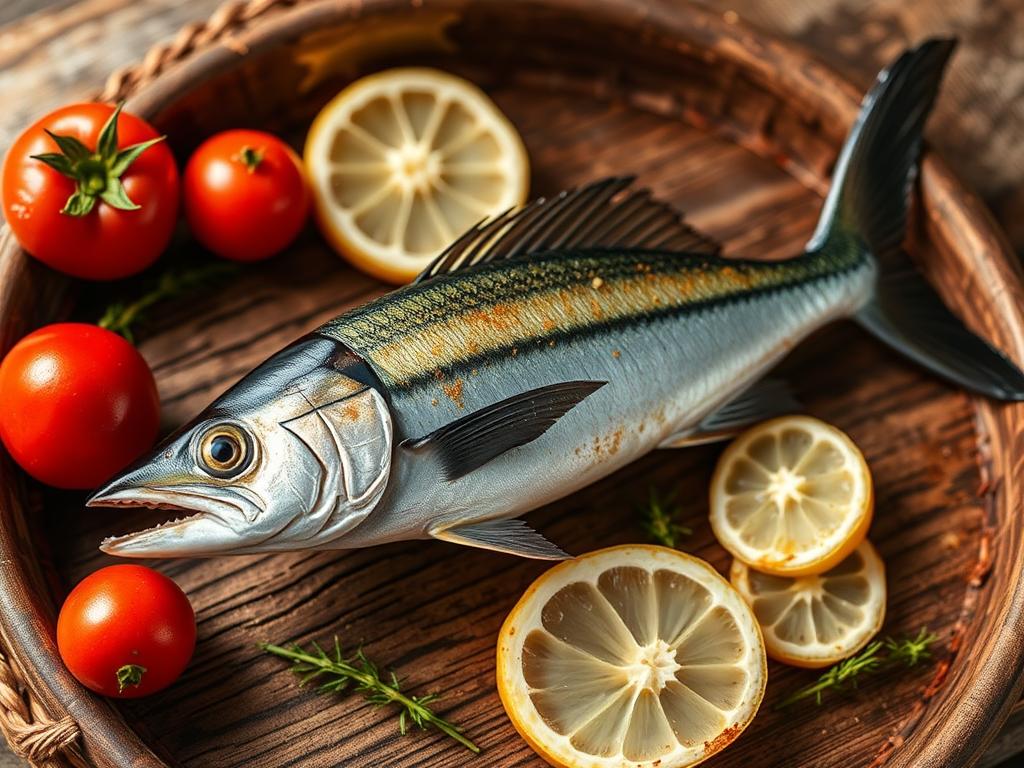
While mackerel offers many health benefits, it’s also important to understand potential drawbacks.
Health Benefits
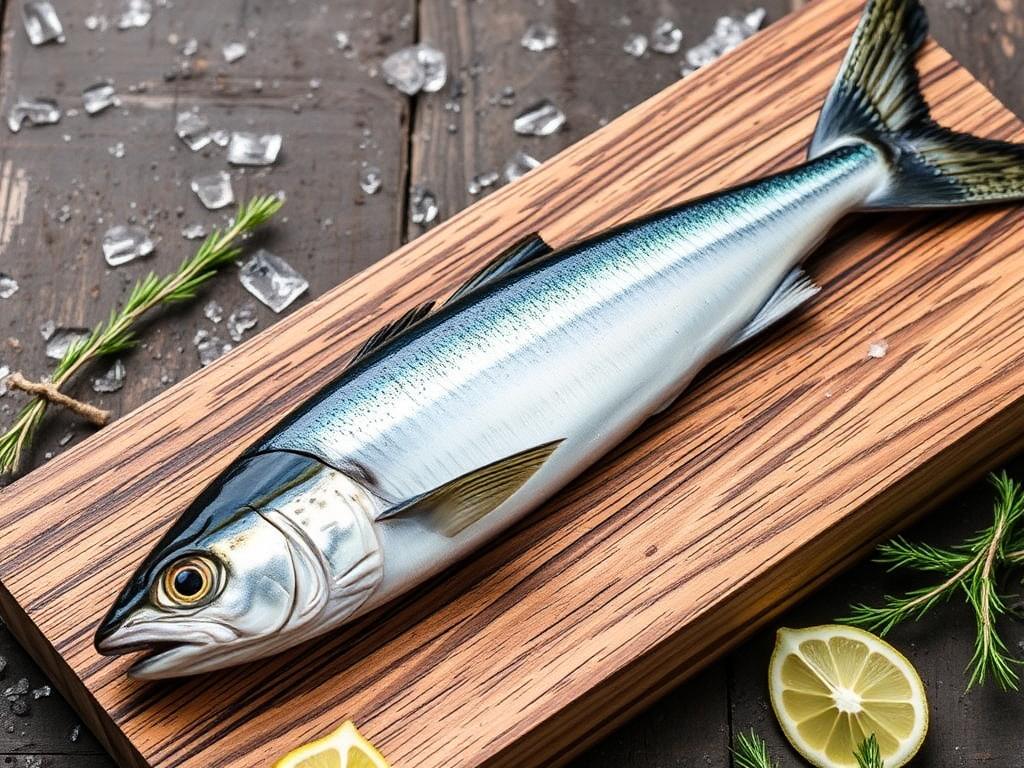
- Boosts Heart Health: Omega-3s in mackerel can reduce inflammation, lower blood pressure, and improve cholesterol levels.
- Supports Brain Function: Regular consumption has been linked with better cognitive performance and possibly lower dementia risk.
- Rich in Vitamins and Minerals: Promotes strong bones, immune function, and energy metabolism.
- Helps Manage Weight: High protein and fat content can increase satiety and support metabolic health.
Potential Harms
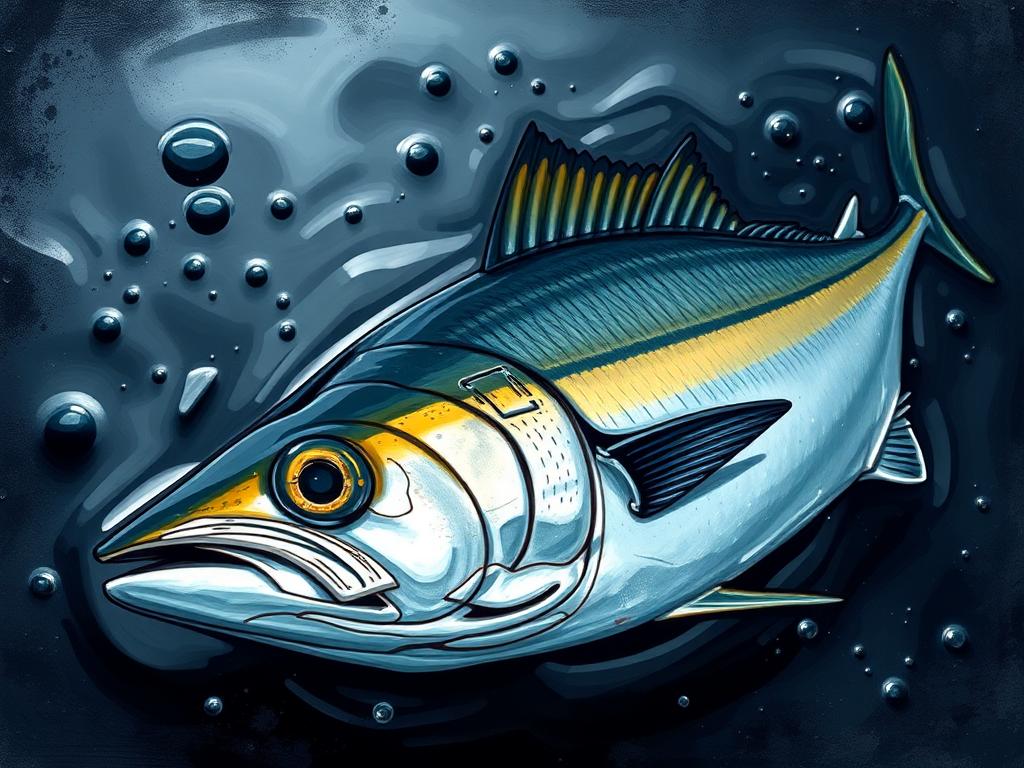
- Mercury Content: Larger mackerel species, such as king mackerel, may accumulate mercury, which can be harmful if consumed excessively, especially for pregnant women and children.
- Allergic Reactions: Like all seafood, mackerel can trigger allergies in sensitive individuals.
- Rapid Spoilage: Improperly stored mackerel can cause food poisoning due to bacterial growth.
As with any food, moderation and sourcing quality product are key to enjoying the benefits while minimizing risks.
5 Best Dishes From Mackerel
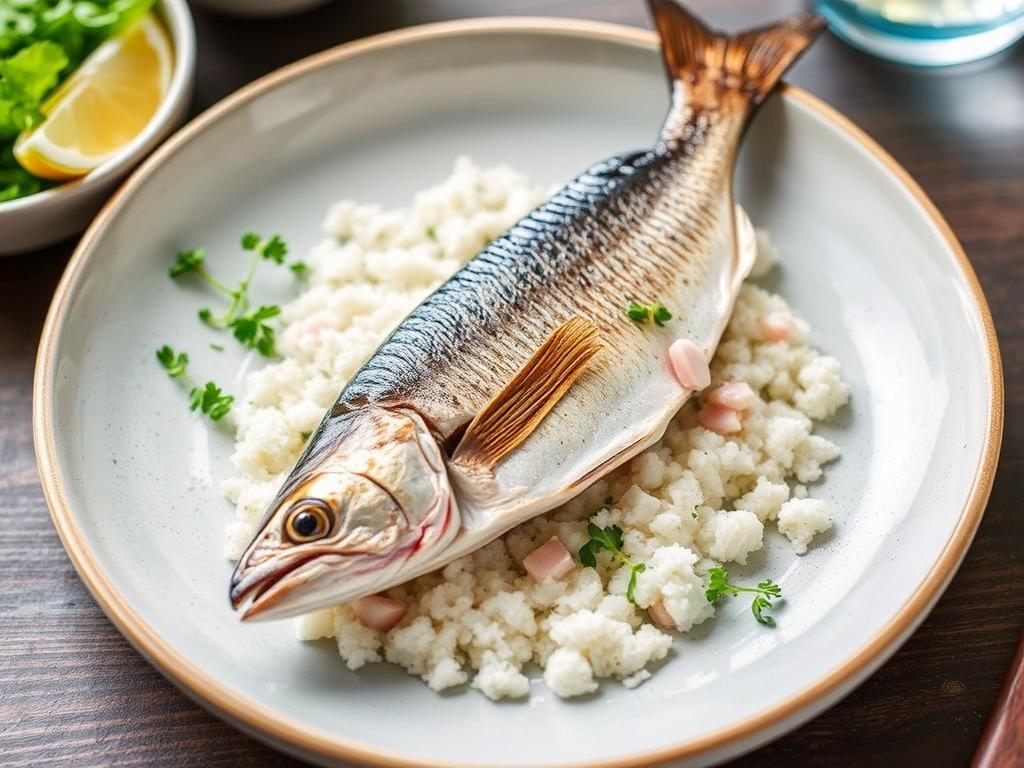
When inspired by mackerel, you can create an entire menu celebrating its rich flavors. Here are five dishes to try:
- Grilled Whole Mackerel with Lemon and Thyme: Classic and simple, perfect for summer barbecues.
- Smoked Mackerel Pâté: Creamy spread mixed with cream cheese and herbs, great on crusty bread.
- Japanese Saba Shioyaki: Salt-grilled mackerel served with rice and pickles.
- Mackerel Curry: A hearty, spiced dish popular in coastal India and Southeast Asia.
- Portuguese Escabeche: Fried mackerel marinated in vinegar, garlic, and spices.
These recipes showcase the versatility and international appeal of mackerel.
What to Look For When Buying Mackerel
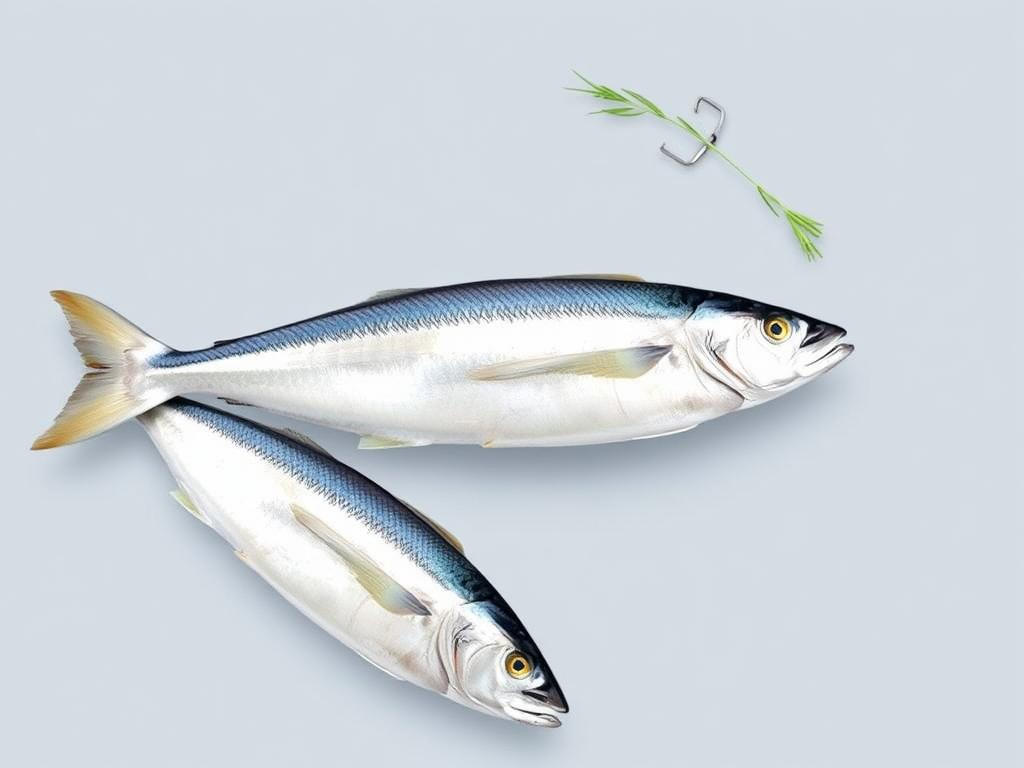
Choosing the right mackerel ensures you enjoy the best taste and health benefits. Here are tips to guide your purchase:
- Freshness: Look for bright, clear eyes, shiny skin, and firm flesh with no strong fishy odor.
- Source: Ask about the species and fishing method. Wild-caught from clean waters is preferable.
- Appearance: Avoid discoloration, sliminess, or dull scales.
- Form: Whole fish, fillets, or canned options – choose based on your cooking plans.
- Packaging and Expiration Date: Especially for pre-packaged or canned goods, always check labels.
Being a conscious shopper not only improves your dining experience but also supports sustainable fishing practices.
5 More Interesting Facts About Mackerel

Let’s wrap up with five additional facts that might surprise you and deepen your admiration for mackerel:
- Mackerel can form schools containing millions of fish, creating one of the largest biomass concentrations in the ocean.
- Their scales reflect polarized light, which might help them avoid predators and communicate.
- Their swim bladders help regulate buoyancy, allowing them to adjust their depth swiftly.
- In some cultures, mackerel is considered a symbol of prosperity and often appears in traditional ceremonies.
- Commercially, mackerel is one of the top ten most caught fish globally by volume.
Armed with this knowledge, your next encounter with mackerel, whether at the fish market or on your plate, will be richer and more enjoyable.


