
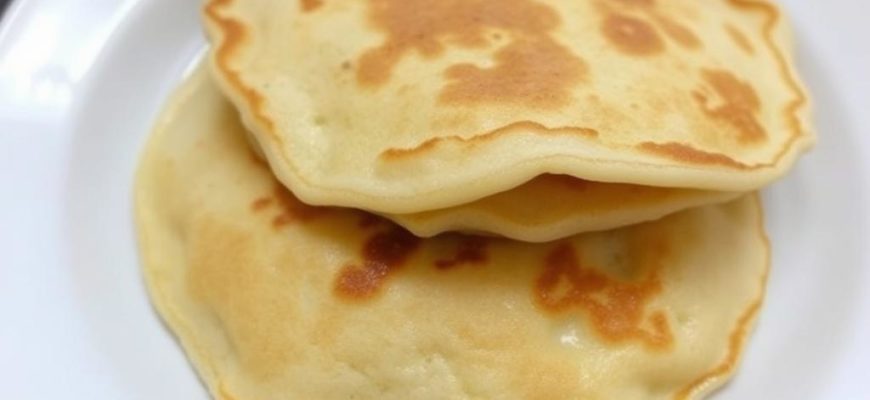
I still remember the first time I watched batter sizzle into a thin, lacy circle in a hot pan and thought, this is more than breakfast — this is playful, portable comfort. Thin pancakes are deceptively simple: flour, liquid, a little fat, and the right motion of a wrist to spread the batter. They can be breakfast, dessert, street food, or dinner, dressed up with sweet or savory toppings, folded, rolled, or stacked. Stick with me and you’ll learn what thin pancakes really are, where they came from, how to make them fail-proof, and plenty of tasty ways to eat them.
- What thin pancakes are and what makes them special
- History of thin pancakes
- Where thin pancakes first appeared and how they spread
- Interesting facts about thin pancakes
- Nutritional value of thin pancakes
- Popularity in different countries
- Three best recipes for cooking thin pancakes
- Classic crêpe batter
- Buckwheat thin pancakes (savory)
- Gluten-free thin pancakes with rice flour
- What to eat with thin pancakes
- Quick serving ideas
What thin pancakes are and what makes them special
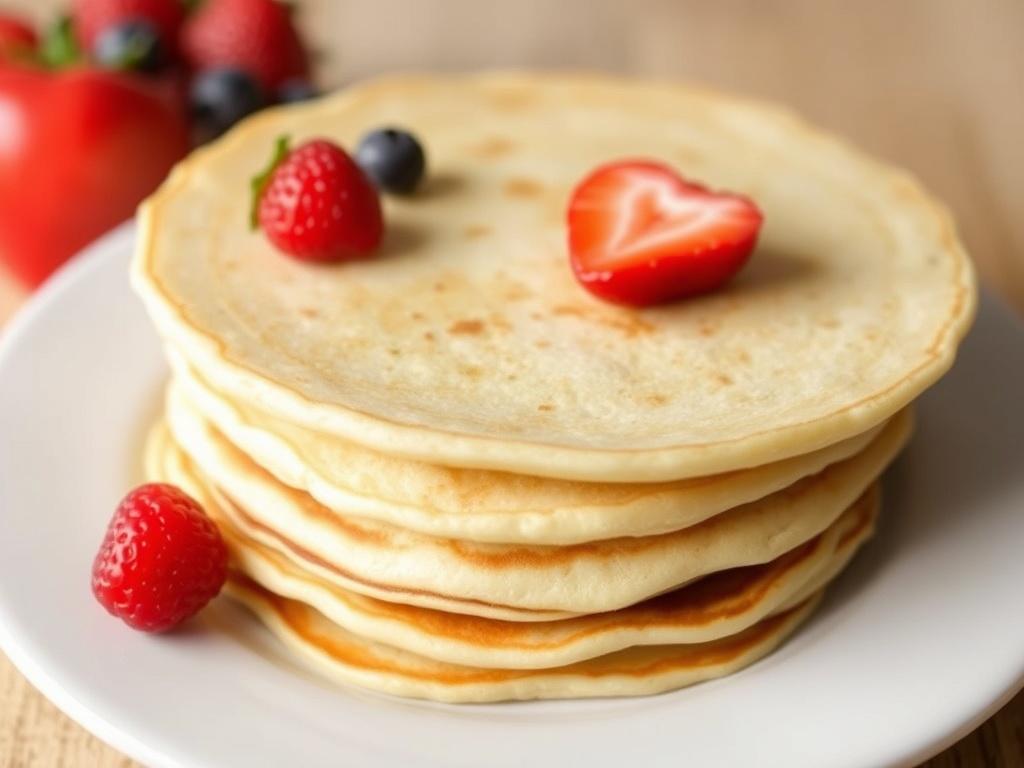
Thin pancakes are flat, usually round pancakes made from a runny batter that spreads thinly in a hot pan or on a griddle. Unlike American-style thick pancakes that rise and fluff, thin pancakes aim for finesse: a flexible, delicate texture and a large surface area. That thinness lets them crisp slightly around the edges, soak up fillings, and fold without breaking. Ingredients are straightforward — flour, milk or water, eggs, a pinch of salt, and a little fat — but technique matters: batter consistency, pan temperature, and the motion used to spread the batter define the result.
History of thin pancakes
Thin pancakes have ancient roots. Variations of batter-based flatbreads show up across cultures, often as an easy way to cook grains and eggs over open flames. Over centuries, thin pancakes evolved into regional classics: French crêpes became delicate and paper-thin, Russian blini were thicker and yeasted for a yeasty tang, and Central and Eastern Europe developed versions with buckwheat or filled with cheeses and preserves. The basic idea is universal — transform a few pantry staples into a versatile sheet that carries tastes, textures, and stories.
Where thin pancakes first appeared and how they spread
There’s no single birthplace for thin pancakes. Ancient societies from the Mediterranean to northern Asia prepared thin griddled breads. What we call crêpes likely crystallized in Brittany, France, by the Middle Ages, where buckwheat crêpes became common. Blini have a long history in Slavic regions. Scandinavian versions, pancakes called “pannekaker” or “plättar,” also date back centuries. Trade, migration, and local ingenuity spread the idea: each community adapted the batter and fillings to available grains, dairy, and sweeteners.
Interesting facts about thin pancakes
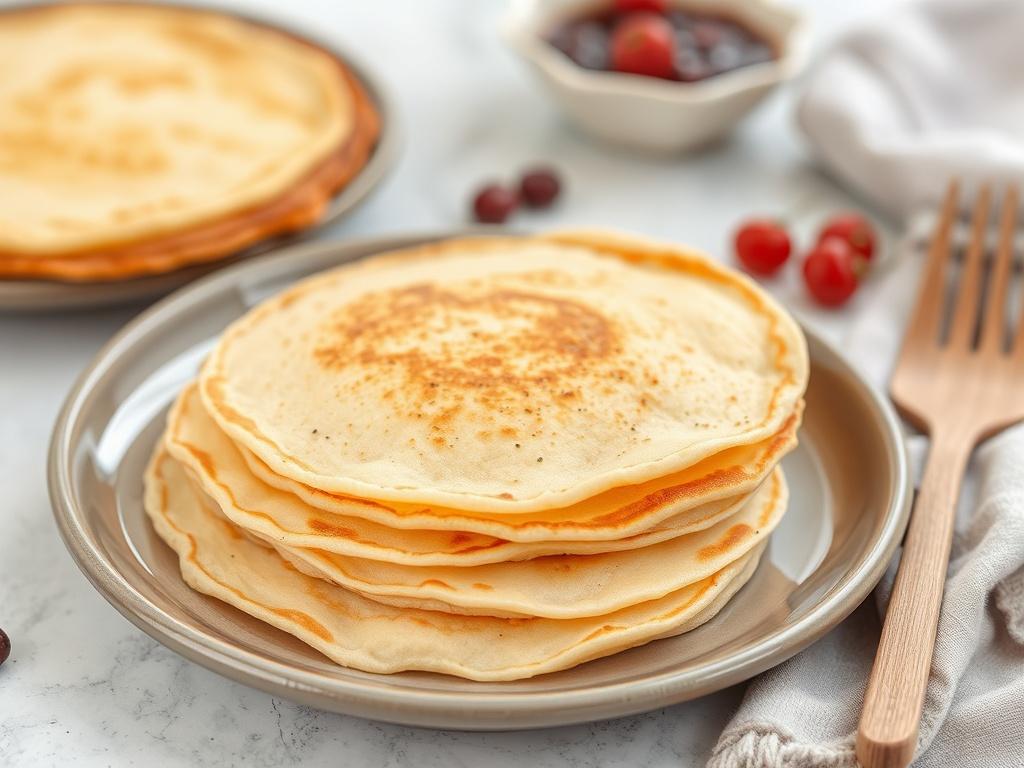
- Thin pancakes often mark holidays — for example, Pancake Day (Shrove Tuesday) in many Christian traditions, when rich foods were used up before Lent.
- Buckwheat, once a staple in Brittany, yields a nutty, gluten-free thin pancake that pairs well with savory fillings, especially ham and egg.
- Thin pancakes are an easy vehicle for local flavors: citrus zest, smoked fish, spiced meats, berry compotes, or simple butter and sugar.
- Technique matters: a rested batter often produces more tender pancakes because the flour hydrates fully.
Nutritional value of thin pancakes
Thin pancakes’ nutrition depends on ingredients and portion size. A basic thin pancake made from white flour, milk, egg, and a small amount of butter contains mainly carbohydrates and protein, modest fat, and offers quick energy. Here is a simple comparison for one medium plain thin pancake (about 30–40 g):
| Component | Approximate amount |
|---|---|
| Calories | 80–110 kcal |
| Carbohydrates | 12–15 g |
| Protein | 3–4 g |
| Fat | 2–4 g |
| Fiber | 0.5–1 g (higher with whole grain or buckwheat) |
Swap white flour for whole grain or buckwheat to boost fiber and micronutrients. Use milk alternatives or reduce fat to tailor calories. Toppings change the picture quickly; fruit and yogurt add vitamins, while sweet spreads raise sugar and calories.
Popularity in different countries
Thin pancakes are global. In France, crêpes are both street food and fine dining. Russia and Eastern Europe serve blini with sour cream and caviar for celebrations. Scandinavia enjoys pancakes with jam and cream, and in the UK pancakes are rolled with lemon and sugar for Pancake Day. In India, dosas are a related concept: fermented thin pancakes made from rice and lentils, crisp and savory. The names, batters, and customs vary, but the idea of a thin pancake as a blank canvas is shared worldwide.
Three best recipes for cooking thin pancakes
Below are three dependable recipes that cover sweet, savory, and gluten-free options. Quantities make about 8–10 medium thin pancakes.
Classic crêpe batter
- Ingredients: 1 cup all-purpose flour, 1 1/2 cups milk, 2 large eggs, 2 tbsp melted butter, pinch of salt, 1 tbsp sugar (optional for sweet crêpes).
- Method: Whisk flour and salt, add eggs, slowly stream in milk while whisking to a smooth batter, stir in melted butter. Let rest 20–30 minutes. Heat a nonstick pan, grease lightly, pour about 1/4 cup batter, tilt pan to spread thin, cook until edges lift, flip briefly.
Buckwheat thin pancakes (savory)
- Ingredients: 1 cup buckwheat flour, 1 cup water, 1 egg (optional), 1/2 tsp salt, 1 tbsp oil.
- Method: Mix into a smooth batter. Rest 15 minutes. Cook in a hot pan oiled lightly. Serve folded with ham, cheese, and a fried egg, or smoked salmon and crème fraîche.
Gluten-free thin pancakes with rice flour
- Ingredients: 3/4 cup rice flour, 1/4 cup tapioca starch, 1 1/4 cups milk (or plant milk), 1 egg, 1 tbsp oil, pinch salt.
- Method: Combine dry ingredients, whisk in wet until smooth. Rest briefly. Cook as usual. These are slightly more fragile, so keep pancakes small and use gentle folding.
What to eat with thin pancakes
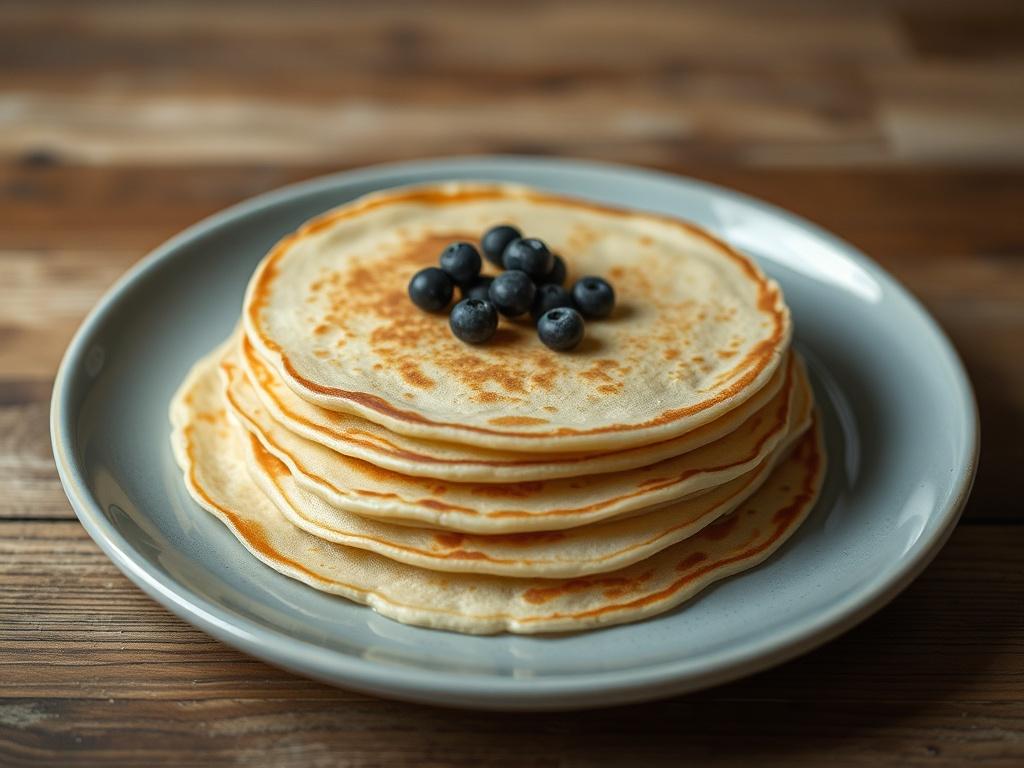
Thin pancakes love company. For sweet options, spread butter and sprinkle sugar, add lemon juice, or smear with jam and roll. Fruit compotes, Nutella, honey, and whipped cream are classic crowd-pleasers. For savory, think smoked salmon, sour cream, chives, ham and cheese, sautéed mushrooms, spinach and ricotta, or a spoonful of curry for a modern twist. Serve them as wraps, rolled canapés, layered stacks, or as the base for a plated main with a salad.
Quick serving ideas
- Breakfast stack: thin pancakes, yogurt, fresh berries, drizzle of honey.
- Party rolls: fill with smoked salmon and herb cream, slice into pinwheels.
- Weeknight dinner: fill with sautéed spinach, garlic, and goat cheese, fold and bake briefly to warm through.
Thin pancakes are forgiving and fun. Once you master a simple batter and the pan technique, the rest is experimentation. They’re a blank slate for whatever you have on hand, and that flexibility is what makes them a kitchen favorite around the world.


