
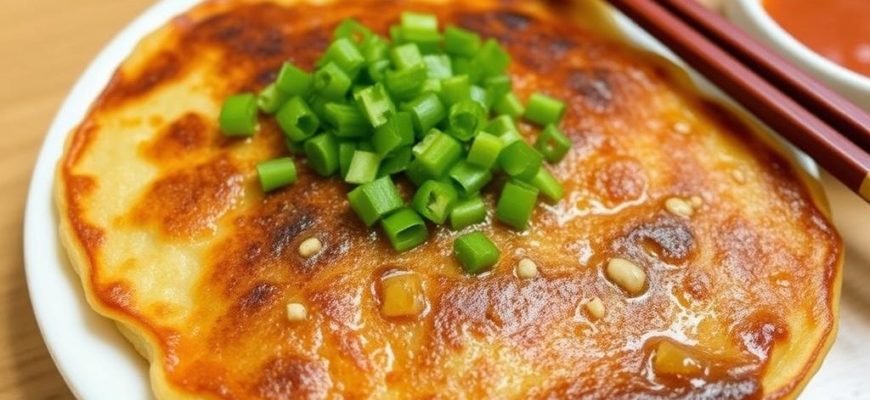
You might have had a plate lunch in Hawaii and met something that looks simple — thin slices of meat, lightly battered, fried until golden — and suddenly your fork won’t let you stop. That’s Meat Jun: humble, fast, and deeply comforting. It’s the kind of dish that carries more than flavor; it carries stories of travel, adaptation, and late-night cravings. If you want to learn what Meat Jun Korean-Hawaiian pancakes really are, where they came from, how to make them at home (three reliable ways), and what to serve them with, stick around. I’ll walk you through history, hands-on recipes, and the little details that make every bite memorable.
- What Meat Jun Korean-Hawaiian pancakes are and how they’re different
- History of Meat Jun Korean-Hawaiian pancakes
- Where Meat Jun Korean-Hawaiian pancakes first appeared
- Interesting facts about Meat Jun Korean-Hawaiian pancakes
- Nutritional value of Meat Jun Korean-Hawaiian pancakes
- Popularity in different countries and communities
- Three best recipes for cooking Meat Jun Korean-Hawaiian pancakes
- 1. Classic Beef Meat Jun
- 2. Chicken Meat Jun with Garlic
- 3. Pork Meat Jun with Sweet Soy Glaze
- What to eat with Meat Jun Korean-Hawaiian pancakes
What Meat Jun Korean-Hawaiian pancakes are and how they’re different
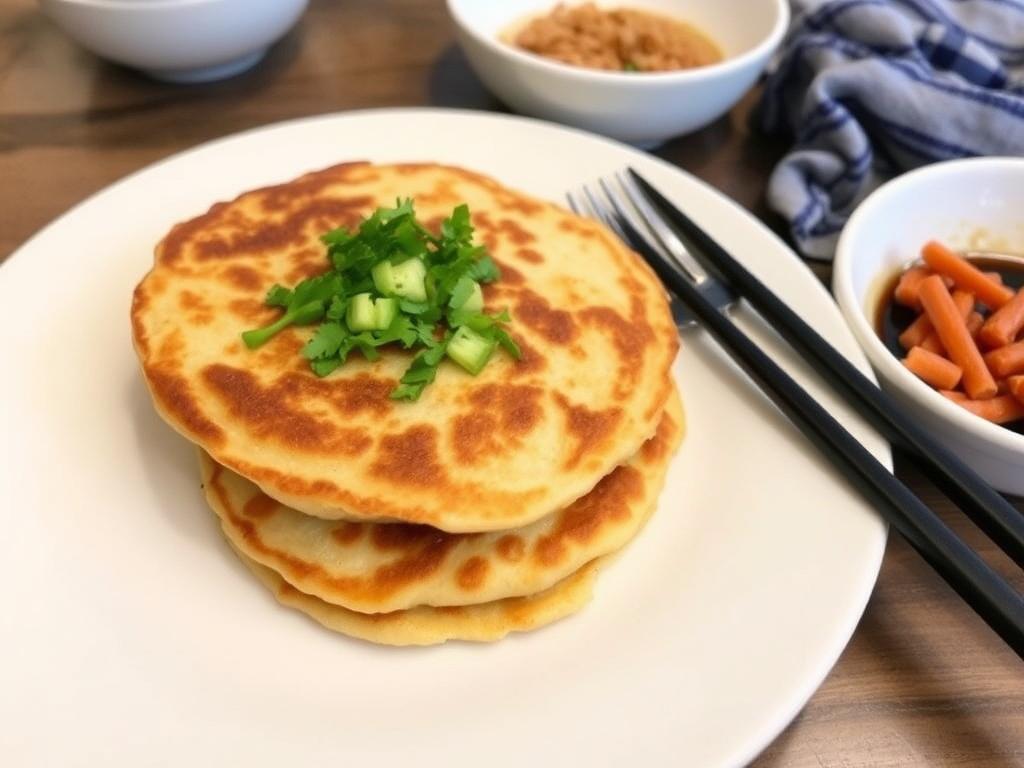
Meat Jun Korean-Hawaiian pancakes are thin slices of meat — usually beef, sometimes pork or chicken — dipped in an egg-and-flour batter and pan-fried until the outside is crisp and the inside stays tender. Think of Korean jeon, the pan-fried fritter family, reimagined in Hawaii’s melting pot. Unlike a fluffy Western pancake, Meat Jun is savory and meaty, more like a golden-edged cutlet you can fold over rice. The batter is simple: beaten eggs, a little flour (or cornstarch), and sometimes water or soy sauce for seasoning. The result is a glossy, slightly crinkled crust that clings to the meat and soaks up the dipping sauce in the best possible way.
History of Meat Jun Korean-Hawaiian pancakes
Meat Jun didn’t arrive fully formed. Its ancestry traces back to Korean jeon and yukjeon — traditional pan-fried slices of marinated meat or vegetables coated in batter and eggs. When Koreans migrated to Hawaii in the early 20th century and later decades, they adapted recipes to local tastes and ingredients. In Hawaii’s plate-lunch culture, dishes needed to be portable, satisfying, and quick to prepare. Meat Jun emerged as one such adaptation: easy to produce in batches, great with rice, and appealing to locals and tourists alike. Over time it became a staple at Korean-Hawaiian restaurants and lunch counters.
Where Meat Jun Korean-Hawaiian pancakes first appeared
The dish crystallized in Hawaii, particularly within Korean restaurants and family-run kitchens on Oʻahu and other islands. It spread through plate-lunch shops — the island equivalent of diners — and through community gatherings. While exact dates are fuzzy, its rise aligns with the mid-20th century growth of the Korean community in Hawaii and the popularity of Korean eateries that fused island flavors with immigrant traditions.
Interesting facts about Meat Jun Korean-Hawaiian pancakes
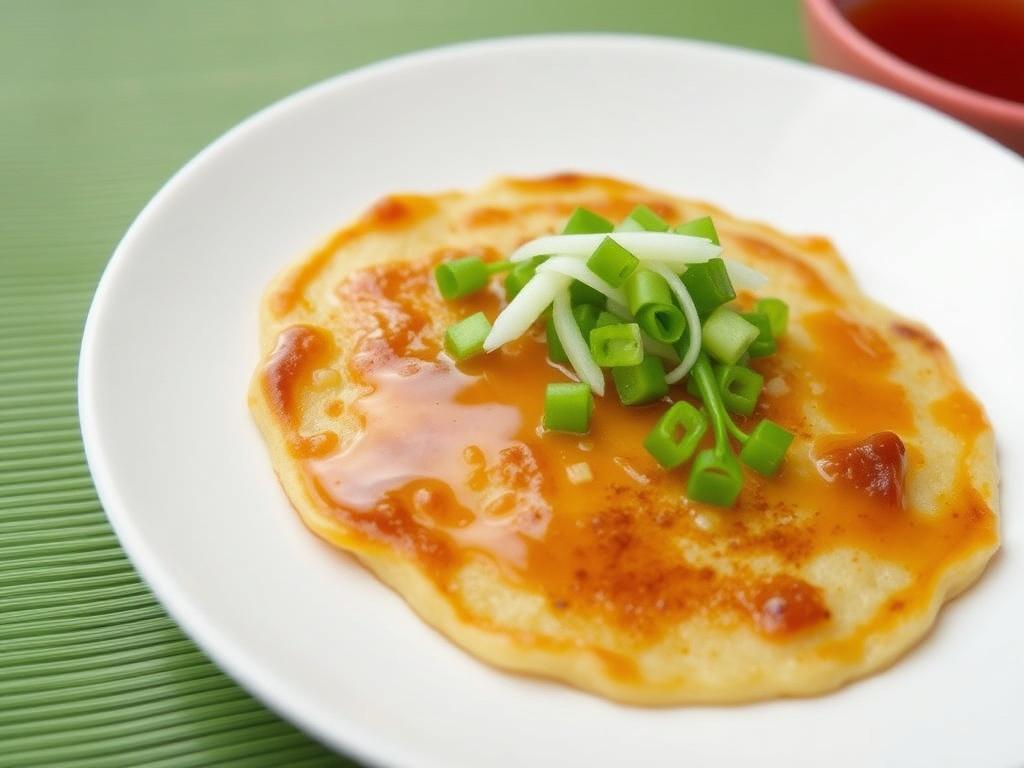
- Meat Jun often appears on local “plate lunches,” usually alongside white rice and macaroni salad or kimchi.
- The dish is closely related to Korean jeon and yukjeon, but its Hawaiian life gave it a distinct casual, generous vibe.
- Popular dipping sauces range from a sweet-soy mix to tangy ponzu-style blends; restaurants sometimes keep their sauce recipes secret.
- Leftovers reheat well and are frequently used as sandwich fillings or lunchbox items.
Nutritional value of Meat Jun Korean-Hawaiian pancakes
Below is an approximate nutrition snapshot for one medium serving (about 150–200 g) of classic beef Meat Jun. Exact values vary with cut of meat, amount of batter, and how much oil is absorbed.
| Nutrient | Approximate amount per serving |
|---|---|
| Calories | 450–600 kcal |
| Protein | 25–35 g |
| Fat | 25–40 g (saturated fat varies by cut) |
| Carbohydrates | 10–20 g |
| Sodium | Moderate to high depending on marinade and sauce |
Tip: To reduce calories, trim visible fat, blot fried pieces on paper towel, or shallow-pan-fry with minimal oil. Using lean chicken breast also cuts fat and keeps the method familiar.
Popularity in different countries and communities
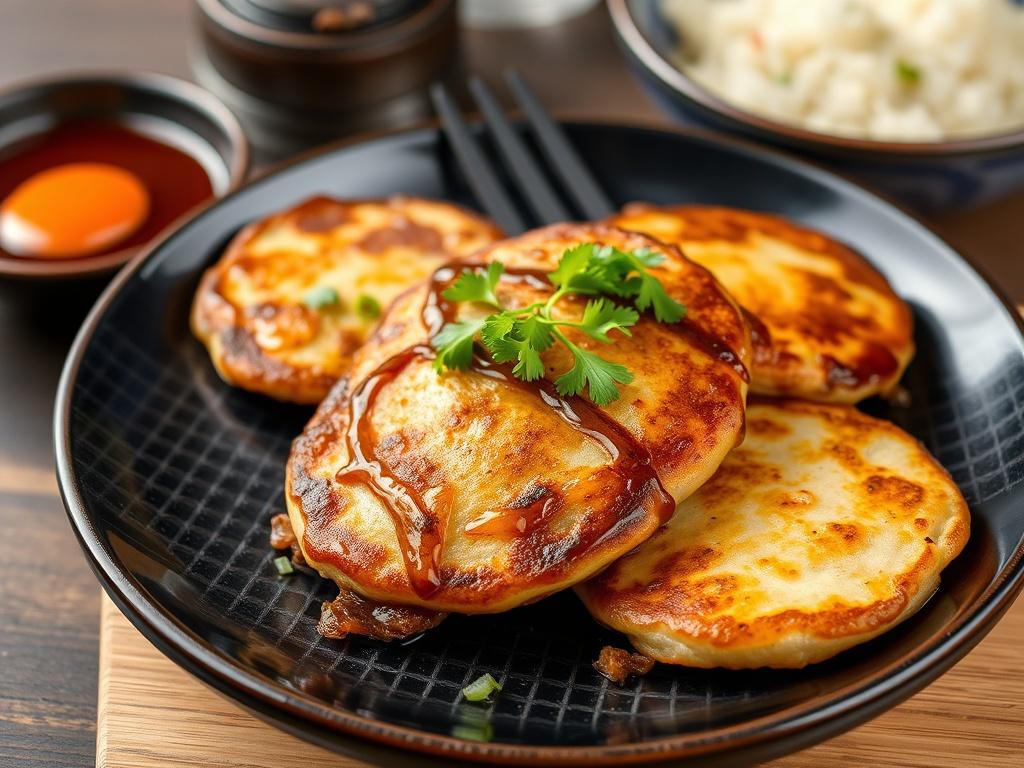
Meat Jun is most iconic in Hawaii, but its reputation follows Hawaiian cuisine wherever island culture travels. Korean restaurants in the continental United States sometimes include it on menus targeted at Hawaiian expats or adventurous diners. In South Korea, the traditional jeon family is more common, but Hawai‘i-influenced eateries and fusion spots may feature versions labeled as “Meat Jun” for nostalgia or novelty. The dish thrives wherever people appreciate simple, homey fried flavors.
Three best recipes for cooking Meat Jun Korean-Hawaiian pancakes
1. Classic Beef Meat Jun
Ingredients:
- 1 lb thinly sliced beef (flank or sirloin), pounded thin
- 2 eggs, beaten
- 3 tbsp all-purpose flour
- 1 tbsp soy sauce
- 1 tsp sesame oil
- Salt and pepper to taste
- Vegetable oil for frying
Instructions:
- Marinate beef briefly with soy sauce, sesame oil, and pepper for 15–30 minutes.
- Mix beaten eggs with flour until slightly runny; season lightly.
- Heat a skillet with a thin layer of oil over medium heat.
- Dip each slice of beef in batter, letting excess drip off, and lay flat in skillet.
- Cook 1–2 minutes per side until golden. Drain on paper towel.
- Serve hot with dipping sauce and rice.
2. Chicken Meat Jun with Garlic
Ingredients:
- 1 lb thinly sliced chicken breast
- 2 eggs
- 2 tbsp cornstarch
- 1 clove garlic, minced
- 1 tbsp light soy
- Oil for frying
Instructions:
- Combine soy and garlic; toss chicken to coat for 10–20 minutes.
- Beat eggs with cornstarch for a lighter crispness.
- Pan-fry as above in batches. Serve with scallions and lemon wedge.
3. Pork Meat Jun with Sweet Soy Glaze
Ingredients:
- 1 lb thin pork loin slices
- 2 eggs
- 3 tbsp flour
- 2 tbsp sugar
- 2 tbsp soy sauce
- 1 tbsp rice vinegar (for glaze)
Instructions:
- Mix glaze: sugar, soy, vinegar; set aside.
- Batter pork slices and fry until golden.
- Toss finished pieces in glaze briefly off the heat to coat.
Serving and plating note: Keep pieces warm in a low oven while finishing batches so everything lands on the table together.
What to eat with Meat Jun Korean-Hawaiian pancakes
Meat Jun loves company. Classic pairings:
- Steamed white rice — the simplest, most traditional pairing.
- Macaroni salad — an island staple that offers creaminess and texture contrast.
- Kimchi or pickled vegetables — acidity cuts through the fried richness.
- Light soups — a clear broth or miso balances the plate.
- Dipping sauces — sweet soy, ponzu, or a spicy gochujang mix lift each bite.
Final thought: Meat Jun Korean-Hawaiian pancakes are proof that food travels and changes in delicious ways. They’re fast to make, endlessly adaptable, and satisfyingly nostalgic for many. Try the classic beef version first; once you get the technique of thin meat and a light egg batter, you’ll be experimenting with flavors and sides in no time.


