
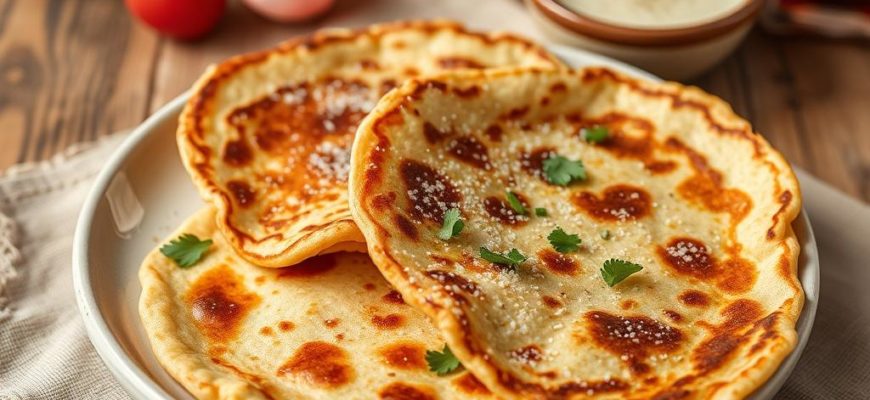
I still remember the first time I pulled apart a hot, flaky msemen and watched honey soak into those thin layers — it felt like discovering a secret tucked into a breakfast plate. There’s something unexpectedly intimate about tearing a piece with your fingers, the crackle, the steam, the mix of butter and sweet or spicy filling. If you love hands-on cooking and foods that reward patience with texture and taste, North African msemen pancakes will become one of those small obsessions you keep returning to. Read on and I’ll walk you through what msemen really are, where they come from, how to make them three different ways, and clever things to eat with them so you don’t stare at the pan wondering what to do next.
- What it is North African Msemen pancakes
- History North African Msemen pancakes
- Where it first appeared North African Msemen pancakes
- Interesting facts about North African Msemen pancakes
- Nutritional value North African Msemen pancakes
- Popularity in different countries North African Msemen pancakes
- 3 best recipes for cooking North African Msemen pancakes
- 1. Classic plain msemen (folded square)
- 2. Sweet msemen with honey and butter
- 3. Savory msemen stuffed with spiced filling
- What to eat with North African Msemen pancakes
- Quick tips for success
What it is North African Msemen pancakes
Msemen are layered, pan-fried flatbreads from the Maghreb — think Morocco, Algeria and Tunisia. The dough is simple: flour, semolina or fine durum, a little yeast or baking powder sometimes, salt and water. The magic happens in the technique. You roll, oil, fold and stretch the dough into a thin sheet, then fold it into a square or spiral so the interior forms many delicate layers. Cooked on a hot griddle or skillet with a little oil or butter, the outside becomes golden and crisp while the interior stays soft and slightly chewy. Depending on how they’re made and named locally, you might see them called msemen, msemmen, rghaif, or meloui — variations in size, thickness and folding give each one a personality.
History North African Msemen pancakes
Msemen are part of a long tradition of layered flatbreads across North Africa and the Middle East. The technique of laminating dough with fat and folding to create layers is old and practical: it stretches small amounts of dough into a satisfying, filling bread. While it’s hard to pin an exact origin date, msemen evolved in the rural kitchens and city homes of the Maghreb, passed down through families. Women traditionally made them for breakfast or as an accompaniment to soups and stews. Over time, travelers and migrants carried msemen beyond North Africa, adapting fillings and serving styles in new places.
Where it first appeared North African Msemen pancakes
Geographically, msemen first appeared across the Maghreb region. Morocco is especially famous for its street vendors and home cooks selling fresh msemen in the mornings. Algeria and Tunisia have very similar breads, sometimes with regional tweaks — different folds, the addition of semolina for crunch, or a preference for certain fillings. The culinary practice likely predates national borders, reflecting centuries of shared ingredients and methods across Berber, Arab and Mediterranean food cultures.
Interesting facts about North African Msemen pancakes
- Names vary: “msemen”, “m’semen”, “meloui” and “rghaif” often describe similar breads with slight shape or fold differences.
- Technique beats fancy ingredients: identical doughs can yield very different textures depending on how thinly you spread and how much fat you use between layers.
- Msemen are versatile: eaten sweet with honey and butter, savory with herbs or meat, or used like a plate to scoop up stews and sauces.
- Street food to family ritual: in some places women make large batches for breakfast gatherings, while street vendors sell freshly cooked msemen to commuters.
Nutritional value North African Msemen pancakes
Nutrition depends on size, ingredients and how much fat is used in cooking. Below is an approximate breakdown for one medium msemen (about 100 g) cooked with moderate oil:
| Component | Per 100 g (approx.) |
|---|---|
| Calories | 300–350 kcal |
| Carbohydrates | 40–50 g |
| Protein | 6–9 g |
| Fat | 12–18 g (depending on oil/butter) |
| Fiber | 1–3 g |
To make them lighter, reduce oil during folding and cooking or make smaller portions paired with protein-rich sides.
Popularity in different countries North African Msemen pancakes
Morocco: Extremely popular, sold fresh at markets and bakeries; often a go-to breakfast with mint tea. Algeria and Tunisia: Common in households, sometimes served with savory stews. France and other European countries: Found in North African immigrant communities and specialty bakeries; gaining wider interest from food lovers and restaurants. Worldwide: Growing among home cooks who love hands-on breads, because msemen are less finicky than laminated pastries but deliver similar flaky reward.
3 best recipes for cooking North African Msemen pancakes
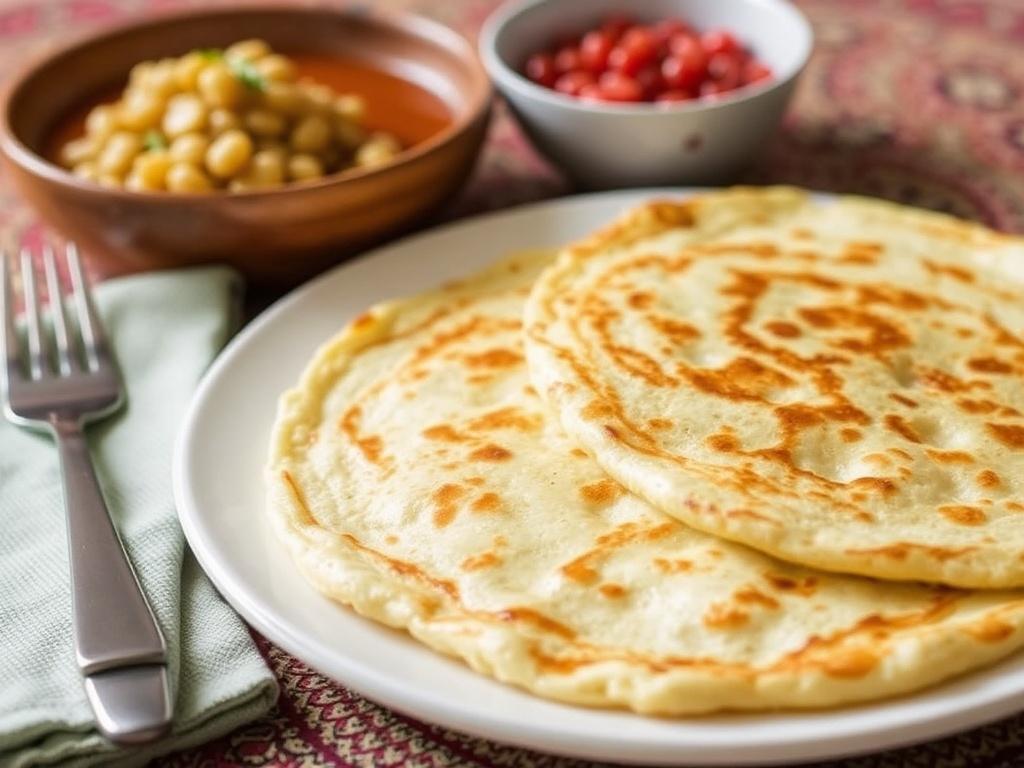
1. Classic plain msemen (folded square)
- Ingredients: 2 cups all-purpose flour, 1 cup fine semolina, 1 tsp salt, 1 tsp sugar, 1–1.5 cups warm water, 2–3 tbsp olive oil or melted butter for laminating, oil for cooking.
- Method: Mix dry ingredients, add water until you have a soft, slightly tacky dough. Rest 20–30 minutes. Divide into balls, coat hands with oil and roll each ball into a thin round. Brush with oil, fold edges to center to make a square, then press flat. Cook on a hot skillet 2–3 minutes per side until golden. Serve hot.
2. Sweet msemen with honey and butter
- Use the Classic plain msemen base.
- After cooking, brush hot msemen with butter and drizzle good flower honey. Tear and dip into mint tea. For a restaurant touch, sprinkle finely chopped almonds or sesame seeds.
3. Savory msemen stuffed with spiced filling
- Filling ideas: sautéed onions, ground lamb or beef with cumin, paprika and cinnamon; or a mixture of spinach, feta and garlic.
- Method: Roll dough thin, spread thin layer of filling, fold carefully to enclose (like a parcel) and pan-fry until both sides are crisp. Serve with yogurt or a tomato-chili sauce.
What to eat with North African Msemen pancakes
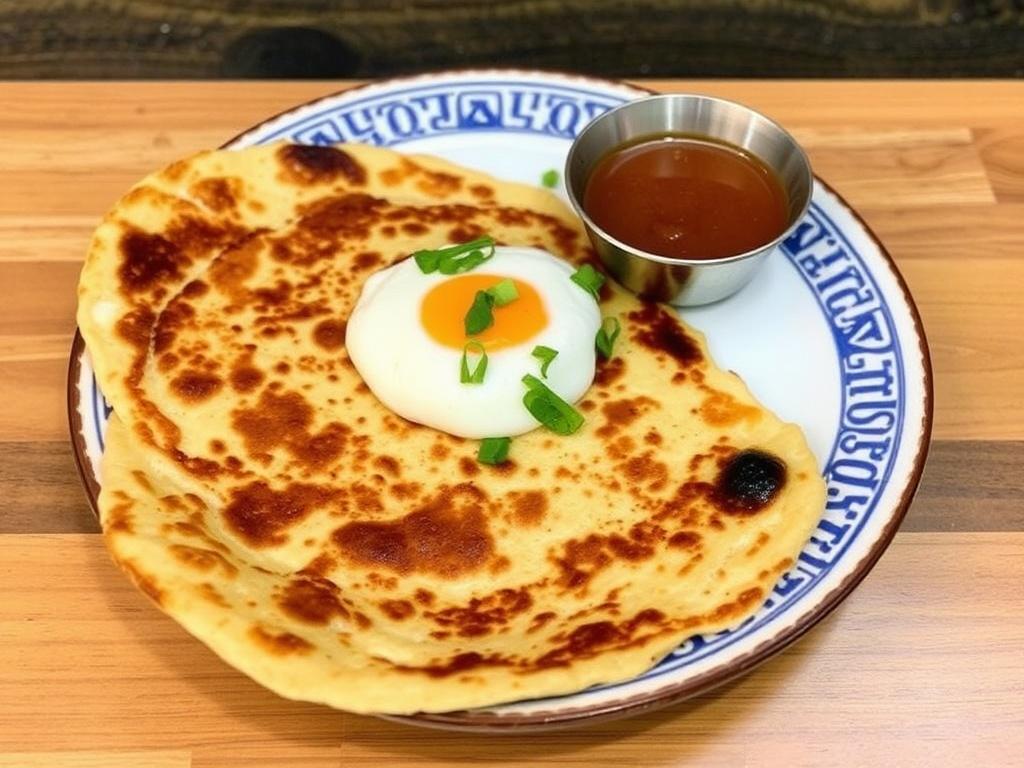
Msemen are social and flexible. For a classic breakfast combine them with strong mint tea, butter and honey. For savory meals serve msemen alongside tagines, shakshuka, or rich lentil soups — they soak up sauces beautifully. Use them as flatbread for wraps with roasted vegetables, grilled meats, or a smear of labneh and fresh herbs. Leftovers reheat well on a skillet; they crisp back up and taste almost as good as fresh.
Quick tips for success
- Oil your hands and workspace generously to make stretching easier.
- Don’t rush the rolling — thinner sheets mean flakier layers.
- Adjust oil quantity to your taste: more oil gives crispier, richer layers; less oil makes them lighter.
If you’ve never made msemen, start with one or two recipes and enjoy the process. The folding feels like a little ceremony and the reward is immediate: a warm, layered pancake that pairs with anything from honey to hearty stews. Once you get the technique, variations come naturally — and you’ll find yourself inventing fillings, just to see how those fragile layers hold them.


