
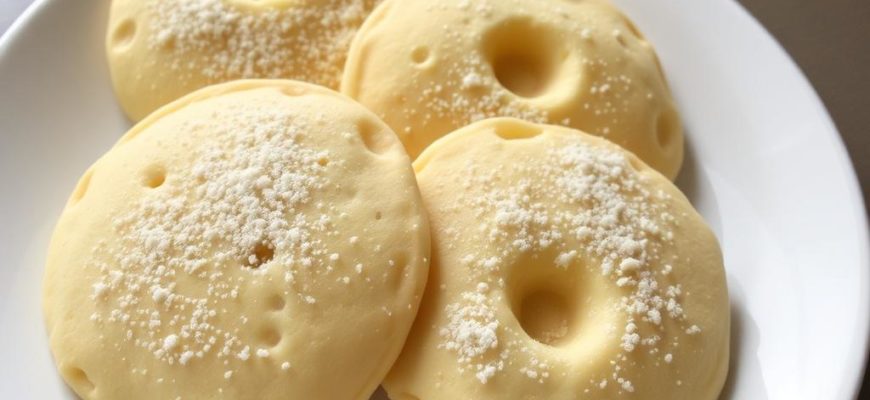
There’s something about a pancake full of little holes that pulls you in — not just because it looks charming, but because those tiny craters promise texture, soak-up power, and a mouthful of flavor. Whether you met them as a spongy Ethiopian injera, a buttery British crumpet, or tiny Dutch poffertjes, pancakes with holes are a group of foods that turn simple batter into a deliciously practical sponge. If you’ve ever wondered how those holes form, where the idea came from, and how to make them at home, read on. You’ll learn practical tips, three reliable recipes, and clever pairings that turn these humble cakes into memorable meals.
- What Pancakes with holes actually are
- The history behind Pancakes with holes
- Where Pancakes with holes first appeared
- Interesting facts about Pancakes with holes
- Nutritional value of Pancakes with holes
- Popularity of Pancakes with holes in different countries
- Three best recipes for cooking Pancakes with holes
- 1. Simple bubbly crumpet-style pancakes
- 2. Basic injera-ish teff pancake (quick fermented)
- 3. Dutch-style poffertjes for small gatherings
- What to eat with Pancakes with holes
What Pancakes with holes actually are
Pancakes with holes are flatbreads or griddle cakes whose surface and interior are full of bubbles that leave noticeable openings once cooked. Those holes appear because of gas — usually carbon dioxide — produced in the batter. The gas can come from fermentation (natural or starter-based), yeast, or chemical leaveners reacting with acid. The result is more than aesthetics: the holes change texture, making the pancake spongy and able to absorb syrups, sauces or broths. Varieties range from thin, lace-edged pancakes to thicker sponge-like rounds, but the defining trait remains the same: an open crumb that soaks up whatever you serve it with.
The history behind Pancakes with holes
The practice of fermenting batters or dough to create airy, hole-filled breads goes back millennia. Many cultures independently discovered that leaving grain batters to sour produces a tastier, longer-lasting product with better texture. In some parts of the world this evolved into flat fermented cakes; in others, into small griddle cakes. Over time regional ingredients and techniques shaped distinct forms: teff batter in the Horn of Africa, rice and coconut in South Asia, wheat and yeast in Northern Europe. So when you taste a holey pancake, you’re sampling an ancient, practical solution to making bread lighter and more flavorful.
Where Pancakes with holes first appeared
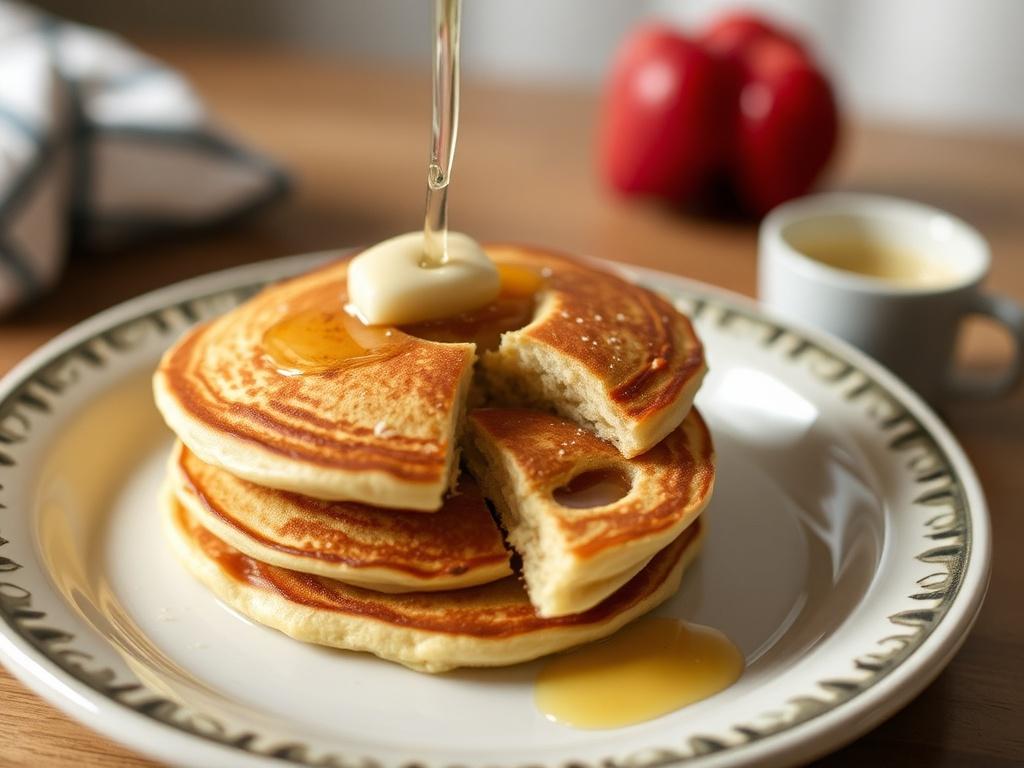
Pinpointing a single birthplace is impossible — fermented flatbreads are ancient and widespread. That said, a few well-known examples have clear regional roots: injera emerged in Ethiopia and Eritrea from teff fermentation; appam developed in South India and Sri Lanka from rice-and-yeast batters; crumpets originated in Britain as a yeast-leavened griddle bread; poffertjes belong to the Netherlands as small, yeasted pancakes. Each region adapted local grains and fermentation methods, so while the technique is global, local ingredients tell a clear story.
Interesting facts about Pancakes with holes
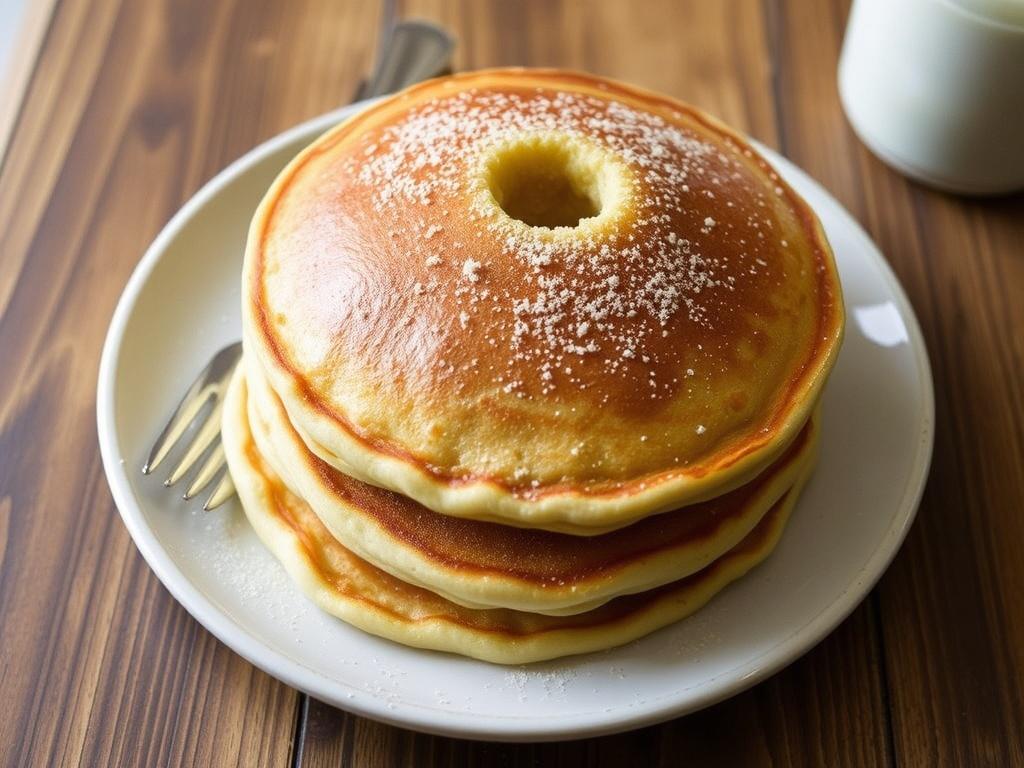
- Injera is both plate and utensil in Ethiopian cuisine — you tear pieces to scoop stews, and the holes absorb sauce.
- Crumpets are cooked on a griddle with rings to force an even shape; the holes form on the surface from trapped bubbles.
- Poffertjes use yeast and buckwheat for a slightly tangy flavor; they’re traditionally cooked in a special pan with shallow molds.
- Fermentation not only produces holes; it also increases flavor complexity and can improve nutrient availability in the grain.
Nutritional value of Pancakes with holes
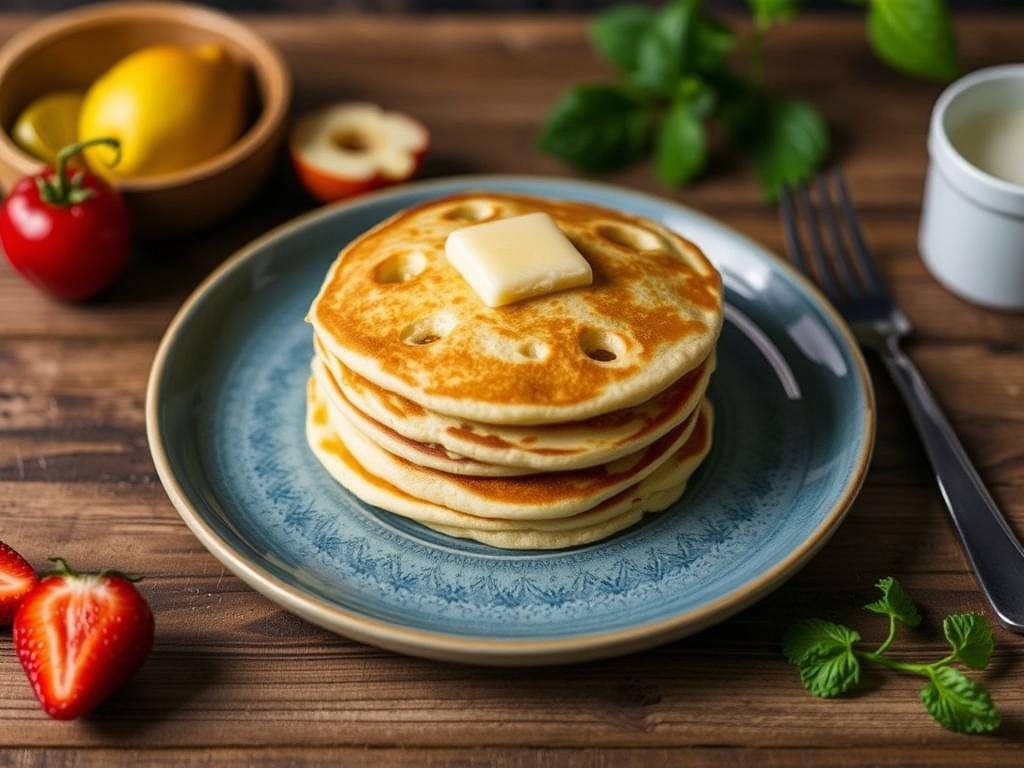
Nutritional profile varies with ingredients and preparation. Here’s a simple comparison of common types to help you choose:
| Type | Main ingredient | Typical benefits |
|---|---|---|
| Injera | Teff (fermented) | Higher iron and fiber than wheat, naturally gluten-free if pure teff |
| Appam | Rice and coconut, fermented | Moderate carbs, light and easy to digest |
| Crumpet | Wheat, yeast | Simple carbs, moderate protein if milk/egg added |
| Poffertjes | Wheat/buckwheat, yeast | Small portions, often richer due to butter |
Popularity of Pancakes with holes in different countries
These pancakes show up worldwide in different guises. In Ethiopia and Eritrea, injera is a daily staple. In South India and Sri Lanka, appam accompanies curries and stews. Britain sells crumpets in supermarkets and cafés, often toasted with butter and jam. The Netherlands celebrates poffertjes at fairs and markets. Across the globe, local tastes shape how pancakes with holes are served: savory in East Africa and South Asia, sweet in Northern Europe.
Three best recipes for cooking Pancakes with holes
1. Simple bubbly crumpet-style pancakes
Mix 250 g plain flour, 1 tsp sugar, 1 tsp salt, 1 tsp instant yeast. Add 300 ml warm milk and 1 beaten egg. Rest 1 hour until bubbly. Heat a nonstick pan on medium, grease lightly and use a 10 cm ring to pour batter. Cook until holes dot the surface and edges set, flip briefly and finish. Serve hot with butter.
2. Basic injera-ish teff pancake (quick fermented)
Combine 250 g teff flour with 300 ml water and a pinch of salt, cover and leave at room temperature 24–48 hours until tangy and bubbly. Thin with water to a crepe-like batter. Heat a nonstick skillet, pour a thin layer, cover and steam briefly. The top should show many holes. Use as a plate for stews.
3. Dutch-style poffertjes for small gatherings
Make batter with 200 g all-purpose flour, 50 g buckwheat flour, 1 tsp instant yeast, 1 tbsp sugar, 300 ml warm milk and 1 beaten egg. Rest 30–45 minutes. Cook in a poffertjes pan or small molds, flipping once. Serve with butter and powdered sugar or syrup.
What to eat with Pancakes with holes
Pancakes with holes are versatile. Match them to simple toppings to highlight their texture.
- For injera, serve with spicy stews (wats), lentils and vegetable sides so the pancake soaks up the sauce.
- Appam pairs beautifully with coconut-based curries or a mildly spiced vegetable stew.
- Crumpets like butter, jam or honey; toast them so the holes catch melted butter beautifully.
- Poffertjes are best with powdered sugar, butter and a drizzle of syrup or fruit compote.
If you want a single takeaway: pancakes with holes are about function as much as flavor. The holes make them better vessels for sauces, and the fermentation or leavening that creates those holes gives a depth of taste you don’t get from a uniform pancake. Try one of the recipes above, and notice how much more satisfying your breakfast or meal becomes when you let the batter breathe.


