

Have you ever stumbled upon something so simple yet incredibly satisfying that it instantly becomes a comfort food obsession? Dutch pancakes fall precisely into that category. These golden, thin pancakes invite you for a cozy experience with every bite, whether sprinkled with sweet toppings or layered with savory goodies. If you’ve only ever tried the classic American pancake or French crêpe, Dutch pancakes might surprise you with their unique texture and delightful taste. Ready to explore everything from where they first appeared to the tastiest ways to savor them? Let’s dive right in and unlock the story and secrets behind one of the most inviting dishes you’ll ever meet in the breakfast world.
- What Are Dutch Pancakes Exactly
- The Story Behind Dutch Pancakes: A Little History
- Where Dutch Pancakes First Appeared
- Fascinating Facts About Dutch Pancakes
- The Nutritional Value of Dutch Pancakes
- How Dutch Pancakes Became Popular Around the World
- Three Tried-and-Tested Recipes to Make Dutch Pancakes at Home
- Basic Dutch Pancake Batter
- Apple Cinnamon Dutch Pancakes
- Savory Bacon and Cheese Dutch Pancakes
- Perfect Pairings: What to Eat with Dutch Pancakes
What Are Dutch Pancakes Exactly
Dutch pancakes, or “pannenkoeken” as they’re called in the Netherlands, are a special kind of flatcake, larger and thinner than the fluffy American pancake but not quite as delicate as a French crêpe. They strike a perfect balance due to their larger size—sometimes impressive enough to fill an entire plate—and their tender, slightly chewy texture. Unlike the typical breakfast flapjack smothered in syrup, Dutch pancakes often act as an entirely self-contained meal. Their batter contains fewer raising agents, which means they spread thin and cook evenly in a pan.
Traditionally, they’re served plain or topped with a variety of sweet or savory ingredients, from powdered sugar and stroop (a thick, sweet syrup) to bacon and cheese. Because of their versatility, Dutch pancakes are as common at breakfast as they are at lunch or dinner in the Netherlands.
The Story Behind Dutch Pancakes: A Little History
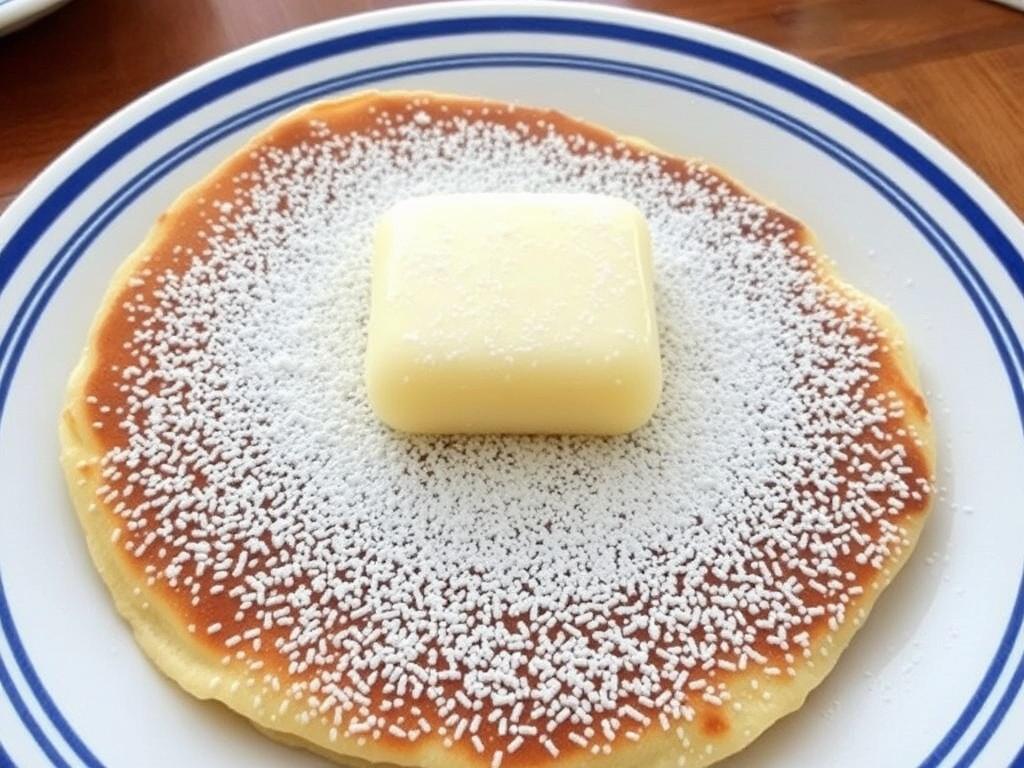
Dutch pancakes have a rich history deeply embedded in Dutch culture, dating back centuries. Like many traditional recipes, the origin is hard to pinpoint precisely, but historians agree that pancakes have existed in some form in the region for hundreds of years. Originally, these pancakes were a practical solution to avoid wasting leftover batter or bits of flour, cooked thin and quickly to feed hungry families.
Over time, the recipe was refined, becoming a staple street food and home-cooked favorite. The Dutch obsession with their pancakes even birthed “pannenkoekenhuizen,” pancake houses sprinkled across towns where one can feast on these giant treats for hours. These establishments are a cultural hallmark, showing just how beloved Dutch pancakes have become.
Where Dutch Pancakes First Appeared
While pancakes in some form exist across many cultures, Dutch pancakes first appeared in the Netherlands, naturally. They’re a regional spin on the basic pancake formula but have adapted to the local ingredients and tastes. Early recipes show that they were closely connected to the rural, agrarian lifestyle—an easy way to use grain and eggs without wastage.
From small village homes to bustling cities, Dutch pancakes were never confined solely to breakfast tables. Their sizable serving and hearty nature made them practical for lunch and dinner, especially when topped with meats or mushrooms. As the Netherlands traded and traveled, the pancake tradition spread throughout Europe but retained a uniquely Dutch identity at the core.
Fascinating Facts About Dutch Pancakes
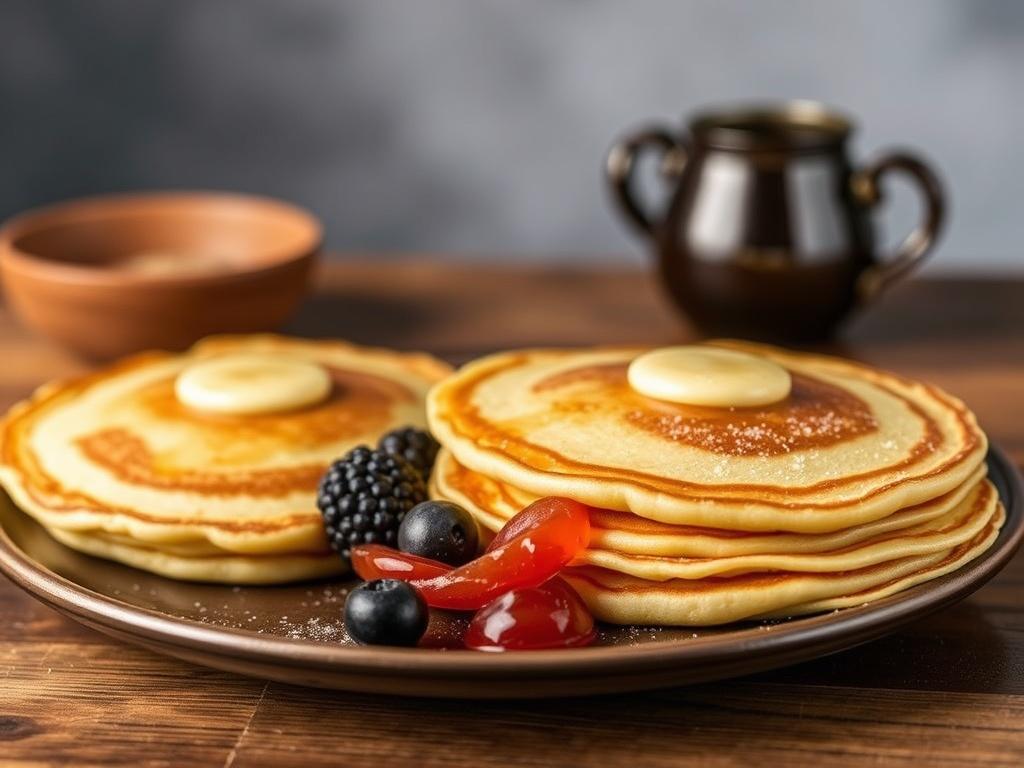
- Dutch pancakes can often reach up to 12 inches or more in diameter, making them a real treat to share.
- Unlike crêpes, many Dutch pancake recipes include milk and sometimes beer for a slight fermentation effect and richer flavor.
- There’s even a pancake race tradition in some Dutch towns where runners carry a skillet with batter and flip the pancake while sprinting!
- Stroop, a popular syrup topping, is made from sugar beet and has been a favorite since the 19th century.
- Some variations include unique fillings mixed into the batter, like apples or bacon, making every bite a surprise.
The Nutritional Value of Dutch Pancakes
Dutch pancakes, like most pancakes, vary in nutrition depending on their ingredients and toppings. At their simplest, the batter consists of flour, milk, eggs, and a pinch of salt, offering a decent mix of protein and carbohydrates.
| Component | Approximate Amount per 100g |
|---|---|
| Calories | 220-250 kcal |
| Protein | 7 grams |
| Carbohydrates | 30 grams |
| Fat | 8-10 grams |
| Fiber | 1-2 grams |
Add toppings like syrup, sugar, or bacon, and the calorie count will rise. But, thanks to their size, Dutch pancakes can form a complete meal rather than just a snack. Highlighting fresh fruit or vegetables as sides is a great way to keep this rustic treat balanced.
How Dutch Pancakes Became Popular Around the World
Though Dutch pancakes might seem like a niche specialty at first glance, their popularity has quietly expanded beyond the borders of the Netherlands. You’ll find Dutch pancake restaurants in places like the U.S., Australia, and parts of Europe where local food enthusiasts crave authentic or adapted versions.
One reason for this growing interest is the pancakes’ flexibility—they lend themselves to both sweet and savory preferences, suiting almost every palette. Food festivals showcasing Dutch heritage often feature pannenkoeken, helping spread their fame. Thanks to easy-to-follow recipes posted online and cookbooks, more home cooks have started to try making these pancakes from scratch, appreciating how satisfying and approachable they are.
Three Tried-and-Tested Recipes to Make Dutch Pancakes at Home
Basic Dutch Pancake Batter
- 1 cup all-purpose flour
- 1 ¼ cups whole milk
- 2 large eggs
- Pinch of salt
- Butter for cooking
Mix the flour, milk, eggs, and salt until smooth. Heat a pan with a little butter, pour in batter to cover the base thinly but generously, cook until edges lift, flip and finish.
Apple Cinnamon Dutch Pancakes
- Basic batter (above)
- 1 apple, thinly sliced
- 1 tsp cinnamon
- Sugar for sprinkling
Add cinnamon to batter. Pour half the batter into the pan, arrange apple slices on top, then cover with more batter. Cook until golden and serve with powdered sugar or maple syrup.
Savory Bacon and Cheese Dutch Pancakes
- Basic batter
- 4 strips cooked bacon, chopped
- ½ cup grated Gouda or cheddar cheese
- Fresh chives (optional)
Sprinkle bacon and cheese over half-cooked pancake, flip carefully to melt cheese. Garnish with chives for an authentic Dutch twist.
Perfect Pairings: What to Eat with Dutch Pancakes
One of the best parts about Dutch pancakes is the endless possibilities for toppings and sides. On the sweet side, think powdered sugar, fresh berries, stroop syrup, or even whipped cream. On the savory, bacon and cheese are classic, but mushrooms, spinach, and smoked salmon feel just as at home.
For drinks, a cup of strong Dutch coffee or a glass of fresh juice complements the meal nicely, turning simple pancakes into a leisurely feast. If you want something extra, applesauce or fruit compote add brightness and moisture.
In short, Dutch pancakes invite you to experiment with flavors, textures, and combinations. They’re no ordinary flapjack—they’re an open plate for your creativity and taste buds.
—
If you’ve been curious about a new pancake adventure or just want a delicious weekend project, Dutch pancakes offer that perfect blend of tradition and comfort. Made with simple ingredients but packed with character, they bring a little piece of Dutch culture to your table and maybe even a new favorite breakfast ritual.


