

Serabi pancakes sneak up on you. At first glance they look simple — a small, round pancake made from rice flour and coconut milk — but one bite reveals layers of texture and flavor: the slight chew of rice, the mellow sweetness of coconut, the caramel notes of gula jawa or coconut sugar. Street stalls, morning markets and ceremonial tables across Indonesia keep at least a dozen versions of serabi alive. If you love food that tells a story through ingredients and technique, stick around. There’s history, regional drama, surprising pairings and three recipes you can actually make at home without exotic tools.
- What Indonesian Serabi pancakes are and why they matter
- History of Indonesian Serabi pancakes
- Where serabi first appeared and how regions shaped them
- Interesting facts about Indonesian Serabi pancakes
- Nutritional value of Indonesian Serabi pancakes
- Popularity in different countries and where to find serabi today
- 3 best recipes for cooking Indonesian Serabi pancakes
- 1. Classic sweet serabi with kinca (coconut sugar syrup)
- 2. Savory Bandung serabi with oncom
- 3. Modern banana-chocolate serabi
- What to eat with Indonesian Serabi pancakes
What Indonesian Serabi pancakes are and why they matter
Serabi are traditional Indonesian pancakes made primarily from rice flour and coconut milk, sometimes leavened with a little yeast or fermented starter for airiness. They come in many shapes and textures — some are thin and lacy at the edges with a soft center, others are thicker and almost custard-like. Toppings vary wildly: a sweet coconut sugar syrup called kinca is common, grated coconut, jackfruit, banana, or even savory options like oncom or shredded chicken. Beyond taste, serabi reflect regional identity: the way one village cooks serabi can differ from the next, and each version carries a local preference for sweetness, texture and toppings.
History of Indonesian Serabi pancakes
Serabi have roots in the Indonesian archipelago’s long rice culture. Rice flour-based cakes are ancient, appearing in many forms across Southeast Asia. Over centuries, serabi evolved alongside coconut cultivation and local sweeteners like palm sugar. They feature in rituals and everyday life: in Java, serabi sometimes appear as offerings at ceremonies, which hints at their cultural weight. The recipe adapted to what was available: charcoal-fired clay pans gave them a slightly smoky note, coconut milk added richness, and local sweeteners created the signature caramelized surface some versions are loved for.
Where serabi first appeared and how regions shaped them
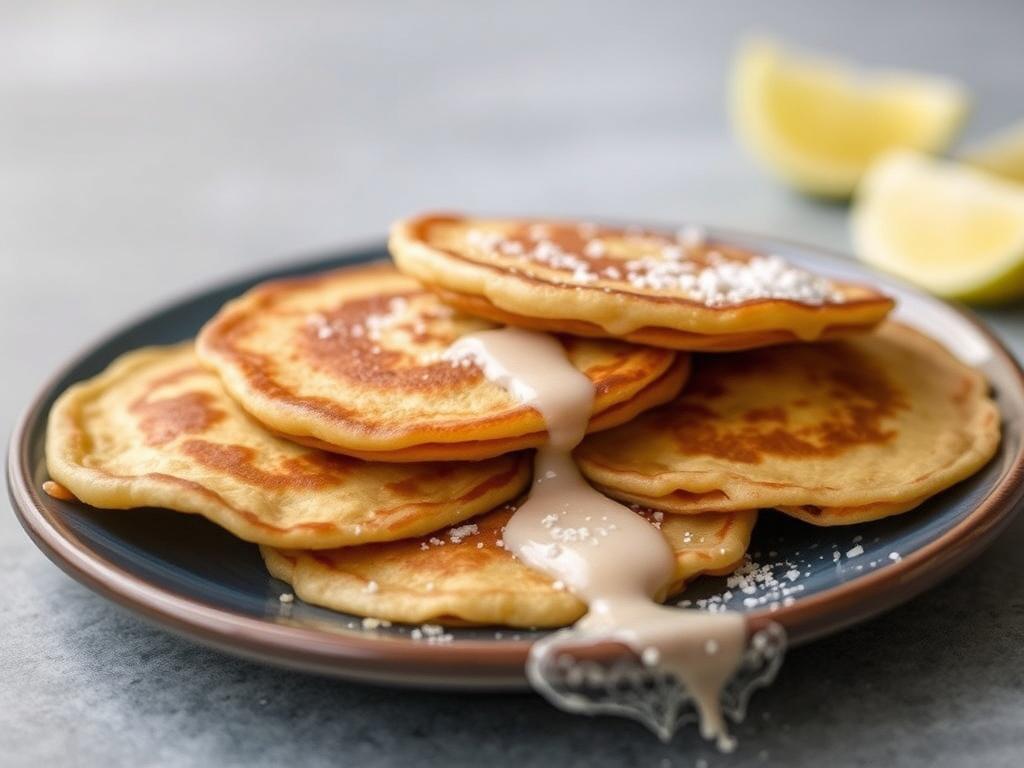
Pinpointing a single birthplace is tricky, but Java is often credited for many classic serabi styles. Cities on Java, such as Solo and Yogyakarta, developed distinctive takes — Solo favors a softer, custardy serabi; Bandung in West Java popularized savory versions with oncom. Bali and other islands adapted the dish to local tastes and ingredients. The spread of serabi followed trade routes and migration, so each island introduced its own spin. The pan used — a small, rounded mould often made of clay — and the charcoal heat are two traditional elements that shaped serabi’s characteristic texture.
Interesting facts about Indonesian Serabi pancakes
- Traditional pans: Serabi are often cooked in small clay pans placed over charcoal, which gives a subtle smoky aroma.
- Two texture families: Some serabi are thin and crisp at the edges, others are thick and slightly custard-like in the center.
- Cultural role: In some Javanese rituals, serabi are offered to ancestors or deities, showing they’re more than street food.
- Sweet and savory lives: The same basic batter supports both dessert-like and savory versions — the toppings do the heavy lifting.
- Modern revival: Street chefs now experiment with chocolate, cheese and ice cream toppings while small cafés rework serabi into brunch items.
Nutritional value of Indonesian Serabi pancakes
Serabi are moderate in calories but can be rich due to coconut milk and sugar. Here’s a typical nutritional snapshot for a 100 g serving of a standard sweet serabi (approximate values):
| Component | Amount (per 100 g) |
|---|---|
| Calories | 180–220 kcal |
| Carbohydrates | 25–30 g |
| Fat | 7–12 g (from coconut milk) |
| Protein | 2–4 g |
| Sugar | 8–15 g (depends on syrup/topping) |
If you swap coconut milk for low-fat alternatives or reduce sweetener, calories drop. Savory serabi with oncom or vegetables changes the profile, adding protein and fiber.
Popularity in different countries and where to find serabi today
Serabi remain most popular in Indonesia, sold at markets, street stalls and specialty stalls. Outside Indonesia, you’ll find serabi in areas with Indonesian communities — the Netherlands is a notable example, with Indonesian cuisine woven into its culinary scene. In Southeast Asia, neighboring countries sometimes carry similar rice-flour pancakes, though local names and toppings differ. Lately, trendy cafés worldwide borrow the idea: rice-based pancakes with exotic toppings, marketed as “Indonesian-style” treats. That fusion helps serabi reach new audiences while keeping the originals alive back home.
3 best recipes for cooking Indonesian Serabi pancakes
1. Classic sweet serabi with kinca (coconut sugar syrup)
Ingredients
- 125 g rice flour
- 200 ml coconut milk
- 1 tsp active dry yeast or 1 tbsp fermented starter
- Pinch of salt
- For kinca: 100 g palm sugar, 50 ml water, a pinch of salt
Method
- Mix rice flour, coconut milk, yeast and salt. Let sit 30–60 minutes to ferment lightly.
- Make kinca by melting palm sugar with water until syrupy, simmer 5–10 minutes.
- Heat small pans on medium heat, grease lightly. Pour batter to form 8–10 cm rounds.
- Cover and cook until set. Serve warm with kinca and grated coconut.
2. Savory Bandung serabi with oncom
Ingredients
- Basic batter as above
- 100 g oncom (fermented soybean cake) crumbled and sautéed with shallot, garlic, a pinch of chili
- Salt and a dash of kecap manis (sweet soy) to taste
Method
- Prepare batter and pan as above.
- Spoon batter into pan, top with a small amount of sautéed oncom before it sets.
- Cook until edges crisp slightly and center is set. Serve with sambal or raw shallot slices.
3. Modern banana-chocolate serabi
Ingredients
- Basic batter with a touch of sugar and vanilla
- Sliced banana and dark chocolate chips
- Optional: condensed milk or shredded coconut for finishing
Method
- Pour batter, add banana slices and a few chocolate chips on top before it sets.
- Cook until just set. Drizzle condensed milk or sprinkle coconut to finish.
What to eat with Indonesian Serabi pancakes

Serabi are versatile. Traditional pairings include:
- Kinca (palm sugar syrup) and grated coconut for classic sweetness.
- Fresh fruits like banana or jackfruit for texture contrast.
- Savory toppings such as oncom, shredded chicken, or sambal for a lunchable snack.
- Modern twists: cheese, chocolate, condensed milk or ice cream if you want dessert vibes.
Experiment: try serabi with a hot strong coffee to balance the sweetness, or pair a savory serabi with a light vegetable salad for a more meal-like experience.
If you’ve never had serabi or you remember just a pale roadside version, try making one of the recipes above. It’s a compact way to taste Indonesian tradition and see how simple ingredients transform with heat and a bit of technique.


