

There’s a simple pleasure in a hot, slightly crisp pancake that isn’t trying to be anything but honest food — that’s pan bati. If you’ve never met Aruban pan bati pancakes, get ready: they’re part pancake, part flatbread and all personality. They come from kitchens where resourcefulness met flavor: cornmeal, a splash of milk, an egg, a pinch of salt, and often a little sugar or cheese, turned into something you can eat with your hands, fold, dunk or top. Stick around and I’ll walk you through what they are, where they came from, why locals love them, and three solid recipes so you can cook them at home.
- What Are Aruban pan bati pancakes
- History of Aruban pan bati pancakes
- Where Pan Bati First Appeared on Aruba and Nearby Islands
- Interesting Facts about Aruban pan bati pancakes
- Nutritional Value of Aruban pan bati pancakes
- Popularity in Different Countries Aruban pan bati pancakes
- 3 Best Recipes for Cooking Aruban pan bati pancakes
- 1. Classic Aruban Pan Bati
- 2. Savory Cheese Pan Bati
- 3. Gluten-Free Corn-Only Pan Bati
- Quick comparison table
- What to Eat with Aruban pan bati pancakes
What Are Aruban pan bati pancakes
Aruban pan bati pancakes are small, round griddled cakes made from a batter that usually blends cornmeal and wheat flour, along with milk or water, eggs and a bit of fat. The texture sits between a dense pancake and a soft flatbread — chewy in the middle, with edges that can crisp in a hot pan. In Aruba they show up at breakfast, on the street, and alongside stews. You can eat them sweet with syrup or guava jam, or savory with cheese, stewed meat or salted fish. Their adaptability is one reason they’ve endured.
History of Aruban pan bati pancakes
Pan bati’s story is layered. The basic idea — making a batter from ground grain and cooking it on a hot surface — is ancient and appears in many cultures. On Aruba, influences came from indigenous Arawak cooking techniques, African culinary traditions brought by enslaved people, and European ingredients introduced by colonizers. Over time, pan bati evolved into a local staple: inexpensive, quick, and comforting. Families would tweak the recipe depending on what was available, so every household could claim a slightly different pan bati.
Where Pan Bati First Appeared on Aruba and Nearby Islands
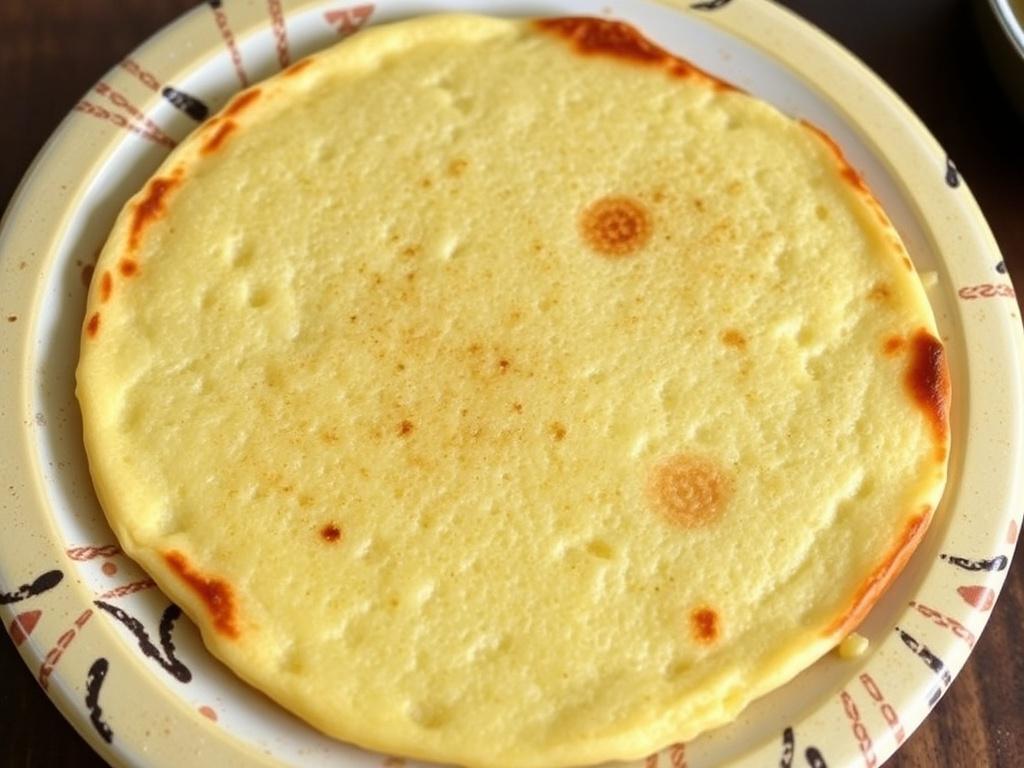
The pan bati we know today is rooted in the ABC islands region — Aruba, Bonaire and Curaçao — but Aruba holds a special attachment to it. Markets, roadside stalls and home kitchens across the island have kept the pancake alive. From there, variations traveled across the Caribbean and into the Netherlands with migration, but Aruba remains one of the places that most fiercely preserves the traditional pan bati style and name.
Interesting Facts about Aruban pan bati pancakes
- “Pan bati” literally translates to “beaten bread” in Papiamento, highlighting the simple action of mixing or beating batter rather than kneading dough.
- They’re eaten at any time of day — breakfast, snack, or an accompaniment to hearty dinner stews.
- Street vendors sometimes press the batter thinner for a crispier version, showing how technique changes texture dramatically.
- They serve as a culinary bridge: familiar to those who know cornbread, yet unique in consistency and serving customs.
Nutritional Value of Aruban pan bati pancakes
Nutritionally, pan bati are carbohydrate-forward thanks to cornmeal and flour. Eggs and milk add protein and fat, while added sugar or frying increases calories. A typical home-style pan bati is moderate in calories and can be made healthier by using less sugar, baking powder in moderation, or mixing in whole-grain cornmeal. If you need a dairy-free version, water or plant milk works fine. If you want to keep them filling without excess calories, pair pan bati with lean protein or vegetables rather than heavy syrups.
Popularity in Different Countries Aruban pan bati pancakes
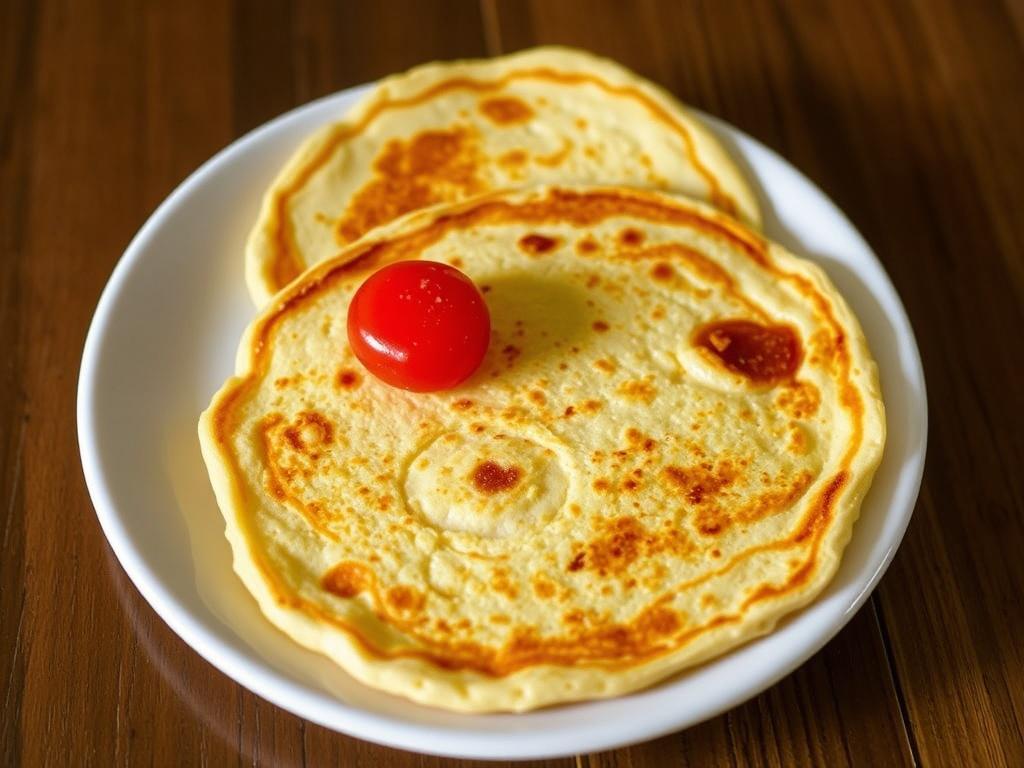
Aruban pan bati pancakes are most popular in Aruba and the neighboring islands, but they’ve also found fans among Caribbean diasporas in the Netherlands and the United States. In Netherlands’ Antillean restaurants you’ll often find pan bati on menus, sometimes adapted to local tastes. Interest grows among foodies who like regional specialties — simple, authentic dishes that tell a place’s story.
3 Best Recipes for Cooking Aruban pan bati pancakes
1. Classic Aruban Pan Bati
Ingredients:
- 1 cup cornmeal
- 1/2 cup all-purpose flour
- 1 cup milk (or water)
- 1 egg
- 1 tbsp sugar (optional)
- 1 tsp baking powder
- Pinch of salt and a little butter or oil for the pan
Method:
- Whisk dry ingredients. Add milk and beaten egg, stir to a thick batter.
- Heat a skillet, add a little fat, spoon batter to make 4–5-inch rounds.
- Cook until edges set and bubbles appear, flip and cook until done. Serve warm.
2. Savory Cheese Pan Bati
Ingredients:
- Same base as Classic, reduce sugar to 1 tsp or omit
- 1/2 cup grated hard cheese (like Gouda or local white cheese)
- Pinch of pepper
Method:
- Fold cheese into batter. Cook as above — cheese melts into the pancake for a savory twist.
3. Gluten-Free Corn-Only Pan Bati
Ingredients:
- 1 1/4 cups fine cornmeal
- 1 cup warm water or plant milk
- 1 egg or flax egg for vegan
- 1 tsp baking powder (ensure gluten-free)
- Salt and oil for cooking
Method:
- Mix to a batter slightly thicker than pancake batter. Let rest 10 minutes so cornmeal hydrates.
- Cook in a hot skillet until golden, flip carefully — these are more delicate but full of corn flavor.
Quick comparison table
| Recipe | Texture | Diet Notes | Best With |
|---|---|---|---|
| Classic | Soft, slightly crisp edges | Contains gluten/dairy (can substitute) | Syrup, jam, stews |
| Cheese | Rich, melty center | Higher fat/protein | Stewed meats, salad |
| Gluten-Free | Tender, corn-forward | Gluten-free friendly | Savory toppings, fish |
What to Eat with Aruban pan bati pancakes
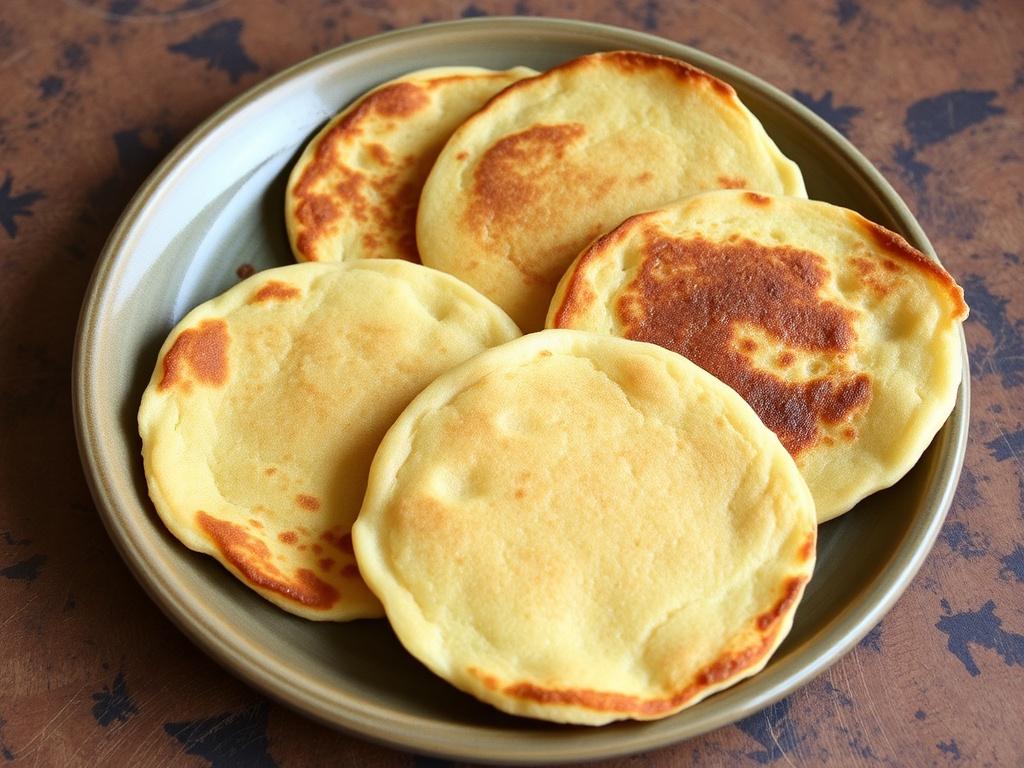
Pan bati plays well with bold, contrasting flavors. Try it with:
- Soft white cheese or grated aged cheese for salty contrast.
- Guava jam, honey or syrup when you want sweet.
- Stewed goat, spiced chicken or pulled pork for a hearty meal.
- Salted cod or fish stews for a true island pairing.
- Fresh toppings like chopped avocado, tomato salsa or a squeeze of lime for brightness.
Pan bati is forgiving. Use it as a plate, a side, or a pocket for leftovers.
If you cook one batch, you’ll see why Aruban pan bati pancakes survive and thrive: they’re quick, flexible and deeply satisfying. Try the classic first to understand the rhythm, then experiment — add cheese, or coconut milk, or fold in chopped herbs. They’re simple to make and impossible to ignore once you fall for that warm, slightly toasty bite.


