

There’s something almost magical about a meal that’s at once cozy, simple, and endlessly versatile, and Dutch pancakes fit that bill perfectly. If you’ve only glimpsed these beauties from afar, you’re missing out on a whole world where thin, flexible pancakes mingle with sweet and savory toppings, from powdered sugar to smoked salmon. The texture, the smell, the way they flip lightly in a pan—Dutch pancakes bring a sense of home and adventure at the same time. Ready to explore what makes them so special? Buckle up, because this isn’t just about food; it’s a story, a culture, and a feast rolled into one.
- What Are Dutch Pancakes Exactly
- A Brief Journey Through Dutch Pancakes History
- Where Dutch Pancakes First Took Shape
- Fascinating Facts About Dutch Pancakes You Might Not Know
- Understanding the Nutritional Value of Dutch Pancakes
- How Dutch Pancakes Gain Popularity Across Countries
- Three Tried and True Recipes to Cook Dutch Pancakes at Home
- Classic Dutch Pancake
- Apple and Cinnamon Dutch Pancakes
- Savory Bacon and Cheese Pancake
- What Complements Dutch Pancakes Perfectly
What Are Dutch Pancakes Exactly
Dutch pancakes, or ‘Pannenkoeken’ as they’re called in the Netherlands, aren’t just any ordinary pancakes. They are larger and thinner than the American flapjacks but thicker and sturdier than French crêpes. Imagine a pancake that’s flexible enough to roll or fold yet strong enough to hold all sorts of fillings without falling apart. This style of pancake is traditionally made with a batter of flour, milk, eggs, and a pinch of salt, sometimes enriched with a bit of sugar or butter. The batter is cooked on a flat pan or skillet until the edges become golden and crispy, while the inside remains soft and tender. These pancakes serve as a blank canvas, ready to be dressed up with either sweet toppings like syrup, fruit, and whipped cream or savory options such as bacon, cheese, and mushrooms.
A Brief Journey Through Dutch Pancakes History
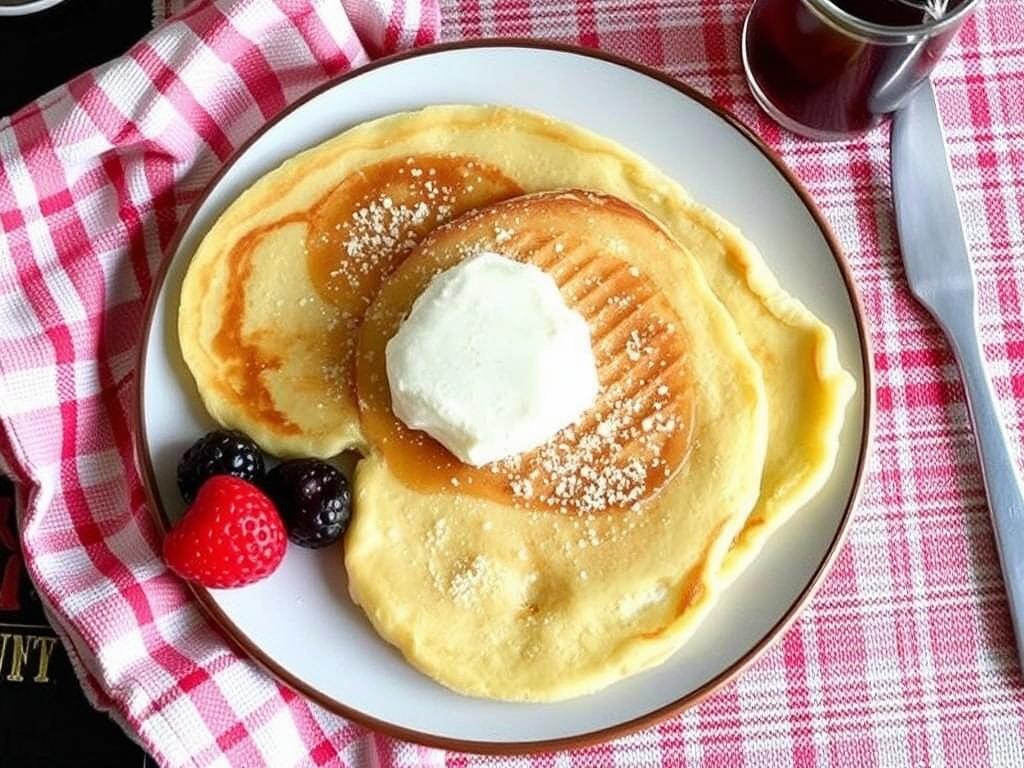
Tracing the origins of Dutch pancakes is like peeling back the layers of centuries. Pancakes have been a universal comfort food for ages, but the Dutch put their own unique stamp on them. Historically, Dutch pancakes come from a time when simple ingredients had to stretch across meals and seasons. Flour, eggs, and milk were often the basis of many peasant dishes, and pancakes were a perfect way to make a little stretch far — nutritious, filling, and easy to customize. Over time, as Dutch society grew more prosperous, these pancakes shifted from humble fare to beloved treats found in homes and specialized eateries alike. The recipe has evolved, but the tradition remains strong, a culinary thread winding through Dutch kitchens for hundreds of years.
Where Dutch Pancakes First Took Shape
It’s well-documented that pancakes have popped up in one form or another all over Europe, yet the particular style we call Dutch pancakes originated firmly in the Netherlands. Regions like Friesland and North Holland are especially famous for their pannenkoeken. What’s fascinating is how these pancakes were influenced by local farming practices—Dutch dairy farming was abundant, so milk and butter were always close at hand, enriching the basic flour-and-water pancake into something far richer. Villages and towns maintained their own pancake traditions, with variations in batter thickness, size, and preferred toppings reflecting local tastes.
Fascinating Facts About Dutch Pancakes You Might Not Know
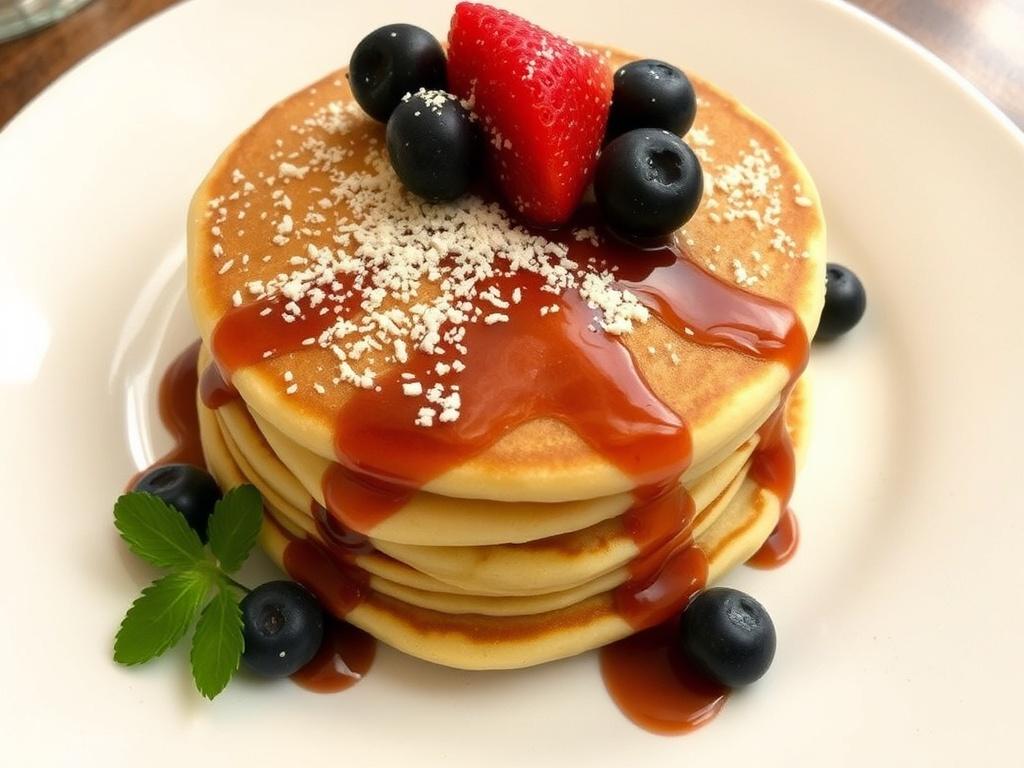
- Unlike American pancakes, which are served stacked, Dutch pancakes are usually eaten one at a time, individually topped and folded.
- There’s an actual Dutch Pancake Day, called ‘Pannenkoekdag,’ celebrated in schools to mark the start of Carnival season, reflecting how ingrained this dish is in Dutch culture.
- Many Dutch pancake houses pride themselves on gigantic pancakes, sometimes as large as a dinner plate or more, turning the mealtime into a fun challenge.
- Dutch pancakes can be baked with ingredients right in the batter: think apples, raisins, or even bacon added before cooking.
- Some traditional recipes call for buckwheat flour, giving the pancakes an earthier flavor and darker color.
Understanding the Nutritional Value of Dutch Pancakes
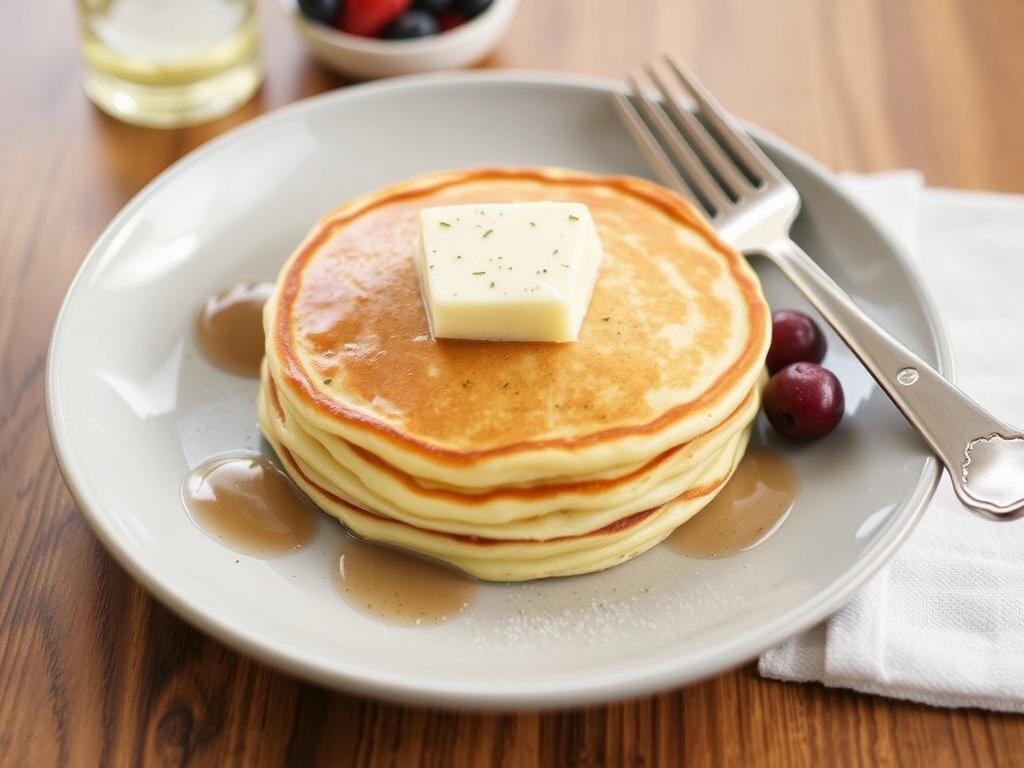
Dutch pancakes, while delicious, vary nutritionally depending on the recipe and toppings. At their core, the batter offers carbohydrates from the flour, proteins from the eggs, and fat from the milk or butter. When eaten plain, a medium-sized pancake typically has around:
| Component | Amount per Pancake |
|---|---|
| Calories | 220 – 250 kcal |
| Carbohydrates | 30-35 g |
| Protein | 7-8 g |
| Fat | 7-10 g |
Adding sweet toppings like syrup or powdered sugar adds to the calorie count, while savory options such as cheese or bacon increase fat and protein. For a balanced meal, think about combining Dutch pancakes with fresh fruit or a light salad.
How Dutch Pancakes Gain Popularity Across Countries
Though unmistakably Dutch, these pancakes have found enthusiastic fans worldwide. In the United States, some trendy brunch spots feature Dutch pancakes for their large size and playful toppings. Australia and Canada have embraced ‘pannenkoeken’ at festivals celebrating Dutch culture. Even within Europe, they stand out next to the ubiquitous French crêpe, offering a heartier alternative. Their appeal lies in the balance between comfort and variety—whether you want a simple vanilla sugar pancake or a savory treat loaded with cheese and herbs, Dutch pancakes show up ready to satisfy. Food bloggers and home cooks alike share customized recipes and topping ideas, making the tradition contemporary and accessible.
Three Tried and True Recipes to Cook Dutch Pancakes at Home
Classic Dutch Pancake
- 1 cup all-purpose flour
- 1 1/4 cups milk
- 2 large eggs
- Pinch of salt
- Butter or oil for frying
Mix ingredients until smooth. Heat butter in a pan over medium heat. Pour in enough batter to cover the pan thinly. Cook until edges crisp, flip, cook briefly on the other side. Serve with powdered sugar or syrup.
Apple and Cinnamon Dutch Pancakes
Add thinly sliced apples and 1 teaspoon cinnamon to the batter before cooking. Proceed as above. The apples soften in the pan and caramelize slightly, creating a warm, fragrant pancake perfect for autumn mornings.
Savory Bacon and Cheese Pancake
Add cooked, crumbled bacon and grated cheese (such as Gouda or cheddar) to the batter. Cook as usual, then sprinkle extra cheese on top right before serving for a melty finish. Great with fresh herbs like chives or parsley.
What Complements Dutch Pancakes Perfectly
Dutch pancakes shine brightest when paired with the right accompaniments. Traditional Dutch syrup (stroop) and powdered sugar remain favorites for sweet lovers. For a fresh contrast, sliced strawberries, blueberries, or even a dollop of yogurt work wonders. On the savory front, smoked salmon with cream cheese, sautéed mushrooms, or a crisp green salad provide balance to the richness of cheese or bacon-topped pancakes. And don’t overlook a good cup of strong coffee or tea to round out the meal—it’s all about simple pleasures done well. After all, the beauty of Dutch pancakes lies in their adaptability. Whether you’re cooking for an easy family breakfast or impressing guests at brunch, these pancakes offer a world of tasty possibilities.
—
If you’ve never been drawn to Dutch pancakes before, hopefully, this closer look opens your appetite—to ingredients, to history, to new recipe adventures. They’re more than just a dish; they’re a culinary expression of Dutch warmth and creativity ready for your kitchen.


