

If you haven’t yet encountered Indian kalatappam pancakes, you’re in for a treat that transcends your typical breakfast fare. These aren’t just any pancakes — they’re a flavorful blend of tradition, texture, and taste wrapped into an irresistible dish. The moment you bite into a warm kalatappam, with its caramelized edges and the subtle sweetness balanced by earthy coconut, you’re not just eating; you’re experiencing a piece of India’s rich culinary tapestry. There’s a story here that spans generations and regions, wrapped up in a recipe that’s as heartwarming as it is delicious. Curious to dive deeper? Let’s explore what makes Indian kalatappam pancakes truly special.
- Unfolding the Essence: What Exactly Are Indian Kalatappam Pancakes
- A Journey Through Time: The History of Indian Kalatappam Pancakes
- Where Indian Kalatappam Pancakes First Appeared and How Tradition Shapes It
- Intriguing Tidbits: Interesting Facts about Indian Kalatappam Pancakes
- Breaking Down the Nutrition: The Nutritional Value of Indian Kalatappam Pancakes
- Spreading Smiles Across Borders: Popularity of Indian Kalatappam Pancakes Around the World
- Three Tried-and-True Recipes for Perfect Indian Kalatappam Pancakes
- Classic Kalatappam
- Banana-Infused Kalatappam
- Foil-wrapped Banana Leaf Kalatappam
- Pairing Perfection: What to Eat with Indian Kalatappam Pancakes
Unfolding the Essence: What Exactly Are Indian Kalatappam Pancakes
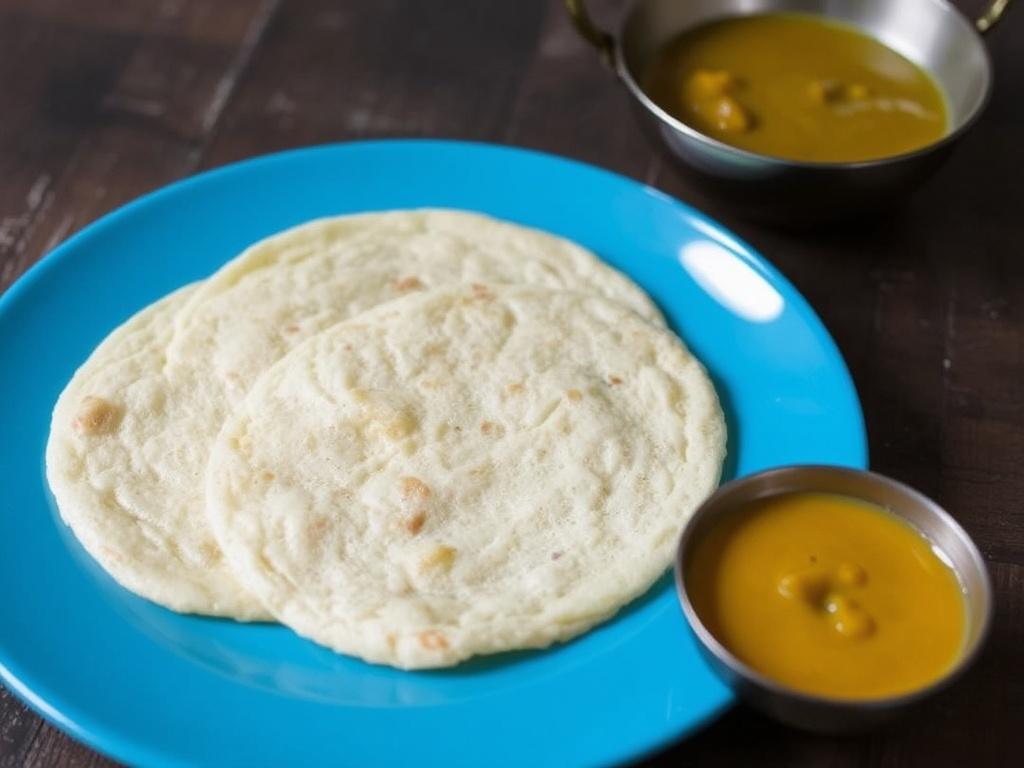
Indian kalatappam pancakes, often simply called kalatappam, are a type of sweet rice pancake from the southern part of India, particularly Kerala. Unlike the fluffy Western-style pancakes, kalatappam pancakes carry a distinct texture — slightly firm on the outside with a moist, almost pudding-like center. The base ingredients generally include rice flour or freshly ground rice batter, jaggery (unrefined cane sugar), coconut milk, and a hint of cardamom for that warm, spicy aroma. What sets it apart is the caramelized crust formed by cooking over low heat, often in a heavy-bottomed pan or even wrapped in banana leaves for extra aroma.
Traditionally, these pancakes are pure comfort food — they meld sweetness and earthiness in every bite, with the richness of coconut adding depth. The batter ferments briefly, giving a gentle tang in the flavor profile and improving digestibility. They’re often prepared during festivals, family gatherings, or as a special snack with tea, making them more than just a dish but a cultural experience.
A Journey Through Time: The History of Indian Kalatappam Pancakes
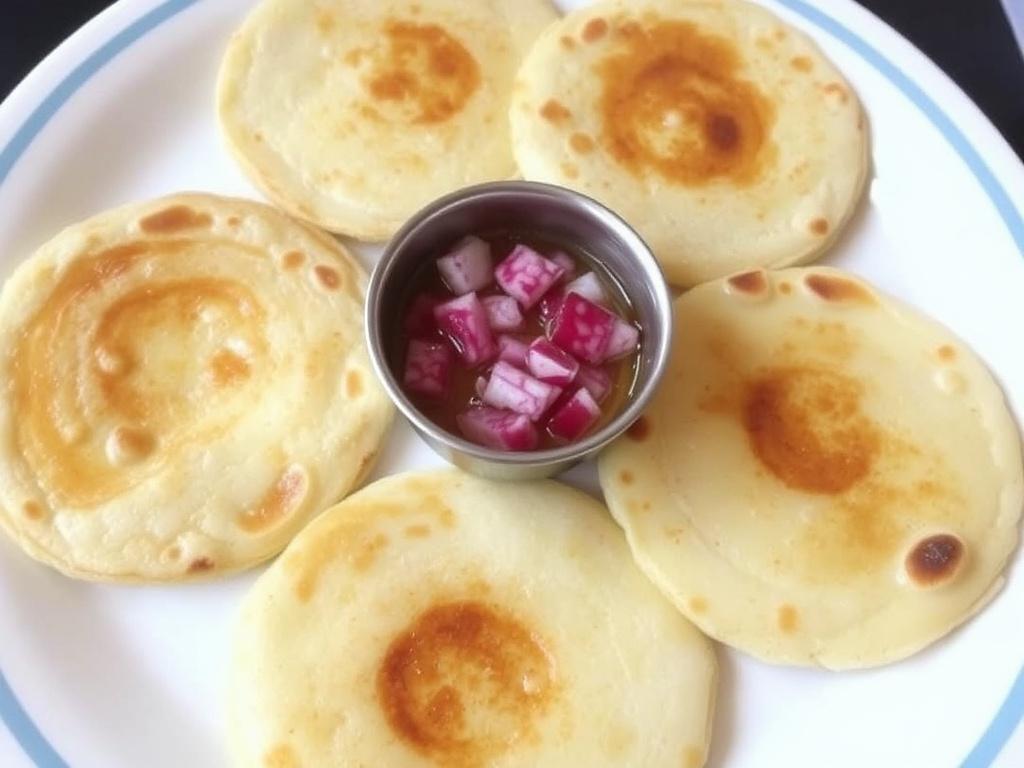
The history behind Indian kalatappam pancakes is as layered as the flavors they carry. Kerala’s cuisine reflects its unique geography and trade history — a coastal region enriched with spices, coconuts, and local grains. Kalatappam’s roots lie in these traditional culinary practices, where rice and jaggery were staples long before foreign influences made their way inland.
Originating centuries ago, kalatappam was a way to celebrate the rice harvest, utilizing freshly ground rice and jaggery harvested from sugarcane or palm trees. Over time, the recipe passed through generations, mostly within Malayali homes, preserving the authentic flavors and cooking methods. Each family has their own slight twists — some add ripe bananas for extra sweetness, others fold in grated coconut or even cardamom for fragrance. This history isn’t written in dusty books but kept alive in kitchens, stories, and festivals that still honor age-old customs.
Where Indian Kalatappam Pancakes First Appeared and How Tradition Shapes It
If you want to pinpoint the origins of Indian kalatappam pancakes, you have to look closely at Kerala’s southern districts. Here, the combination of abundant rice cultivation, jaggery production, and the ever-present coconut palms created the perfect trifecta for kalatappam’s birth. Traditionally made in homes near backwaters and lush green fields, this dish was a natural product of local ingredients and collective cooking practices.
The use of banana leaves for cooking or wrapping kalatappam is more than a quirky kitchen trick — it’s rooted in environmental adaptation. These leaves impart a subtle, grassy aroma and help the pancake cook evenly over low heat. In some villages, kalatappam was part of ritual offerings during festivals like Onam, further intertwining food with community and spirituality.
Intriguing Tidbits: Interesting Facts about Indian Kalatappam Pancakes
Here are a few facts that might surprise you:
- Kalatappam pancakes are often confused with other South Indian rice cakes but are unique due to their distinctive caramelized crust and use of jaggery.
- The name “kalatappam” loosely translates to “fried cake” or “pan-fried cake,” hinting at its cooking technique rather than just the ingredients.
- Though coconut is a staple, some variants skip it, relying solely on jaggery and rice flour, showing the dish’s flexibility.
- In some areas, kalatappam is prepared using leftover cooked rice instead of rice flour or fresh batter, an example of minimal food waste.
- The fermentation stage is crucial — it’s not merely for taste but enhances the pancake’s texture and digestibility.
Breaking Down the Nutrition: The Nutritional Value of Indian Kalatappam Pancakes
These pancakes might taste like an indulgent treat, but they boast pretty good nutritional qualities, especially considering their wholesome ingredients. Here’s a quick look:
| Ingredient | Primary Nutrition | Health Benefit |
|---|---|---|
| Rice flour | Carbohydrates, some protein | Provides energy, gluten-free option for sensitive diets |
| Jaggery | Natural sugars, iron, minerals | Better than refined sugar, supports blood health |
| Coconut milk | Healthy fats, vitamins | Boosts energy, adds creamy texture |
| Cardamom | Antioxidants, trace minerals | Aids digestion, adds aroma |
While kalatappam pancakes aren’t low-calorie, they provide sustained energy and some essential nutrients without relying on processed ingredients. When eaten in moderation, they make a satisfying and balanced choice.
Spreading Smiles Across Borders: Popularity of Indian Kalatappam Pancakes Around the World
Though kalatappam pancakes are deeply rooted in Kerala’s local food culture, their charm has started to cross borders. Among the Indian diaspora, especially in Gulf countries, Europe, and North America, kalatappam pops up in community festivals and family gatherings with increasing frequency.
Food enthusiasts outside India have also begun recognizing kalatappam as a unique twist on familiar pancakes. Food bloggers share their attempts at homemade kalatappam, and some restaurants specializing in South Indian cuisine have added it to their menus. It’s fascinating to see how a humble local recipe travels far, spreading not only taste but a bit of cultural heritage.
Three Tried-and-True Recipes for Perfect Indian Kalatappam Pancakes
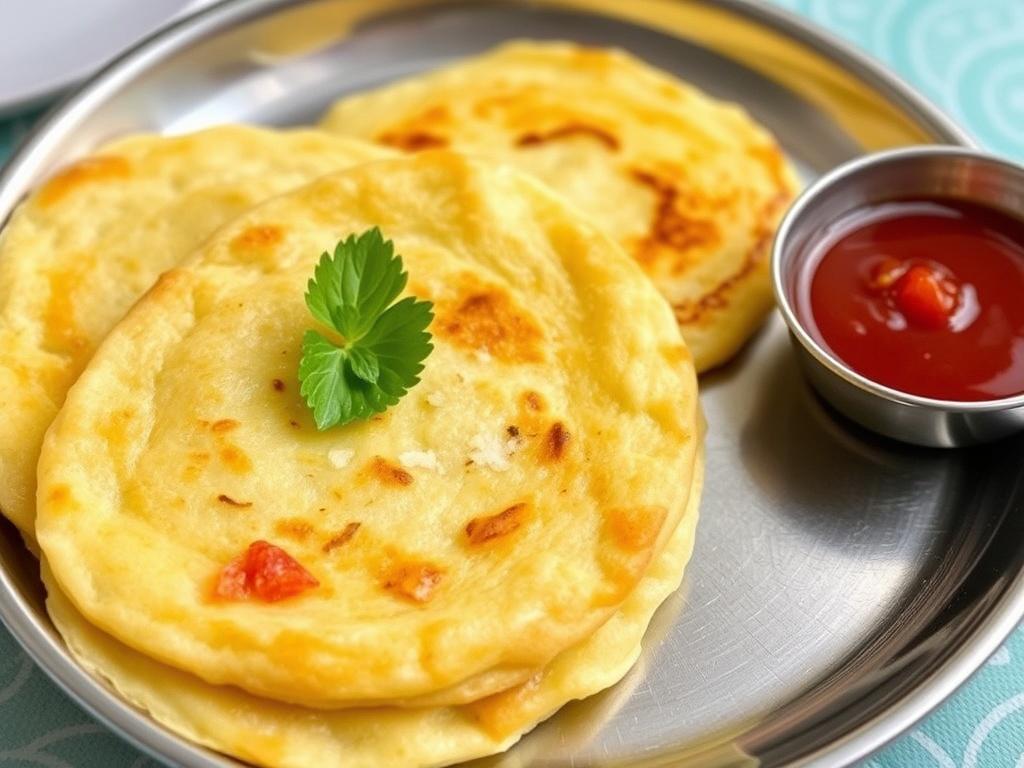
Here’s a simple rundown of three beloved ways to make kalatappam pancakes at home:
Classic Kalatappam
- 1 cup rice flour or ground rice
- 1 cup jaggery syrup (melt jaggery with water)
- 1 cup thick coconut milk
- 1 tsp cardamom powder
- Oil or ghee for the pan
- Instructions: Mix ingredients to form a batter, let ferment for 4–6 hours, then cook on low heat like a pancake until edges turn brown and the inside is set.
Banana-Infused Kalatappam
- Add 1 mashed ripe banana to the classic batter
- Cook as above, resulting in a sweeter, softer pancake with hints of banana flavor.
Foil-wrapped Banana Leaf Kalatappam
- Prepare the classic batter
- Line heavy-bottomed pots or pans with banana leaves and pour batter
- Cover and slow cook, allowing leaf aroma to infuse the pancake
Pairing Perfection: What to Eat with Indian Kalatappam Pancakes
Kalatappam pancakes shine best surrounded by complementing flavors and textures. Traditionally, they’re enjoyed just as they are — warm, fragrant, and slightly caramelized. But if you want to experiment, here are some delicious ideas:
- Fresh, thick coconut chutney or a drizzle of coconut cream enhances the tropical flavor.
- A side of spiced hot tea, like chai with cardamom, balances sweetness with spice.
- Some enjoy kalatappam topped with a little butter or ghee for richness.
- A bowl of ripe fruits like mango or papaya pairs well with the earthy taste.
Each pairing gently elevates the pancake, turning every meal into a mini celebration of taste.
—
Indian kalatappam pancakes embody a wonderful marriage of texture, taste, and tradition. Whether you find them in a bustling Kerala kitchen or try your hand at making them yourself, they beckon with a promise of something sweet yet grounded, simple yet profound. As you explore their world, you’re not just tasting a dish — you’re savoring a genuine story from India’s vibrant food heritage.


