

Have you ever stumbled upon a dish that feels like a warm hug on a chilly day and a vibrant celebration of tradition all at once? That’s exactly what Kwati soup is—a bowl brimming with flavor, history, and stories from the heart of Nepal. If you haven’t heard of this unique soup yet, get ready to take a culinary journey that taps into ancient wisdom and modern taste buds alike. Whether you’re a lover of legumes or simply curious about dishes that bring communities together, Kwati soup has a charm that’s hard to resist. Let me walk you through what makes Kwati more than just another soup in the kitchen.
- Understanding Kwati Soup: What It Is
- The Roots of Kwati Soup: Delving Into Its History
- Where Kwati Soup First Appeared: The Birthplace of a Legend
- Little-Known Gems: Interesting Facts About Kwati Soup
- Nourishing the Body and Soul: Nutritional Value of Kwati Soup
- Crossing Borders: Popularity of Kwati Soup Around the World
- In the Kitchen: 3 Best Recipes for Cooking Kwati Soup
- Classic Kwati Soup
- Spicy Tomato Kwati
- Kwati with Coconut Milk
- The Perfect Pair: What to Eat with Kwati Soup
Understanding Kwati Soup: What It Is
Kwati soup is essentially a traditional Nepalese mixed bean soup, but calling it just a “bean soup” doesn’t quite capture its essence. Imagine nine different types of sprouted beans—each adding its own texture and flavor—coming together to create a rich, earthy, and hearty stew. These beans are soaked and sprouted before being slowly cooked with a blend of spices and often garnished with fresh herbs. The process of sprouting not only changes the texture but also enhances digestibility and nutritional value, turning a simple set of ingredients into a powerful superfood stew.
Unlike many soups that lean heavily on one or two main ingredients, Kwati soup thrives on diversity, showcasing the unique qualities of mung beans, black-eyed peas, chickpeas, kidney beans, and several others. The result is a complex, yet harmonious, dish that’s both comforting and invigorating.
The Roots of Kwati Soup: Delving Into Its History
Tracing the history of Kwati soup takes us to the rich tapestry of Nepalese culture, where food is deeply intertwined with rituals and celebrations. This soup holds a special place during the festival of Janai Purnima or Raksha Bandhan, marking a time when communities come together to honor bonds and new beginnings. The tradition of eating Kwati on this day is not random; it aligns with seasonal changes and agricultural cycles.
Harvesting multiple beans and letting them sprout is an ancient practice that predates modern agriculture. It served as a way for farmers to preserve and prepare their crops, ensuring nutrition during leaner times. Over time, this practical approach blossomed into a revered dish, symbolizing prosperity, health, and unity within Nepalese families.
Where Kwati Soup First Appeared: The Birthplace of a Legend
Kwati soup’s story began high in the hills and valleys of Nepal, where the diversity of crops and a close-knit agrarian lifestyle fostered unique culinary practices. The exact spot is hard to pin down, but its roots run deep among ethnic groups like the Newars and Gurungs, who have long cultivated various beans native to the region.
In these communities, food was never just fuel. It was a way to connect, to celebrate the earth’s generosity, and to support one another through tough seasons. Kwati emerged as both nourishment and tradition, becoming a signature dish that traveled across Nepalese homes and festivals. Even today, the recipe varies slightly from village to village, each adding their own local twist while honoring the soup’s origins.
Little-Known Gems: Interesting Facts About Kwati Soup
– It’s called the “Nine Beans Soup” because of the nine varieties of sprouted beans used.
– Sprouting the beans enhances their vitamin content and reduces cooking time.
– Kwati has natural immunity-boosting properties thanks to the sprouting process.
– Traditionally, the beans are soaked for three days during which they sprout—this is key to the soup’s unique flavor and nutrition.
– It’s often seen as a detox food, eaten in Nepal’s monsoon season when illnesses are common.
These are more than just trivia; they highlight how Kwati soup isn’t merely about taste but also health and seasonal awareness.
Nourishing the Body and Soul: Nutritional Value of Kwati Soup
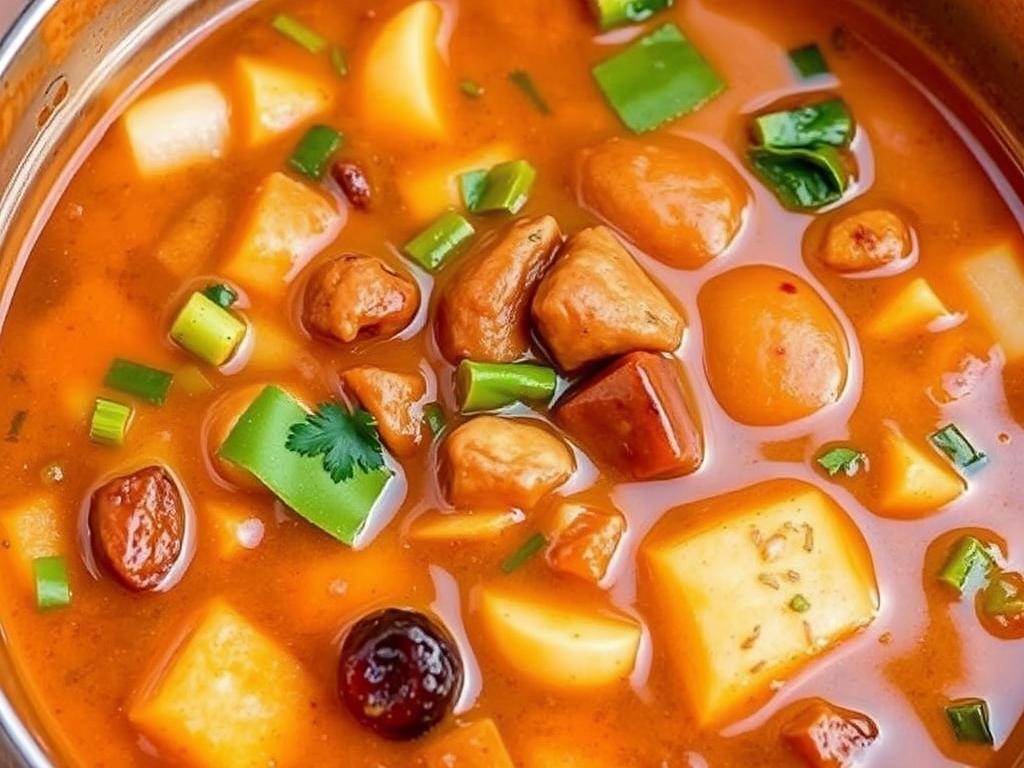
Kwati soup is a powerhouse on the nutrition map. Each type of sprouted bean brings its own benefits, collectively creating a well-rounded nutrient profile:
| Component | Benefit |
|---|---|
| Protein | Supports muscle repair and growth |
| Dietary Fiber | Aids digestion and gut health |
| Vitamins (B-complex) | Boosts energy metabolism and brain function |
| Minerals (Iron, Magnesium, Potassium) | Maintains healthy blood and electrolyte balance |
| Antioxidants | Helps fight oxidative stress and inflammation |
Thanks to sprouting, the beans lose some of their anti-nutritional factors, making minerals more bioavailable. This means the body absorbs vitamins and minerals more efficiently, making Kwati not just tasty but genuinely good for you.
Crossing Borders: Popularity of Kwati Soup Around the World
While it’s still mainly a Nepalese cultural staple, Kwati soup has traveled far beyond the Himalayan borders. With increasing interest in plant-based and ethnic cuisines, restaurants specializing in Nepalese fare often feature Kwati as a star dish. It’s gaining followers among vegetarians, health-conscious eaters, and those fascinated by traditional recipes with a modern twist.
In cities with sizable Nepalese communities such as New York, London, and Sydney, you might find homes and eateries where Kwati soup is not just a meal but a touchstone of heritage. Food bloggers and chefs have started sharing their own versions, experimenting with ingredient swaps and fusion, pushing the soup onto the global culinary stage.
In the Kitchen: 3 Best Recipes for Cooking Kwati Soup
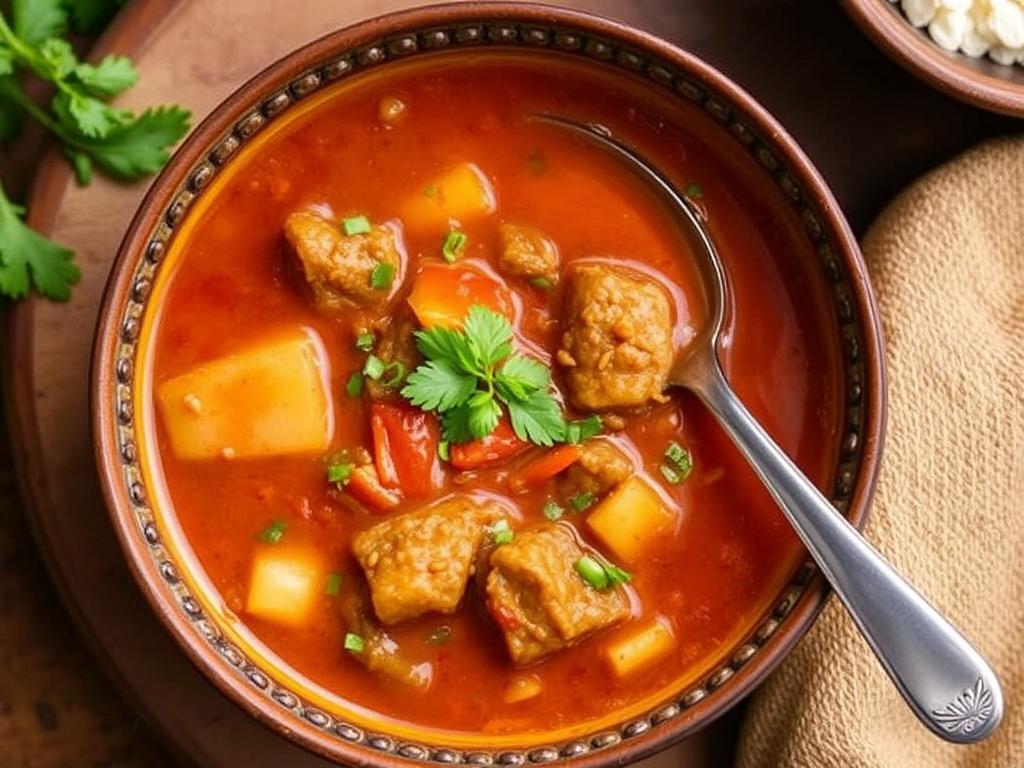
Ready to dive in? Here are three beloved ways to prepare Kwati soup, ranging from classic to contemporary:
Classic Kwati Soup
- Soak 9 types of beans for 3 days to sprout
- Cook beans with garlic, ginger, onions, and Nepalese spices
- Add a splash of oil and salt, simmer until tender
- Garnish with fresh coriander and green chilies
Spicy Tomato Kwati
- Start with traditional beans but add fresh tomato puree
- Include cumin, turmeric, and a dash of chili powder
- Simmer until thick and flavorful
- Top with fried shallots or garlic chips for crunch
Kwati with Coconut Milk
- Follow the classic method but finish with coconut milk
- Add fresh ginger and a touch of lime for zest
- Great for those who prefer a creamier texture
The Perfect Pair: What to Eat with Kwati Soup

Kwati soup is hearty but pairs beautifully with other simple foods that complement its deep flavors. Traditional accompaniments include steamed rice or flattened rice (chiura), which soak up the broth wonderfully. Pickled vegetables, locally known as achar, add a tangy punch that cuts through the richness. If you want to keep it simple, a side of fresh bread works just as well, inviting you to savor each spoonful.
For a full Nepalese experience, enjoy Kwati with sides of sautéed greens or a light salad, balancing the meal with freshness and crunch.
—
Decoding Kwati soup, from its sprouted beans to cultural significance, reveals why it stands out as more than just food. It embodies resilience, tradition, and nourishment. Whether you’re exploring Nepal through your palate or simply craving something wholesome, Kwati soup invites you to taste history—and feel right at home.


