

There’s something magically comforting about a bowl of soup that feels like a warm hug on a chilly day or a gentle pick-me-up when you’re under the weather. That’s precisely the charm of Canja de Galinha Soup—a humble yet soul-satisfying dish that’s woven deeply into the culinary traditions of Portuguese-speaking cultures. But it’s more than just chicken soup; it’s a story in a pot, a blend of history, culture, and simple ingredients that have stood the test of time. Let me take you on a journey through the origins, flavors, and secrets of Canja de Galinha Soup — by the end, you’ll be craving a simmering bowl yourself.
- Unpacking the Essence of Canja de Galinha Soup
- The Storied Origins of Canja de Galinha Soup
- Geographical Roots and Early Popularity
- Interesting Tidbits from Canja’s Culinary Journey
- The Nutritional Backbone of Canja de Galinha Soup
- Where Canja de Galinha Soup Has Won Hearts Worldwide
- Three Must-Try Canja de Galinha Recipes That Capture Its Heart and Soul
- Classic Portuguese Canja
- Brazilian Canja with Ginger and Lemon
- Angolan Canja with Greens and Palm Oil
- Pairing Ideas: What Goes Best with Canja de Galinha Soup
Unpacking the Essence of Canja de Galinha Soup
At its core, Canja de Galinha Soup is a clear chicken broth enriched with tender pieces of chicken, rice, and a few aromatics that vary by region and family tradition. Don’t let its modesty fool you; this soup packs a delicate balance of flavors that feels both light and deeply nourishing. As a staple comfort food, it’s known for being easy on the stomach — perfect when you’re feeling under the weather or simply want a wholesome meal without fuss.
Unlike thicker, creamier soups, Canja’s charm lies in its simplicity and clarity. Imagine a clear, golden broth with meltingly soft chicken bits and fluffy rice grains that soak up just enough broth to deliver a subtle, soothing mouthful. Often garnished with freshly chopped herbs like parsley or green onions, sometimes accented with a squeeze of lemon or a dash of paprika, it gives a fresh, vibrant edge to an otherwise quietly comforting dish.
The Storied Origins of Canja de Galinha Soup

Tracing its roots takes us back to Portuguese cuisine, where the soup originated as a practical dish made to utilize leftover chicken. But Canja de Galinha Soup has deeper, more ancient connections than you might expect. Many food historians link its creation to the Moorish introduction of rice cultivation into the Iberian Peninsula around the 8th century. The marriage of chicken and rice in a broth evolved from generations of home cooks balancing availability and flavor.
What makes its history fascinating is how this soup traveled with Portuguese explorers and immigrants, morphing slightly in various parts of the world while keeping its original comforting appeal intact. In Brazil, Angola, and Goa, local ingredients found their way into Canja recipes, adapting it beautifully to different tastes and cultures.
Geographical Roots and Early Popularity
Despite its broad presence today, Canja de Galinha Soup first flourished in Portugal’s coastal and rural communities, where chicken and rice were staples in the household pantry. Small-scale chicken farming and rice cultivation were common, creating perfect conditions for this nutritious dish to thrive. Over time, as the Portuguese empire expanded, Canja crossed continents, shaping and being shaped by each culture it touched.
Interesting Tidbits from Canja’s Culinary Journey
– In some Brazilian regions, a touch of ginger adds a warming spice to the soup.
– Traditionally, Canja is served to new mothers for its gentle nutrition and restorative properties.
– During Portuguese celebrations, variations of Canja pop up as comfort food after long festivities.
– In Angola, the soup sometimes features local greens or palm oil, reflecting African influences.
The Nutritional Backbone of Canja de Galinha Soup
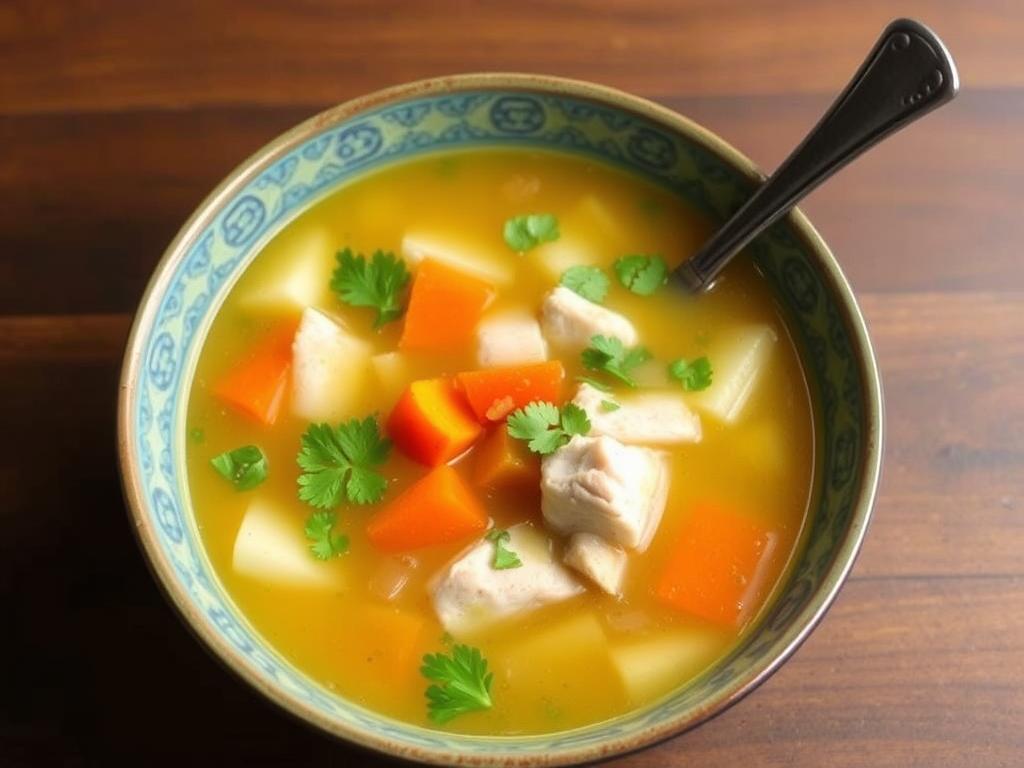
Let’s talk nutrients. Canja de Galinha Soup is more than just tasty — it’s packed with elements that support healing and energy. Primarily, it offers lean protein from chicken, which aids muscle repair and keeps you full without heaviness. Rice contributes carbohydrates, providing easily digestible fuel, while the broth hydrates and supplies vitamins and minerals such as B vitamins, iron, and potassium depending on the ingredients used.
Here’s a quick snapshot of what one typical bowl contains:
| Component | Content per Serving (approx.) | Impact |
|---|---|---|
| Chicken Meat | 15-20g Protein | Muscle repair, immune support |
| Rice | 20-25g Carbohydrates | Energy source |
| Chicken Broth | Hydration, electrolytes | Electrolyte balance and warmth |
| Herbs and Aromatics | Minimal calories, antioxidants | Flavor, minor health benefits |
It’s low in fat, easy to digest, and perfect for rehydration, making it a go-to remedy when sniffles hit or after a hard day.
Where Canja de Galinha Soup Has Won Hearts Worldwide
Although deeply rooted in Lusophone traditions, Canja de Galinha Soup enjoys a respected place far beyond Portugal. In Brazil, it stands as a beloved comfort food found in humble homes and festive tables alike. Angola and Mozambique welcome local twists, infusing the classic recipe with indigenous spices and vegetables.
Interestingly, versions of Canja resemble other chicken-and-rice soups around the globe—from the French “potage” and the Spanish “caldo” to Asian chicken broths—but what sets Canja apart is its restrained seasoning, nimble simplicity, and cultural ritual use.
Three Must-Try Canja de Galinha Recipes That Capture Its Heart and Soul
Ready to make your own pot of Canja? Here are three popular but distinct styles you can try at home, each capturing the essence of the dish while offering unique flavor profiles:
Classic Portuguese Canja
- Boil a whole chicken or cut pieces in water with garlic and onion until tender.
- Remove the chicken, shred it finely, and return to the pot.
- Add washed rice to the broth and simmer until fluffy and soft.
- Season simply with salt and freshly chopped parsley.
Brazilian Canja with Ginger and Lemon
- Start with a chicken broth base infused with slices of ginger.
- Add rice and finely shredded chicken.
- Finish with a squeeze of fresh lemon juice for a bright, fresh note.
- Serve with hot sauce or fresh coriander for an extra kick.
Angolan Canja with Greens and Palm Oil
- Simmer chicken pieces in broth flavored with garlic and bay leaves.
- Add rice and replace some broth with a spoonful of palm oil for richness.
- Stir in local leafy greens near the end to keep them vibrant.
- Season with salt and chili flakes to taste.
Each recipe highlights the versatility of Canja de Galinha Soup, showing how a simple base can be enriched by local tastes and ingredients.
Pairing Ideas: What Goes Best with Canja de Galinha Soup
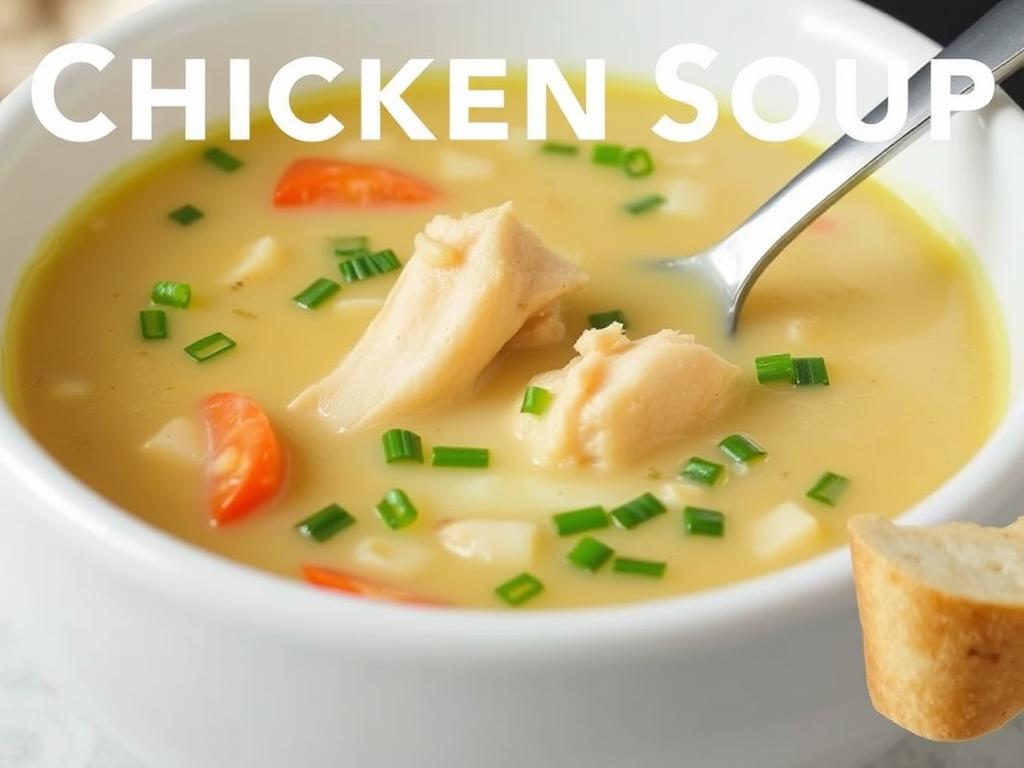
Here’s a fun part—Canja is often treated as a standalone dish because it’s filling and balanced. But if you want to jazz it up or create a full meal, consider these companions:
- Crusty Bread or Cornbread: Perfect for soaking up every last drop of broth.
- Simple Green Salad: Adds a crunchy, fresh contrast.
- Pickled Vegetables: Their tang cuts through the soup’s gentle flavors.
- Grated Cheese: In some regions, a sprinkle of mild cheese adds a savory twist.
These pairings help turn the humble soup into a more filling and diverse dining experience.
—
Canja de Galinha Soup is much more than a recipe — it’s a comforting ritual that connects cultures and generations. Through its simplicity and flexibility, it remains a beloved dish that invites you to slow down, savor, and heal. Why not try brewing a pot today and taste a little piece of history from your own kitchen?


