
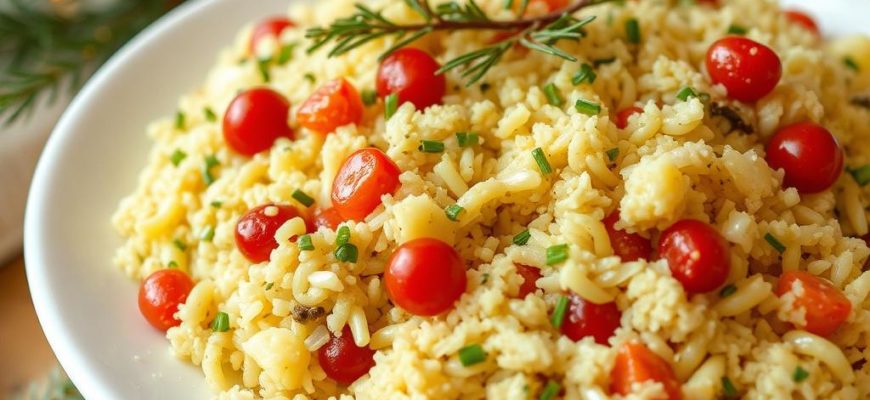
There’s a moment when a pot of pilaf finishes steaming and the whole room leans in, noses first: that warm aroma, the gloss of oil on rice, the way tender meat or beans hide like little treasures. Bayram pilaf is one of those dishes that does this effortlessly. It arrives at holidays, family reunions and surprise dinners with a quiet confidence — simple ingredients, careful technique, and a generosity that feeds both body and mood. If you want to learn where it comes from, why it crowds plates across borders, and how to make a perfect pot step by step, keep reading. This article walks through the origin, history, curious facts, nutrition, global popularity and a detailed recipe so you can try it tonight.
- Where Bayram Pilaf First Wore Its Party Hat
- A Short Timeline of How Bayram Pilaf Traveled
- Key historical touchpoints
- Little Surprises That Make Bayram Pilaf Memorable
- What’s Inside a Typical Serving
- How Bayram Pilaf Shows Up Around the World
- A Practical, Reliable Way to Cook Bayram Pilaf at Home
- Ingredients (serves 4–6)
- Step-by-step method
- Tips for success
Where Bayram Pilaf First Wore Its Party Hat
Country of origin Bayram pilaf often points to the South Caucasus and Anatolian cultural sphere, with the strongest roots in Azerbaijani and Turkish home cooking. The name “Bayram” itself means “festival” in Turkish and related languages, which hints at the dish’s role: a special pilaf for special days. In villages and small cities, families would bring out their best rice, lamb or chicken, and sometimes dried fruits or nuts, assembling a dish meant to be shared. This regional origin explains why spices are modest, flavors are layered rather than loud, and presentation matters — often served in a large communal tray so everyone can help themselves.
A Short Timeline of How Bayram Pilaf Traveled
History Bayram pilaf is a story of slow migration: from nomadic kitchens to settled homesteads, then through trade routes. Rice itself arrived in this area via Persian and Ottoman influences, and local cooks adapted the grains to available fats, meats and seasonal produce. Over centuries the recipe branched: coastal towns might use fish or seafood, interior regions lean on lamb and butter, and diaspora communities mix in local ingredients of their new homes. The core idea stayed constant — celebratory rice cooked with care and shared with neighbors.
Key historical touchpoints
- Introduction of rice and spices through Persian and Ottoman trade.
- Adaptation in rural households where communal feasts marked weddings, religious holidays and harvests.
- Modern revival as chefs and home cooks emphasize traditional methods and heirloom rice varieties.
Little Surprises That Make Bayram Pilaf Memorable
Interesting facts about Bayram pilaf go beyond taste. For example, the order of adding ingredients is almost ritualistic: browned meat first for depth, then sautéed onions and spices, then rice, and finally simmering with precise water ratios. In some regions cooks toast the rice before boiling to add a nutty nuance. Another curious point — serving style: in many households, the final touch is a sprinkle of fresh herbs or a handful of pomegranate seeds, brightening both look and flavor.
What’s Inside a Typical Serving
Nutritional value Bayram pilaf varies by recipe, but a standard portion made with rice, lamb and some oil provides a balance of carbohydrates, protein and fat. Adding vegetables and nuts increases fiber, vitamins and healthy fats. Below is a sample nutrition breakdown for one generous serving (about 350–400 g) based on a traditional lamb-and-rice version.
| Nutrient | Approx. Amount per Serving |
|---|---|
| Calories | 600–700 kcal |
| Protein | 25–35 g |
| Carbohydrates | 70–90 g |
| Total Fat | 20–30 g (depends on fat used) |
| Fiber | 3–7 g |
| Notable micronutrients | Iron, B-vitamins, zinc (from meat); potassium and vitamin E (from nuts/vegetables) |
How Bayram Pilaf Shows Up Around the World
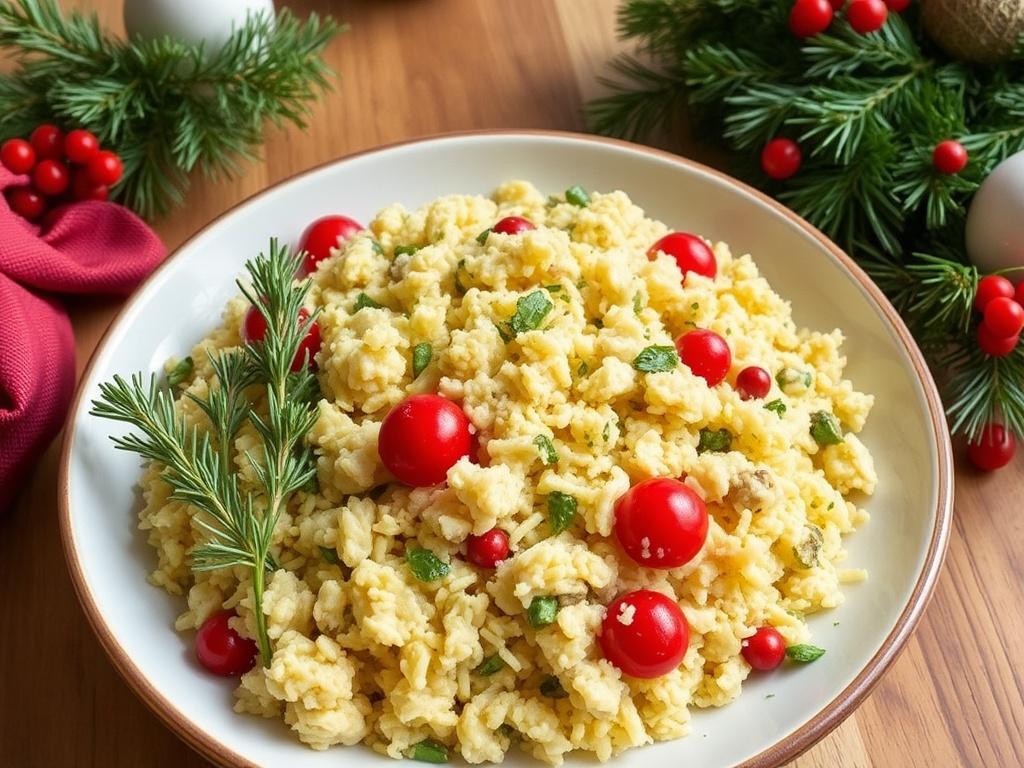
Popularity in different countries Bayram pilaf travels well. In Azerbaijan it’s a must-have for weddings and religious holidays. In Turkey and parts of the Balkans you’ll find related variants, sometimes under different names, but with the same festive feel. Immigrant communities in Europe and the Americas preserve family recipes, often merging local produce — think dried apricots in one city and roasted almonds in another. Restaurants specializing in regional cuisine have also elevated Bayram pilaf, showcasing single-origin rice and slow-cooked meats.
A Practical, Reliable Way to Cook Bayram Pilaf at Home
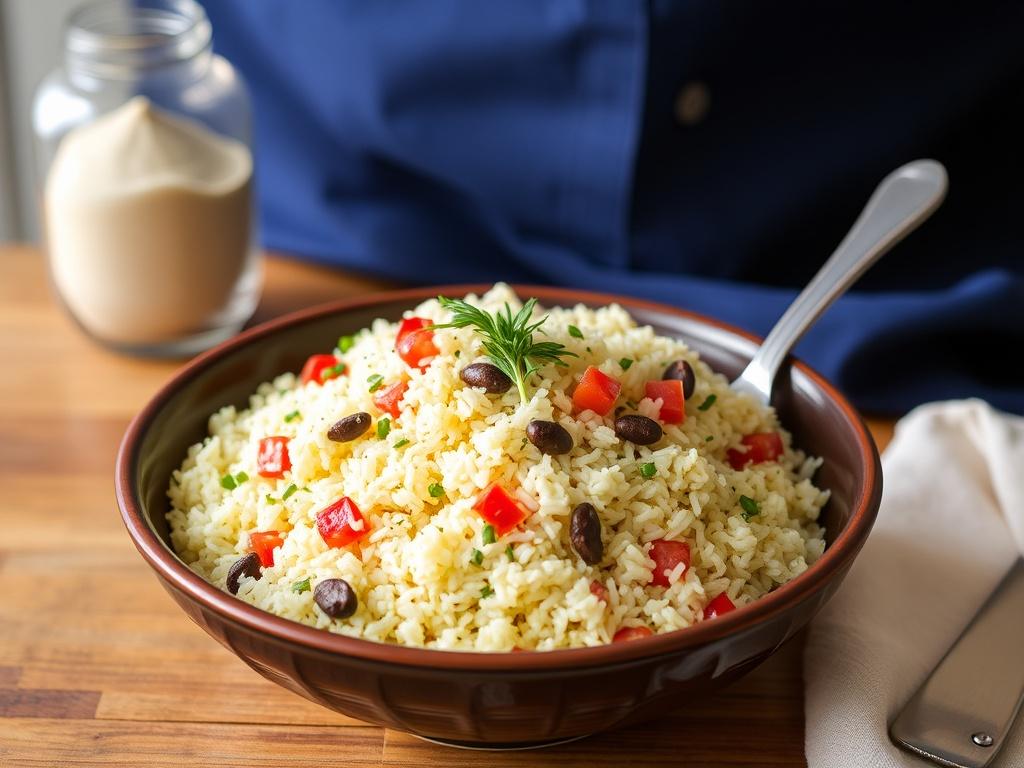
The best step-by-step cooking recipe for Bayram pilaf follows method, not slavish ingredient lists. Below is a fleshed-out recipe that reproduces traditional textures and flavors with accessible steps.
Ingredients (serves 4–6)
- 2 cups long-grain rice (basmati or local long rice), rinsed until water runs clear
- 500 g lamb shoulder or chicken, cut into chunks
- 1 large onion, finely chopped
- 3 tbsp butter or clarified butter (or mix butter + neutral oil)
- 1 tsp ground cumin, 1/2 tsp ground coriander, salt and black pepper to taste
- Optional: handful of dried apricots or raisins, 1/4 cup toasted almonds or pine nuts
- 4 cups water or broth (adjust slightly by rice type)
- Fresh herbs (parsley or cilantro) and pomegranate seeds for garnish
Step-by-step method
- Pat the meat dry, season with salt and pepper. In a heavy pot, heat 1–2 tbsp oil and brown the meat in batches. Remove and set aside.
- In the same pot, add butter and sauté onions until golden. Stir in spices briefly to release aroma.
- Add the rice and toast it gently for 2–3 minutes, stirring so each grain is coated.
- Return the meat to the pot, add dried fruits and nuts if using, then pour in the water or broth. Bring to a simmer.
- Cover the pot and cook on low heat until rice is tender and liquid absorbed (about 15–20 minutes for basmati; times vary). Do not stir during this final simmer.
- Turn off heat and let rest covered for 10 minutes. Fluff rice gently with a fork, transfer to a serving dish, and garnish with herbs and pomegranate seeds.
Tips for success
- Rinse rice to prevent clumping and get a clean flavor.
- Use broth instead of water for richer taste.
- Adjust liquid slightly less if you like firmer grains, more if you prefer softer pilaf.
Now that you know the background, the flavors and a reliable way to cook it, Bayram pilaf is more than a recipe — it’s a simple ritual that gathers people. Try it with small adjustments based on what’s in your pantry. Share the pot, and notice how it quiets the room in the best way: everyone focused on that first, generous bite.
Country of origin Bayram pilaf, History Bayram pilaf, Interesting facts about Bayram pilaf, Nutritional value Bayram pilaf, Popularity in different countries Bayram pilaf, The best step-by-step cooking recipe for Bayram pilaf


