
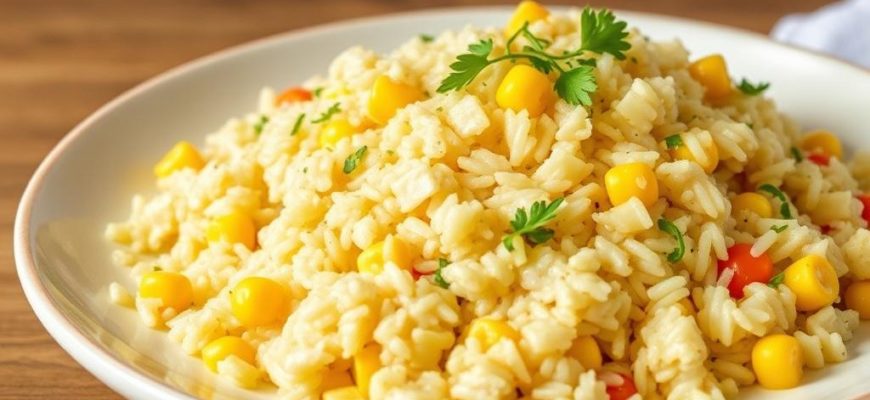
Imagine a pot filled with warm, golden rice studded with sweet kernels that pop like tiny suns. Pilaf with corn takes the familiar comfort of pilaf and brightens it with corn’s natural sweetness and chewy texture. It’s one of those dishes that feels both humble and surprisingly sophisticated: easy enough for a weeknight, interesting enough to bring to a potluck. Stick around — I’ll walk you through where it came from, why it works so well, and exactly how to make a version that will become a staple in your kitchen.
- Where Pilaf with Corn Comes From and How It Fits Into Culinary Traditions
- A Short, Lively History of Pilaf with Corn
- Interesting Facts about Pilaf with Corn
- Nutritional Value of Pilaf with Corn
- How Popular Is Pilaf with Corn Around the World
- The Best Step-by-Step Cooking Recipe for Pilaf with Corn
- Ingredients
- Method
- Tips and Variations
Where Pilaf with Corn Comes From and How It Fits Into Culinary Traditions
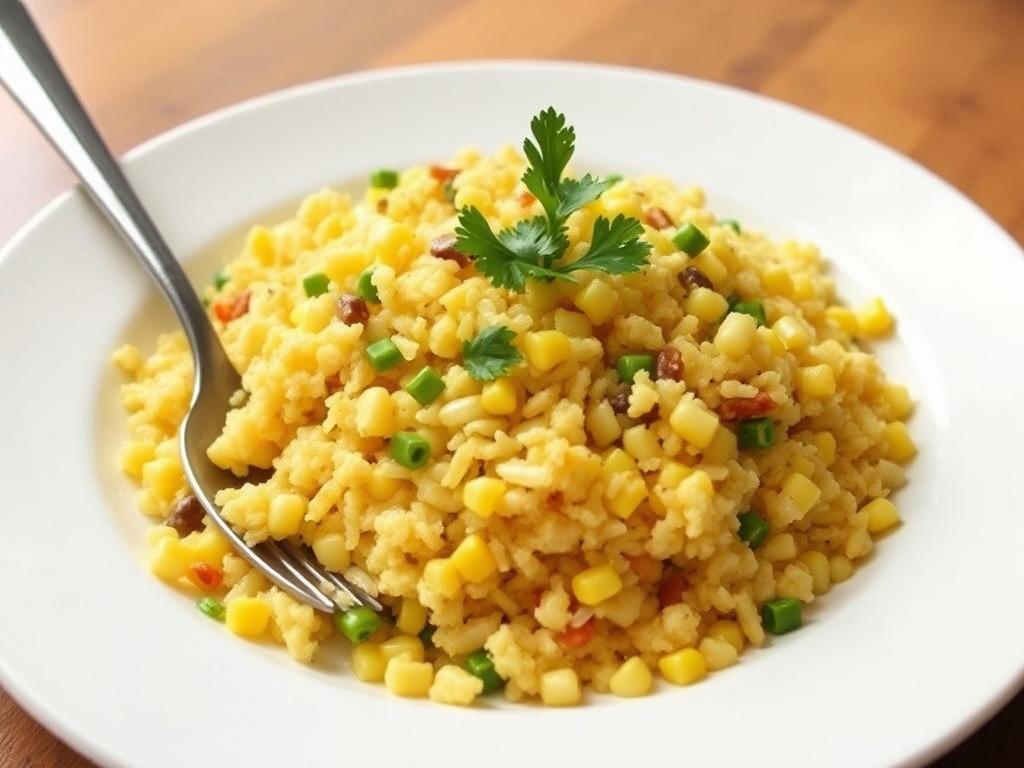
Pilaf itself traces back centuries across Central Asia, the Middle East and South Asia: a technique of cooking rice in seasoned liquid so grains stay separate and aromatic. Corn, however, is a New World crop that only reached Eurasia after the 15th century. The combination of rice and corn is therefore a later, hybrid chapter in culinary history. In many places, cooks adopted corn to stretch, sweeten or add texture to staple rice dishes. You’ll find relatives of pilaf with corn from Eastern Europe to Latin America under different names — the methods shift, but the idea remains the same: grain + corn + flavoring = comfort.
A Short, Lively History of Pilaf with Corn
Pilaf’s origins are ancient; cooks in the Silk Road cities were perfecting spiced rice long before corn existed in the Old World. Once maize crossed the oceans, it integrated into local diets fast. In places where rice was already popular, people experimented by mixing corn kernels into the pot — sometimes fresh, sometimes dried or ground. The Soviet household cookbook tradition and mid-20th century peasant cuisines also encouraged mixing available grains and vegetables, which helped normalize combinations like rice and corn. Over the last few decades, home cooks and chefs have elevated the pairing, adding herbs, spices and proteins to build a more rounded dish.
Interesting Facts about Pilaf with Corn
- Corn adds natural sweetness and texture contrast: juicy kernels against fluffy rice.
- You can use fresh, frozen or canned corn — each gives a slightly different texture and flavor.
- Toasted corn kernels or a quick char in a hot pan deepen the flavor and add a light smokiness.
- It’s a great platform for variations: toss in beans, chicken, peppers, or raisins and nuts for a different personality each time.
- The dish works well both as a main (protein added) or a side for roasted meats and stews.
Nutritional Value of Pilaf with Corn
What you get from a bowl of pilaf with corn depends on ingredients and portion size, but here are common components and their contributions. Rice provides carbohydrates for energy; corn adds fiber, some protein, B vitamins, manganese and antioxidants like lutein. The fat and protein profile depend on whether you cook with oil, butter, or add meat or legumes.
| Component | Primary Contribution |
|---|---|
| Rice | Carbs, small amounts of protein, energy |
| Corn | Fiber, vitamin B, folate, magnesium, natural sweetness |
| Added oil/butter | Fat, carries flavor and fat-soluble vitamins |
| Protein additions (chicken, chickpeas) | Raises satiety, adds essential amino acids |
To boost nutrition: use brown rice or a 50/50 mix of brown and white for more fiber, add legumes or diced chicken for protein, and toss in vegetables for vitamins and color.
How Popular Is Pilaf with Corn Around the World
The exact dish shows up in many guises. In Latin America, rice-and-corn combinations are common — think arroz con maíz or rice with sweet corn and cilantro. In the American South, “corn pilaf” appears as a side flavored with onion and bell pepper. In parts of Eastern Europe and the former Soviet Union, cooks mix corn kernels into porridge-like pilafs or pilaf-style rice dishes. Chefs in modern fusion kitchens seize on it for its balance of sweet and savory, while home cooks appreciate its simplicity and economy. So although you won’t find a single, canonical “pilaf with corn” recipe everywhere, the idea is widespread and adaptable.
The Best Step-by-Step Cooking Recipe for Pilaf with Corn
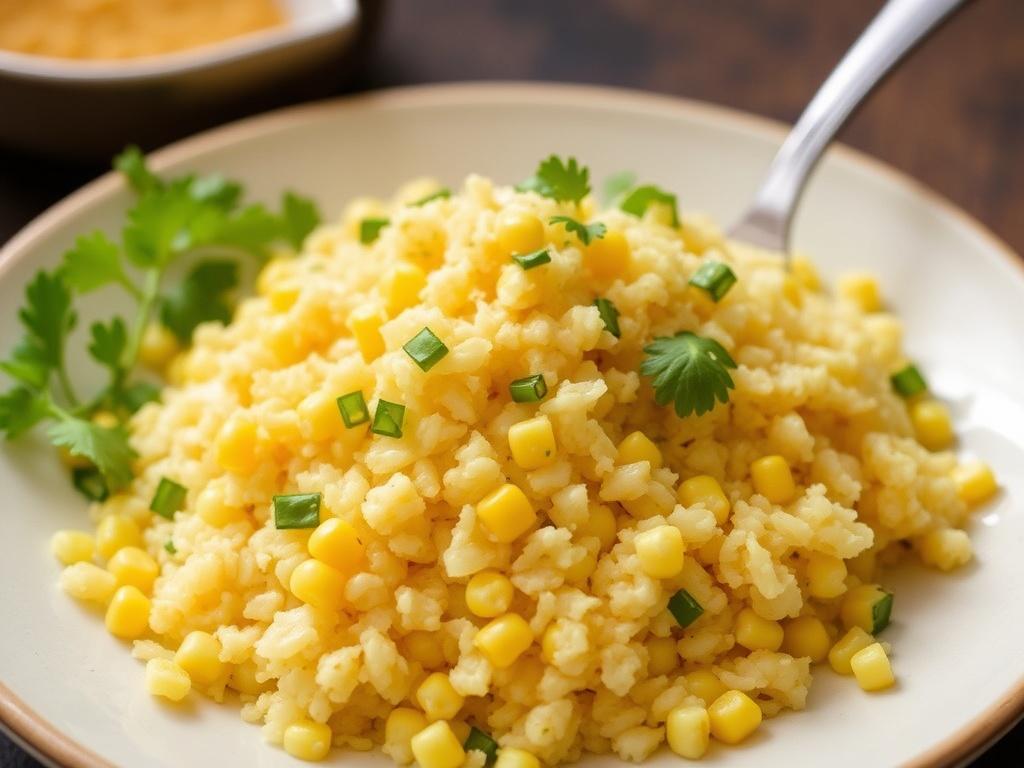
This is a reliable, flexible recipe that serves 4 as a side or 2–3 as a main with added protein.
Ingredients
- 1 1/2 cups long-grain rice (basmati or regular)
- 1 cup fresh or frozen corn kernels (or 1 can, drained)
- 1 medium onion, finely chopped
- 2 cloves garlic, minced
- 2 tbsp olive oil or butter
- 1 tsp ground cumin
- 1/2 tsp turmeric or smoked paprika (optional)
- 3 cups low-sodium chicken or vegetable broth
- Salt and black pepper to taste
- Fresh parsley or cilantro, chopped, for finishing
- Optional: 1 cup cooked chickpeas or shredded cooked chicken
Method
- Rinse the rice under cold water until water runs clear. Drain well — this keeps grains separate.
- Heat oil in a medium pot over medium heat. Add onion and cook until translucent, about 5 minutes. Stir in garlic and cook 30 seconds until fragrant.
- Add cumin and turmeric (or paprika), stir to coat the onions and garlic. Toast spices for about 20 seconds — this wakes up their aroma.
- Add rice and stir for 1–2 minutes so grains get a light coating of oil and pick up the spice flavors.
- Stir in the corn and optional protein (chickpeas or chicken), then pour in the broth. Bring to a gentle boil, then reduce heat to low, cover tightly and simmer 15–18 minutes until liquid is absorbed.
- Turn off the heat and let the pot rest, still covered, for 8–10 minutes. Fluff gently with a fork, season with salt and pepper, and fold in chopped parsley or cilantro.
Tips and Variations
- For nuttier flavor, toast the dry rice in the pot before adding oil.
- Char fresh corn kernels in a hot skillet for 3–4 minutes to add smoky notes.
- Use a 1:2 rice-to-liquid ratio for most long-grain rice; adjust if using brown rice (longer cooking time and more liquid).
- Add diced bell pepper or frozen peas for color and extra vitamins.
- Make it richer by finishing with a knob of butter or a splash of lemon juice to lift the flavors.
Pilaf with corn is a small twist on a classic that rewards creativity. It’s forgiving, fast, and versatile enough to fit weeknight comfort or weekend entertaining. Try the basic recipe, then tinker: swap spices, add herbs, include nuts for crunch. You’ll find a version that feels like yours in no time.


