
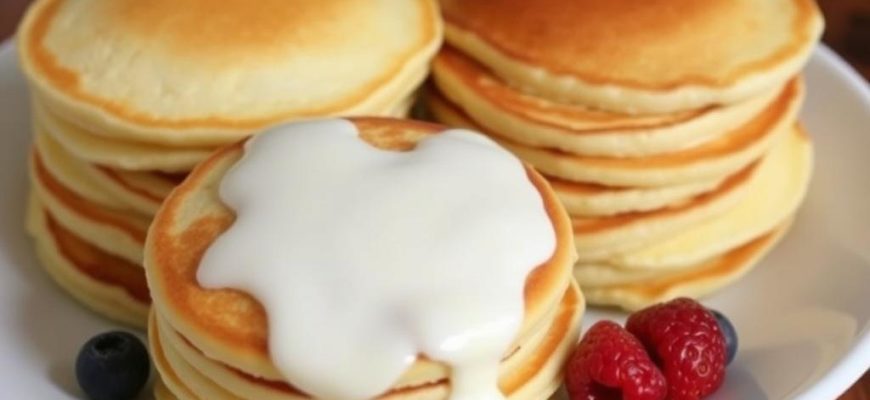
There’s something about pancakes that feels like a small celebration in your mouth — warm, slightly sweet, and endlessly forgiving. Whether you grew up flipping silver-dollar rounds on a weekend or discovering a delicate crepe at a street market, pancakes find a way to be comfort, show-off, and quick fix all at once. Stick around: I’ll walk you through where they came from, why every country has its own version, how to make three great kinds at home, and what to pair them with so they never get boring.
- What it is Pancakes
- History Pancakes
- Where it first appeared Pancakes
- Interesting facts about Pancakes
- Nutritional value Pancakes
- Popularity in different countries Pancakes
- 3 best recipes for cooking Pancakes
- Classic Buttermilk Pancakes
- Banana Oat Pancakes (healthier)
- Savory Buckwheat Galettes
- What to eat with Pancakes
- Parting thought
What it is Pancakes
Pancakes are a broad family of flat cakes cooked on a hot surface. The basic idea is simple: a batter or dough spread thin or dropped by spoonfuls, then cooked until set and often browned on both sides. Texture varies wildly. You can have clouds of buttermilk pancakes that soak up syrup, wafer-thin crepes that fold around sweet fillings, or dense buckwheat galettes dressed with savory toppings. What ties them together is practicality: quick to make, endlessly adaptable, and perfect for both breakfast and dinner.
History Pancakes
Pancakes are ancient. People have mixed ground grains with water or milk and cooked them on hot stones for millennia. Over time, ingredients and techniques evolved, but the pattern stayed the same. In medieval and early modern Europe pancakes were common in households and featured in seasonal rituals. In many cultures, pancakes were a way to use up rich foods like eggs, milk, and butter before fasting seasons. That practicality turned into tradition, and from there into celebration.
Where it first appeared Pancakes
There is no single birthplace for pancakes. Similar foods appeared independently across continents because the concept is so elemental: combine grain with liquid, apply heat. In Europe you find crepes and blini, in South Asia dosa and cheela, in Ethiopia injera, and in North America the familiar stacked hotcakes. Each region shaped the idea using local grains, leavening methods, and flavorings. So pancakes didn’t really “first appear” in one spot; they cropped up wherever people figured out fire and flour.
Interesting facts about Pancakes
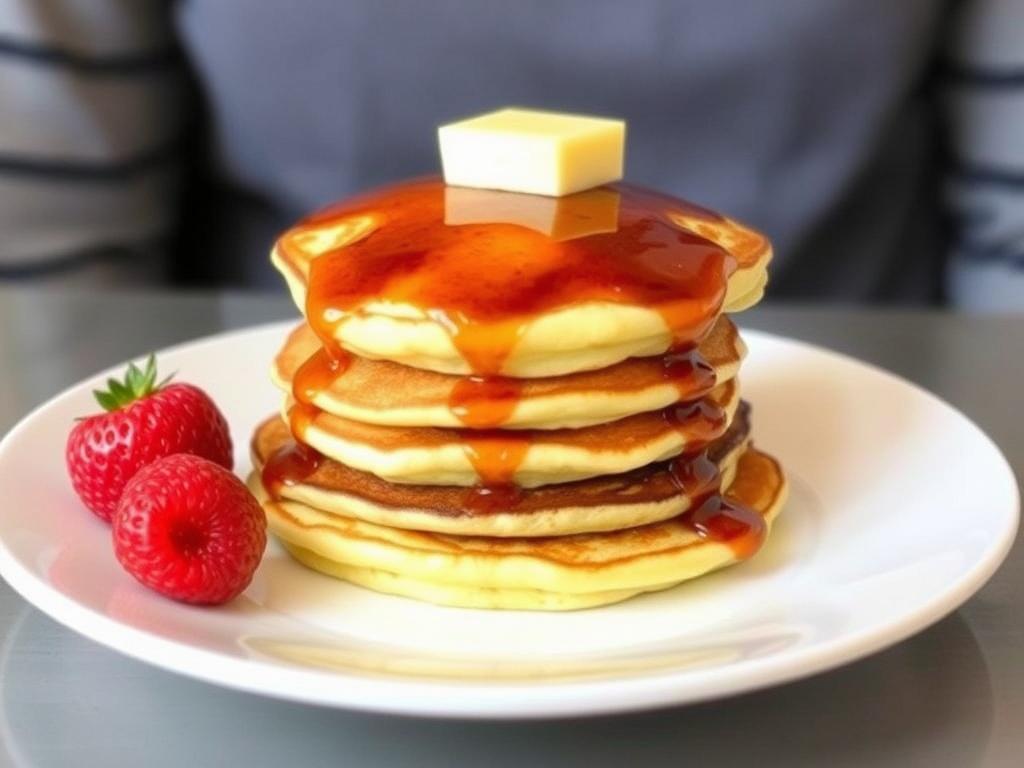
- Pancake Day, also known as Shrove Tuesday, is the day before Lent in many Christian traditions. Making pancakes was a practical way to use up eggs, milk, and sugar.
- Every country has a version, often tied to festivals: Russia’s blini for Maslenitsa, France’s crepes for Candlemas, and variations across Asia during harvest or new-year ceremonies.
- Names differ wildly. What one place calls a pancake might look like another’s flatbread, but culturally the dishes often occupy similar roles.
Nutritional value Pancakes
Nutritional content depends on flour type, fat, and toppings. Here’s a ballpark for a single medium plain pancake made from refined flour and milk, about 60 to 80 grams:
| Item | Amount |
|---|---|
| Calories | 120–180 kcal |
| Carbohydrates | 15–25 g |
| Protein | 3–6 g |
| Fat | 4–8 g |
| Fiber | 0.5–2 g |
To make pancakes healthier, swap some flour for whole grain or oats, use mashed banana or applesauce to reduce fat, and top with fruit, yogurt, or nut butter instead of large amounts of syrup.
Popularity in different countries Pancakes
Pancakes are global stars. In the United States they’re a breakfast staple, stacked high with butter and maple syrup. France elevates the thin crepe into both sweet and savory dishes. Russia celebrates blini at Maslenitsa week, often served with sour cream and caviar. India has dosa and uttapam made from fermented rice and lentil batter, staple street foods and meals. Ethiopia’s injera serves as both plate and utensil, while Japan plays with pancake textures in okonomiyaki and the trendy soufflé pancake. Each place makes the concept its own.
3 best recipes for cooking Pancakes
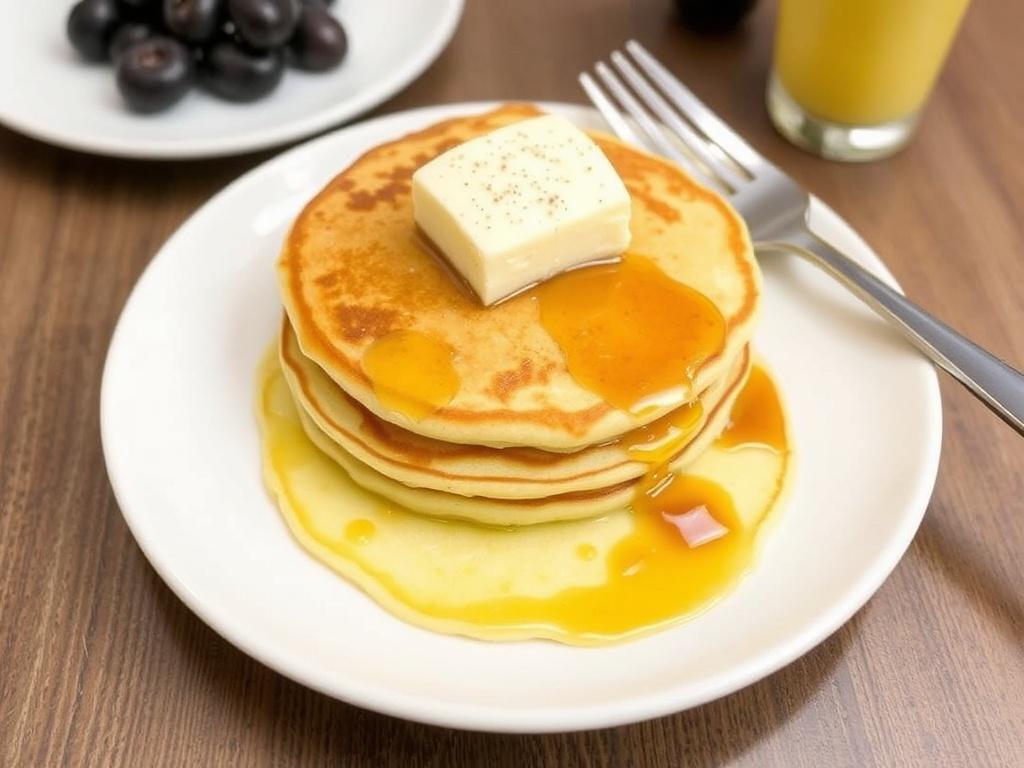
Classic Buttermilk Pancakes
Ingredients: 1 cup all-purpose flour, 1 tbsp sugar, 1 tsp baking powder, 1/2 tsp baking soda, pinch of salt, 1 cup buttermilk, 1 egg, 2 tbsp melted butter.
Method: Whisk dry ingredients. Whisk wet separately, fold together until just combined. Heat a pan over medium, lightly oil. Spoon batter for each pancake, cook until bubbles form, flip and finish. Tip: don’t overmix—small lumps help texture.
Banana Oat Pancakes (healthier)
Ingredients: 1 ripe banana, 1 cup rolled oats, 2 eggs, 1/2 tsp baking powder, pinch of cinnamon, splash of milk if needed.
Method: Blend everything into a thick batter. Cook on medium heat, press slightly to spread. These are filling, naturally sweet, and great with yogurt and berries.
Savory Buckwheat Galettes
Ingredients: 1 cup buckwheat flour, 1 1/4 cups water, pinch of salt, 1 egg (optional), fillings like sautéed mushrooms, ham, cheese, or a fried egg.
Method: Whisk batter to a thin consistency and rest 30 minutes. Pour thinly in a hot pan to make large crepes, cook until edges lift, flip gently, add fillings on the cooked side, fold into a square. Great for lunch or dinner.
What to eat with Pancakes
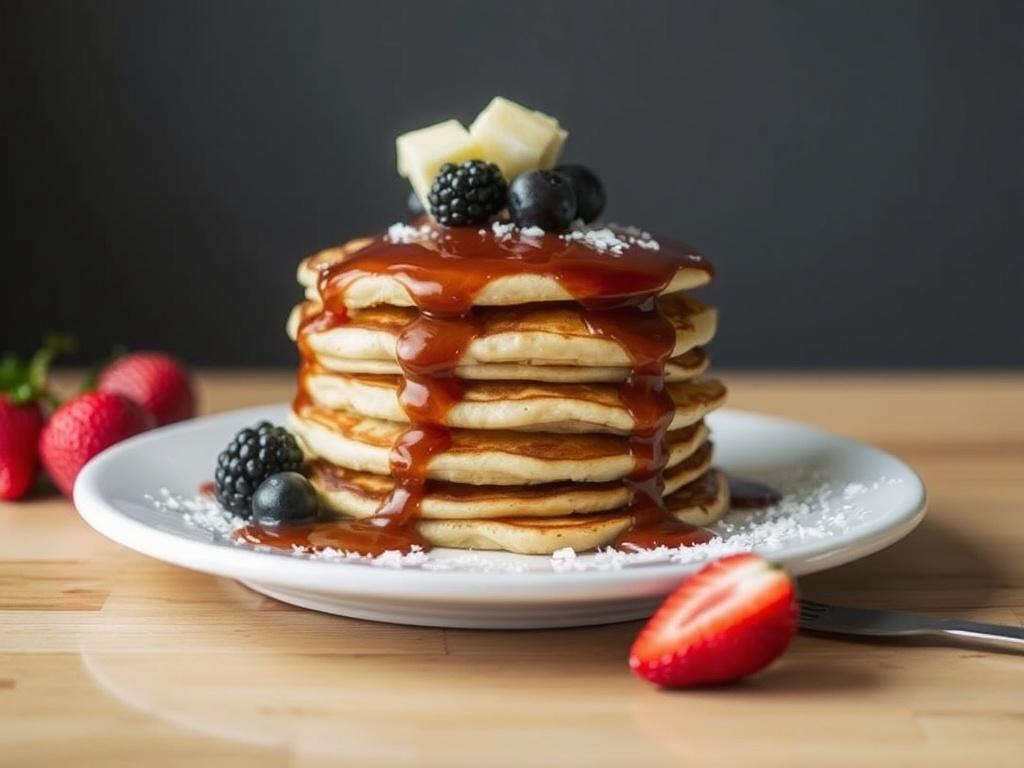
Pancakes are a blank canvas. For sweet breakfasts try maple syrup, honey, fresh berries, stewed apples, nut butter, whipped cream, or a sprinkle of cinnamon sugar. For savory options pick smoked salmon, crème fraîche and dill, grilled mushrooms and herbs, melted cheese, or a fried egg and hot sauce. Don’t forget regional touches: lemon and sugar for crepes, sour cream and caviar for blini, chutney or sambar alongside dosa.
Parting thought
Pancakes are modest and magical at once. They’re a recipe you can master in an afternoon and reinterpret for years. Start with a basic batter, then experiment: swap flours, fold in fruit, turn them into a dinner with savory fillings. You’ll find that every small change opens up a world of new flavors. Now go heat a pan and see what you discover.


