

If you’ve ever wandered the streets of Japan, or peeked into a traditional Japanese kitchen, you’ve probably noticed the humble bowl of misoshiru soup sitting quietly alongside sushi or rice. It’s not just a soup; it’s a warm embrace, a story steeped in centuries, and a staple that reflects the Japanese approach to food—simple, nourishing, and rich in flavor and culture. Misoshiru soup invites you not only to taste but to experience a living tradition that has traveled through time and geography, offering comfort and nourishment in every slurp. You might wonder, what is this soup really about? How did it become such a beloved part of Japanese cuisine and beyond? Let’s dive deep into the essence of Misoshiru soup and uncover its fascinating past, nutritional secrets, and the comforting versatility that makes it a worldwide favorite.
- Unraveling the Heart of Misoshiru Soup
- A Journey Back in Time: The Origins of Misoshiru Soup
- Where It All Began: The Original Roots of Misoshiru Soup
- Quirky Nuggets: Little-Known Facts About Misoshiru Soup
- Breaking Down the Bowl: Nutritional Value of Misoshiru Soup
- Global Spoons: Misoshiru’s Popularity Across Continents
- Kitchen Magic: Top 3 Recipes to Make Misoshiru Soup at Home
- Classic Misoshiru Soup
- Mushroom Misoshiru Soup
- Spicy Miso and Clam Soup
- The Perfect Pairings: What Complements Misoshiru Soup
Unraveling the Heart of Misoshiru Soup

Misoshiru soup is more than just miso paste mixed with broth—it’s a unique culinary tradition built around fermented soybean paste known as miso. This soup typically comprises a clear dashi stock infused with miso paste, creating a savory umami flavor that dances on the palate. The word “misoshiru” itself combines “miso,” the paste, and “shiru,” meaning soup in Japanese. What sets it apart is its incredible adaptability; common additions include tofu cubes, seaweed (wakame), and finely sliced green onions, but regional variations add unique ingredients like mushrooms, clams, or even mountain vegetables.
Unlike many thick or creamy soups, misoshiru offers a delicate yet deeply flavorful experience that comforts without overwhelming. It’s served warm, often at breakfast or alongside meals, making it an integral part of daily Japanese life. This deceptively simple broth carries in it centuries of culinary wisdom and culture.
A Journey Back in Time: The Origins of Misoshiru Soup
The origins of misoshiru soup stretch back over a thousand years, intertwining with the history of miso paste itself. Miso fermentation began as a method of preserving soybeans, and by the Heian period (794–1185), miso was already enjoying a place in Japan’s culinary landscape. Initially, miso was revered more for its medicinal and preservative qualities than as a food staple.
Misoshiru soup as we know it began gaining popularity during the Muromachi period (1336–1573), when sophisticated dashi stocks started developing, enhancing the miso’s flavor. The soup’s ability to be prepared quickly and its nourishing qualities made it especially favored by samurai and common folk alike. Over centuries, misoshiru evolved alongside Japan’s changing diet, becoming a comforting household staple, symbolizing home and family.
Where It All Began: The Original Roots of Misoshiru Soup
Misoshiru’s birthplace is intricately linked with the broader development of Japanese cuisine on the main islands, especially in regions with strong ties to soybean cultivation and fermentation culture. Though harder to pinpoint geographically, regions like Kyoto and the Kansai area hold significant historical influence, having set the tone for many traditional Japanese culinary methods. The first mentions of misoshiru appear in texts dating back to the 10th century, reflecting its centuries-long journey.
Quirky Nuggets: Little-Known Facts About Misoshiru Soup
Misoshiru soup isn’t just another soup; it spins a rich tapestry filled with surprising tidbits. For instance, did you know that it was once considered part of religious ceremonies, believed to have spiritual cleansing properties? Or that in some coastal areas, misoshiru includes tiny, dried fish or shellfish to boost its flavor naturally, supporting ancient umami techniques long before “umami” was a buzzword?
Here’s a quick list of captivating facts:
- There are over 1,000 varieties of miso, each altering the soup’s flavor significantly.
- Misoshiru was often used as a quick remedy for fatigue during the Edo period.
- It’s traditionally eaten with chopsticks and sipped directly from the bowl, a practice that connects diners deeply to this simple meal.
Breaking Down the Bowl: Nutritional Value of Misoshiru Soup
Misoshiru soup is not only delicious but also surprisingly nutritious, striking a balance between health and taste. Miso paste is packed with probiotics, thanks to its fermentation process, supporting gut health. It contains vitamins B, E, K, and folic acid, alongside minerals like zinc, manganese, and copper. The soup is low in calories but high in flavor, making it a perfect light meal or starter.
The main ingredients contribute as follows:
| Ingredient | Key Nutrients | Benefits |
|---|---|---|
| Miso paste | Probiotics, protein, vitamins B and K | Improves digestion, boosts immunity |
| Tofu | Plant protein, calcium | Supports muscle repair, bone strength |
| Wakame seaweed | Iron, iodine, antioxidants | Promotes thyroid health, reduces inflammation |
Global Spoons: Misoshiru’s Popularity Across Continents
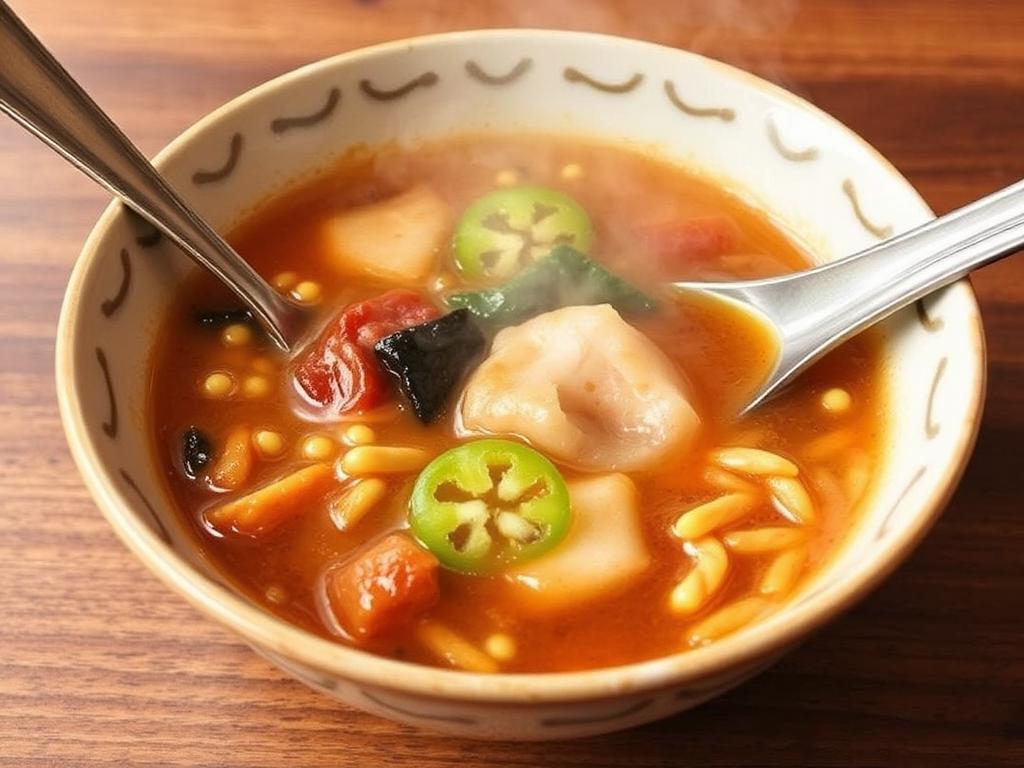
While rooted deeply in Japan, misoshiru soup has gradually greeted global tables. In the US, it’s embraced by sushi lovers and health enthusiasts who appreciate its umami punch and gut-friendly probiotics. European restaurants keen on Japanese cuisine also serve it as a starter. Its adaptability shines internationally — vegan versions thrive, and creative chefs blend local ingredients to make it their own.
It is fascinating how a dish so simple can effortlessly cross cultural gastronomic borders, appealing universally not only to flavor but to wellness trends. This rising popularity speaks volumes about the soup’s intrinsic value: comforting, healthy, and profoundly satisfying.
Kitchen Magic: Top 3 Recipes to Make Misoshiru Soup at Home
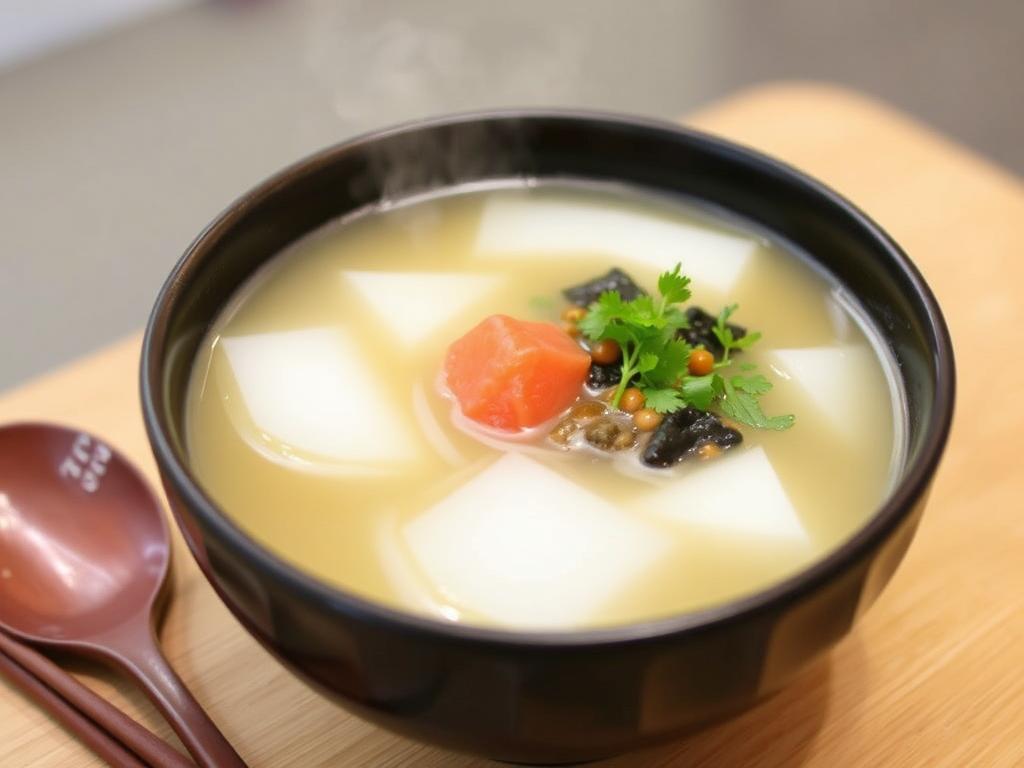
Making misoshiru soup at home is surprisingly straightforward, offering an approachable gateway to experiencing Japanese cuisine. Here are three different recipes that cover traditional and creative takes:
Classic Misoshiru Soup
- 3 cups dashi stock
- 2 tbsp miso paste
- 50g silken tofu, cubed
- 1 tbsp chopped green onions
- 1 tsp wakame seaweed, soaked
Instructions: Warm dashi, dissolve miso paste, add tofu and wakame, heat gently without boiling, garnish with green onions.
Mushroom Misoshiru Soup
- 3 cups dashi or vegetable stock
- 2 tbsp red miso
- Assorted mushrooms, sliced (shiitake, enoki)
- Chopped scallions and a dash of soy sauce
Instructions: Sauté mushrooms lightly, add stock, whisk in miso, warm gently, garnish.
Spicy Miso and Clam Soup
- 3 cups fish stock
- 2 tbsp spicy miso
- Fresh clams, cleaned
- Chili flakes and green onion
Instructions: Boil clams in stock until open, mix in miso paste, sprinkle chili flakes, serve hot.
The Perfect Pairings: What Complements Misoshiru Soup
Misoshiru soups are incredibly versatile but shine brightest when paired thoughtfully. Traditionally, it joins steamed rice and grilled fish to complete a balanced meal. Pickled vegetables and a small salad can add crunch, while tempura offers a contrasting texture. For those keeping it simple, a bowl of plain rice and a side of veggies is more than enough to enjoy misoshiru fully.
Exploring these combinations not only enhances the soup’s flavors but also provides a glimpse into the harmony so cherished in Japanese cooking—each component playing its part without overpowering the others.
—
Misoshiru soup isn’t just everyday fare—it’s a cultural emblem, a nutritional powerhouse, and a window into centuries of tradition. Whether you’re sipping it in a bustling Tokyo café or stirring a homemade pot across the world, you’re holding a taste of something truly special. Why not try your hand at making it today and discover its charms firsthand?


