
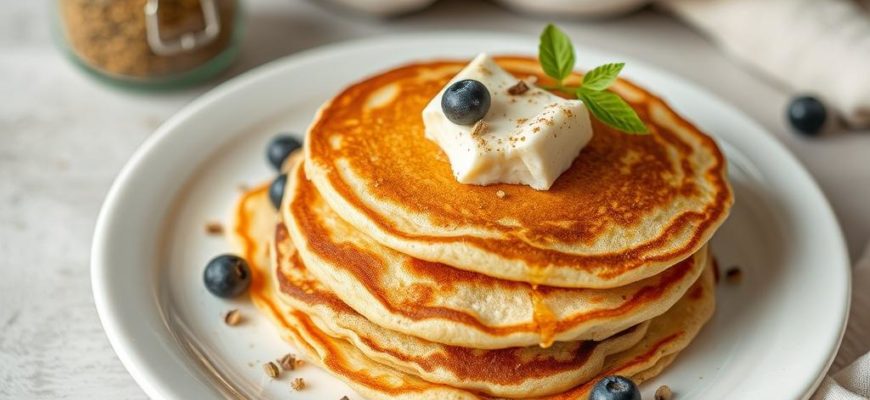
There is something comforting about a hot, slightly crisp pancake that gives way to a tender, cottage-cheese-filled center. If you have not tried Pancakes with cottage cheese yet, you’re in for a pleasant surprise: they balance light tang, satisfying protein and a texture that sits between a pancake and a fritter. Read on and you’ll find out where they come from, why they matter nutritionally, three foolproof ways to make them at home and the best things to serve alongside. By the time you finish this article, you will want to flip on the stove.
- What Pancakes with cottage cheese Really Are
- A Short History of Pancakes with cottage cheese
- Where Pancakes with cottage cheese First Appeared
- Interesting Facts about Pancakes with cottage cheese
- Nutritional value of Pancakes with cottage cheese
- Popularity in different countries of Pancakes with cottage cheese
- Three best recipes for cooking Pancakes with cottage cheese
- 1. Classic Syrniki
- 2. Baked Cottage Cheese Pancake Casserole
- 3. Quick Oat and Cottage Cheese Pancakes (blender)
- What to eat with Pancakes with cottage cheese
What Pancakes with cottage cheese Really Are
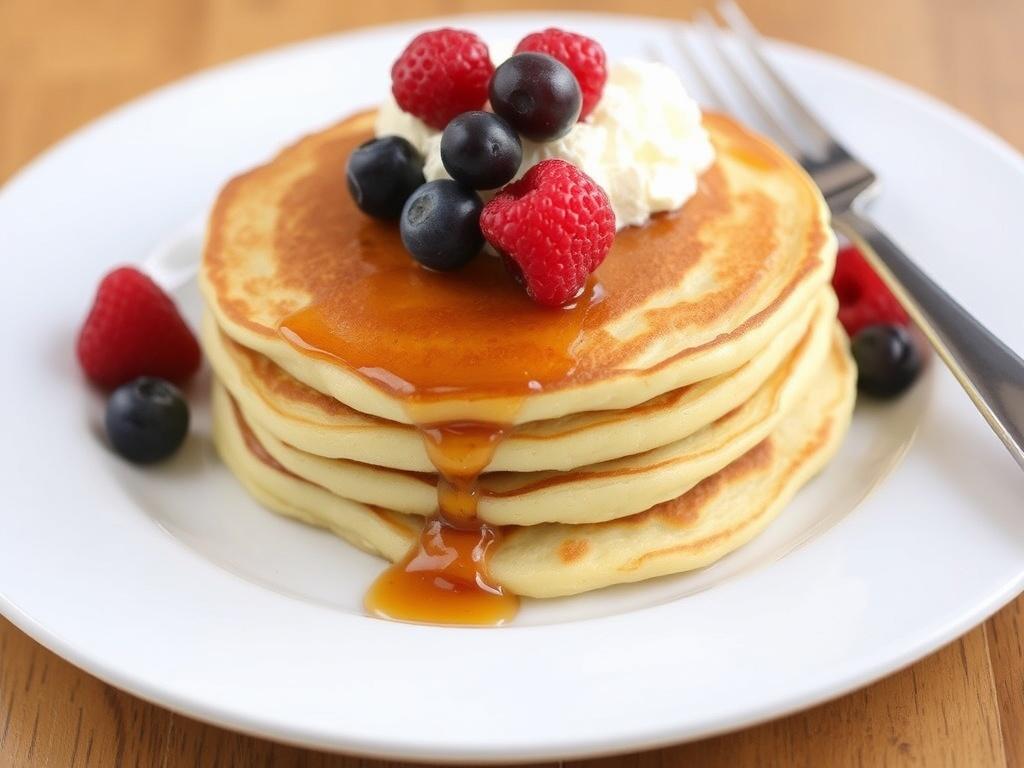
Pancakes with cottage cheese are small, pan-fried cakes made from a mixture that centers on fresh cottage cheese (or a similar curd cheese). Think of them as close cousins to ricotta pancakes or the Eastern European syrniki. The batter can be quite simple — just cheese, an egg, a bit of flour or starch and a pinch of sugar or salt depending on whether you aim for sweet or savory. The cheese contributes moisture and bite, so the final result is often tender inside with a golden crust outside. They can be made soft and flapjack-like or denser and more cake-like, depending on the amount of binder and how much you press or shape them.
A Short History of Pancakes with cottage cheese
These pancakes have roots in traditional peasant cooking across Eastern and Central Europe. Curd cheeses like farmer’s cheese, twaróg, or dry cottage cheese were common home staples because they were easy to produce from leftover milk and lasted longer than fresh cream. Turning curds into small fried cakes was a natural, frugal way to make a filling meal. Over time, the recipes diversified: families added eggs, different flours or sweeteners, and regional names grew around the same simple idea. Today the dish survives as both a cozy breakfast and a nostalgic comfort food.
Where Pancakes with cottage cheese First Appeared
While it is hard to point to one village or year, most culinary historians agree these pancakes originated in Slavic and neighboring regions where curd cheeses were part of daily life. You will find versions in Russia, Ukraine, Poland and Belarus, and each country has its favored cheese type and spin. As immigrants and cooks traveled, the idea spread and adapted. In Western Europe and North America, ricotta and cottage cheese found similar uses, creating local variations that keep the spirit of the original.
Interesting Facts about Pancakes with cottage cheese
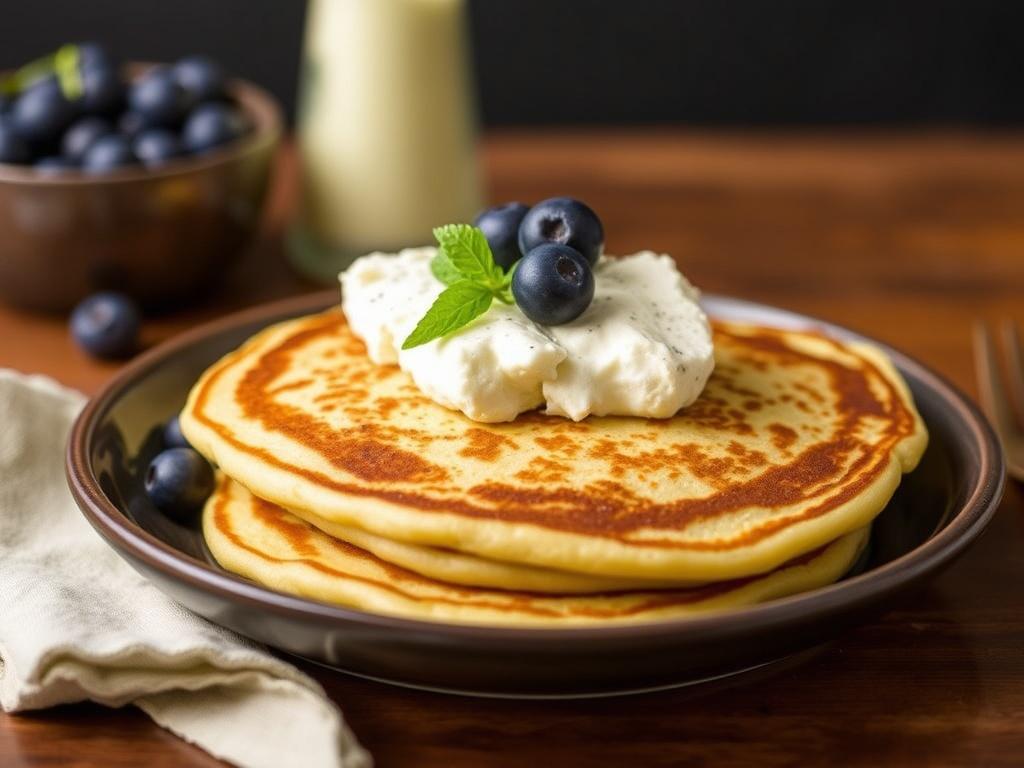
- Pancakes with cottage cheese go by many names; “syrniki” is the Russian term, while in Poland you might hear “twarogowe placki”.
- The texture depends heavily on the cheese: drier curd yields firmer pancakes, while creamy cottage cheese makes them softer and more delicate.
- They are flexible: a single base recipe can become sweet with honey and berries or savory with herbs and smoked fish.
- Because the cheese adds protein, these pancakes stay satisfying longer than plain flour pancakes.
Nutritional value of Pancakes with cottage cheese
Nutritional content varies with ingredients and portion size, but here are approximate values for a typical serving (about 100 g) of cheese-based pancakes made from cottage cheese, egg and a small amount of flour:
| Nutrient | Approximate per 100 g |
|---|---|
| Calories | 180–230 kcal |
| Protein | 10–14 g |
| Carbohydrates | 12–20 g |
| Fat | 6–10 g |
If you use low-fat cottage cheese and limit added sugars, these pancakes become a relatively high-protein breakfast option. Swap white flour for oats or whole grain flour to increase fiber. The cheese also brings calcium and B vitamins.
Popularity in different countries of Pancakes with cottage cheese
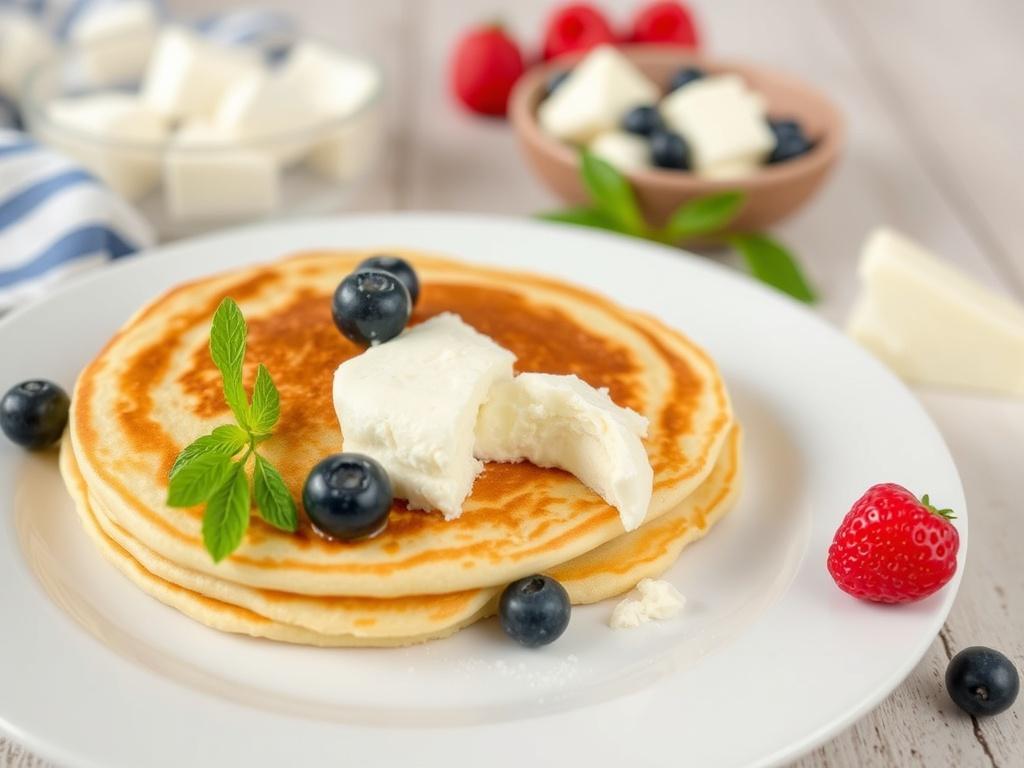
In Eastern Europe they are a household staple and appear on breakfast and dessert tables alike. In Poland and Lithuania they can be dressed up for festive meals; in Ukraine and Russia they are a quick weekday treat. In the United States and Western Europe people encounter similar preparations under ricotta pancakes or farmer’s cheese pancakes, often featured in cafés as a lighter, protein-forward pancake option. Each locale tweaks the toppings and sweetness to local taste — from sour cream and preserves to maple syrup and fresh fruit.
Three best recipes for cooking Pancakes with cottage cheese
1. Classic Syrniki
- Ingredients: 400 g dry farmer’s cheese or well-drained cottage cheese, 1 egg, 2–3 tbsp sugar, 4–6 tbsp flour, pinch salt, butter or oil for frying.
- Method: Mix cheese, egg and sugar until combined. Fold in flour until you can form small patties. Shape lightly, dust with extra flour, fry over medium heat 3–4 minutes per side until golden. Serve warm.
- Tip: If the batter is too wet, chill it for 20 minutes or add a spoon more of flour or semolina.
2. Baked Cottage Cheese Pancake Casserole
- Ingredients: 500 g cottage cheese, 3 eggs, 4 tbsp sugar or honey, 60 g flour or oat flour, 1 tsp vanilla, lemon zest.
- Method: Blend ingredients until smooth, pour into a greased baking dish and bake at 180°C (350°F) for 25–30 minutes. Slice and serve with fruit.
- Tip: This is great for making ahead and reheats well.
3. Quick Oat and Cottage Cheese Pancakes (blender)
- Ingredients: 200 g cottage cheese, 1 banana, 1 egg, 50 g oats, 1 tsp baking powder.
- Method: Blend everything until smooth, spoon batter onto a nonstick pan and cook small pancakes 2–3 minutes per side. Serve with yogurt and berries.
- Tip: This version is naturally sweeter and gluten-free if you use certified oats.
What to eat with Pancakes with cottage cheese
Sweet pairings are classic: dollops of sour cream, jam, honey, fresh berries, or a drizzle of condensed milk. For a fresher profile, top with Greek yogurt and citrus zest. If you want savory, think smoked salmon, chopped dill, lemon and a spoonful of crème fraîche, or a side salad with pickled cucumbers. The neutral tang of cottage cheese makes these pancakes a forgiving canvas for both sugary and savory toppings.
To wrap up, Pancakes with cottage cheese are versatile, forgiving and easy to make once you know a couple of tricks: use the right cheese texture, don’t overwork the batter and pay attention to pan temperature. Try one of the recipes above this weekend and you may find a new staple for easy, satisfying breakfasts.


