
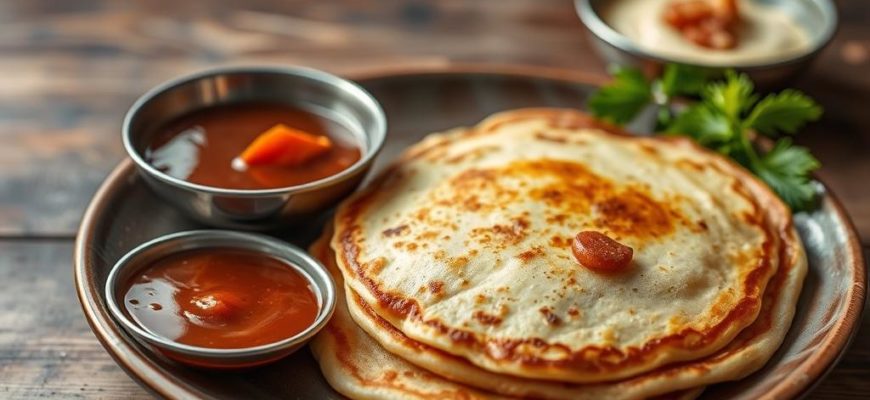
You step into a Filipino kitchen and the first thing that hits you is a warm, slightly sweet scent — rice, coconut, and something tangy in the background. Salukara pancakes pull you in the same way: humble ingredients, old-school fermentation, and a texture that’s at once cakey and cloud-light. If you’ve never tasted them, imagine the comfort of pancakes married to the slow, lived-in flavor of fermented rice. Stick around — this is a story of a tiny regional treasure that deserves a spot on your breakfast table.
- What it is Filipino Salukara pancakes — a plain-English intro
- History Filipino Salukara pancakes — where the flavor comes from
- Where it first appeared Filipino Salukara pancakes — the origin story
- Interesting facts about Filipino Salukara pancakes — surprising little details
- Nutritional value Filipino Salukara pancakes — what’s inside each bite
- Popularity in different countries Filipino Salukara pancakes — where people know them
- 3 best recipes for cooking Filipino Salukara pancakes — tried and adaptable versions
- 1. Traditional fermented salukara (simple)
- 2. Quick rice-flour salukara (no fermentation)
- 3. Coconut-banana salukara (sweet variation)
- What to eat with Filipino Salukara pancakes — pairing and serving ideas
What it is Filipino Salukara pancakes — a plain-English intro
Salukara is a traditional Filipino pancake made from rice. Think of a pancake batter that’s built from ground or soaked rice rather than wheat flour, often mixed with coconut milk and left to ferment a bit. The result is a soft, slightly tangy pancake with irregular holes, delicate chew, and a coconut-kissed sweetness. Variations exist across households: some use freshly ground glutinous rice, others rely on rice flour; some incorporate a little sugar, others let natural fermentation provide the depth. The essence stays the same — simple rice, gentle fermentation, and a skillet or clay pan to cook them on.
History Filipino Salukara pancakes — where the flavor comes from
Salukara belongs to the broader Filipino tradition of rice-based snacks and breads that predate colonial influence. For generations, families in parts of Eastern Visayas preserved methods of soaking, fermenting, and grinding rice to make everyday foods. Fermentation not only tenderizes the rice but also adds that distinct tang and lifts the batter without commercial leaveners. Over time, salukara remained largely regional and home-based rather than industrialized, which is why recipes vary from one village to the next. Oral histories and local cooks point to a lineage connected to galapong-style rice batter techniques used for many Filipino kakanin (rice cakes).
Where it first appeared Filipino Salukara pancakes — the origin story
Most accounts locate the origin of salukara in Samar and nearby parts of the Eastern Visayas. The Waray-speaking communities there kept rice-based cooking traditions alive, adapting to available ingredients like coconut and tuba (fermented coconut sap) where relevant. Because the dish is typically made at home for family breakfasts or community gatherings, its spread was gradual and local-first — it didn’t explode globally the way some street foods did. Today, you’re most likely to find authentic salukara in Samar households, local markets, and among Samar-born cooks in other regions.
Interesting facts about Filipino Salukara pancakes — surprising little details

- Fermentation plays a starring role: in many traditional recipes, natural fermentation or even a splash of tuba (fermented coconut sap) is used as a leavening agent.
- Texture is the bragging point: salukara sits somewhere between a pancake, a crumpet, and a soft rice cake — porous, tender, and slightly chewy.
- Tools vary: some families cook them on a flat iron griddle, others use a shallow clay pan that gives a faint smoky, earthy note.
- They’re versatile: eaten sweet or simply with coconut, but some people enjoy them with savory toppings too.
Nutritional value Filipino Salukara pancakes — what’s inside each bite
Salukara’s nutrition reflects its simple composition: rice (carbohydrates), coconut milk (fat), and small amounts of protein. Because actual recipes differ, consider these general tendencies rather than strict numbers.
| Component | Typical role |
|---|---|
| Carbohydrates | Main energy source — rice provides most of the calories |
| Fat | From coconut milk — contributes richness and calories |
| Protein | Low to moderate, depending on rice type and any added milk/eggs |
| Fiber | Minimal unless whole-grain rice is used |
| Vitamins & minerals | Trace amounts from rice and coconut; fermentation can increase some bioavailability of nutrients |
If you need precise calorie or macronutrient counts, it’s best to plug your specific ingredients into a nutrition calculator.
Popularity in different countries Filipino Salukara pancakes — where people know them
Within the Philippines, salukara remains most familiar in the Eastern Visayas region and among communities that migrated from there. Outside the Philippines, awareness grows in Filipino diaspora communities — think the U.S., Canada, the Middle East, and Australia — where home cooks recreate childhood favorites. It hasn’t become a mainstream global street food yet, partly because it’s less commercial and more home-oriented. That said, food writers and chefs who explore regional Filipino cuisine have begun featuring salukara in pop-up events and specialty brunch menus.
3 best recipes for cooking Filipino Salukara pancakes — tried and adaptable versions
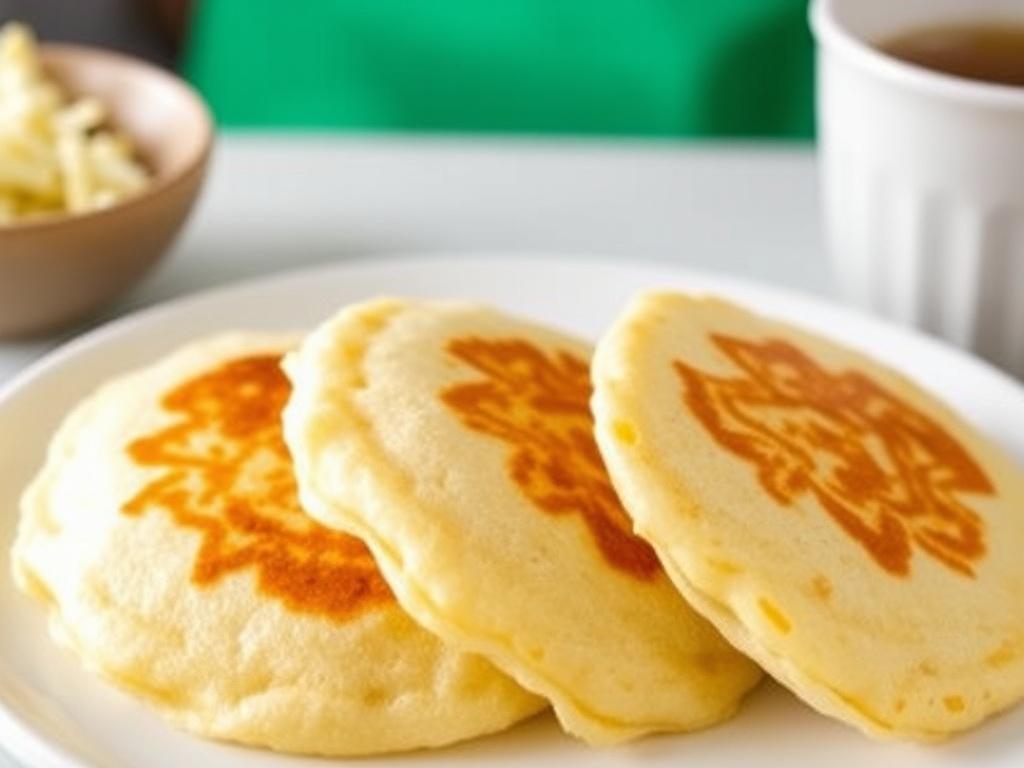
Below are three approachable recipes: a traditional fermented method, a quick rice-flour version, and a coconut-banana twist.
1. Traditional fermented salukara (simple)
Ingredients:
- 2 cups glutinous rice or a mix of glutinous and regular rice, soaked overnight
- Water for grinding
- 1 cup coconut milk
- 1–2 tablespoons sugar (optional)
- Pinch of salt
Steps:
- Drain soaked rice and grind to a smooth batter with water. Aim for the consistency of pancake batter.
- Mix in coconut milk, sugar, and salt. Cover and leave at room temperature to ferment for 6–12 hours, until bubbly and slightly tangy.
- Heat a lightly oiled skillet over medium-low heat. Spoon batter to form small pancakes. Cook until bubbles form and edges set, flip, and cook briefly on the other side.
2. Quick rice-flour salukara (no fermentation)
Ingredients:
- 1 1/2 cups rice flour
- 1/2 teaspoon baking powder
- 1 cup coconut milk + 1/4 cup water
- 1–2 tablespoons sugar
- Pinch of salt
Steps:
- Whisk dry ingredients together. Add coconut milk and water to form a smooth batter.
- Let rest 10–15 minutes. Cook like pancakes on medium heat until set and golden.
3. Coconut-banana salukara (sweet variation)
Ingredients:
- Use either the fermented batter or the quick batter above
- 1 ripe mashed banana
- Extra coconut milk as needed
- Optional: sprinkle of brown sugar on top while cooking
Steps:
- Fold mashed banana into batter. Adjust liquid so batter remains pourable.
- Cook on a skillet. A dash of browned sugar on top while cooking creates a caramelized finish.
What to eat with Filipino Salukara pancakes — pairing and serving ideas
Salukara is wonderfully adaptable. Try these pairings:
- Latik or coconut caramel for a rich, traditional topping
- Fresh grated coconut and muscovado or brown sugar for simple sweetness
- Ripe mango or banana slices for freshness
- Butter and honey if you want a familiar pancake vibe
- For contrast, pair with salty dried fish or a savory spread — the tang of the pancake balances salty flavors well
- Serve with coffee, hot chocolate, or for the adventurous, a small glass of tuba
Salukara is a reminder that comfort food doesn’t need to be complicated — it just needs good ingredients and a bit of time. Whether you make the slow fermented version or the quick rice-flour batter, you’ll get a taste that’s uniquely Filipino: modest, textured, and quietly unforgettable.


