

There’s something magical about a bowl of soup that just warms you right to the core, and oxtail soup is no exception. Imagine rich, tender meat falling off the bone, swimming in a deep, flavorful broth that’s been simmered for hours to bring out every drop of goodness. If you’ve ever wondered why oxtail soup has such a devoted following around the world, or if you’ve only just discovered it and want to dive deeper into its delicious mystery, you’re in the right place. This isn’t just any soup story — it’s a tale filled with history, culture, and a whole lot of mouthwatering flavor that will have you reaching for your ladle before you even finish reading. So, let’s take that first step into the world of oxtail soup and uncover what makes this dish so unforgettable.
- Unpacking the Magic: What Exactly is Oxtail Soup
- The Journey Back in Time: History of Oxtail Soup
- A World Map of Oxtail Soup: Where It All Began
- Did You Know These Amazing Facts About Oxtail Soup
- Fuel for the Body: Nutritional Value of Oxtail Soup
- The Global Love Affair: Popularity of Oxtail Soup in Different Countries
- Caribbean
- United Kingdom
- South Korea
- Italy
- Cook Like a Pro: 3 Best Recipes for Oxtail Soup
- Classic Slow-Cooked Oxtail Soup
- Jamaican Spicy Oxtail Soup
- Korean Style Oxtail Soup (Kkori Gomtang)
- Perfect Pairings: What to Eat with Oxtail Soup
Unpacking the Magic: What Exactly is Oxtail Soup
To start understanding the wonders of oxtail soup, it helps to first know what it actually is. Oxtail soup is, simply put, a broth-based soup made using the tail of a cow. Despite the name, it doesn’t dominantly taste “beefy” in a generic way; instead, oxtail meat is uniquely rich and gelatinous because of the high amount of collagen in the tail’s bones and connective tissue. When simmered for several hours, this collagen breaks down, creating a broth that’s luxuriously thick, silky, and packed with flavor. The meat itself is tender, almost buttery, and carries a depth that few other cuts of beef can match. People usually add a blend of vegetables like carrots, onions, celery, and sometimes tomatoes or spices, depending on regional variations. The result is a nourishing, full-bodied soup that’s both hearty and comfortingly satisfying.
The Journey Back in Time: History of Oxtail Soup

Believe it or not, oxtail, once considered a less desirable cut, has a surprisingly rich history. Historically, oxtail was often a humble ingredient, utilized in peasant and working-class cooking. It was a smart way to avoid wasting any part of the animal, a practice common in many cultures where nothing edible went unused. Over the centuries, as cooking techniques evolved and resourcefulness became an art form, oxtail soup grew in stature. It transitioned from a simple, economical dish to a prized delicacy, especially as chefs learned how to maximize the tail’s gelatinous qualities. Today, its history tells a story of transformation—how a once-overlooked part of the cow became a symbol of comfort and culinary craftsmanship around the globe.
A World Map of Oxtail Soup: Where It All Began
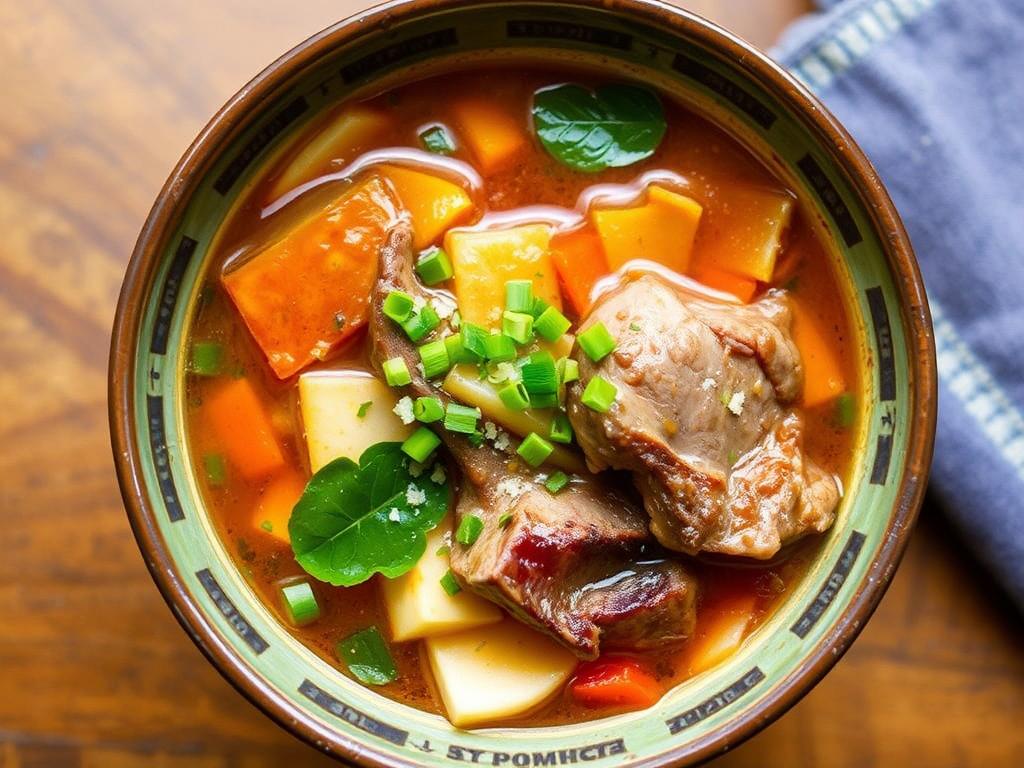
Pinpointing the exact birthplace of oxtail soup is like tracing the origins of a family recipe passed through generations—it’s widespread with many regional beginnings. Oxtail soup’s roots stretch across continents, with strong ties in European and Asian cooking traditions. In Europe, particularly in England and Italy, oxtail soup was a staple, cherished for its ability to feed large families economically. The Italians have a famous variant called “coda alla vaccinara,” a rich oxtail stew rather than a soup but very much related. Meanwhile, across the ocean in the Caribbean, oxtail soup evolved into something spicier and robust, infused with local herbs and peppers. In Korea, oxtail soup, or “kkori gomtang,” is known for its clear broth and delicate flavors, serving a more medicinal purpose. This patchwork of origins makes oxtail soup a truly global dish with local shades of flavor.
Did You Know These Amazing Facts About Oxtail Soup
Oxtail soup comes with some fascinating trivia that can spice up any dinner conversation. Here are a few intriguing nuggets:
- Oxtail used to be considered “poor man’s meat,” but nowadays some restaurants charge premium prices for this slow-cooked delight.
- The gelatin in oxtail not only adds body to the broth but is also believed to be good for joint and skin health.
- Because oxtail is starchy and fatty, it’s often paired with acidic ingredients like tomatoes or vinegar to balance flavors.
- Cooking oxtail soup requires patience—it usually takes at least 3 to 4 hours of slow simmering to make the meat fall off the bone.
- Many cultures pair oxtail soup with bread or dumplings, turning it into a complete meal.
Fuel for the Body: Nutritional Value of Oxtail Soup
Besides tasting like a hug in a bowl, oxtail soup is surprisingly nutritious. What’s packed inside this hearty broth?
| Nutrient | Benefits |
|---|---|
| Protein | Essential for muscle repair and immune function |
| Collagen and Gelatin | Supports joint health, skin elasticity, and gut lining |
| Iron | Vital for oxygen transport in the blood |
| Zinc | Boosts immunity and heals wounds |
| Fat | Provides energy and helps absorb fat-soluble vitamins |
While it’s rich in nutrients, oxtail soup can also be calorically dense, especially because of its fat content, so portion size is key. Many people enjoy it not just for flavor but also as a nourishing meal that satisfies hunger and boosts wellness.
The Global Love Affair: Popularity of Oxtail Soup in Different Countries
Oxtail soup’s popularity is truly a global phenomenon, but each country brings its own flair:
Caribbean
In Jamaica and other islands, oxtail soup packs a spicy punch, often cooked with scotch bonnet peppers, thyme, and allspice. It’s usually served with rice and peas.
United Kingdom
Here, oxtail soup was a traditional Sunday dish, appreciated for its comforting richness and slow-cooked tenderness. British recipes tend to be simpler, focusing on beef broth and root vegetables.
South Korea
“Kkori gomtang” is a delicately flavored Korean oxtail soup, where the emphasis is on a very clear broth, often eaten with rice and kimchi on the side for a clean, balanced meal.
Italy
Though technically a stew, “coda alla vaccinara” shows how oxtail is celebrated in Italian cuisine with tomatoes, celery, and sometimes chocolate to create a complex, rich dish.
Cook Like a Pro: 3 Best Recipes for Oxtail Soup
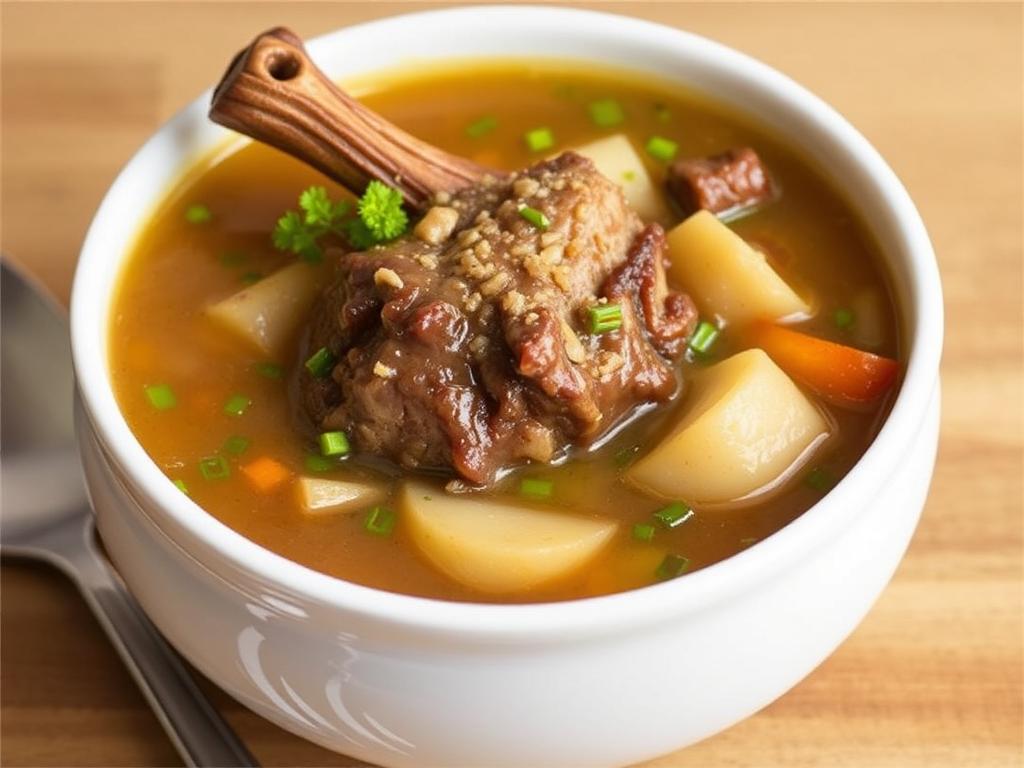
If you want to try your hand at making oxtail soup, here are three crowd-pleasers from different corners of the world:
Classic Slow-Cooked Oxtail Soup
- Brown 2 lbs of oxtail pieces in oil.
- Add diced carrots, celery, onions, garlic.
- Pour in beef stock, a splash of red wine, and herbs (thyme, bay leaves).
- Simmer for 3-4 hours until tender, then season with salt and pepper.
Jamaican Spicy Oxtail Soup
- Marinate oxtail with allspice, thyme, salt, and garlic overnight.
- Sauté with scotch bonnet peppers and onions.
- Add beef stock, kidney beans, and simmer for 4 hours.
- Serve with rice or bread to soak up the spicy goodness.
Korean Style Oxtail Soup (Kkori Gomtang)
- Boil oxtail to remove impurities, then rinse.
- Simmer in large pot with water, garlic, green onions for 5 hours.
- Season lightly with salt.
- Serve with rice and kimchi for a simple, nourishing meal.
Perfect Pairings: What to Eat with Oxtail Soup
Oxtail soup is delightful on its own, but pairing it well can elevate your experience. Here are some favorites to serve with your bowl:
- Crusty Bread: Ideal for soaking up that rich broth.
- Rice or Dumplings: Helps make the soup a full meal.
- Greens and Pickles: Adds a fresh or tangy contrast, balancing the soup’s richness.
- Root Vegetables or Mashed Potatoes: Their mellow flavors complement the soup perfectly.
No matter how you enjoy it, oxtail soup brings warmth, nourishment, and a sense of connection to culinary traditions across the world.
—
So next time you’re craving something hearty, remember oxtail soup isn’t just a meal – it’s a delicious story simmered in every pot, ready to share its unique richness with your taste buds.


