
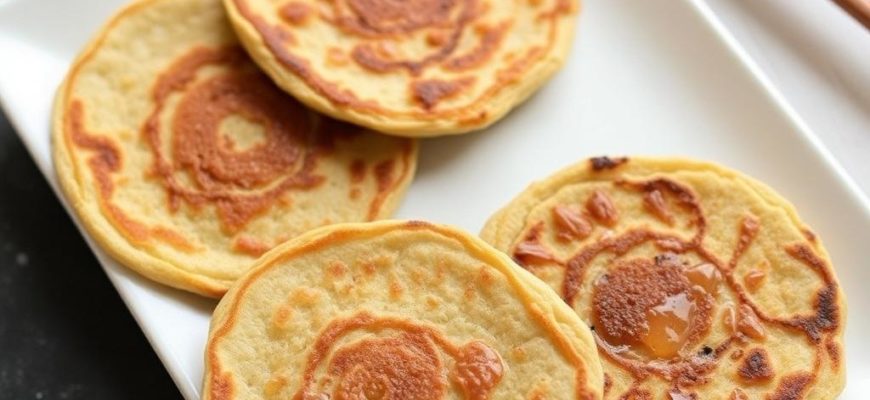
I still remember the first time I bit into a warm, slightly crisp Korean memiljon pancake at a little market stall tucked into a mountain town. It tasted like something honest and rooted: nutty, a touch earthy, with scallions and a tang that made me want another bite before I finished the first. If you love food that tells a place’s story, memiljon does that quietly and beautifully — and once you know how it’s made and how to play with it, you’ll find yourself making it on rainy nights and for guests who expect something familiar but get something wonderful instead. Read on and I’ll walk you from what memiljon is to three reliable recipes you can try tonight.
- What memiljon pancakes are and why they feel different
- How memiljon fits into Korean food history and everyday life
- Where memiljon first appeared and why geography matters
- Little-known and interesting facts about memiljon pancakes
- Nutritional profile of memiljon pancakes and what that means
- How memiljon spread beyond Korea and where it’s popular today
- Three reliable recipes to make Korean memiljon pancakes at home
- 1. Simple Memiljon with Scallions (Traditional, quick)
- 2. Kimchi Memiljon (bold, tangy)
- 3. Seafood Buckwheat Pancake (for sharing)
- What to serve with memiljon pancakes and pairing ideas
- Final tips for success
What memiljon pancakes are and why they feel different
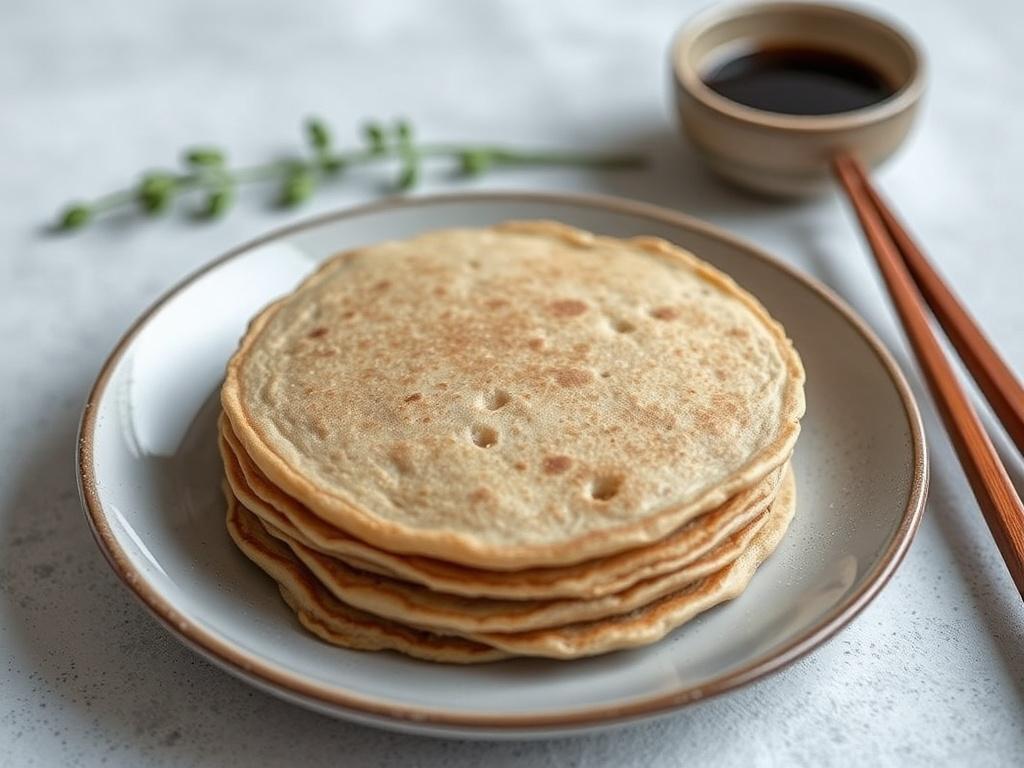
Memiljon pancakes are Korean savory pancakes made primarily with buckwheat (memil in Korean). Unlike the soft, fluffy Western pancakes, these are thin, slightly crisp at the edges, and carry buckwheat’s distinctive nutty-earthy flavor. They can be very simple — just buckwheat batter and scallions — or dressed up with kimchi, seafood, or vegetables. Because buckwheat doesn’t have gluten, membranes of texture shift: pancakes are more tender, sometimes delicate, and often benefit from a binder like egg, rice flour, or a little wheat flour. The result is a food that’s rustic, satisfying, and a little more complex than your usual fry-up.
How memiljon fits into Korean food history and everyday life
Buckwheat has long been a practical crop in Korea’s mountainous regions where rice and wheat don’t always thrive. People turned that grain (technically a pseudocereal) into noodles, porridge, jelly, and pancakes. Memiljon evolved as a way to use buckwheat quickly and flexibly: it cooks fast, uses few ingredients, and stretches into a meal, snack, or side dish. Over generations it became part of regional identity — especially in areas like Gangwon Province — and part of the repertoire for rainy-day comfort food and festival fare.
Where memiljon first appeared and why geography matters
Memiljon is associated with Korea’s northern and inland highlands, where buckwheat grows well in cooler, rocky soils. Those regions developed a cuisine that emphasizes hardy grains and mountain vegetables. Because buckwheat matures quickly and tolerates poor soil, communities relied on it in late summer and autumn. That practicality shaped the pancake’s modest, no-frills character: simple batter, local add-ins, and a hot pan.
Little-known and interesting facts about memiljon pancakes
- Buckwheat flowers are fragrant and white; in some places they attract beekeepers for specialty honey.
- Memiljon sits in a family of global buckwheat dishes — think Japanese soba noodles or French buckwheat galettes — but its texture and serving customs are distinctly Korean.
- People often reach for jeon (pancakes) and makgeolli (milky rice wine) on rainy days; the sound of rain seems to make both taste better.
- Pure buckwheat batter can be fragile; traditional cooks sometimes blend it with rice or a small amount of wheat to improve handling.
Nutritional profile of memiljon pancakes and what that means
Buckwheat is nutritious: higher in protein than many grains, a good source of fiber, and rich in minerals like magnesium and manganese, plus antioxidants such as rutin. It’s naturally gluten-free, though contamination or added wheat can change that. Below is an approximate nutritional snapshot for 100 g of plain buckwheat flour and a typical 120 g cooked buckwheat pancake (values vary by recipe).
| Item | Per 100 g buckwheat flour | Per 120 g cooked pancake (estimate) |
|---|---|---|
| Calories | 343 kcal | 180–230 kcal |
| Protein | 13 g | 6–9 g |
| Fiber | 10 g | 3–5 g |
| Fat | 3.4 g | 4–8 g (depends on oil) |
| Notable nutrients | Magnesium, manganese, B vitamins, rutin | Same nutrients, quantities reduced |
How memiljon spread beyond Korea and where it’s popular today
Within Korea, memiljon is most common in regional markets and home kitchens near buckwheat-growing areas. Abroad, it pops up in Korean restaurants and in fusion kitchens experimenting with wholesome grains. Chefs who celebrate seasonal, regional ingredients often adopt buckwheat pancakes because they’re gluten-free-friendly and offer a distinct flavor profile. In the U.S. and parts of Europe, you’ll see them on menus as “Korean buckwheat pancakes” or alongside other jeon varieties.
Three reliable recipes to make Korean memiljon pancakes at home
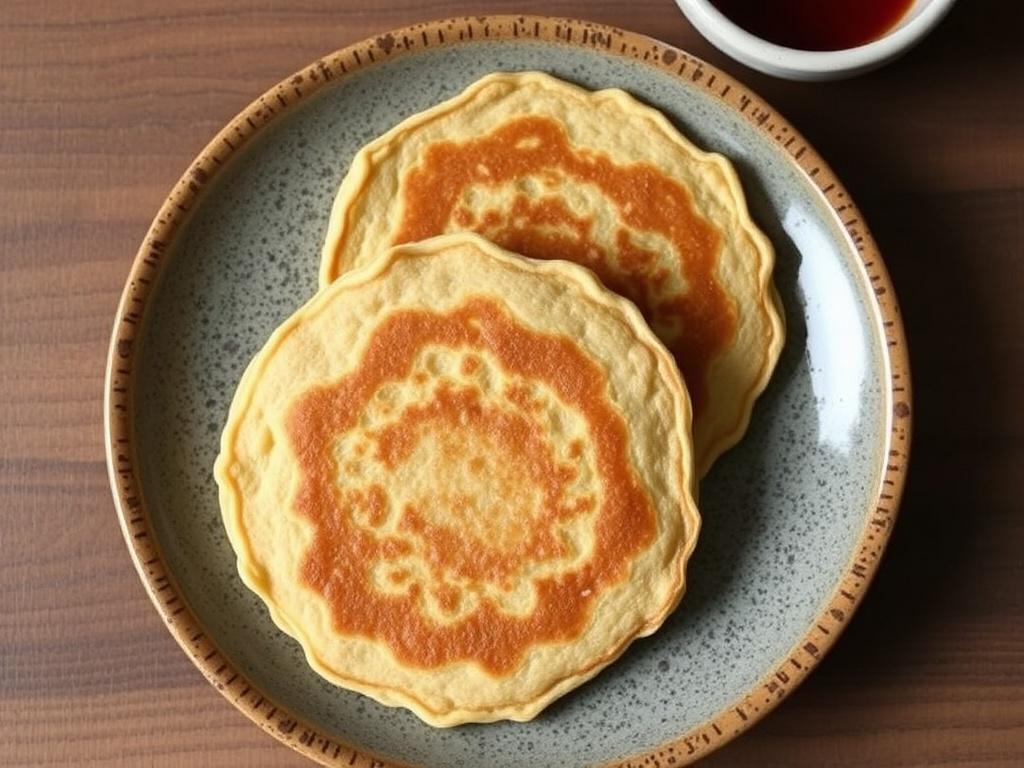
1. Simple Memiljon with Scallions (Traditional, quick)
Yields 6 small pancakes
Ingredients:
- 1 cup buckwheat flour
- 1/2 cup rice flour or 1 tablespoon potato starch
- 1 cup cold water (adjust)
- 1 egg (optional, for binding)
- 3–4 scallions, thinly sliced
- Pinch of salt
- Neutral oil for frying
Steps:
- Whisk flours, salt, water, and egg until just combined; batter should be pourable but not watery.
- Fold in scallions.
- Heat a skillet with a little oil over medium-high. Pour 1/4 cup batter for small pancakes, spread slightly.
- Cook 2–3 minutes per side until edges crisp. Drain on paper towel and serve warm.
Tips: For a crisper edge, make the pan hotter and use less batter to create thinner pancakes.
2. Kimchi Memiljon (bold, tangy)
Yields 4–6 pancakes
Ingredients:
- 1 cup buckwheat flour
- 1/2 cup all-purpose or rice flour
- 1 cup chopped, well-drained kimchi + 2 tbsp kimchi juice
- 1 egg
- 1 tsp sugar (optional)
- Oil for frying
Steps:
- Mix flours with kimchi, kimchi juice, egg, and salt to form a thick batter.
- Fry spoonfuls in hot oil until both sides are deeply browned and crisp around edges.
- Serve with a dipping sauce.
Why it works: Kimchi’s acidity and texture add moisture and lift to the otherwise dense buckwheat batter.
3. Seafood Buckwheat Pancake (for sharing)
Yields 8–10 larger pancakes
Ingredients:
- 1 cup buckwheat flour
- 1/2 cup wheat or rice flour
- 1 1/4 cups cold water
- 1 egg
- 100 g shrimp or squid, chopped
- 1/2 cup shredded cabbage
- Salt and pepper
Steps:
- Combine flours, water, and egg. Stir in seafood and cabbage, season lightly.
- Fry spoonfuls, flattening slightly, until golden and cooked through.
- Serve hot, garnish with sliced chilies or scallions.
What to serve with memiljon pancakes and pairing ideas
The classic companion is a dipping sauce: soy sauce mixed with a splash of vinegar, a few drops of sesame oil, chopped scallion, and crushed red pepper. Beyond that, think of light banchan (pickled radish, kimchi), a bowl of hot soup, or makgeolli for an authentic pairing — the mildly sweet, fizzy rice wine offsets the earthy buckwheat beautifully. For a modern twist, try a citrusy soy vinaigrette or a yogurt-dill dip when serving to Western guests.
Final tips for success
Use a hot pan and don’t overload it. If you want a firmer texture, add a small proportion of rice flour or an egg. Taste your batter: a touch of kimchi juice or soy can transform the flavor. And remember: these pancakes are forgiving. They’re meant to be shared, nibbled, and adapted — so experiment, enjoy the process, and make memiljon your own.


