

There’s something fascinating about those soul-satisfying soups that don’t just warm you up but also tickle your taste buds with a burst of flavors. Among them, there’s a humble dish that’s been quietly winning hearts across kitchens and dining tables — Rasam Soup. If you’ve never encountered this vibrant, tangy concoction, you’re in for a treat that blends tradition, health, and a playful dance of spices in one bowl. Let’s dive deep into the world of Rasam Soup and unravel what makes it a timeless classic waiting to be your next comfort food obsession.
- Discovering Rasam Soup: What It Is All About
- The Story Behind Rasam Soup: Tracing Its History
- Where It First Made Its Mark: The Birthplace of Rasam Soup
- Some Juicy Details: Interesting Facts About Rasam Soup
- The Health Angle: Nutritional Value of Rasam Soup
- Traveling Taste Buds: Popularity of Rasam Soup Across the Globe
- Three Rock-Solid Recipes to Master Rasam Soup at Home
- What Pairs Perfectly with Rasam Soup
Discovering Rasam Soup: What It Is All About
Rasam Soup is essentially a spiced, tangy broth that hails from South India. Unlike the creamy, rich soups you might be used to, Rasam is clear and light but packs a powerful punch of flavors — think tamarind’s sourness mingling with a mix of spices like black pepper, cumin, and mustard seeds, and tempered with curry leaves. The base often consists of tamarind juice, tomatoes, and lentils, giving it a distinct zing that’s hard to put into words but impossible to forget once tasted. This soup holds a special place in Indian households, often served as a digestive aid or a flavorful companion to rice.
The Story Behind Rasam Soup: Tracing Its History
The journey of Rasam Soup reaches far into Indian culinary traditions. It’s not just a random invention but a dish deeply embedded in Tamil Nadu and surrounding regions’ food culture. Historically, it evolved as a simple concoction for busy families—providing quick nourishment using easily available ingredients like tamarind, lentils, and spices. Over centuries, it grew into a ritualistic dish, especially for its health benefits in Ayurvedic practice where its warming properties balanced the digestive system. It’s fascinating how something so simple carries the weight of generations and regional identity within its flavorful legs.
Where It First Made Its Mark: The Birthplace of Rasam Soup
Though Rasam Soup is now enjoyed across many states in India, its roots are firmly planted in Tamil Nadu, a southern state renowned for its rich and diverse cuisine. The warm, humid climate there made tamarind an ideal ingredient — blending it with cumin, mustard seeds, and pepper created a soup that was not just tasty but also fortifying. Karnataka and Andhra Pradesh, neighboring states, have their variations too, each adding a regional twist—sometimes with more garlic, other times with a pepperier edge. The first handful of sips in these areas must have felt like tasting the land itself.
Some Juicy Details: Interesting Facts About Rasam Soup
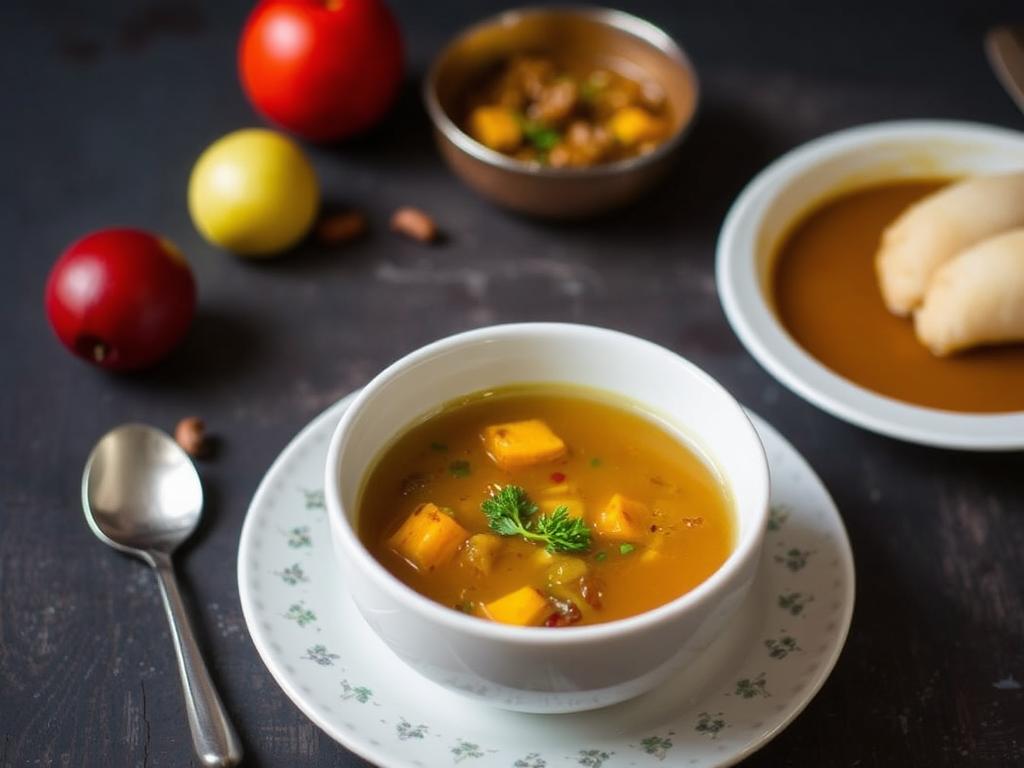
Rasam Soup is more than meets the eye. For example, did you know the word ‘Rasam’ in Tamil means ‘essence’ or ‘juice’? That’s precisely what this soup captures—the essence of spices and herbs distilled into liquid form. Additionally, it serves as a natural remedy for colds, indigestion, and sometimes even act as an appetite stimulator. Its preparation varies wildly—some families swear by adding garlic, while others avoid it altogether. And in temples, Rasam often plays a role in ritual offerings, symbolizing purity and nourishment. It’s a soup with stories folded in every simmer.
The Health Angle: Nutritional Value of Rasam Soup
Beyond its zesty flavor, Rasam Soup is a nutritional powerhouse. It’s low in calories yet rich in antioxidants, thanks to ingredients like black pepper and cumin. Tamarind contains vitamins and minerals that aid digestion and improve gut health. Lentils add a hint of protein, making the soup not just tasty but also wholesome. Plus, the spices used—like mustard seeds and curry leaves—possess anti-inflammatory properties. All these components make Rasam a smart choice, especially when you want something light that simultaneously settles your stomach.
Traveling Taste Buds: Popularity of Rasam Soup Across the Globe
While Rasam Soup has its heart and origin in Southern India, its fame has crept across borders along with the Indian diaspora. You’ll find it in Indian restaurants from London to New York, where it’s often served as an appetizer or paired with rice. Interestingly, as more people seek comfort foods with a healthy twist, Rasam is gaining traction even among those unfamiliar with Indian cuisine. Online recipe views and cooking tutorials are rising steadily, showcasing its adaptability and appeal. Some fusion chefs even experiment with Rasam-inspired broths in modern dishes. Clearly, this tangy soup is not just a regional secret anymore.
Three Rock-Solid Recipes to Master Rasam Soup at Home
Ready to try making Rasam Soup yourself? Here’s a quick breakdown of three popular recipes that emphasize different flavor aspects:
- Classic Tamarind Rasam: Combines tamarind extract with pigeon peas (toor dal), tomatoes, black pepper, cumin, garlic, and mustard seeds for a traditional taste.
- Garlic Rasam: Adds a generous helping of crushed garlic for an extra punch, reputed to be especially good during cold seasons.
- Tomato Rasam: Focuses more on fresh tomatoes alongside basic spices, resulting in a slightly sweeter yet tangy broth.
Each recipe follows the basic method of tempering spices in hot oil, then simmering with cooked lentils and tamarind juice, but the choice of spices and additional ingredients tailor the flavor uniquely.
What Pairs Perfectly with Rasam Soup
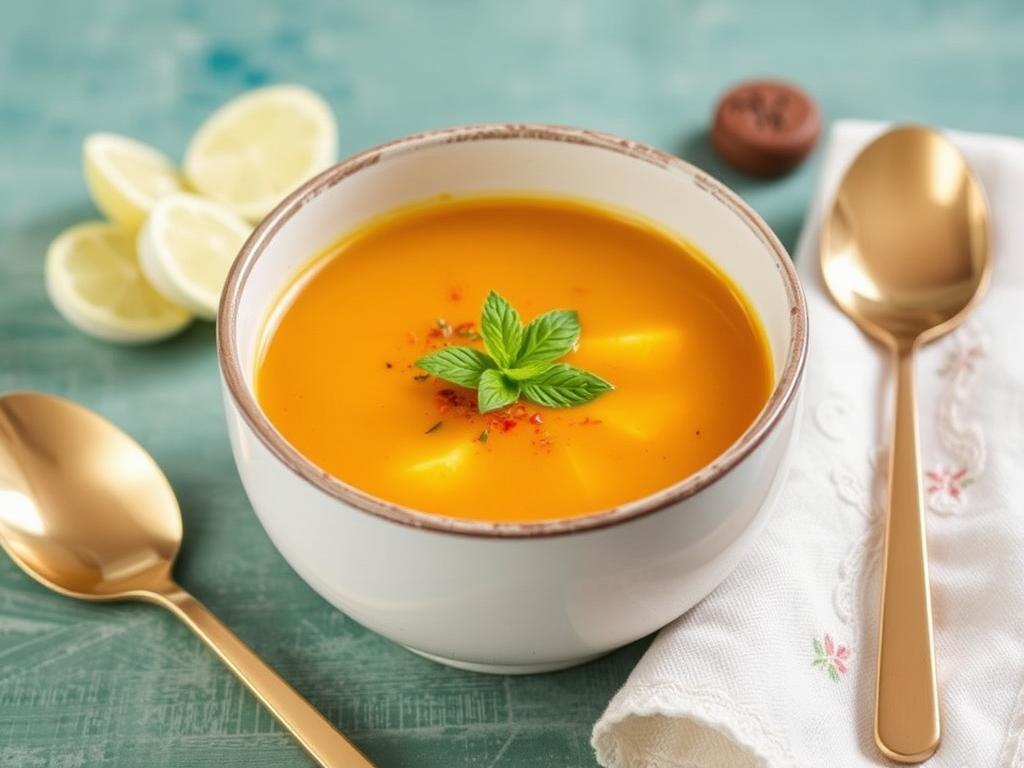
Rasam Soup rarely stands alone. In traditional Indian meals, it’s commonly served with steamed rice, acting almost like a flavorful broth poured over plain grains to add moisture and taste. Bread like chapatti or dosa can also accompany it for dipping. Some people enjoy it as a starter before heavier dishes, while others gulp it down as a warm, light meal on its own. Side dishes like vegetable stir-fries or yogurt-based raita help balance the soup’s tanginess. Honestly, Rasam is so versatile that it can be the heart of a meal or just the spicy spark you need.
To sum up, Rasam Soup isn’t just any soup. It’s a cultural emblem, a medicinal concoction, and perhaps soon, your favorite new kitchen adventure. Its simple ingredients and vibrant flavor make it accessible yet distinct. Next time you’re craving something light, nurturing, and full of character, give Rasam Soup a chance to surprise you.


