

If you’ve ever stumbled across a bright yellow soup that somehow feels like a warm hug on a chilly day, chances are it was Soto Ayam Soup. This Indonesian treasure combines fragrant spices with tender chicken, creating a dish that’s both comforting and vibrant. It’s the kind of soup that doesn’t just fill your stomach but also tells a story—of culture, history, and shared meals across generations. Once you get a whiff or a taste, you’ll want to dive deeper into what makes Soto Ayam so captivating, from its aroma to its place at dinner tables worldwide. Ready to unravel the secrets of this golden broth?
- What is Soto Ayam Soup
- The Story of Soto Ayam Soup: A Rich History
- Where Soto Ayam Soup First Appeared
- Fascinating Facts about Soto Ayam Soup
- Nutritional Value of Soto Ayam Soup
- How Soto Ayam Soup Gains Popularity Across Different Countries
- Three Tried-and-True Recipes to Make Your Own Soto Ayam Soup
- What to Pair with Soto Ayam Soup for a Complete Meal
What is Soto Ayam Soup
Soto Ayam Soup is a traditional Indonesian chicken soup distinguished by its bright yellow color and rich, complex flavor. The signature hue comes from turmeric, one of the many spices simmered into the broth. It typically features shredded chicken, vermicelli noodles, boiled eggs, and a mix of fresh herbs like scallions and fried shallots, lending both texture and layers of taste. What makes Soto Ayam special is the balance between the hearty chicken stock and aromatic spices such as ginger, lemongrass, garlic, and lime leaves. This combo creates a light yet deeply flavorful soup that’s refreshing but also satisfying enough for any meal. It’s a feast in a bowl, effortlessly combining simplicity and depth.
The Story of Soto Ayam Soup: A Rich History
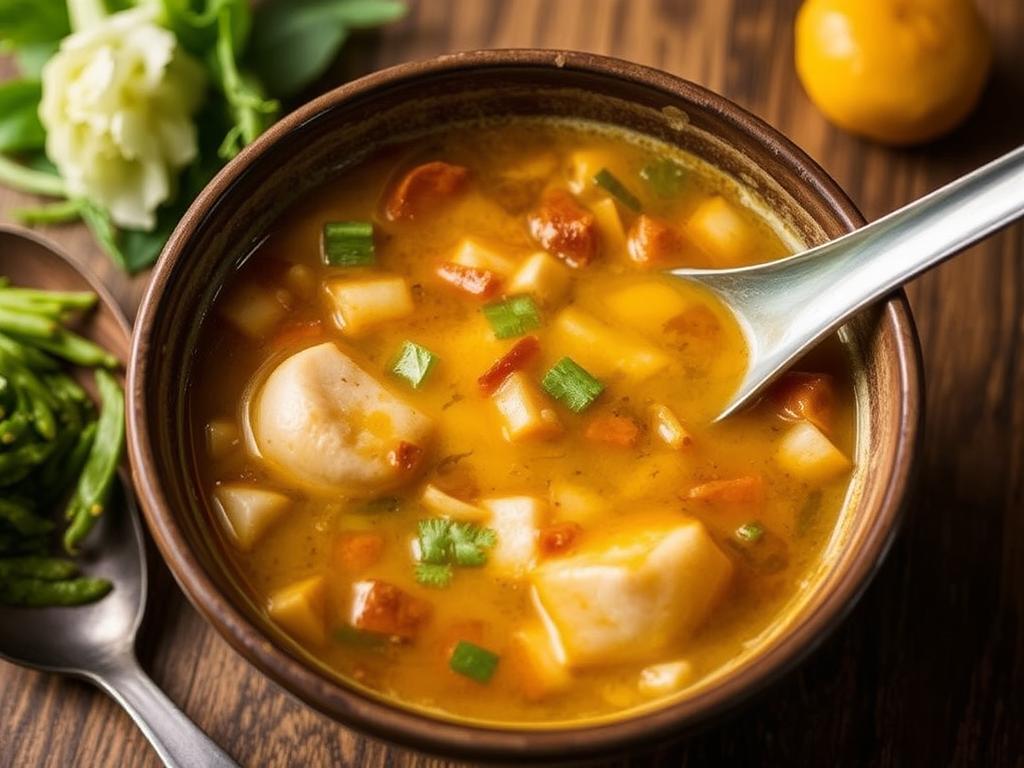
Tracing Soto Ayam Soup back leads us to Indonesia’s diverse culinary tapestry shaped by centuries of trade and cultural exchange. Roots of Soto Ayam can be found woven into various regional versions of soto, a term broadly referring to soups within Indonesian cuisine. The dish reflects influences from Chinese broth-making techniques and Indian spice blends, merged with native Indonesian ingredients. Soto Ayam became a daily staple partly because of its affordability and adaptability—ingredients were accessible, and families could tweak recipes based on local produce or taste preferences. Over time, it evolved from a humble street food favorite to a respected dish served in homes and restaurants alike, carrying stories of communal tables and festive occasions.
Where Soto Ayam Soup First Appeared
While Soto Ayam Soup is beloved throughout Indonesia, many food historians trace its earliest form back to Java—the island that’s Indonesia’s cultural heart. Java’s bustling markets and street vendors nurtured Soto’s early variations, with Soto Ayam emerging as a standout due to its bright, appealing look and comforting, layered flavors. The dish’s appeal quickly spread across islands, adapting to local ingredients and tastes, which is why today you’ll find subtle differences from Jakarta to Medan. However, Java remains its birthplace in spirit, where the careful balance of spice, broth, and chicken first captured hearts and palates alike.
Fascinating Facts about Soto Ayam Soup
Behind every warm bowl of Soto Ayam lies more than just ingredients:
- Color Secret: Turmeric isn’t just for taste; it gives Soto Ayam its signature sunshine glow, often making it instantly recognizable.
- Versatility: Variations include adding rice cakes (lontong), potatoes, or even tofu, depending on regional availability.
- Street Food Favorite: In Indonesia, Soto sellers use large brass pots simmering on the street corner, drawing crowds with the soup’s enticing aroma.
- Health Boost: The soup is traditionally believed to aid digestion and boost immunity, thanks to ingredients like ginger and turmeric.
These nuggets reveal how Soto Ayam is much more than food—it’s a cultural emblem loaded with sensory and social heritage.
Nutritional Value of Soto Ayam Soup
On the nutrition front, Soto Ayam offers a surprisingly balanced profile given its humble ingredients. Here’s a quick look at what one average serving provides:
| Component | Amount per serving |
|---|---|
| Calories | about 250-300 kcal |
| Protein | 20-25g from chicken |
| Carbohydrates | 20-30g largely from noodles or rice cakes |
| Fat | 5-8g, mostly healthy fats from spices and aromatics |
| Vitamins & Minerals | Rich in Vitamin C, B-vitamins (from herbs), and antioxidants |
The combination of lean chicken, vegetables, and spices makes Soto Ayam a hearty but not heavy meal, packed with immune-supportive elements.
How Soto Ayam Soup Gains Popularity Across Different Countries
Though fundamentally Indonesian, Soto Ayam Soup has crossed borders along with the diaspora, gaining fans in Malaysia, Singapore, and the Netherlands—places with historical or cultural ties to Indonesia. In these countries, local adaptations emerge, sometimes swapping garnishes or adjusting spice levels. For example, in the Netherlands, it’s a known dish in Indonesian restaurants, bringing nostalgic flavors to expatriates and curious newcomers. Global curiosity about exotic, yet approachable dishes has also sparked interest in Soto Ayam on foodie platforms and cooking shows, making it a quiet ambassador of Indonesian cuisine worldwide.
Three Tried-and-True Recipes to Make Your Own Soto Ayam Soup
Ready to bring the golden glow into your kitchen? Here are three recipe ideas to match varied tastes and skills:
- Classic Soto Ayam: Simmer turmeric, ginger, garlic, lemongrass, and chicken in water, add vermicelli noodles and shredded boiled eggs, garnish with fried shallots and lime wedges.
- Vegetarian Version: Use vegetable broth with tempeh or tofu, mushrooms, and add the same aromatic spices to get that familiar flavor.
- Slow Cooker Soto Ayam: Combine chicken thighs, spice paste, and broth in a slow cooker for 6-8 hours for a hands-off, rich broth with tender meat.
Each version captures the essence of Soto Ayam, perfect for different moods and kitchens.
What to Pair with Soto Ayam Soup for a Complete Meal
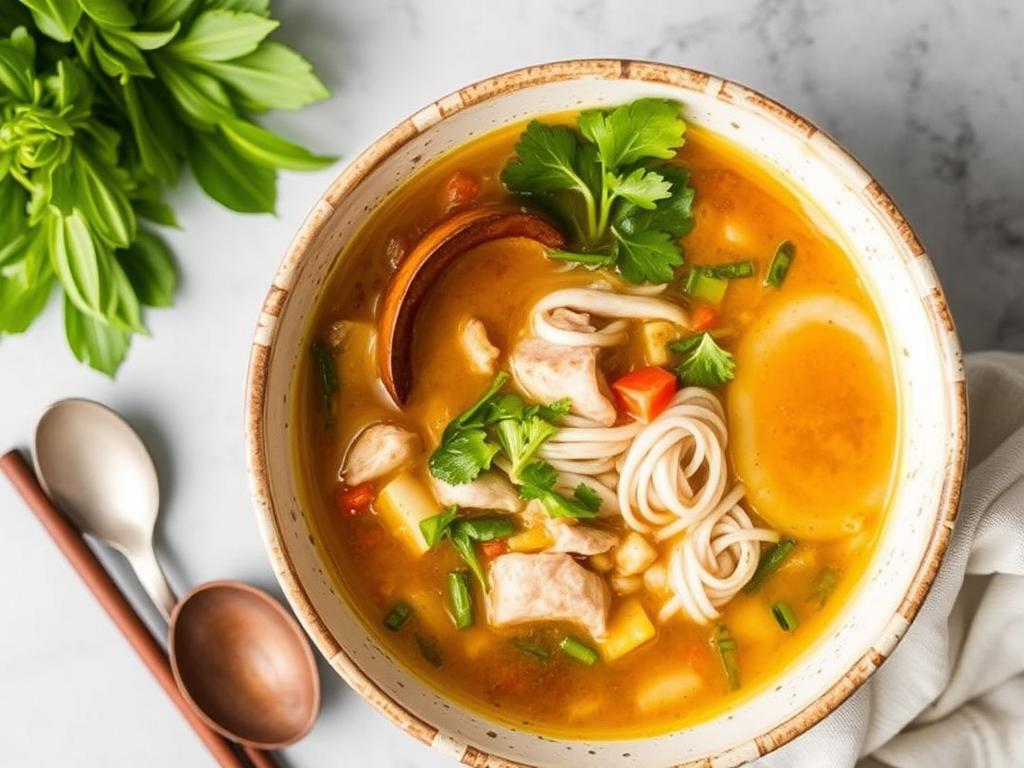
Soto Ayam is often just the start of a satisfying meal. Indonesians love to serve it with:
- Steamed white rice or rice cakes (lontong)
- Fresh sambal or chili paste to spice things up
- Crispy fried shallots for crunch
- Light pickled vegetables (acar) for tanginess
- Wrapped fried spring rolls (lumpia) or satay skewers as hearty sides
These accompaniments contrast textures and deepen the flavor experience, turning a simple soup into a celebration of tastes and traditions.
—
Soto Ayam Soup invites more than just eating—there’s a warmth in knowing each bowl carries stories of Indonesia’s land, its people, and their love for food that comforts and connects. With its golden broth and vibrant ingredients, it offers a delicious bridge between history, culture, and everyday joy. Whether you sip it on a rainy evening or share it at a festive table, Soto Ayam feels like a dish that gently welcomes you home.


