
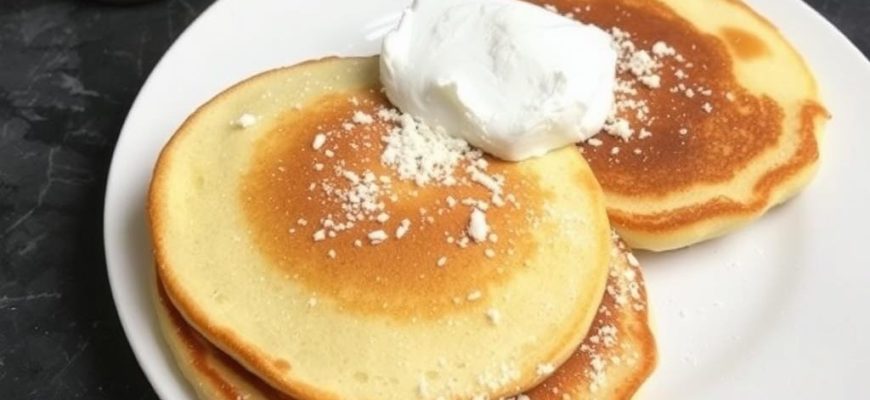
There’s something impossible to resist about a hot stack of pancakes that puff up in the pan and smell of browned butter and vanilla. If you’ve ever wondered why some pancakes come out flat while others are airy clouds, the secret often hides in a tiny white crystal: baking soda. Stick around and I’ll show you how this humble ingredient changes texture, flavor, and even the way you’ll think about breakfast forever.
- What Pancakes with baking soda Actually Are
- How the Idea Developed and Its Place in History
- Where Pancakes with baking soda First Appeared
- Interesting Facts about Pancakes with baking soda
- Nutritional Value of Pancakes with baking soda
- Popularity in Different Countries
- Three Best Recipes for Cooking Pancakes with baking soda
- 1. Classic Buttermilk Pancakes (fluffy and dependable)
- 2. Yogurt and Honey Pancakes (tangy-sweet, quick)
- 3. Banana Pancakes with Baking Soda (juicy and naturally sweet)
- What to Eat with Pancakes with baking soda
What Pancakes with baking soda Actually Are
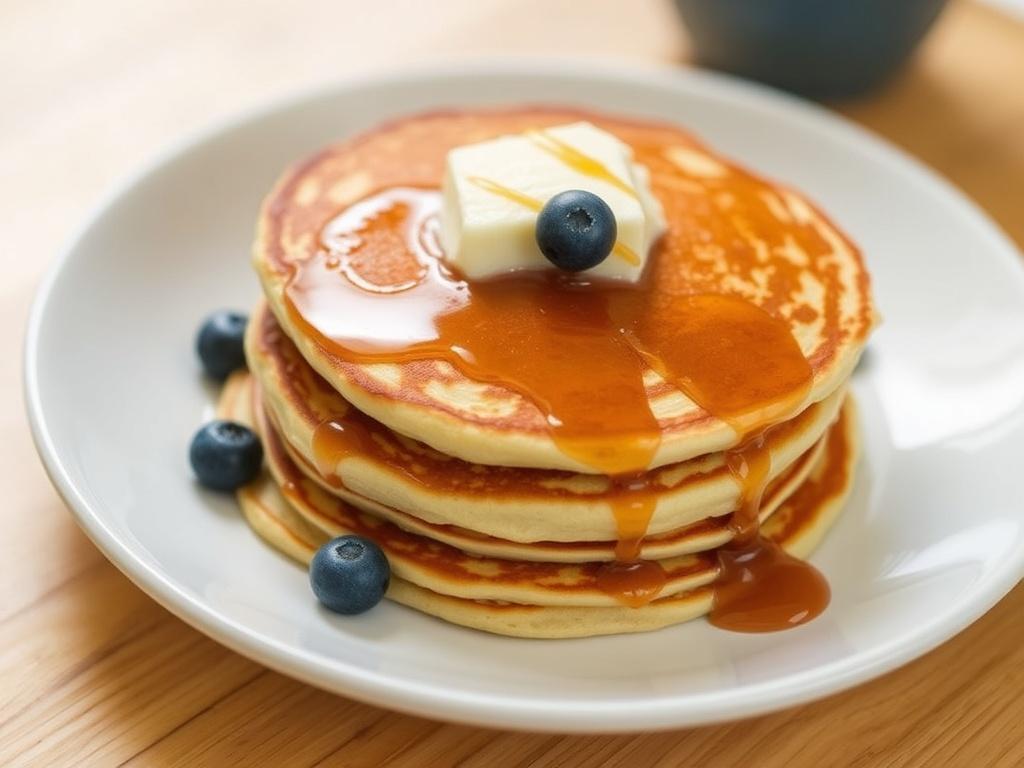
Pancakes with baking soda are simply batter-based cakes where sodium bicarbonate is used as a leavening agent. Baking soda releases carbon dioxide when it meets an acid and heat, creating bubbles that expand in the batter and make pancakes rise. Unlike recipes that rely solely on baking powder or whipped egg whites, these pancakes often use buttermilk, yogurt, or mashed banana to provide the acid needed for the reaction. The result tends to be a tender crumb with a slightly tangy background note and quick, reliable lift.
How the Idea Developed and Its Place in History
The technique of adding alkaline agents to quick breads and griddle cakes grew in popularity in the 19th century, when baking soda became a cheap and widely available product. Before that, cooks used yeast or mechanical aeration for rise. As household chemistry became more accessible, pancakes evolved from dense flatbreads into the fluffy stacks we love. So when you make pancakes with baking soda, you’re continuing a culinary innovation that reshaped home cooking—turning a daily staple into something lighter and quicker to prepare.
Where Pancakes with baking soda First Appeared
Pinpointing a single birthplace is tricky. Flat, griddle-cooked cakes exist across cultures for millennia. The specific combination of a quick batter plus baking soda likely emerged where commercial baking soda and acidic dairy (like buttermilk) intersected—mostly in Europe and North America during the 1800s. American farmhouse kitchens, where buttermilk was plentiful and economies favored fast breads, played a big role in popularizing the method. It spread quickly because the chemistry is simple and forgiving.
Interesting Facts about Pancakes with baking soda
- Baking soda needs an acid to work: without it, pancakes may taste soapy or metallic and won’t rise properly.
- Because the reaction happens quickly, you should cook batter soon after mixing; otherwise, you lose lift.
- Using both baking powder and baking soda is common—baking powder ensures some rise even without acid, while baking soda neutralizes acidity and adds browning.
- With a bit of baking soda, pancake edges brown faster thanks to alkaline-enhanced Maillard reactions, giving a more savory-sweet crust.
Nutritional Value of Pancakes with baking soda
Here’s a simple approximate breakdown for one medium pancake (around 60–70 g), made with milk, egg, flour, a small amount of butter, and one-quarter teaspoon baking soda:
| Component | Approximate per pancake |
|---|---|
| Calories | 120–150 kcal |
| Protein | 3–5 g |
| Carbohydrates | 18–22 g |
| Fat | 4–7 g |
| Fiber | 0.5–1.5 g |
Notes: baking soda itself adds negligible calories or nutrients but affects sodium content slightly. Swap ingredients—whole-grain flour, fruit purees, or less butter—to adjust nutrition without losing the leavening effect.
Popularity in Different Countries
Pancakes with baking soda show up in many breakfast traditions, although they wear different names and shapes. In the United States and Canada, the buttermilk pancake—often lifted with a pinch of baking soda—is a weekend staple. In Scotland, drop scones use similar chemistry. Northern European and Baltic kitchens sometimes use baking soda with soured milk for thin, soft griddle cakes. In each place the same principle applies: an acid + sodium bicarbonate shortcut produces tender, quick breads that feed a family fast.
Three Best Recipes for Cooking Pancakes with baking soda
1. Classic Buttermilk Pancakes (fluffy and dependable)
- Ingredients:
- 1 cup all-purpose flour
- 1 tbsp sugar
- 1 tsp baking powder
- 1/2 tsp baking soda
- 1/2 tsp salt
- 1 cup buttermilk
- 1 large egg
- 2 tbsp melted butter
- Method:
- Whisk dry ingredients together. In another bowl combine buttermilk, egg, and butter. Fold wet into dry until just combined; small lumps are fine.
- Heat a skillet over medium, grease lightly. Spoon 1/4-cup batter for each pancake. Cook until bubbles form, flip, then cook until golden.
- Tips: Don’t overmix; cook soon after mixing so the baking soda’s fizz is active.
2. Yogurt and Honey Pancakes (tangy-sweet, quick)
- Ingredients:
- 1 cup plain yogurt
- 1 cup flour
- 1 tbsp honey
- 1/2 tsp baking soda
- 1/2 tsp salt
- 1 egg, beaten
- Method:
- Mix yogurt, honey, and egg. Stir in flour, salt, and baking soda. The batter will be thick; thin slightly with milk if needed.
- Cook on a medium griddle in small rounds. Flip when top surface dulls and edges set.
3. Banana Pancakes with Baking Soda (juicy and naturally sweet)
- Ingredients:
- 1 ripe banana, mashed
- 1 cup flour
- 1 cup milk
- 1 egg
- 1/2 tsp baking soda
- 1 tsp vanilla
- Method:
- Combine banana, milk, egg, and vanilla. Stir in flour and baking soda until just mixed.
- Cook over medium heat. The mashed banana provides enough acidity for the baking soda to react and give lift.
What to Eat with Pancakes with baking soda
Pancakes with baking soda are versatile: keep it classic with butter and maple syrup, or go savory by topping with smoked salmon and crème fraîche. Fresh fruit, compotes, plain yogurt, nut butters, or a drizzle of lemon-curd all pair beautifully. For texture, add toasted nuts or seeds. If you want a complete meal, serve them alongside eggs or a salad of bitter greens to balance the richness.
Final tip: taste and texture change dramatically with small adjustments—less mixing, a touch more acid, or a hotter pan. Once you understand how baking soda works, you can tweak any pancake recipe into something reliably fluffy and full of character. Give one of these recipes a try this weekend and see how simple chemistry can transform your breakfast.


