

Have you ever stumbled upon a dish that seems simple but carries the rich story of generations within each spoonful? Aquacotta soup is exactly that kind of culinary treasure — a humble broth that has warmed hearts and bellies across Italy for centuries. If you’ve never heard of Aquacotta soup before, prepare to uncover a fascinating journey through history, culture, and of course, mouthwatering recipes that you’ll soon want to try at home. This isn’t just another vegetable stew; it’s a symbol of resourcefulness and rustic charm, and by the end of this read, you’ll understand why Aquacotta soup has a special place in the Italian kitchen. Ready to explore what makes this dish so beloved, where it first arrived, and how you can enjoy it yourself? Let’s dive in.
- What Is Aquacotta Soup and Why It’s So Special
- The Fascinating History Behind Aquacotta Soup
- Where Aquacotta Soup First Made Its Mark
- Intriguing Tidbits That Make Aquacotta Soup More Than Just a Soup
- The Nutritional Value of Aquacotta Soup You Should Know
- The Growing Popularity of Aquacotta Soup Around the World
- Top 3 Tried-and-True Aquacotta Soup Recipes You’ll Want to Make Tonight
- Classic Tuscan Aquacotta Soup
- Hearty Bean and Herb Aquacotta
- Vegan Aquacotta with Root Vegetables
- Perfect Food Pairings to Enjoy Alongside Aquacotta Soup
What Is Aquacotta Soup and Why It’s So Special
Aquacotta soup, literally meaning “cooked water” in Italian, is a traditional Italian vegetable soup with roots deeply embedded in rural life. Its name might sound unusual or even simple, but don’t let that fool you. Aquacotta soup is a vibrant medley of fresh vegetables, herbs, olive oil, and often a hearty addition like eggs or bread to enrich the broth. What makes it truly unique is its origin as a peasant dish crafted out of necessity — using whatever the seasons offer, often slow-cooked over an open fire. It’s incredibly adaptable, which means no two Aquacotta soups look exactly the same, depending on what ingredients you have on hand.
The Fascinating History Behind Aquacotta Soup

The history of Aquacotta soup is as comforting as the dish itself. It stems from a time when Italian peasants, particularly in the rural regions of Tuscany and Lazio, needed to create filling meals using scant ingredients. Aquacotta soup symbolizes survival, ingenuity, and the essence of Mediterranean simplicity. For centuries, this soup was a daily staple for farmers and shepherds who cooked leftovers and garden produce in a single pot. Over time, this practical meal transformed from mere sustenance into a dish celebrated for its flavor and tradition, passing down through families and even making its way into gourmet Italian tables.
Where Aquacotta Soup First Made Its Mark
While Aquacotta soup’s exact origins are somewhat diffuse, it is widely recognized as a dish from the Maremma area of southern Tuscany and parts of Lazio. The geology and lifestyle of these regions—characterized by mountainous terrain, fertile plains, and a history of pastoral life—provided the perfect setting for a dish that relied on accessible, seasonal ingredients. The shepherds and farmers of Maremma would make Aquacotta soup using whatever greens, beans, and herbs were available, making this soup a versatile dish that continues to capture the spirit of these Italian landscapes.
Intriguing Tidbits That Make Aquacotta Soup More Than Just a Soup
– Aquacotta literally means “cooked water,” emphasizing how simple yet flavorful this dish is.
– It often includes stale bread to add heartiness, making it an early example of “nose-to-tail” – or rather “nose-to-crust” – cooking, ensuring nothing went to waste.
– Some traditional recipes even call for an egg to be poached right in the bubbling broth, adding a silky texture and extra protein.
– In its simplest form, Aquacotta soup can be vegan, relying purely on the richness of vegetables and herbs.
These interesting facts underscore how this dish is a perfect blend of sustainability, tradition, and taste.
The Nutritional Value of Aquacotta Soup You Should Know
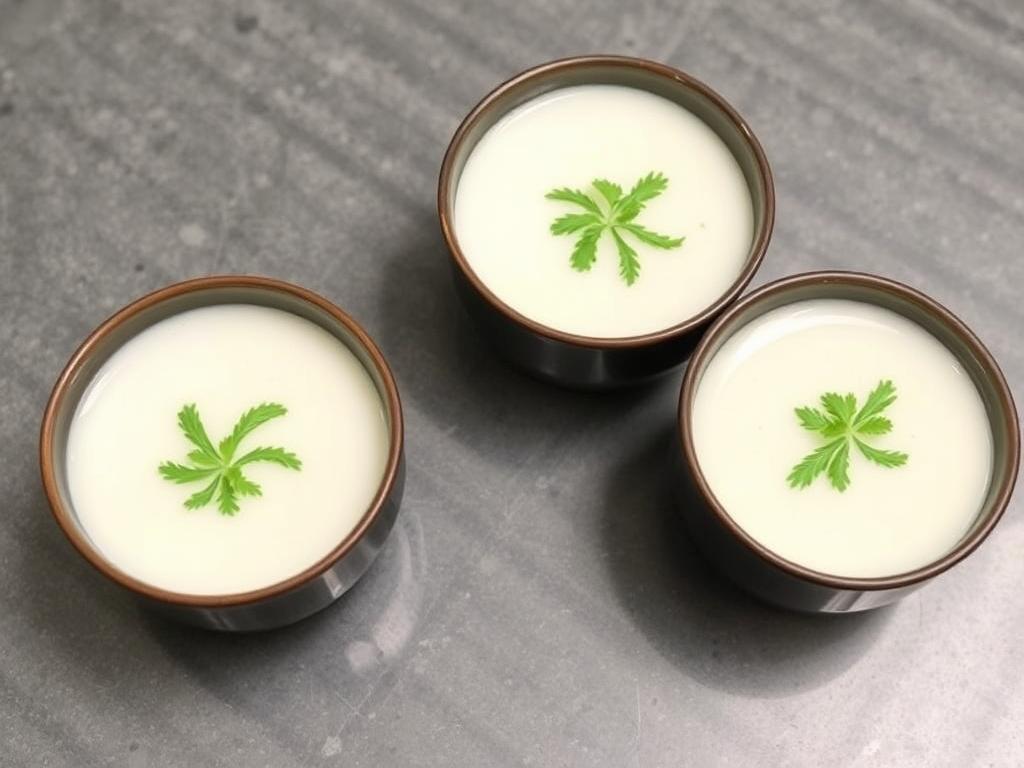
Given its reliance on fresh vegetables, herbs, and olive oil, Aquacotta soup packs a nutritional punch, especially when prepared with a variety of vegetables and legumes. Here’s a rough breakdown of what you’re getting in a typical serving:
| Nutrient | Approximate Amount per Serving | Benefit |
|---|---|---|
| Calories | 150-200 kcal | Low calorie, ideal for light meals |
| Fiber | 5-7 grams | Aids digestion and keeps you full |
| Vitamin C | 30-40 mg | Boosts immune system |
| Protein | 5-8 grams (varies with added eggs or beans) | Supports muscle repair and growth |
| Healthy Fats | around 5-7 grams (from olive oil) | Good for heart health |
The fresh ingredients and olive oil used in Aquacotta soup not only add layers of flavor but also provide antioxidants and essential vitamins. For those watching their diet, this soup is a superb way to enjoy a filling and nourishing meal without feeling weighed down.
The Growing Popularity of Aquacotta Soup Around the World
While Aquacotta soup has deep origins in Italy, its popularity has slowly expanded globally — especially among fans of rustic and healthy food. Food bloggers and chefs love to share this recipe because it showcases the elegance of simple cooking methods and garden-fresh ingredients. In countries with Mediterranean influence or strong culinary ties to Italy, Aquacotta soup is often celebrated in festivals and authentic eateries. It’s also embraced by vegetarians and vegans who seek hearty but plant-based dishes. From the bustling streets of Rome to restaurants in New York and Melbourne, Aquacotta soup’s charm continues to win over new fans looking for comfort food with a story.
Top 3 Tried-and-True Aquacotta Soup Recipes You’ll Want to Make Tonight
Here are three variations—from basic to slightly more elaborate—to get you started on your Aquacotta soup journey.
Classic Tuscan Aquacotta Soup
- Olive oil, garlic, and onion sautéed gently
- Seasonal greens like chard or kale
- Tomatoes, herbs like rosemary and thyme
- Vegetable broth and stale bread cubes
- Optional poached egg on top
Hearty Bean and Herb Aquacotta
- All ingredients from the classic version
- Added cannellini beans for protein and texture
- Sprinkle of Parmesan cheese before serving
Vegan Aquacotta with Root Vegetables
- Sweet potatoes, carrots, and celery
- Tomato base with oregano and basil
- Toasted bread cubes drizzled with garlic olive oil
Each recipe keeps the soul of Aquacotta alive, catering to different tastes and occasions.
Perfect Food Pairings to Enjoy Alongside Aquacotta Soup
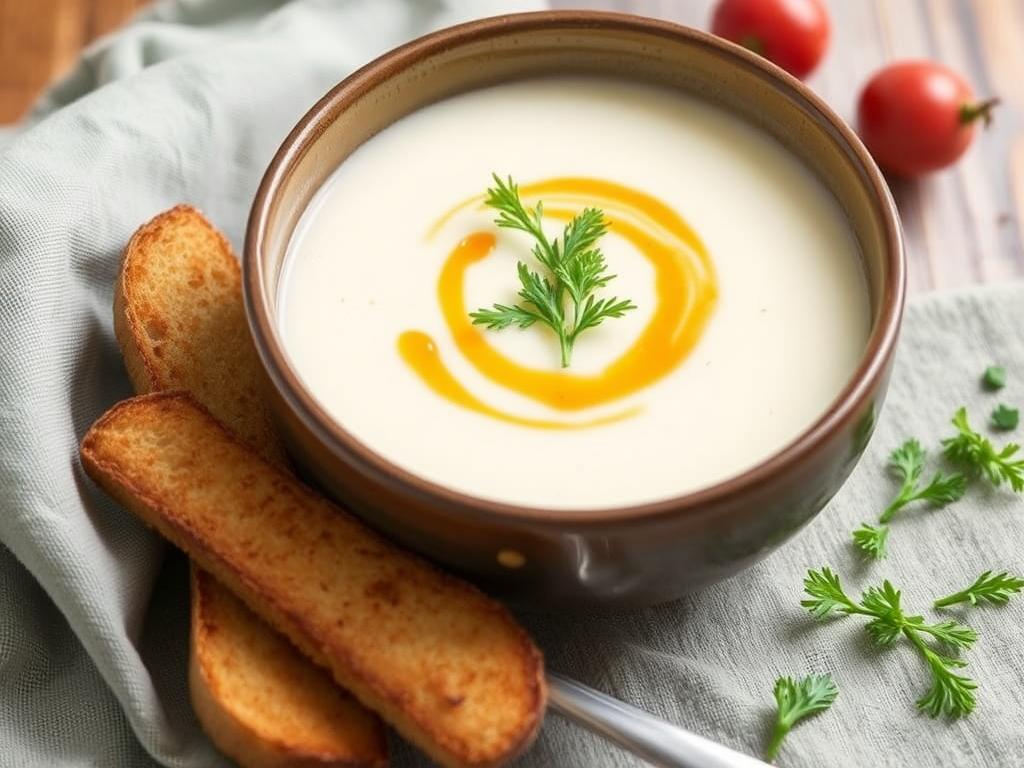
Aquacotta soup is versatile, but pairing it right can elevate your meal to new heights. Here are a few ideas:
- Crusty Italian bread: Ideal for dipping and soaking up every drop of broth.
- Light white wine: Something like a Pinot Grigio or Verdicchio complements the fresh flavors without overpowering them.
- Simple side salad: Mixing arugula, olives, and a lemon vinaigrette adds brightness.
- Cheese plate: Featuring Pecorino Romano or fresh mozzarella for richness.
Knowing what to eat with Aquacotta soup helps round out a satisfying and balanced Italian meal experience.
—
Aquacotta soup might seem like a “cooked water” soup on the surface, but as you’ve learned, it’s anything but plain — it’s history, nutrition, and flavor, all blended into one humble dish. Whether you try your hand at cooking the classic recipe or experiment with your own twist, Aquacotta soup is a delicious invitation to savor Italy’s rustic heart. So why not get a pot on the stove, gather some fresh veggies, and taste a piece of Italy that’s been simmering for centuries?


