

If you’ve ever found yourself enchanted by the idea of thin, tender pancakes with just the right balance of sweetness, you’re in for a treat. Hungarian pancakes are not your everyday flapjacks; they carry with them stories from centuries past, a unique twist on the classic pancake, and flavors that linger long after the last bite. Whether you’re a seasoned foodie or just someone curious about European comfort foods, Hungarian pancakes invite you to explore a world where tradition meets taste in the most delicious way. Let’s dive into what makes Hungarian pancakes so special and why they deserve a spot on your plate.
- Getting to Know Hungarian Pancakes
- A Glimpse into the History of Hungarian Pancakes
- The Origins: Where Hungarian Pancakes First Took Shape
- Surprising Stories and Facts about Hungarian Pancakes
- What Hungarian Pancakes Bring to Your Table Nutritionally
- The Spread and Popularity of Hungarian Pancakes Across Borders
- Top 3 Hungarian Pancake Recipes to Try at Home
- Perfect Pairings: What to Eat with Hungarian Pancakes
Getting to Know Hungarian Pancakes
Hungarian pancakes, known locally as “Palacsinta,” are a thin, crepe-like delight, but don’t let that simplicity fool you. They’re light, flexible, and just a touch sweet, usually made with basic ingredients like flour, eggs, milk, and a pinch of salt and sugar. The batter is stirred to just the right consistency for as thin a layer as possible to cook evenly in a pan. What sets them apart is not just the texture but the way they are often filled and served — ranging from sweet fillings like jam, cottage cheese, or chocolate, to savory versions filled with meat or vegetables.
Think of them as the Hungarian answer to crepes, but with their own personality and deep-rooted culinary tradition. Picture a delicate pancake, rolled or folded around a dollop of fruit preserve or a rich cheesecake filling, making every bite a perfect blend of softness and flavor.
A Glimpse into the History of Hungarian Pancakes
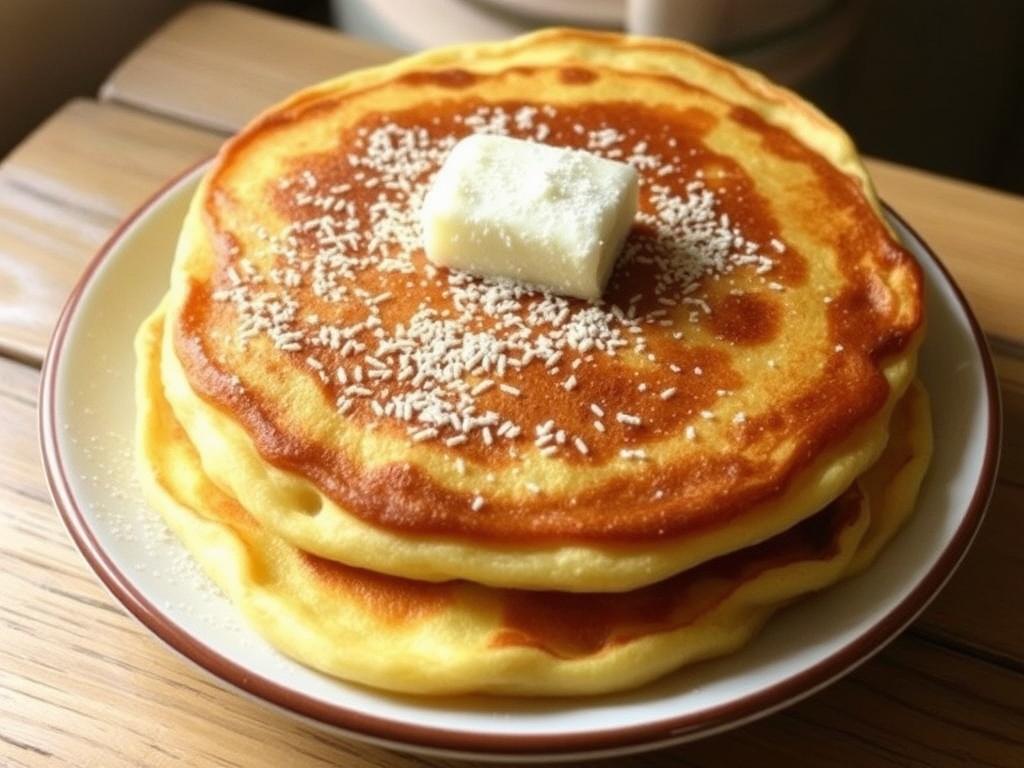
Tracing the origins of Hungarian pancakes takes us back centuries, weaving through the cultural fabric of Central Europe. It’s believed that Palacsinta came into Hungary via the influence of French crepes, brought by travelers or through the gentle mingling of neighboring cuisines. Over time, the dish adapted to local tastes and ingredients, becoming a staple in Hungarian households.
In the past, Palacsinta held more than just culinary value; these pancakes were part of traditional celebrations and festivals, symbolizing warmth, home, and sharing. Families would gather to prepare the batter and swap stories around the kitchen. The simplicity of its ingredients belies a richness in tradition and cultural significance that persists to this day.
The Origins: Where Hungarian Pancakes First Took Shape
Hungary’s location in Central Europe means its food culture is a melting pot of Slavic, Austrian, and Mediterranean influences. Hungarian pancakes first appeared in the heartland, especially in rural areas where home cooking was integral to daily life. The dish spread quickly across both urban and countryside tables, loved for its easy preparation and versatility.
The earliest recorded mentions come from Hungarian cookbooks of the 19th century, where Palacsinta recipes were carefully documented. It was more than just a dish; it became a canvas for local farmers and cooks to use whatever filling was available that season, turning these pancakes into a reflection of Hungarian terroir.
Surprising Stories and Facts about Hungarian Pancakes
Here’s something fun: did you know that Palacsinta originally might have been more savory before evolving into the sweet treats we often enjoy today? Additionally, the way to flip those pancakes is almost an art form. In Hungary, it’s common to try flipping a Palacsinta in the pan without a spatula, relying only on a confident wrist flick. It’s a playful skill passed down through generations.
Another interesting tidbit is that the word “Palacsinta” itself is believed to borrow from the Romanian “plăcintă,” meaning pie or cake, underscoring the cross-cultural roots of the dish. And while Hungary holds this pancake close to its heart, you’ll find similar dishes across neighboring countries, each with its distinct twist.
What Hungarian Pancakes Bring to Your Table Nutritionally
While indulging in Hungarian pancakes, it’s good to know what you’re tasting. A basic Palacsinta made with flour, eggs, and milk leans toward the moderate side in calories, depending largely on the fillings and toppings. Typically, one serving offers a balance of carbohydrates and protein, with a gentle presence of fats from eggs and milk.
If you opt for sweet fillings like jams or honey, the sugar content rises, naturally. On the other hand, savory fillings like cheese or mushroom-based mixtures add protein and fat, making the dish heartier. They’re a flexible canvas, meaning the nutritional profile depends on how you choose to prepare and enjoy them.
The Spread and Popularity of Hungarian Pancakes Across Borders
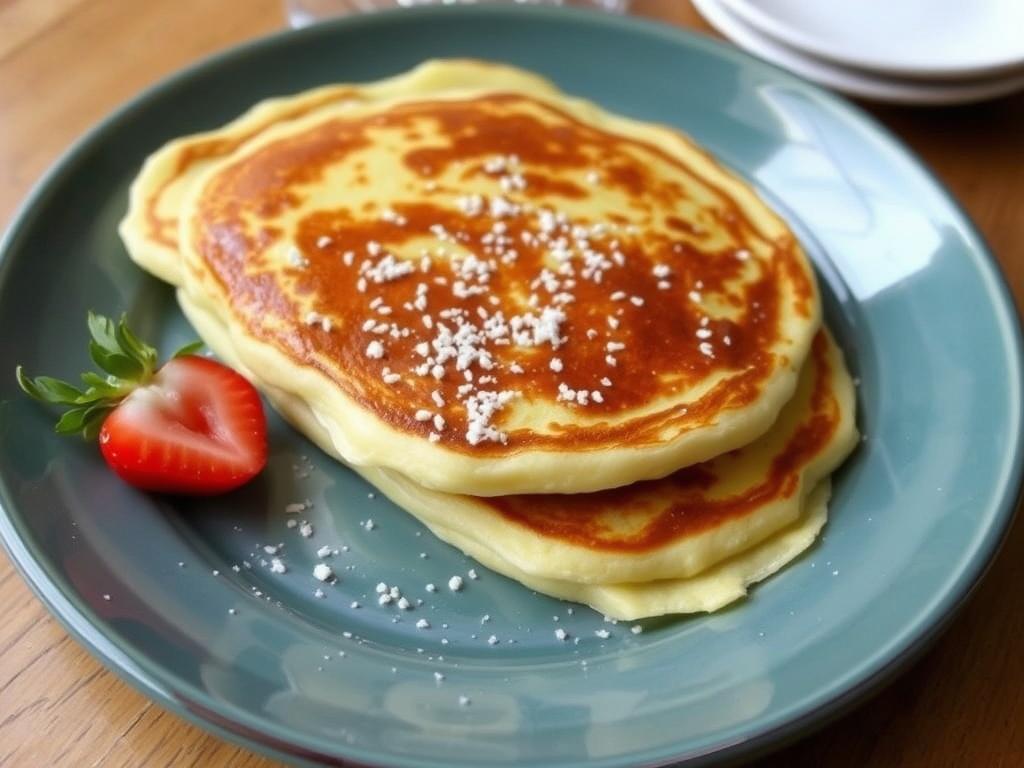
Hungarian pancakes might have strong roots locally, but their appeal stretches far beyond Hungary’s borders. You’ll find them celebrated in countries like Slovakia, the Czech Republic, and even parts of Austria, each adding local flavors to the palacsinta tradition.
In Western Europe and the United States, Hungarian pancakes are gaining popularity among food enthusiasts curious about authentic European delicacies. Thanks to cooking blogs, YouTube tutorials, and international restaurants, Palacsinta is slowly but surely carving out its niche alongside other beloved pancake varieties.
Top 3 Hungarian Pancake Recipes to Try at Home
Here’s the fun part—you can easily make Palacsinta in your own kitchen. Here are three classic recipes that are super approachable, delicious, and sure to impress:
- Traditional Sweet Palacsinta: Basic batter filled with apricot jam or poppy seed filling, topped with powdered sugar.
- Cottage Cheese Palacsinta: Filled with sweetened cottage cheese and a touch of vanilla, rolled up and lightly fried until golden.
- Savory Mushroom and Herb Palacsinta: Filled with sautéed mushrooms, onions, and fresh herbs, perfect for a comforting lunch or dinner.
Each recipe offers a different experience, from the simple sweetness to the richly savory, showcasing the versatility Hungarian pancakes are known for.
Perfect Pairings: What to Eat with Hungarian Pancakes
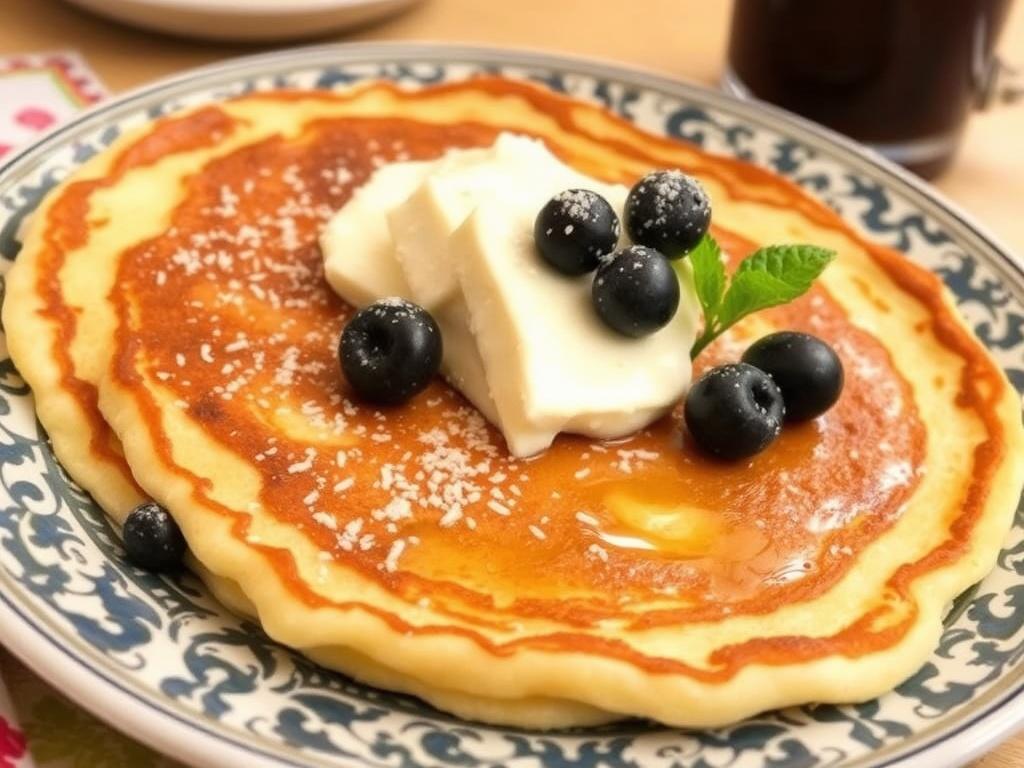
Hungarian pancakes are quite the social food, often bringing families and friends together over shared plates. Sweet variants pair beautifully with fresh fruit, sour cream, or a drizzle of honey. A small sprinkle of powdered sugar can elevate them instantly.
For savory options, think light salads, pickled vegetables, or a dollop of sour cream to complement the filling. In rural Hungary, it’s not unusual to see Palacsinta served alongside goulash or paprika dishes, balancing the spice with soft, comforting bites.
Even a simple cup of strong coffee or herbal tea suits this dish well—something to sip as you enjoy your pancakes, savoring each bite.
—
Hungarian pancakes are a delicious invitation into Hungary’s rich food culture. They’re straightforward yet packed with personality, blending history, tradition, and flavor in every fold. Whether sweet or savory, these pancakes remind us that sometimes, the simplest ingredients can tell the richest stories. So why not roll up your sleeves, try one of the recipes, and bring a slice of Hungary to your own table?


