

There’s something endlessly comforting about a steaming bowl of vegetable soup. Maybe it’s the way the aromas swirl around the kitchen, inviting you to pause and savor the moment. Or maybe it’s the silent promise tucked within each spoonful—a cozy warmth that feels like home no matter where you are. Vegetable soup isn’t just a meal; it’s a ritual, a story, and a gentle hug on a cold day. Yet, beneath its humble surface lies a rich history and surprising complexity that might just change the way you see this classic dish.
- Getting to Know Vegetable Soup: More Than Just Boiled Veggies
- The Story Behind the Spoon: A Glimpse into the History of Vegetable Soup
- Tracing Its Roots: Where Vegetable Soup First Appeared
- Unearthing Surprises: Interesting Facts about Vegetable Soup
- Counting the Goodness: Nutritional Value of Vegetable Soup
- Across Borders and Bowls: Vegetable Soup’s Popularity Around the World
- Whip It Up: Three Top Vegetable Soup Recipes to Try Today
- Classic Garden Vegetable Soup
- Spiced Lentil and Vegetable Soup
- Chunky Winter Root Vegetable Soup
- Perfect Pairings: What to Enjoy with Vegetable Soup
Getting to Know Vegetable Soup: More Than Just Boiled Veggies

At first glance, vegetable soup might seem straightforward—just a mix of vegetables simmered in broth. But it’s much more: a canvas for flavors, textures, and traditions. Typically, it includes a variety of fresh or sometimes dried vegetables like carrots, celery, onions, tomatoes, green beans, peas, potatoes, and leafy greens. The broth forms the foundation, often enhanced by herbs, spices, and sometimes a touch of acidity like lemon juice or vinegar to brighten the landscape of flavors.
The beauty of vegetable soup lies in its flexibility. It can be light and brothy or thick and hearty; served hot in winter or chilled in summer. Depending on the recipe, it may feature legumes or grains, adding layers of nutrition and substance. What unites all these versions is the way they celebrate vegetables in their purest, most nourishing form.
The Story Behind the Spoon: A Glimpse into the History of Vegetable Soup
Vegetable soup’s history stretches back thousands of years, intertwined with the rise of agriculture and settled communities. Early civilizations, from Mesopotamia to Ancient Egypt, began boiling vegetables as part of their meals, creating some of the first known soups. These early recipes were practical—a way to make tough or bitter plants edible and to extract every bit of nutrition.
During the Middle Ages, vegetable soups became staples among peasants across Europe. The cheaper and more available the ingredients, the more creative the cooking. Root vegetables and seasonal greens were simmered to stretch scarce resources. The industrial revolution and urbanization in the 18th and 19th centuries sparked a boom in soups as factory workers sought quick, warm meals.
Though often seen as a peasant dish, vegetable soup’s versatility and heartiness have earned it a prime spot in fine dining and home kitchens alike. It’s a culinary bridge that spans centuries and cultures.
Tracing Its Roots: Where Vegetable Soup First Appeared
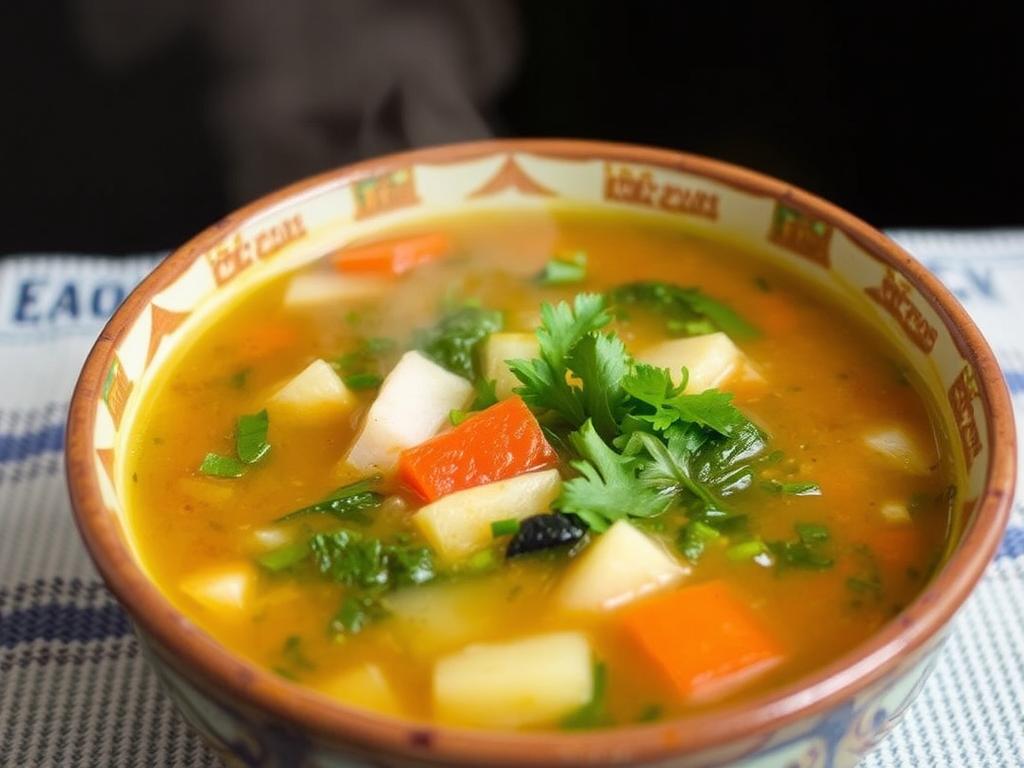
Pinpointing the exact birthplace of vegetable soup is like trying to find the first spark that ignited a flame. Since the ingredients—vegetables, water, salt—are fundamental to human survival, this dish likely arose independently in multiple locations.
That said, historical documents and culinary texts highlight regions where vegetable soup evolved distinctly. Ancient Rome had its “pulte,” a kind of porridge made from grains and veggies. In East Asia, brothy vegetable soups have been staples for millennia, often accented with herbs and fermented ingredients. Europe’s cold climates saw the rise of heartier versions with root vegetables and beans. Despite these diverse origins, the core principle remained a simple one: turning humble vegetables into something warm and satisfying.
Unearthing Surprises: Interesting Facts about Vegetable Soup
Here’s some trivia to spice up your next bowl:
- In some cultures, vegetable soup is traditionally eaten on specific holidays for good health and prosperity.
- The concept of soup is so universal that virtually every culture boasts its own variation, from Minestrone in Italy to Borscht in Eastern Europe.
- Studies have shown that consuming vegetable-rich soups can boost feelings of fullness while being low in calories, making it a popular choice in diets.
- During World War I and II, vegetable soup recipes were promoted to make the most of rationed produce.
These tidbits show that vegetable soup is more than food; it’s a cultural phenomenon with layers of meaning.
Counting the Goodness: Nutritional Value of Vegetable Soup
If you’re hunting for a nutrient-dense, low-calorie option, vegetable soup shines. It’s packed with vitamins like A, C, and K, minerals such as potassium and magnesium, and dietary fiber that supports digestion. The water content keeps you hydrated, while the variety of vegetables means you’re getting a broad spectrum of antioxidants and phytochemicals.
| Component | Approximate Content per Cup (240ml) | Benefit |
|---|---|---|
| Calories | 80-120 | Low energy density aids in weight management |
| Fiber | 3-5 grams | Supports digestion and fullness |
| Vitamin A | 5000 IU+ | Good for eyes and immunity |
| Vitamin C | 15-40 mg | Enhances immunity, skin health |
Adding legumes or whole grains ups protein and complex carbs, making vegetable soup a balanced meal.
Across Borders and Bowls: Vegetable Soup’s Popularity Around the World
From bustling urban cafes to quiet countryside kitchens, vegetable soup wears many faces globally. In the US and Canada, hearty vegetable chowders or minestrone are crowd favorites. France offers “Potage,” a refined version often pureed and silky. Asian countries bring lighter broths bursting with fresh greens and spices, like miso-based vegetable soups or Thai tom yum variations. In the Middle East, soups infused with herbs and lemon provide a tart freshness.
Despite the diversity, the theme of comfort, nourishment, and seasonality remains constant, proving how vegetable soup adapts gracefully to different climates and culinary traditions.
Whip It Up: Three Top Vegetable Soup Recipes to Try Today
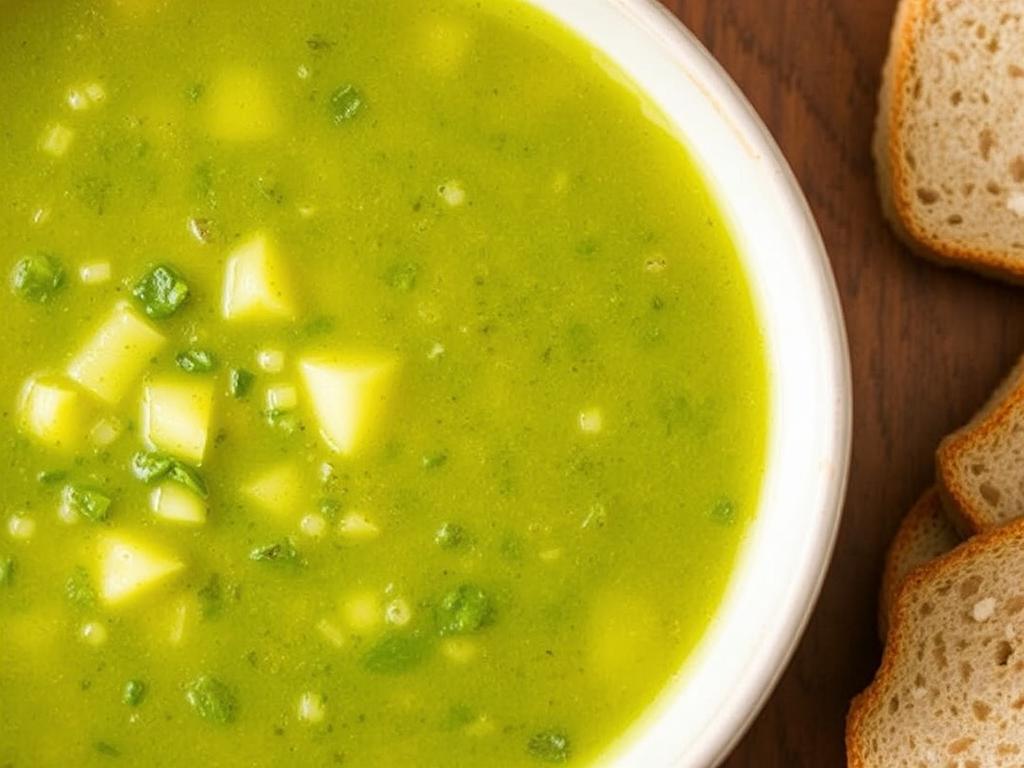
Classic Garden Vegetable Soup
- Onions, carrots, celery, zucchini diced and sautéed
- Vegetable broth base
- Tomatoes, green beans, peas added sharp
- Season with thyme, parsley, salt, and pepper
- Simmer until vegetables are tender but not mushy
Spiced Lentil and Vegetable Soup
- Red lentils for protein and texture
- Chopped tomatoes, spinach, onions, garlic
- Season with cumin, coriander, turmeric
- Cook lentils until soft and flavors meld
- Optional dash of lemon at the end
Chunky Winter Root Vegetable Soup
- Potatoes, parsnips, carrots chunks
- Leeks and garlic sautéed base
- Vegetable stock to cover
- Sprigs of rosemary and bay leaves for aroma
- Simmer gently, then finish with a swirl of cream or coconut milk
Each recipe can be adjusted based on what’s fresh or on hand—versatility at its best.
Perfect Pairings: What to Enjoy with Vegetable Soup
A bowl of vegetable soup feels like a full meal, but adding sides can elevate the experience. Crusty bread is the obvious companion—it’s perfect for dunking and soaking up the last drops. A slice of cheese or a dollop of yogurt brings creamy richness. For a light contrast, try a fresh salad or some roasted nuts on the side.
If you want heartiness, grilled sandwiches or a simple quinoa salad complement the nourishment. At the end of the day, it’s about what satisfies your appetite and suits the moment.
—
Vegetable soup proves endlessly adaptable and surprisingly rich in history, flavor, and nutrition. Whether you’re new to cooking it or consider yourself a soup-savvy pro, this humble dish invites you to dive in, experiment, and find your own cozy corner with a warm bowl in hand.


