

If you’ve ever wandered the streets of Hawaii, you might have stumbled upon a humble bowl of Saimin soup that offered more than just a quick meal—it felt like a warm embrace on a breezy island evening. There’s something about this noodle soup, a perfect blend of flavors and textures, that grabs your attention and won’t let go. Saimin soup isn’t just another dish; it’s a cultural tapestry served in a bowl, inviting a deep dive into its roots, its rise to popularity, and what makes it a favorite both in and out of Hawaii’s sunny shores. Ready to unravel the story, taste, and secrets behind Saimin soup? Let’s take a closer look at this amazing culinary gem.
- Unpacking What Saimin Soup Really Is
- The Fascinating History Behind Saimin Soup
- Tracing the Origins: Where Saimin Soup First Appeared
- Intriguing Facts About Saimin Soup You Might Not Know
- Understanding the Nutritional Value of Saimin Soup
- Saimin Soup’s Journey: Popularity Across Countries
- Cooking at Home: The 3 Best Saimin Soup Recipes
- 1. Classic Hawaiian Saimin Soup
- 2. Vegetarian Saimin Soup
- 3. Quick Instant Saimin Copycat
- What to Pair with Saimin Soup for a Complete Meal
Unpacking What Saimin Soup Really Is
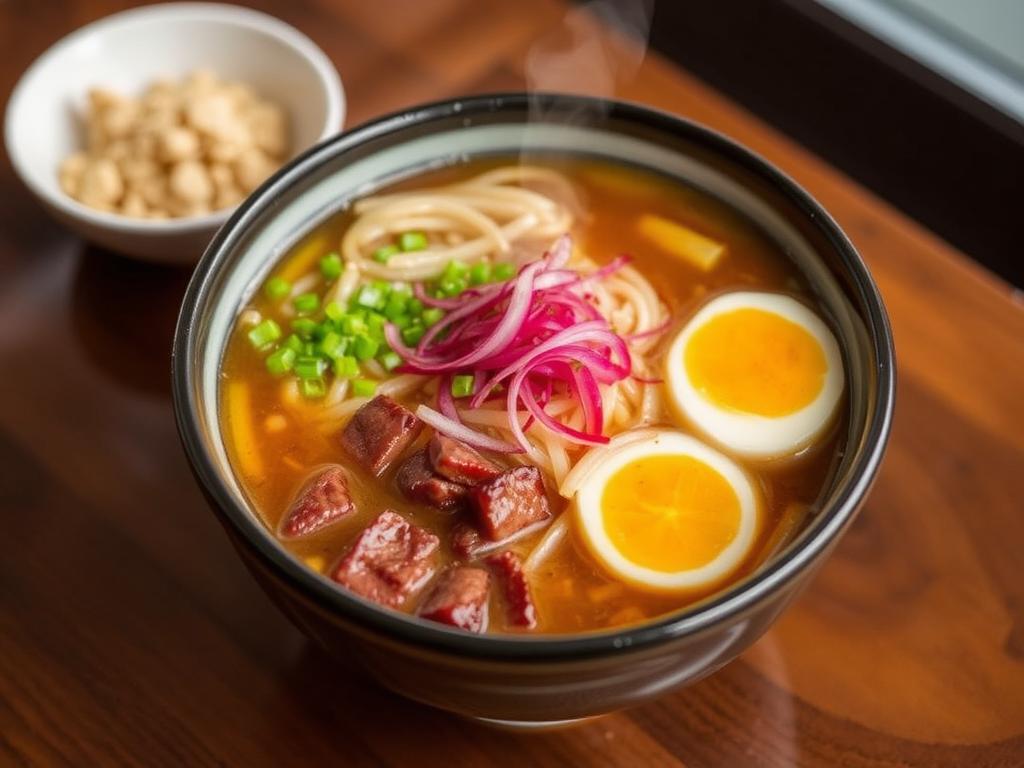
At its core, Saimin soup is a noodle soup that’s simple but striking in flavor, known for its delicate broth, soft noodles, and an inviting mix of toppings. Imagine slender wheat noodles swimming in a clear, lightly flavored broth that perfectly balances salty and savory notes. The toppings vary but often include char siu pork, green onions, kamaboko (pink and white fish cake slices), and a soft-boiled egg. It’s a far cry from being just a quick snack; the dish plays with textures and subtle flavors that make each spoonful comforting and satisfying without overwhelming your palate. This isn’t your complex bowl of ramen with intense umami bombs—it’s the gentle, everyday hero of Hawaiian cuisine.
The Fascinating History Behind Saimin Soup

Saimin soup’s story is a window into Hawaii’s diverse cultural heritage. Originating in the early 20th century, it’s the culinary offspring of Hawaii’s ethnic melting pot, blending influences from Chinese, Japanese, Filipino, and Hawaiian traditions. The word “saimin” literally translates to “thin noodles” in Cantonese, hinting at its Chinese roots. However, the dish became uniquely Hawaiian as local ingredients and cultural practices wove into the recipe. Plantation workers from various ethnic backgrounds adapted it as a quick, hearty meal during tough times, and over decades, it morphed into a comfort food icon that reflects the island’s multicultural spirit.
Tracing the Origins: Where Saimin Soup First Appeared
The first known appearances of Saimin soup took place in Hawaii’s plantation camps around the early 1900s. These labor camps, where descendants of many Asian and Pacific Islander communities worked, needed affordable, filling meals that combined familiar tastes from home with local availability. Hawaiian eateries swiftly picked up on this, and Saimin soup started spreading beyond the plantations into town diners and lunch wagons. By mid-century, it had become a staple of Hawaiian comfort food, commonly found in casual eateries and family kitchens across the islands.
Intriguing Facts About Saimin Soup You Might Not Know
Saimin soup comes with its share of surprising stories and quirks:
- During its rise, Saimin competed with ramen and pho but carved a niche by being lighter and more approachable.
- Some of Hawaii’s famous personalities, including former governors, have publicly shared their love for Saimin, highlighting its significance beyond food culture.
- The dish inspired a local fast-food chain’s signature dish, cementing its place in modern Hawaiian cuisine.
- Instant Saimin became popular in the 1970s, fueling its spread to Mainland U.S. grocery stores, although fresh versions remain vastly preferred by purists.
Understanding the Nutritional Value of Saimin Soup
One bowl of Saimin soup delivers a balanced combination of carbohydrates, protein, and essential vitamins, though it is modest in calories compared to heavier noodle soups. Here’s a quick breakdown per typical serving:
| Nutrient | Amount |
|---|---|
| Calories | 250-300 kcal |
| Carbohydrates | 40-50 g |
| Protein | 10-15 g |
| Fat | 5-8 g |
| Sodium | 700-900 mg (varies with broth) |
The broth typically contains seaweed and fish stock, which contribute iodine and minerals, while proteins come from pork or egg toppings. It provides a satisfying meal without feeling heavy, making it a good option for any time of day.
Saimin Soup’s Journey: Popularity Across Countries
While Saimin soup’s roots are deeply Hawaiian, its gentle flavor has found fans beyond the islands. In the United States, especially on the West Coast, Hawaiians have brought their love for Saimin to cities like Los Angeles and San Francisco. Some Asian-American communities appreciate it for its connection to Chinese and Japanese noodle traditions, albeit with a uniquely Hawaiian twist. However, Saimin remains less known globally compared to ramen or pho, making it something of a hidden treasure—one that travelers often seek out after hearing whispers of its charm.
Cooking at Home: The 3 Best Saimin Soup Recipes
Bringing Saimin soup onto your dinner table is surprisingly doable, even if you’re not an expert in Asian cuisine. Here are three variations to try:
1. Classic Hawaiian Saimin Soup
- Broth: Kombu (kelp) and dried bonito flakes.
- Noodles: Fresh wheat noodles or substitutes.
- Toppings: Char siu pork slices, green onions, kamaboko, and soft-boiled egg.
2. Vegetarian Saimin Soup
- Broth: Mushroom and seaweed base.
- Noodles: Wheat or even rice noodles.
- Toppings: Tofu cubes, green onions, sliced shiitake mushrooms.
3. Quick Instant Saimin Copycat
- Use instant noodles.
- Broth: Chicken or vegetable broth boosted with soy sauce.
- Add-ons: Hard-boiled egg, leftover roast pork or chicken, chopped green onions.
Each version highlights how flexible and accessible Saimin soup can be, whether you want a traditional taste or a quick fix.
What to Pair with Saimin Soup for a Complete Meal
Saimin soup is often enjoyed with simple side dishes that complement its light broth. Typical accompaniments include:
- Furikake-seasoned rice balls: offering a salty tang.
- Achar (pickled vegetables): adds crunchy acidity to the meal.
- Spam musubi: the Hawaiian snack that packs extra umami alongside the soup.
- Fresh green salad with sesame dressing: keeps the meal fresh and balanced.
These sides round out the experience, making sure the meal satisfies on both flavor and texture levels.
Diving into Saimin soup reveals far more than just a bowl of noodles. It opens a window to Hawaiian culture, mixing threads from many traditions into a dish that feels uniquely homey and approachable. Whether you enjoy it in a roadside stand in Honolulu or prepare it yourself with a few fresh ingredients, Saimin soup invites you to savor something simple, satisfying, and quietly special.


