

Duck noodle soup is one of those dishes that instantly invites curiosity. It’s rich, warm, and packed with aromas that tell stories of kitchens far away, often bubbling quietly on stoves in bustling markets or family homes. If you’ve never tried it, or if you’ve just had a glimpse, stick around—there’s a whole world behind those tender slices of duck, thick broth, and chewy noodles that’s worth exploring. Why has this soup captured hearts and stomachs in so many places? And what makes it stand out among a sea of noodle soups? Let me take you through the savory waves of duck noodle soup’s origins, flavors, and ways to enjoy it, so that next time you see it on a menu or spot a recipe, you’re not just eating, but savoring a little piece of culinary heritage.
- Understanding Duck Noodle Soup: What It Is
- Tracing the Roots: History of Duck Noodle Soup
- Tracing Origins: Where Duck Noodle Soup First Appeared
- Little Known Gems: Interesting Facts About Duck Noodle Soup
- Nutritional Side of Things: Nutritional Value of Duck Noodle Soup
- Beyond Borders: Popularity of Duck Noodle Soup Around the World
- Cooking at Home: 3 Best Recipes for Duck Noodle Soup
- Perfect Pairings: What to Eat with Duck Noodle Soup
Understanding Duck Noodle Soup: What It Is

At its core, duck noodle soup unites a hearty broth, tender duck meat, and noodles into a comforting dish that satisfies on multiple levels. Unlike chicken or beef-based noodle soups, the duck gives it a distinctive gamey yet rich flavor that isn’t easily forgotten. The broth often simmers for hours, sometimes with aromatic spices like star anise, cinnamon, and cloves, infusing depth and warmth. The noodles can vary widely—from thin rice noodles popular in Southeast Asia to thicker egg noodles, depending on where you find it. Toppings like fresh herbs, scallions, and sometimes even crispy duck skin add texture and freshness.
What’s fascinating is how versatile the dish can be. Some versions lean towards the spicy side with chili oil and fresh chilies, while others are mild, letting the duck’s natural flavor shine through. Either way, the harmony between soft noodles and savory broth makes it a soul-soothing bowl that’s perfect any time of the year.
Tracing the Roots: History of Duck Noodle Soup
Duck as an ingredient has long been cherished in many traditions, especially in East and Southeast Asia. Historically, duck noodle soup emerged in regions where duck farming was common and local spices lent themselves perfectly to slow-cooked dishes. It wasn’t just comfort food but also a way to use every part of the bird efficiently without waste.
In some cultures, soups like these were reserved for special occasions or family gatherings. Over time, street vendors picked up the recipe, turning it into everyday fare accessible to everyone. The meticulous process of simmering the broth and preparing the duck elevated it beyond a simple soup to a culinary ritual, handed down from one generation to the next.
Tracing Origins: Where Duck Noodle Soup First Appeared
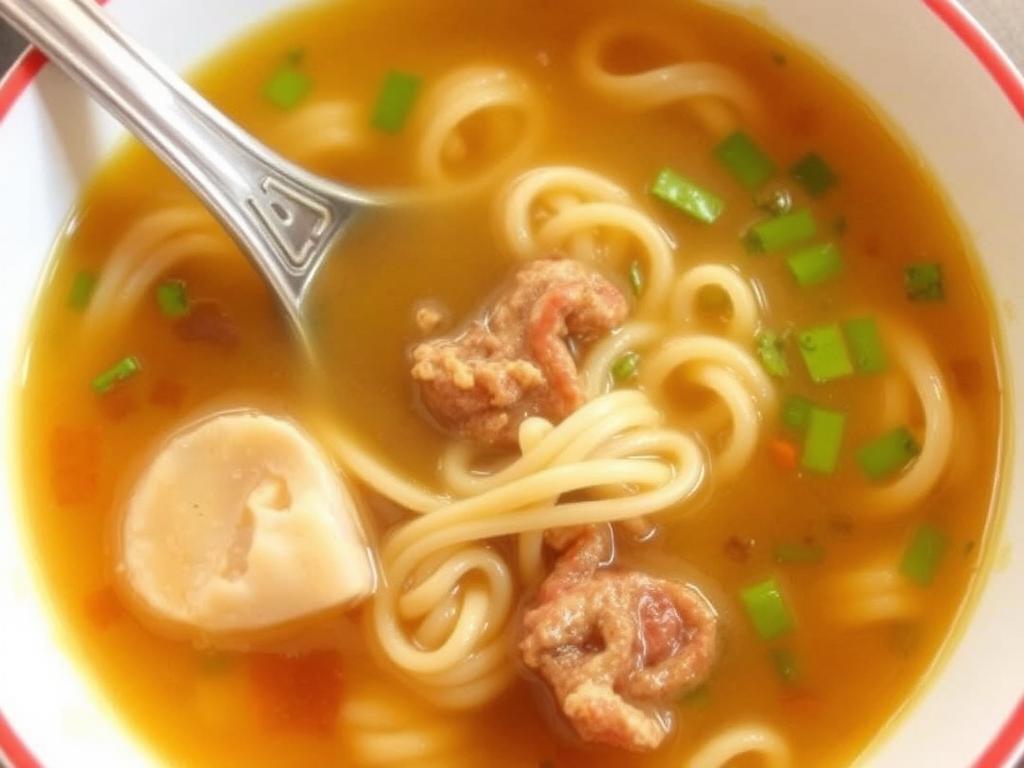
Pinpointing exactly where duck noodle soup first made its debut is tricky, given the nature of evolving cuisines. However, its roots are most strongly linked to Southern China and parts of Southeast Asia, particularly Vietnam, Thailand, and Malaysia. For example, in Vietnam, duck noodle soup is celebrated as a hearty, flavorful alternative to typical chicken or beef options, often featuring unique local twists like fresh herbs and fermented sauces.
In Thailand, this soup is sometimes linked to regional street food culture, where it showcases the balance of sweet, salty, sour, and spicy characteristic of Thai cooking. The common thread is the duck itself, which grows well in these wetter climates, making the soup a natural staple for those communities.
Little Known Gems: Interesting Facts About Duck Noodle Soup
Duck noodle soup offers more than just flavor; it carries cultural and culinary quirks that make it stand out. For example, in some recipes, the soup broth is enriched by roasting the duck first to get a smoky, caramelized undertone before simmering. Other variations incorporate offal like duck liver and intestines, reflecting a “nose-to-tail” approach that respects the whole animal.
Another cool fact is that some versions of this soup use rice wine or even tea leaves in the broth for subtle depth. And when it comes to noodles, the choice is never random; different textures affect how the flavor is absorbed and how the dish feels in your mouth.
Nutritional Side of Things: Nutritional Value of Duck Noodle Soup
Duck meat is generally richer in fat compared to chicken, giving the soup its luscious mouthfeel and deeper taste. It’s also a good source of protein, supplying essential amino acids needed for muscle repair and general health. The broth, especially when made bone-based, offers minerals like calcium, magnesium, and phosphorus.
Noodles provide carbohydrates that fuel energy. When fresh herbs and vegetables are part of the mix, you also get a dose of vitamins and antioxidants. Of course, how nutritious the soup is depends on the recipe—some can be quite hearty, while others focus on lighter, broth-forward flavors.
Beyond Borders: Popularity of Duck Noodle Soup Around the World
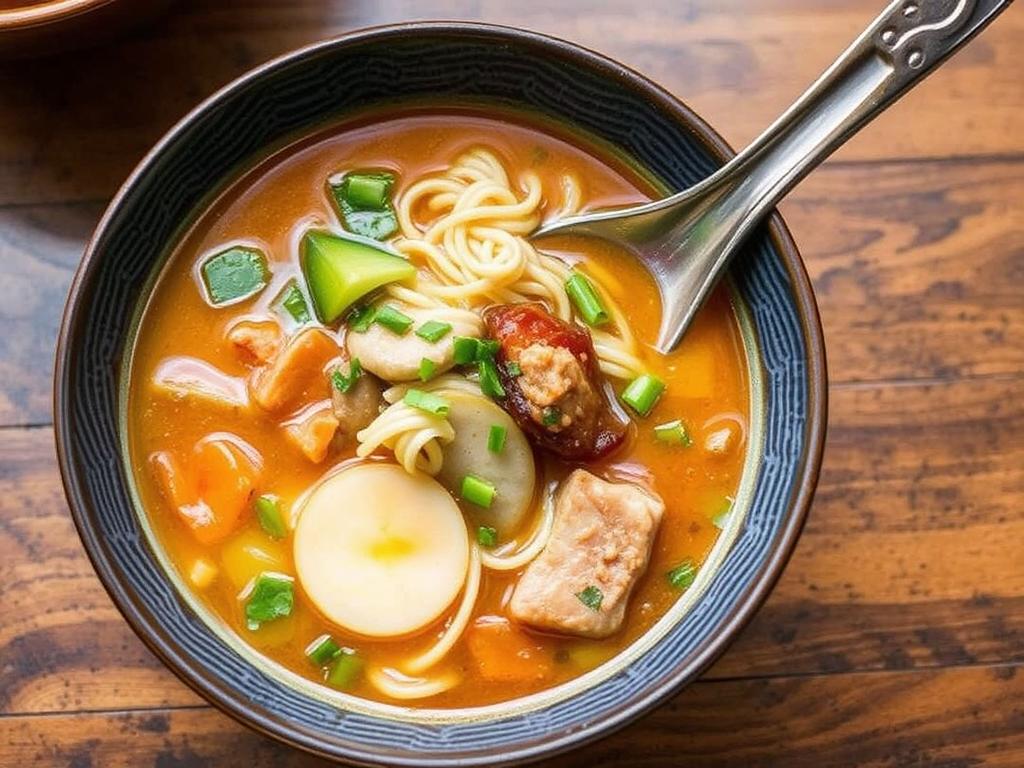
Interestingly, duck noodle soup has gradually made its mark outside its traditional homes. Thanks to global migration and food tourism, you’ll find versions popping up in food trucks, Asian markets, and trendy restaurants worldwide. In places like the United States or Europe, chefs often put modern spins on the dish—incorporating local spices or reimagining the presentation while respecting the original flavors.
Within Asia, countries like Singapore and Malaysia have their unique takes, often blending Chinese cooking traditions with local ingredients, proving the dish’s flexibility and cross-cultural appeal.
Cooking at Home: 3 Best Recipes for Duck Noodle Soup
Ready to try your hand at making duck noodle soup? Here are three distinct recipes to explore, each highlighting different aspects of the dish:
- Classic Chinese Duck Noodle Soup: Roasted duck simmered with star anise, ginger, and scallions, served with fresh egg noodles and bok choy.
- Vietnamese Pho Vit (Duck Pho): Slow-cooked duck bones create a clear, fragrant broth, paired with rice noodles, fresh herbs, and a splash of lime.
- Spicy Thai Duck Noodle Soup: Rich broth with red curry paste, roasted duck pieces, rice noodles, and garnished with fresh chilies and basil.
Each recipe requires patience with the broth but rewards with layers of flavor that sing in every spoonful.
Perfect Pairings: What to Eat with Duck Noodle Soup
Duck noodle soup shines wonderfully on its own but can also pair well with simple sides. Think light and crunchy: pickled vegetables add a refreshing contrast to the richness of the duck. Fresh spring rolls or a small plate of steamed greens complement the noodles brilliantly.
A cold glass of jasmine tea or even a light lager beer can help balance the flavors, cutting through the richness without overwhelming the palate. For dessert, something citrusy or fruity—like a mango sorbet—helps cleanse the palate after a hearty meal.
—
So, duck noodle soup isn’t just another bowl of noodles. It’s a tapestry woven from centuries of culture, technique, and regional tastes, inviting you to experience its nuances with every bite. Whether you savor it at a local market stall or craft a homemade version, this soup promises a journey worth tasting.


