
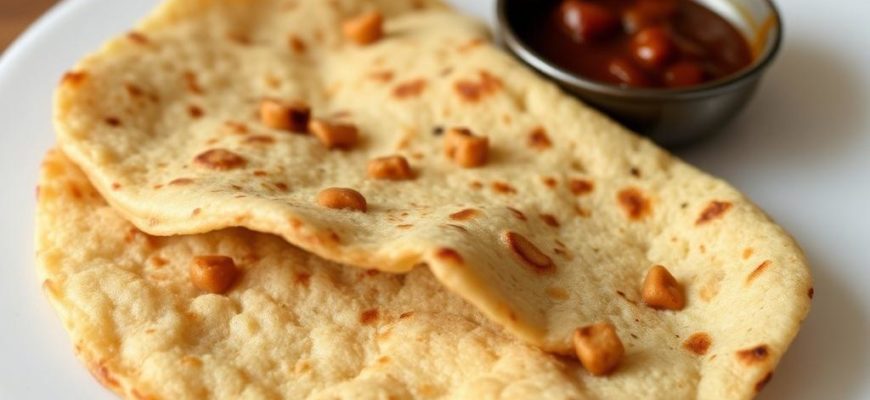
If you’ve never heard of Injera pancakes from Ethiopia, get ready for a culinary adventure unlike any other. These spongy, sourdough flatbreads aren’t just a side dish; they are the foundation of an entire eating experience that tells stories of culture, history, and flavors that dance on your tongue. Imagine a pancake that’s not sweet but tangy, soft but slightly chewy, and always ready to scoop up rich stews and vibrant vegetables. Injera isn’t just food — it’s a way of sharing, of gathering around a communal platter and enjoying a meal that’s as warm as the Ethiopian sun. Curious? Keep reading to dive into everything about Injera pancakes from Ethiopia — from their roots and way of making to their role on tables worldwide.
- Unfolding the Mystery: What Injera Pancakes from Ethiopia Are
- Tracing the Roots: The History of Injera Pancakes from Ethiopia
- The Birthplace of Injera Pancakes from Ethiopia
- Fun Tidbits You Might Not Know About Injera Pancakes from Ethiopia
- The Nutritional Angle: What Injera Pancakes from Ethiopia Offer
- From Addis Ababa to Anywhere: The Global Popularity of Injera Pancakes from Ethiopia
- Cooking at Home: Three Outstanding Recipes for Injera Pancakes from Ethiopia
- Perfect Pairings: What Goes Well with Injera Pancakes from Ethiopia
Unfolding the Mystery: What Injera Pancakes from Ethiopia Are
Injera pancakes from Ethiopia are much more than your average flatbread. They are large, round, and have a distinctive porous texture that looks a bit like a natural sponge. This unique surface isn’t accidental; it’s the product of fermentation and a special type of grain called teff. Teff, tiny and round, is native to Ethiopia and gives Injera its slightly sour taste and signature fluffiness. The batter ferments for several days, creating bubbles that form those characteristic holes once cooked on a hot griddle or specialized clay plate known as a “mitad.”
What makes Injera truly fascinating is how it’s eaten — with your hands! Instead of plates, you get this pancake as the base of your meal. Various stews, lentils, greens, and meats are piled on top, and the Injera is used like a utensil to scoop up the food. This combination of texture and taste is both satisfying and functional, turning a communal meal into an intimate experience.
Tracing the Roots: The History of Injera Pancakes from Ethiopia
Injera pancakes from Ethiopia have a story as rich as their flavor. While the exact origins can be hard to pinpoint, historians and food enthusiasts agree that Injera has been eaten in Ethiopia and the Horn of Africa for thousands of years. Archaeological evidence suggests the use of teff as far back as 4000 BCE, making Injera one of the oldest fermented breads still enjoyed today.
Traditionally, Injera represented more than sustenance; it symbolized identity and community. Different Ethiopian ethnic groups have their own variations, but the central concept remains unchanged: a communal, hearty staple that feeds body and soul. From grand feasts to humble everyday meals, Injera pancakes have been the centerpiece, fostering connection and tradition throughout Ethiopian history.
The Birthplace of Injera Pancakes from Ethiopia
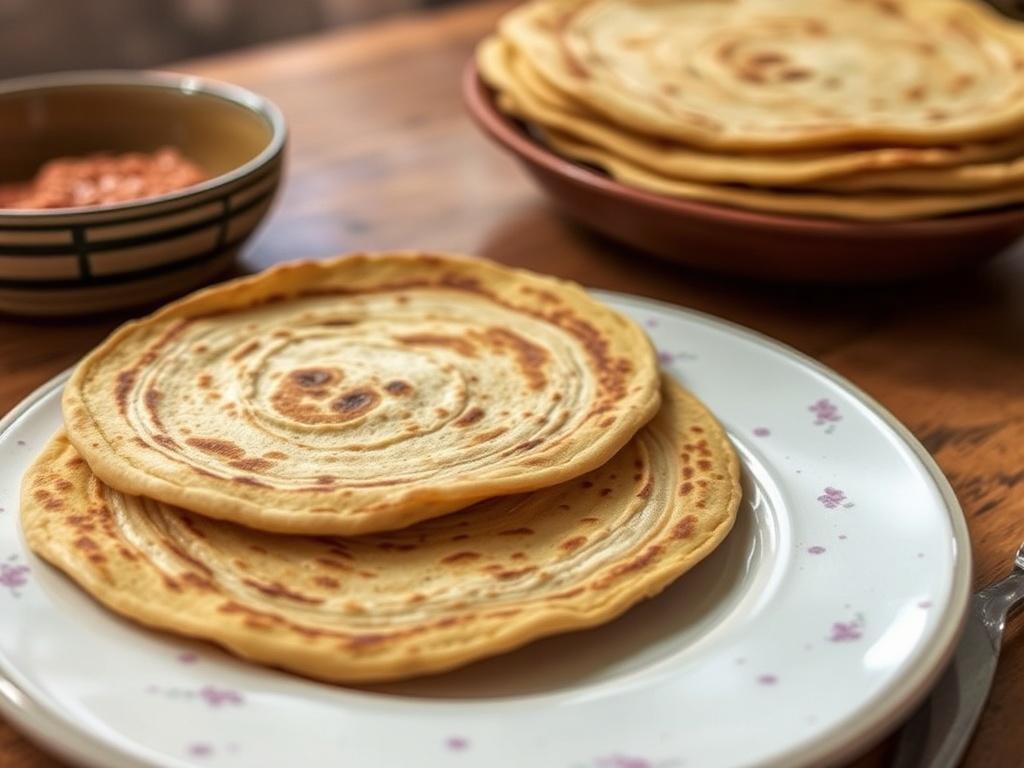
The regions surrounding the Ethiopian highlands are the proud birthplace of Injera pancakes. The high-altitude climate is perfect for growing teff, which thrives where other grains might struggle. Ethiopia’s landscape shaped not only the cultivation of teff but also the cooking traditions connected to Injera. In rural households, you’ll still find the time-honored clay griddles and open-fire cooking methods that have stayed true for centuries.
Ethiopia’s diverse ethnic groups—Oromo, Amhara, Tigray—each have their own slight twists on Injera preparation, from fermentation length to thickness, but all honor the core tradition. This pancake is more than just a local dish; it is a taste of Ethiopia’s very heart.
Fun Tidbits You Might Not Know About Injera Pancakes from Ethiopia
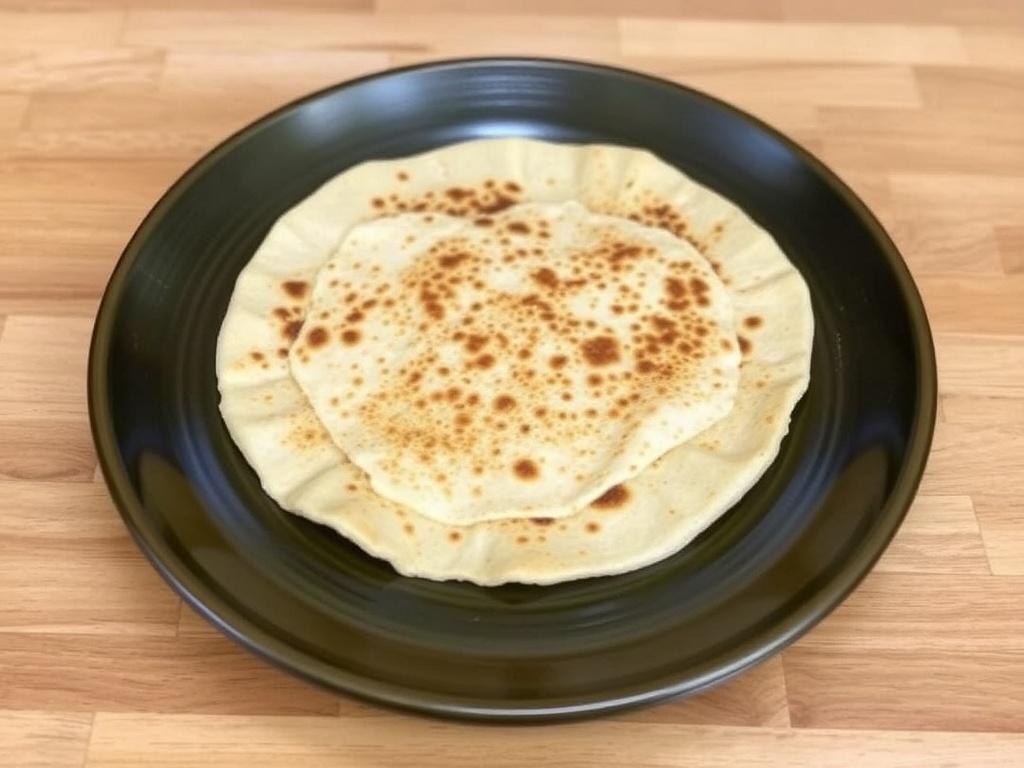
– Injera’s fermentation can last anywhere from 2 to 5 days, depending on weather and desired sourness.
– Instead of teff, some regions use barley, sorghum, or wheat, but these make Injera less authentic and often less spongy.
– It’s common for Ethiopian families to make Injera for weekly or monthly meals, storing it carefully to maintain freshness.
– Injera is sometimes served as a tapestry underneath dishes, but every diner eventually eats the base itself.
– The millions of tiny holes are affectionately called “eyes”—a sign a good Injera is perfectly fermented.
– Because teff is gluten-free, Injera pancakes from Ethiopia have recently gained traction among gluten-sensitive food lovers worldwide.
The Nutritional Angle: What Injera Pancakes from Ethiopia Offer
Looking at Injera pancakes from Ethiopia through a nutritional lens reveals another layer of appeal. Thanks to teff, these pancakes pack a punch of protein, fiber, and essential minerals like iron and calcium. Teff is tiny but mighty—it contains all nine essential amino acids, making Injera an excellent protein source in a largely plant-based cuisine.
Plus, the fermentation process plays a critical role by enhancing nutrient absorption and supporting gut health. Compared to many other breads, Injera is less processed and kinder on your digestive system. It’s a food that isn’t just tasty but pleases both palate and body.
From Addis Ababa to Anywhere: The Global Popularity of Injera Pancakes from Ethiopia
Thanks to diaspora communities and the global passion for authentic world cuisines, Injera pancakes from Ethiopia have traveled far beyond their highland home. Ethiopian restaurants have popped up in cities across the US, Europe, and beyond, introducing newcomers to this unique bread. Though finding genuine teff can be a challenge outside East Africa, packaged mixes and frozen Injera bring its magic closer to international tables.
Foodies appreciate Injera not just for its flavor but for the cultural experience it carries. More adventurous eaters are drawn by the communal sharing style, savoring spicy stews like Doro Wat or Shiro served atop the soft pancakes. Injera’s footprint is growing, inviting more people to understand Ethiopian food culture one bite at a time.
Cooking at Home: Three Outstanding Recipes for Injera Pancakes from Ethiopia
Making Injera from scratch might sound intimidating, but with patience, it’s doable — and rewarding. Here are three approaches to bring Injera pancakes from Ethiopia into your kitchen:
- Traditional Injera with 100% Teff Flour: Mix teff flour with water, let it ferment for 3-4 days at room temperature until bubbly and tangy, then cook on a non-stick skillet in a circular motion, lid on, until holes form and edges lift.
- Quick Injera with Teff and Wheat Blend: Combine teff and wheat flours to speed fermentation to 24-48 hours for a pancake with familiar texture but authentic soul.
- Gluten-Free Sorghum Injera: Substitute sorghum flour for teff for those who want a similar taste and gluten-free option, ferment slightly longer for the sourness to develop.
Patience with fermentation is key. The tang and texture make Injera what it is.
Perfect Pairings: What Goes Well with Injera Pancakes from Ethiopia
Injera isn’t eaten alone — it’s a bed for a carnival of flavors. On top, you’ll often find:
| Dish | Description |
|---|---|
| Doro Wat | Hearty chicken stew, slow-cooked with berbere spice blend and hard-boiled eggs |
| Shiro | Thick, creamy chickpea or bean stew seasoned with berbere and garlic |
| Misir Wat | Spicy red lentils simmered with onions and warm spices |
| Gomen | Collard greens cooked with garlic and ginger |
You tear off a piece of Injera, scoop up some stew and vegetables, and enjoy the perfect balance of tangy bread and rich fillings. The communal style of eating encourages sharing conversation and connection — something every meal could use.
—
Injera pancakes from Ethiopia aren’t just a dish; they’re a bridge linking a nation’s past, present, and future on a simple round palette. Whether you try them in a bustling Addis Ababa home or make your own from teff on a weekend morning, Injera offers a taste of hospitality and history rolled into every bite. Give them a try—you might discover your next favorite comfort food.


