

There’s a kind of food that goes beyond mere nutrition—something that feels like a gentle hug on a cold day, a quiet reminder of home and family. Tinola Soup is one of those dishes. It’s not just a chicken soup; it’s a tapestry of flavors woven with fresh ginger, tender chicken, and a touch of green papaya or chayote. If you’ve never tried it, or heard about it only in passing, get ready to dive into a world where simple ingredients spark memories and bring people together around the table. Let’s explore what Tinola Soup really is and why it keeps winning over hearts across generations.
- Unpacking Tinola Soup: What It Is and Why It Matters
- The Roots: History of Tinola Soup
- Tracing the Origins: Where Tinola Soup First Appeared
- Interesting Facts About Tinola Soup That Might Surprise You
- A Closer Look: Nutritional Value of Tinola Soup
- The Worldwide Appeal: Popularity of Tinola Soup in Different Countries
- Cooking Up Comfort: 3 Best Recipes for Tinola Soup
- Classic Tinola Soup
- Fish Tinola
- Coconut Milk Tinola (Ginataang Tinola)
- Pairing the Perfect Side: What to Eat with Tinola Soup
Unpacking Tinola Soup: What It Is and Why It Matters
At its core, **Tinola Soup** is a Filipino chicken soup bursting with aromatics—ginger, garlic, and onion—paired usually with green papaya or chayote, plus chili leaves or malunggay (moringa) greens. Unlike the thick and creamy stews you might expect from other traditions, Tinola is light yet comforting, clear but deeply flavorful. The broth is gently simmered to coax out the natural sweetness of the chicken and the fresh zing of ginger, creating a taste that’s both soothing and a little bit exotic to the uninitiated.
But beyond the ingredients, Tinola has a kind of heart. It’s often the first dish prepared when someone is feeling under the weather because its warm broth and subtle spice seem to chase away the blues and clear the sinuses. It’s the kind of food you eat when you need more than just calories—you want care in a bowl.
The Roots: History of Tinola Soup
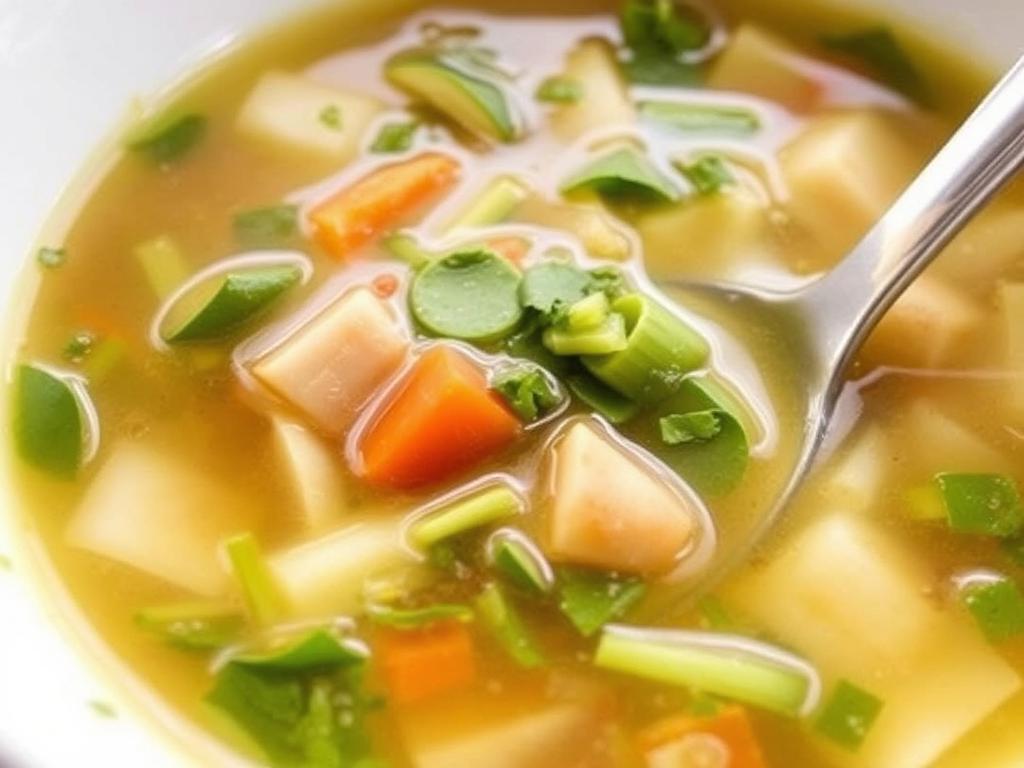
Tinola Soup doesn’t just appear out of nowhere; it carries the rich tapestry of Filipino culinary tradition within it. The origins trace back to indigenous cooking methods with influences layered over centuries—Chinese traders introduced soy sauce and some herbs, while Spanish colonialism mingled with existing flavors without overpowering them. Tinola kept its own simple identity amid all this mingling.
Traditionally, this soup was a farmer’s or fisherman’s staple because it used readily available ingredients: chicken was accessible, leafy greens like malunggay were common in household gardens, and green papaya was a local fruit that could be cooked like a vegetable. It’s a humble dish, made from what was on hand yet celebrated for its ability to bring flavor and nourishment effortlessly.
Tracing the Origins: Where Tinola Soup First Appeared
Tinola Soup first became a recognizable dish within the Luzon region of the Philippines, particularly around Manila and the surrounding provinces. Here, the melding of native ingredients and cooking techniques created a culinary footprint that would spread nationwide.
Accounts from food historians reveal that early Filipino households embraced Tinola not just for its taste but also for its health-giving qualities, especially in colder or rainy seasons common to the region. It’s likely that fishermen returning from the sea or farmers coming in from the fields would enjoy a hot bowl of Tinola to restore energy and comfort.
Interesting Facts About Tinola Soup That Might Surprise You
– Traditionally, the leaves used in Tinola varied by region; some prefer malunggay leaves, known for their distinct peppery bite and nutritional punch, while others use young chili leaves.
– Green papaya has a dual role—it tenderizes the chicken subtly and adds a slight sweetness that balances the ginger’s sharpness.
– José Rizal, a national hero of the Philippines, is said to have enjoyed Tinola, which shows the dish’s deep cultural roots.
– Unlike other soups, Tinola requires simmering gently to avoid tough chicken meat and to keep the broth clear and fresh.
A Closer Look: Nutritional Value of Tinola Soup
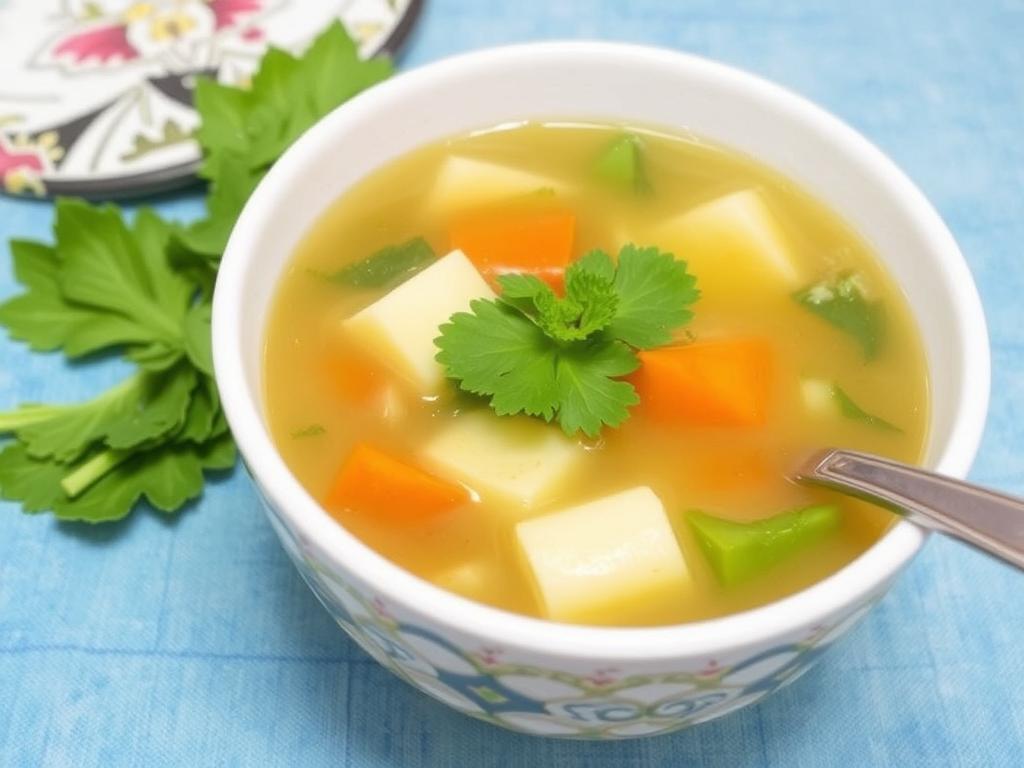
Looking beyond taste, **Tinola Soup** is a powerhouse in simple disguise. Here’s a breakdown of what makes it not just tasty but wholesome:
| Ingredient | Nutritional Contribution |
|---|---|
| Chicken | High-quality lean protein essential for muscle repair and satiety |
| Ginger | Anti-inflammatory benefits, aids digestion and immune support |
| Green Papaya/Chayote | Rich in fiber and vitamins, promotes digestion and overall gut health |
| Malunggay Leaves | Packed with vitamins A, C, calcium, and antioxidants |
Together, these ingredients create a soup that nourishes body and soul, making Tinola not just a meal but a ritual of well-being.
The Worldwide Appeal: Popularity of Tinola Soup in Different Countries
While rooted firmly in Filipino culture, Tinola Soup is steadily winning fans abroad. Filipino diaspora communities across the United States, Canada, and parts of Europe keep the tradition alive and introduce it to curious palates. Food bloggers and chefs increasingly recognize Tinola for its simplicity and health benefits, featuring it in fusion dishes or as a wholesome starter.
What’s fascinating is how the core recipe adapts—some add coconut milk for a creamier texture, while others swap chicken for fish, but the soul of Tinola stays: clear broth, vibrant greens, and ginger’s warm hug.
Cooking Up Comfort: 3 Best Recipes for Tinola Soup
Ready to try making Tinola Sauce at home? Here are three approaches beloved by different cooks:
-
Classic Tinola Soup
- 1 whole chicken cut into serving pieces
- 1 thumb-size ginger, sliced thinly
- 1 green papaya, peeled and cut into chunks
- 1 bunch malunggay leaves
- 6 cups water, salt, pepper to taste
Simmer chicken and ginger in water, add papaya after 20 minutes, season well, and finally toss in the greens just before turning off heat.
-
Fish Tinola
- Use fresh milkfish or tilapia instead of chicken
- Include the same veggies and aromatics
- Cook gently to avoid breaking the fish apart
Fish Tinola offers a lighter alternative, cherished in coastal communities.
-
Coconut Milk Tinola (Ginataang Tinola)
- Add 1 cup coconut milk towards the end of cooking
- Maintains the gingery base with a creamy twist
This version tastes richer but still retains the heart of Tinola.
Pairing the Perfect Side: What to Eat with Tinola Soup
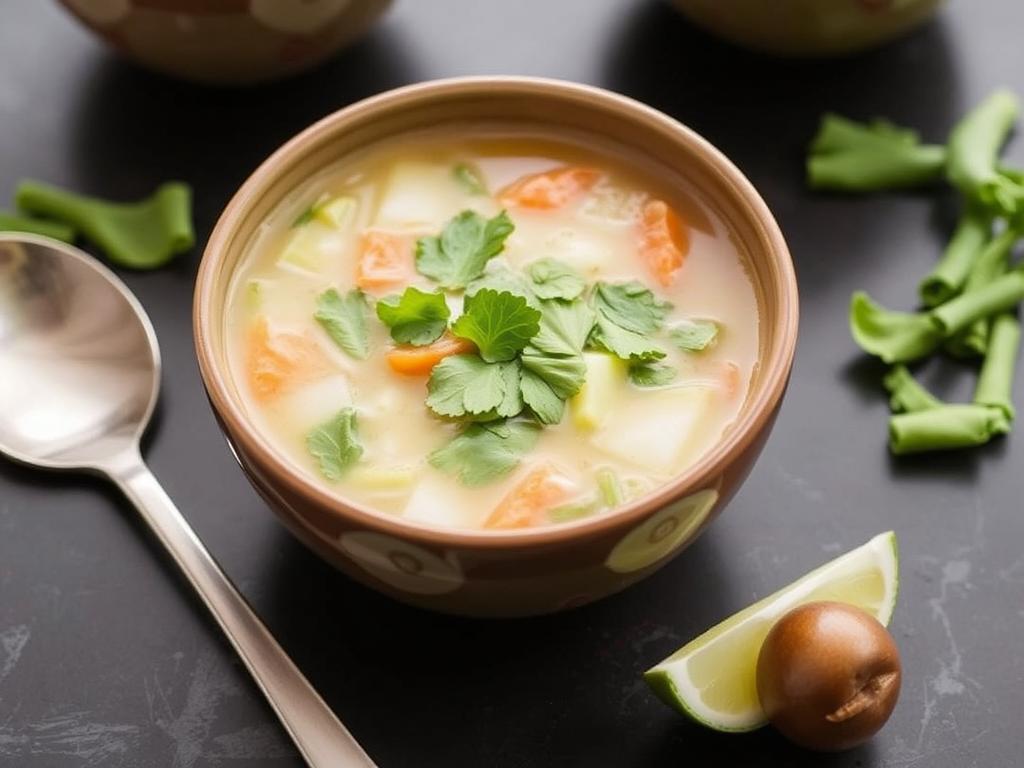
Tinola Soup shines brightest alongside fluffy steamed rice, soaking up the savory broth and balancing the ginger’s spice. It pairs beautifully with simple sides—like sautéed greens, fried fish, or a fresh tomato and onion salad. In Filipino homes, dinner is rarely solo, so sharing Tinola with a small dipping dish of fish sauce with calamansi or chili amps up the experience.
A cup of warm Tinola can also be a lovely solo snack, especially when you want something gentle and satisfying without fuss.
—
If you ever want to feel a taste of Filipino heritage in one spoonful, Tinola Soup is the way to do it. It invites you into a world where food heals and connects as much as it nourishes, telling stories with every steaming bowl. So go ahead—give it a try, and you might find a new comfort food you didn’t know you needed.


