
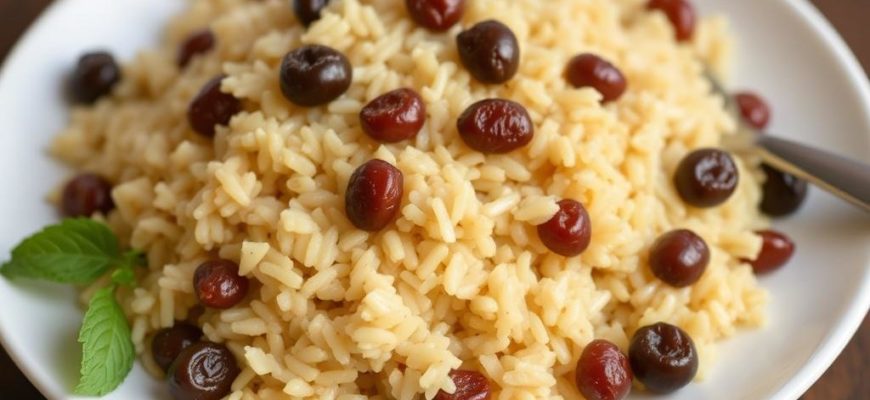
I still remember the first time I tasted pilaf with raisins: a spoonful that managed to be both comforting and a little surprising, like a song you thought you knew but with a new chord. The sweetness of raisins slipping between grains of warm, fragrant rice felt unexpectedly right. If you enjoy simple dishes that carry stories and can be adapted to your pantry, this is one to keep coming back to. Read on and you’ll learn where this version comes from, how it evolved, what makes it special, and a clear, fail-safe recipe you can cook tonight.
Country of origin Pilaf with raisins
Pilaf is a broad family of rice dishes found across Central Asia, the Middle East, South Asia, and parts of Eastern Europe. The exact version that pairs rice with raisins most likely traces back to Central Asian and Persian culinary traditions, where dried fruits commonly balance meat and spices. Countries such as Uzbekistan, Iran, and Afghanistan have long histories of combining rice with fruits and nuts, so calling any single nation the sole origin would be limiting. Instead, think of pilaf with raisins as a regional idea that traveled with traders and cooks, adapting locally available ingredients along the way.
History Pilaf with raisins
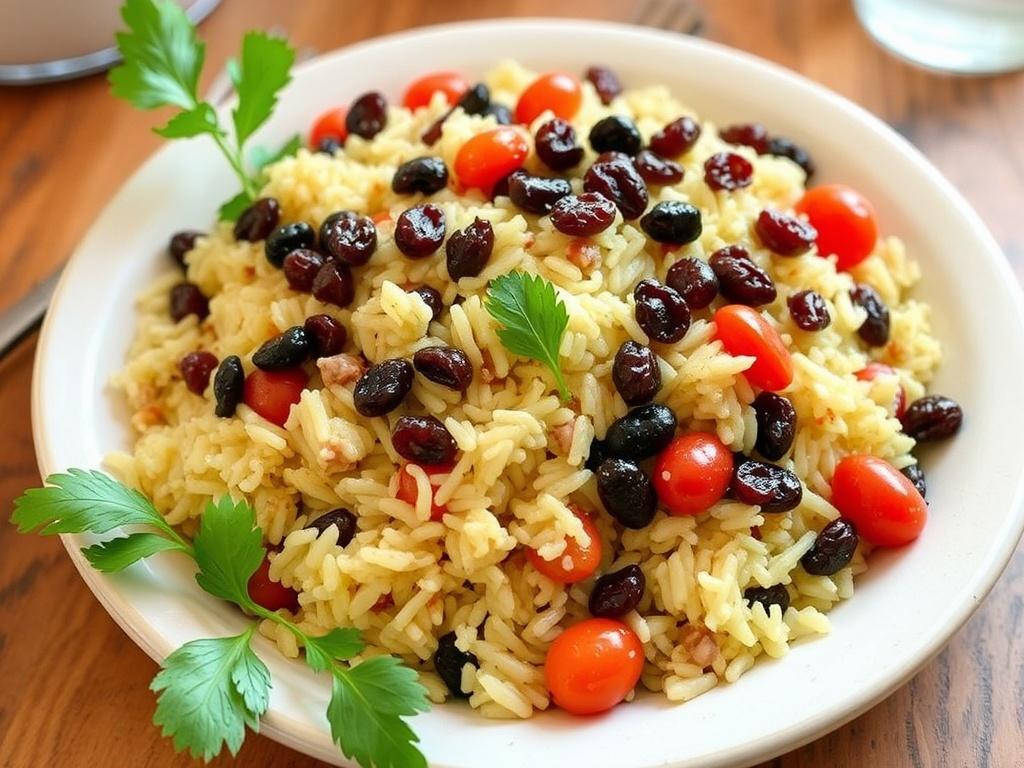
The history of pilaf is tied to the spread of rice cultivation and spice trade routes. Persian cooks developed elaborate rice techniques and frequently used dried fruit to add sweetness to savory dishes. As people moved east and west, those techniques blended with local tastes. In Central Asia, for example, pilaf often features carrots and lamb, sometimes with raisins added for contrast. In Persian court cuisine, dried fruits appeared in rice pilafs served at feasts. Over centuries, the sweet-savory concept became a household staple rather than just a luxury, finding its way into everyday meals and festive tables alike.
Interesting facts about Pilaf with raisins
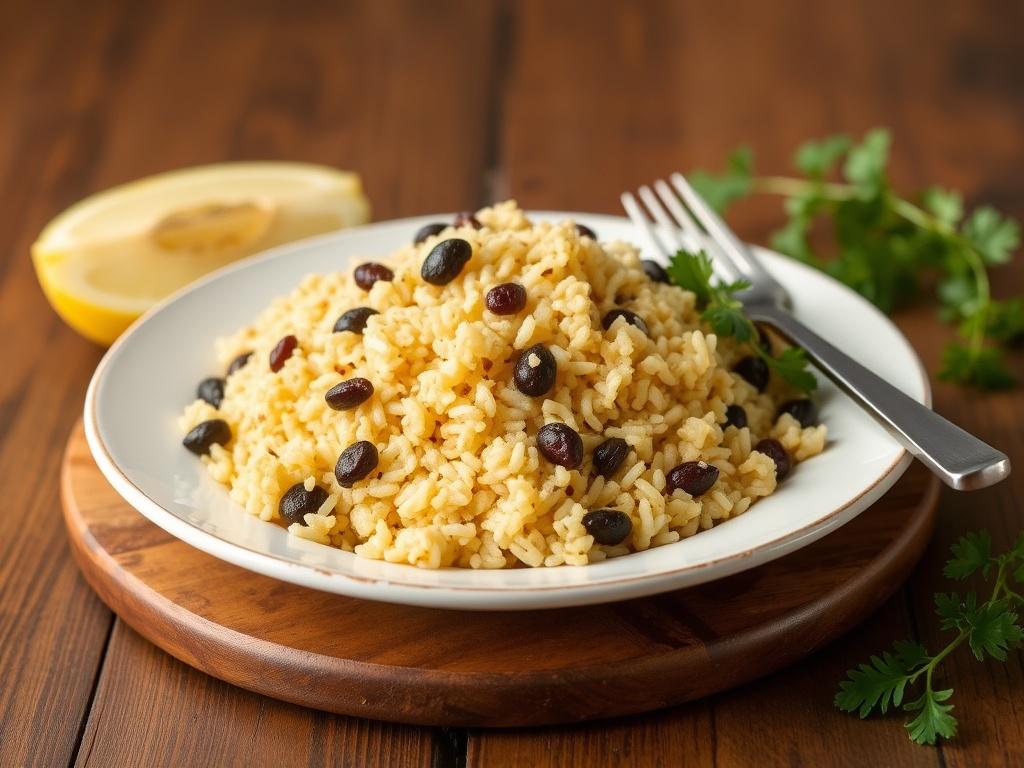
- Raisins were prized not only for flavor but for preservation: they add sweetness without needing fresh fruit.
- The technique of toasting rice before cooking helps develop a nutty flavor and keeps grains separate, a hallmark of many pilaf recipes.
- Variations can be vegetarian or include meat like lamb, chicken, or beef; raisins pair well with all of them.
- In some cultures, raisins signal hospitality and celebration when included in rice dishes.
- A small amount of acid, such as lemon juice or pomegranate molasses, is sometimes used to brighten the dish and balance sweetness.
Nutritional value Pilaf with raisins
Nutrition varies with ingredients and portion size, but a typical serving of pilaf with raisins combines carbohydrates from rice and raisins, moderate protein if meat or legumes are added, and healthy fats when cooked with oil. Raisins contribute fiber, potassium, and natural sugars. Below is a rough estimate for one medium vegetarian serving made with white rice and a modest amount of oil and raisins.
| Nutrient | Amount (approx.) |
|---|---|
| Calories | 350 kcal |
| Carbohydrates | 70 g |
| Protein | 6 g |
| Fat | 5 g |
| Fiber | 3 g |
| Potassium | 250 mg |
To boost protein and micronutrients, use brown rice, add chickpeas or cooked chicken, and stir in toasted nuts like almonds or pistachios before serving.
Popularity in different countries Pilaf with raisins
Pilaf with raisins enjoys varying degrees of popularity depending on regional palates. In Central Asia, sweet elements are commonly present in celebratory pilafs. In Iran, you will find jeweled rice that includes barberries and sometimes raisins for color and flavor. In Turkey and the Levant, raisins appear in rice pilafs served with roasted meats. In South Asian kitchens, raisins show up in biryani and pulao to provide sweet contrast. The dish adapts easily: in some places raisins are central, in others they are an optional flourish. Wherever it appears, local spice profiles and cooking fats shape the final character.
The best step-by-step cooking recipe for Pilaf with raisins
This version is straightforward, fragrant, and forgiving. It serves 4 as a side or 3 as a main.
Ingredients
- 1.5 cups long-grain rice (Basmati preferred)
- 3 cups water or light broth
- 2 tablespoons vegetable oil or butter
- 1 small onion, finely chopped
- 1 carrot, julienned or grated (optional)
- 1/3 cup raisins
- 1 teaspoon ground cumin or a small cinnamon stick
- 1/2 teaspoon salt, adjust to taste
- Freshly ground black pepper
- Handful of toasted slivered almonds or pistachios (optional)
- Fresh herbs for garnish: parsley or cilantro
Steps
- Rinse the rice under cold water until the water runs mostly clear; drain well. This removes surface starch and helps keep grains separate.
- Warm the oil or butter in a medium saucepan over medium heat. Add onion and sauté until translucent, about 4 minutes. Add carrot now if using and cook one more minute.
- Add the rice and stir to coat the grains in oil. Toast the rice for 2 to 3 minutes, stirring, until it smells nutty. If using whole spices like a cinnamon stick, add them now.
- Pour in the water or broth and add salt, pepper, and cumin if using. Bring to a gentle boil, then reduce heat to low, cover, and simmer for 12 to 15 minutes until the liquid is absorbed.
- Meanwhile, soften the raisins by soaking them in a few tablespoons of warm water for 5 minutes if they are very dry. Drain.
- When the rice is done, remove from heat and let it rest covered for 5 minutes. Fluff with a fork, then gently fold in the raisins and toasted nuts. Adjust seasoning.
- Garnish with fresh herbs and serve warm alongside roasted or grilled proteins, or enjoy on its own with a dollop of yogurt.
Tips and variations
- For a richer flavor, brown the onion longer or use butter plus a splash of olive oil.
- Swap raisins for sultanas, chopped dried apricots, or barberries for different tastes.
- To make it heartier, stir in cooked chickpeas or shredded cooked chicken near the end.
- If you like a hint of brightness, squeeze a little lemon juice over the finished pilaf.
Pilaf with raisins is simple, flexible, and full of personality. It works as a weeknight side, a main dish for a light dinner, or a festive centerpiece when dressed up with meat and nuts. Try the recipe as written, then tweak spices and additions until it feels like your version of home.


