
PANCAKES – The Art of the Perfect Flip, from Breakfast to Beyond
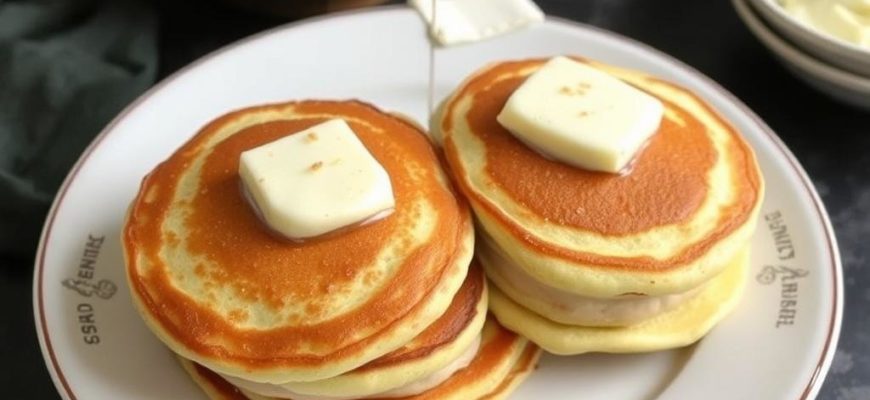
I remember the first time I tasted palachinke pancakes at a tiny kitchen table in Zagreb. They arrived rolled and steaming, the sweet smell of jam mingling with butter. One bite and everything else on the menu blurred out. If you like crepes, you will fall for palachinke too. They are simple, flexible, and somehow more homey than fancy. Read on and I’ll show you what palachinke really are, where they came from, why everyone has an opinion about fillings, and how to make three fail-safe versions at home.
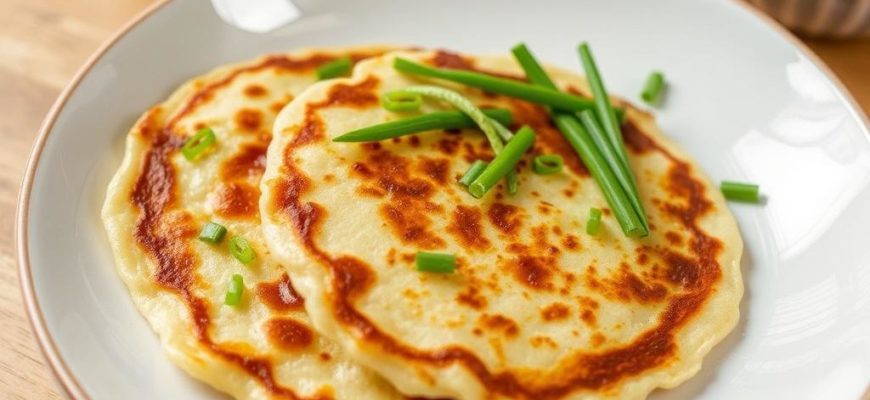
I love the sound of a pancake hitting hot oil — that little hiss, the edges turning golden, the scent of scallions and soy rising up. Korean pajon pancakes are one of those dishes that feel like home no matter where you are: simple batter, bright green scallions, a bit of drama when you flip it, and then the reward of a warm, savory bite. If you’ve ever wondered why people reach for these pancakes on rainy days, how they differ from other Korean jeon, or how to make a show-stopping haemul pajeon at home, stick around — this piece walks through the what, why, how, and the delicious who-with of Korean pajon pancakes.
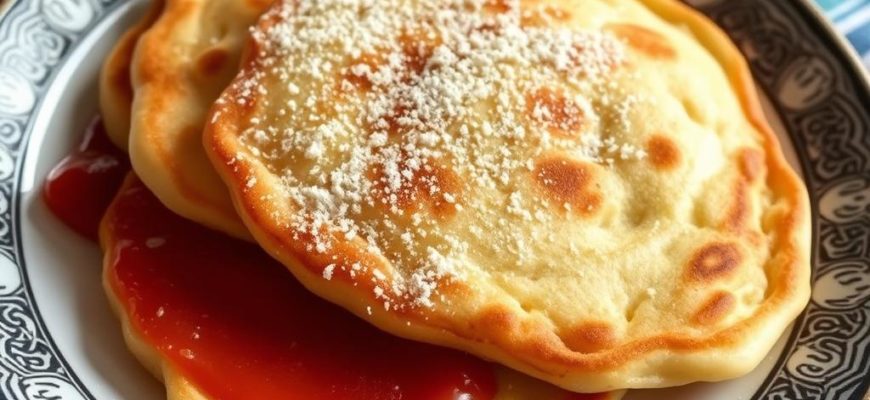
I still remember the first time I bit into a warm, paper-thin pancake rolled around bright red salmon roe at a cozy market stall in St. Petersburg—salt, smoke, and a bite of something ancient all at once. East Slavic pancakes are one of those foods that feel like a map: every fold, every topping tells you whether you’re at a winter festival, a family morning table, or a street fair. If you’ve ever wondered why these simple rounds matter so much, stick around. I’ll walk you through what they are, where they come from, how to make the best ones at home, and the little customs that turn pancakes into a cultural conversation.