
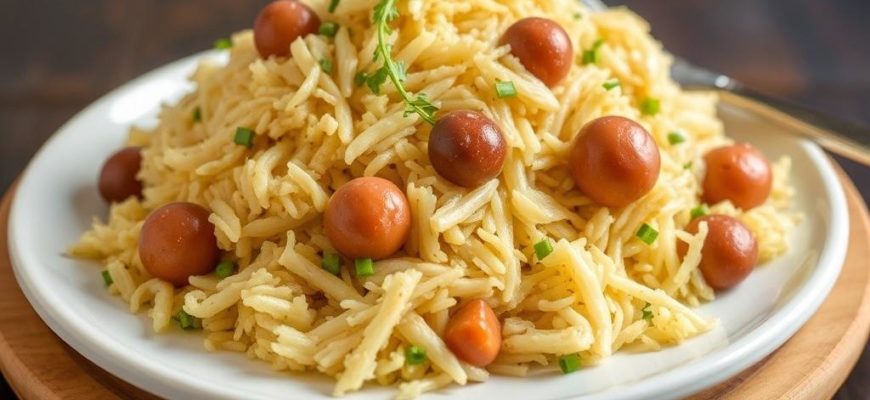
Imagine a warm pot of rice steaming on the table, each grain glossy and separate, studded with sweet, creamy chestnuts that give every bite a whisper of autumn. Pilaf with chestnuts is the kind of dish that feels like a memory—comforting, a little festive, and quietly clever. It works as a weeknight centerpiece and also steps up for holidays, pairing perfectly with roasted meat or a simple salad. If you’ve never tried it, or if you have but want to make it truly sing, read on—there’s history, flavor science, and a fail-proof recipe coming up.
- Where this recipe originally comes from
- How this combination developed over time
- Small wonders and oddities about the dish
- What’s actually in it for your body
- Where people enjoy this pilaf today
- Ingredients you’ll need and why they matter
- Step-by-step method
- Finishing touches and serving ideas
- Tips for success
Where this recipe originally comes from
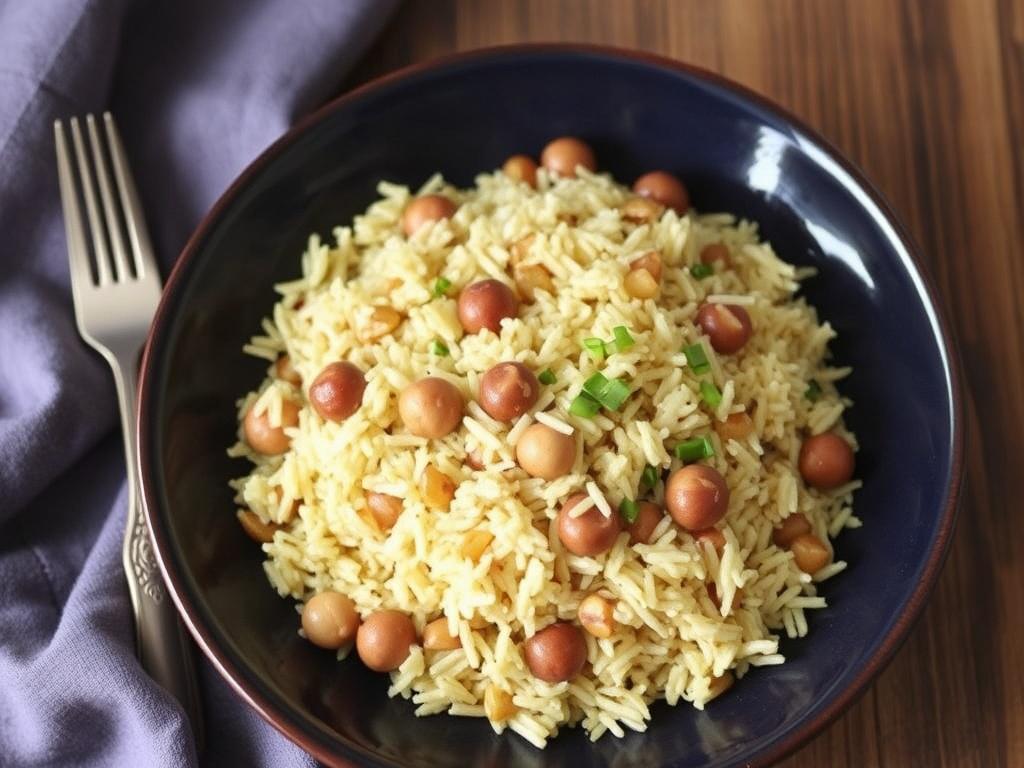
Country of origin Pilaf with chestnuts traces its strongest roots to regions where both rice and chestnuts were available and cherished at the same time: broadly speaking, the eastern Mediterranean, the Caucasus, and parts of Anatolia. In Turkey, a version known as kestaneli pilav has been part of seasonal cooking for generations. Across neighboring areas, cooks adapted the idea to local tastes—sometimes adding spices, sometimes pairing the pilaf with lamb or poultry. The result is not one strict “original” but a family of related dishes that celebrate chestnuts and rice together.
How this combination developed over time
History Pilaf with chestnuts is a story of simple ingredients meeting cultural exchange. Chestnuts were a staple in many mountain and forested areas long before modern supply chains, and rice became more common through centuries of trade. Where people had both, combining them in pilaf was logical: chestnuts lend texture and natural sweetness, balancing rice and savory seasonings. As trade and empires moved recipes around, local cooks added spices, stocks, dried fruits, or meat, so the dish evolved into many regional variants.
Small wonders and oddities about the dish
Interesting facts about Pilaf with chestnuts include a few lovely surprises. First, chestnuts are unique among nuts: they’re starchy rather than oily, so they blend with rice rather than overpower it. Second, the texture contrast—powdery rice and soft chestnut—creates a mouthfeel people describe as both hearty and velvety. Third, in some cultures this pilaf is a seasonal symbol: a signal that autumn and chestnut-harvest time have arrived.
What’s actually in it for your body
Nutritional value Pilaf with chestnuts is a relatively balanced comfort food. Chestnuts are lower in fat than most nuts and bring complex carbohydrates, fiber, and small amounts of protein and vitamins. Rice supplies energy-dense carbohydrates, and if you use broth, onions, and a modest amount of oil or butter, the dish becomes a satisfying source of calories without excessive fat. To make it lighter, use brown rice or reduce added fats; to make it heartier, add chunks of roasted meat or toasted seeds.
Where people enjoy this pilaf today
Popularity in different countries Pilaf with chestnuts turns up most often in Turkey and the Caucasus, and it appears on menus in Mediterranean countries during chestnut season. Abroad, chefs borrow the idea whenever chestnuts are in fashion—autumn pop-ups, farmers’ market dinners, and bistros that highlight seasonal produce. Home cooks across Europe and the Middle East have their own takes, which is why it feels familiar in so many kitchens even when the exact spices or pairings differ.
Ingredients you’ll need and why they matter
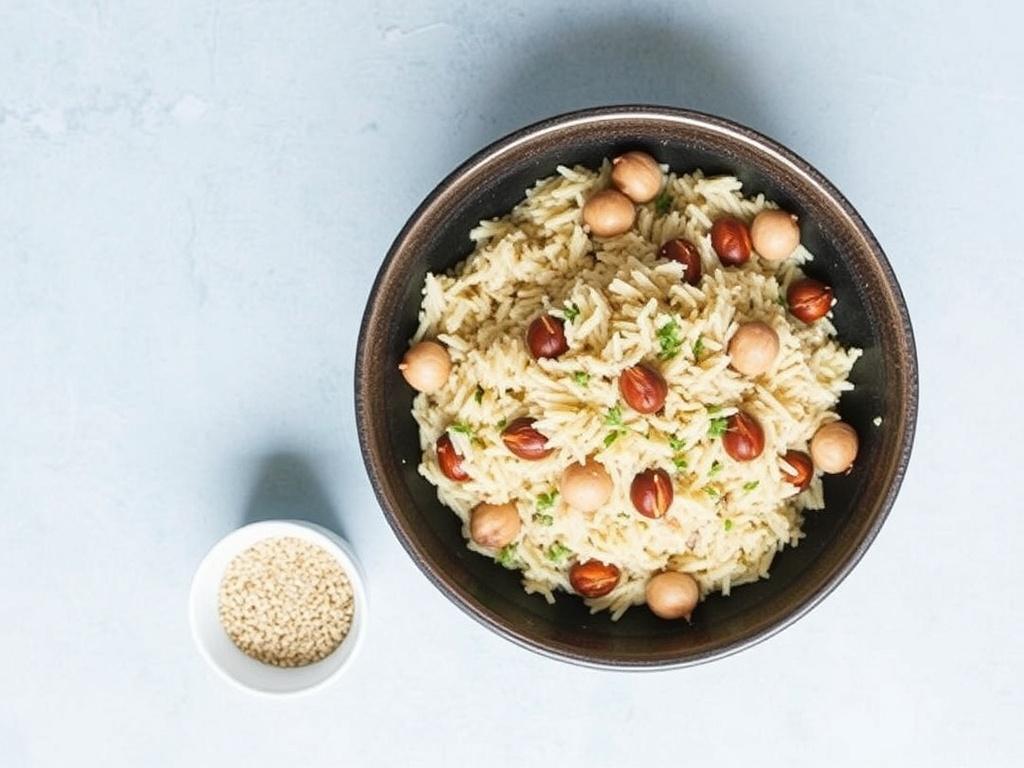
The best step-by-step cooking recipe for Pilaf with chestnuts starts with good ingredients. Here’s a clear, adaptable list and why each item plays a role.
| Ingredient | Amount (for 4 people) | Why it matters |
|---|---|---|
| Long-grain rice (or basmati) | 2 cups | Keeps grains separate and fluffy in pilaf |
| Cooked chestnuts (peeled) | 1.5 cups | Provides sweet, creamy texture |
| Onion, finely chopped | 1 medium | Base flavor; caramelizes for depth |
| Vegetable or chicken broth | 3.5–4 cups | Infuses rice with savory depth |
| Butter or olive oil | 2–3 tablespoons | For sautéing and mouthfeel |
| Salt and freshly ground pepper | To taste | Essential seasoning |
| Optional spices (cinnamon stick, allspice, cumin) | Small amounts | Add warmth and regional character |
Step-by-step method
- Prep chestnuts: If using raw chestnuts, score and roast them until the shells peel off easily, then remove shell and inner skin. For convenience, use pre-cooked peeled chestnuts.
- Rinse rice under cold water until water runs clear. This removes surface starch and helps grains stay separate.
- In a heavy pot, warm butter or oil over medium heat. Sauté onion until soft and slightly golden. If using whole spices like cinnamon stick, add them now to bloom.
- Add the rice and stir for 1–2 minutes so each grain gets coated; this helps keep texture and adds a toasty note.
- Pour in hot broth and season with salt. Bring to a gentle boil, then reduce heat to low, cover tightly, and simmer for the rice’s recommended time (usually 12–18 minutes for long-grain rice).
- Five minutes before the rice is done, gently fold in the chestnuts so they warm through without breaking apart.
- Turn off heat and let pilaf rest, covered, for 10 minutes. Fluff with a fork and adjust seasoning.
Finishing touches and serving ideas
Serve Pilaf with chestnuts alongside roasted lamb, grilled chicken, or a bright salad. Scatter chopped parsley or toasted nuts on top for contrast. Leftovers reheat well and can be transformed into stuffed peppers or a warm salad.
Tips for success
- Use warm broth to avoid shocking the rice and to keep a steady cooking temperature.
- Don’t stir rice while it’s cooking; that makes grains sticky.
- If you want extra flavor, sauté a little diced bacon or lamb pieces with the onion before adding rice.
Pilaf with chestnuts is deceptively simple and richly rewarding. It captures seasonal comfort without fuss, and with a few small choices—type of rice, spice profile, or whether to add meat—you can make it feel distinctly yours. Try it, tweak it, and you might find it becomes your new autumn ritual.


