
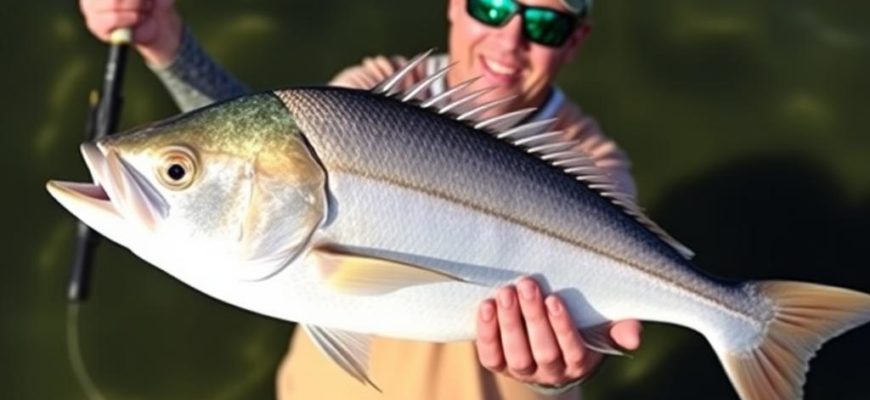
Imagine a fish that glides effortlessly through warm waters, its silver body shimmering like a jewel before it ends up on your plate as a tender, flavorful delight. This is Pompano — a name that might ring a bell for seasoned anglers and seafood lovers, yet remains a mystery to many. Whether you’re curious about its habitat, craving new culinary adventures, or wondering about its nutritional perks, diving into the world of pompano will surprise and excite you. Ready to learn all there is about pompano, from who they are to how best to enjoy them? Let’s set sail on this comprehensive journey together.
- Pompano Unveiled: Who They Are
- Where do Pompano Choose to Live
- How Pompano Are Caught: The Art and Science
- Types of Pompano: Diversity in the Deep
- Interesting Facts About Pompano that Will Wow You
- The Pompano’s Diet: What Fuels This Sleek Swimmer
- 5 Ways to Enjoy Eating Pompano
- Top Cooking Tips to Make Your Pompano Shine
- Nutritional Value of Pompano: More Than Just Great Taste
- Benefits and Potential Harms of Eating Pompano
- Benefits
- Potential Harms
- 5 Best Dishes Featuring Pompano You Can Try
- Things to Keep in Mind When Buying Pompano
- Five More Surprising Facts About Pompano
Pompano Unveiled: Who They Are
When it comes to fish that capture both the waters and the imagination, pompano holds a notable place. But who exactly are these shimmering inhabitants of the sea? Pompano refers to a group of fish species in the family Carangidae, notable for their sleek, round bodies and remarkably smooth, silvery scales that reflect sunlight like mirrors. These fish are generally small to medium-sized, averaging around 12 to 18 inches in length, making them manageable yet satisfying catches.
Pompano have a distinguished look that sets them apart: a deep, laterally compressed body that tapers to a narrow tail with a forked fin, paired with relatively small mouths and subtle, sharp teeth. Their shape is designed for speed and agility, enabling them to dart swiftly in coastal waters. This agility also makes pompano a favorite among sport fishermen who cherish the challenge of catching them.
Though the family Carangidae comprises many species, the common pompano (Trachinotus ovatus) is one of the most recognized. Other notable species include the Florida pompano (Trachinotus carolinus), which is arguably the most popular species consumed in the United States, prized for its delicate texture and slightly sweet flavor.
Where do Pompano Choose to Live
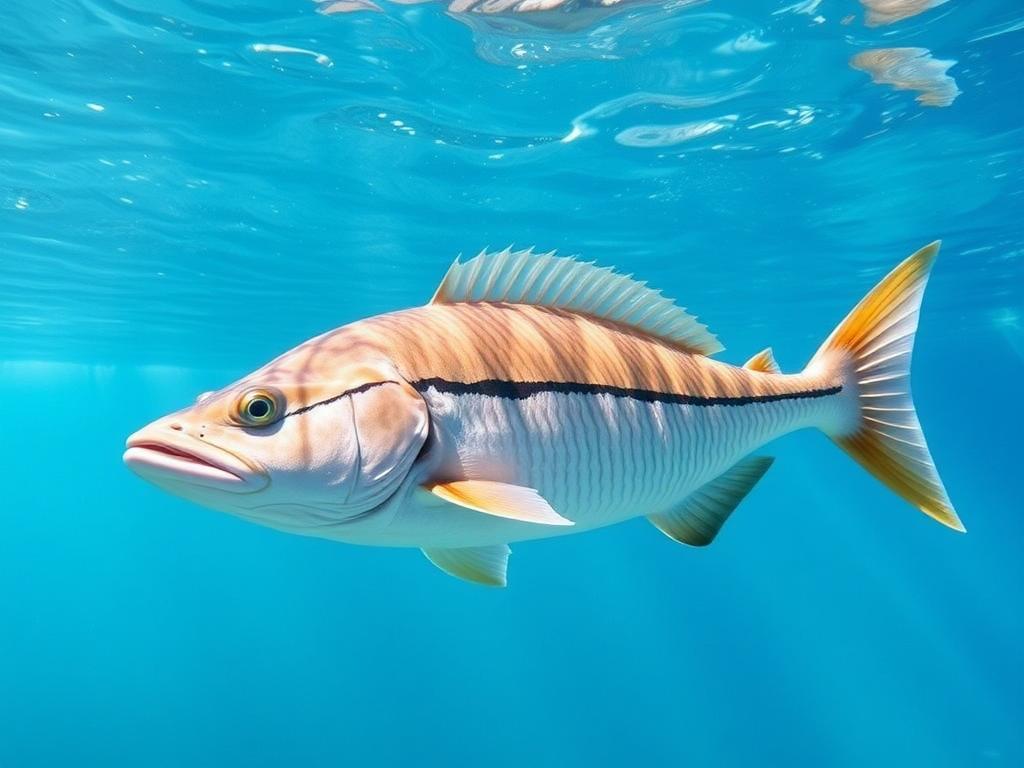
Understanding where pompano make their homes provides insight not only into their behavior but also into their availability and how best to find them. Pompano are primarily found inhabiting warm, tropical, and subtropical coastal waters. You’ll find them comfortably cruising through the Atlantic Ocean from the coast of New England all the way down to Brazil, and they are common in the Gulf of Mexico and the Caribbean Sea.
Pompano prefer shallow near-shore habitats, often close to sandy beaches, estuaries, and bays where the water is relatively warm and calm. They thrive in areas with sandy or muddy bottoms where they can scavenge easily. Interestingly, during certain seasons, they migrate, moving closer to shorelines or farther out depending on the water temperature and breeding cycles.
Mangrove-lined estuaries, coral reefs, and submerged structures create ideal habitat for juvenile pompano as they offer safety from predators and abundance of food. This preference for warm, shallow, and clear coastal environments makes pompano accessible to both commercial and recreational fishermen, making it easier to source them fresh or farmed.
How Pompano Are Caught: The Art and Science
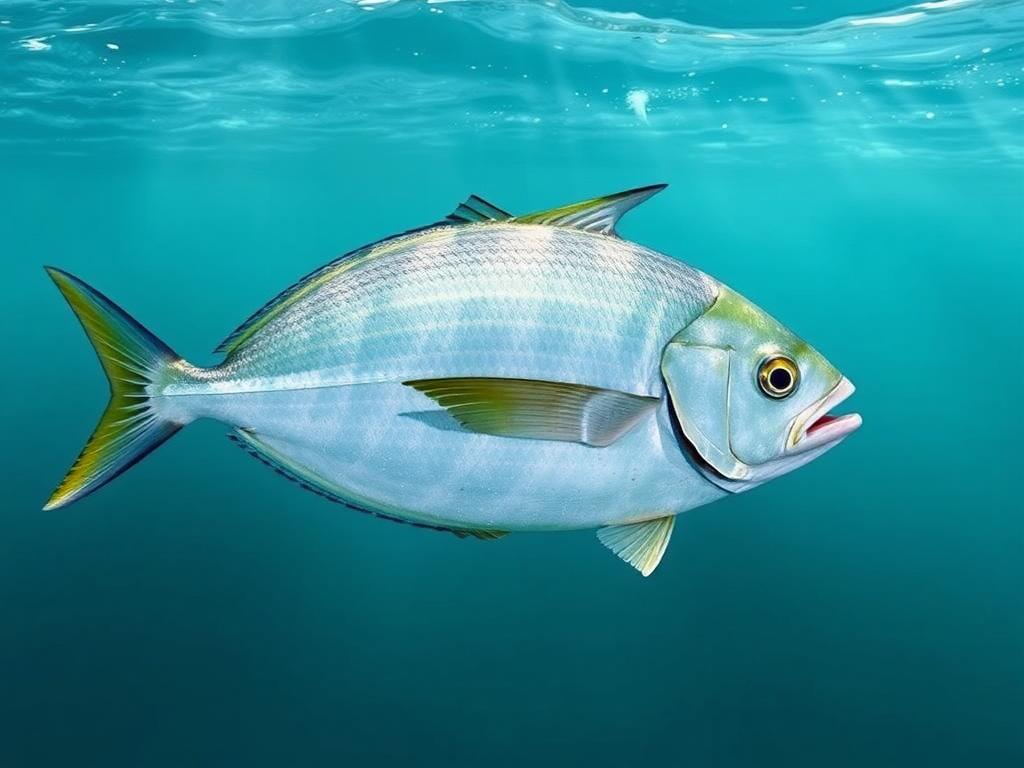
For those curious about the fishing methods behind the pompano on their dinner plates, the story is quite fascinating and tied to both tradition and technology. Pompano are often caught using light tackle fishing techniques due to their size and fighting nature, which makes fishing for them both fun and challenging.
One of the most popular methods is surf casting—anglers casting baited hooks from the shore into the surf zone where pompano tend to feed. Common baits include shrimp, sand fleas, and small crabs, which closely mimic the pompano’s natural diet. Because pompano often swim in schools, using a rig with multiple hooks can increase the chances of a catch.
Commercially, pompano may be caught using purse seines or beach seines, nets that encircle schools of fish and pull them in. Additionally, aquaculture (or fish farming) has become increasingly popular for pompano, particularly species like Florida pompano, due to their fast growth rates and high market demand.
Regardless of method, fishermen respect pompano for their fight and the quality of their meat, which ensures that they maintain their status as prized angling targets and culinary delights.
Types of Pompano: Diversity in the Deep
While many people think of pompano as a single species, the term actually refers to a variety of closely related species, each with its own quirks and culinary nuances. The most common ones include:
| Species | Common Name | Range | Notable Features |
|---|---|---|---|
| Trachinotus carolinus | Florida Pompano | Western Atlantic, Gulf of Mexico | Known for delicate, mild flavor; often farmed commercially |
| Trachinotus ovatus | Common Pompano | Mediterranean Sea, Atlantic coasts of Europe & Africa | Smaller size with firm flesh |
| Trachinotus blochii | Snubnose Pompano | Indo-Pacific waters | Distinctive blunt nose; popular in Asian markets |
| Trachinotus goodei | Palometa | Western Atlantic, Caribbean | Known for vibrant silver and blue coloring |
Each of these variations offers unique appeal in taste, texture, and appearance, making pompano a versatile choice for seafood enthusiasts worldwide.
Interesting Facts About Pompano that Will Wow You
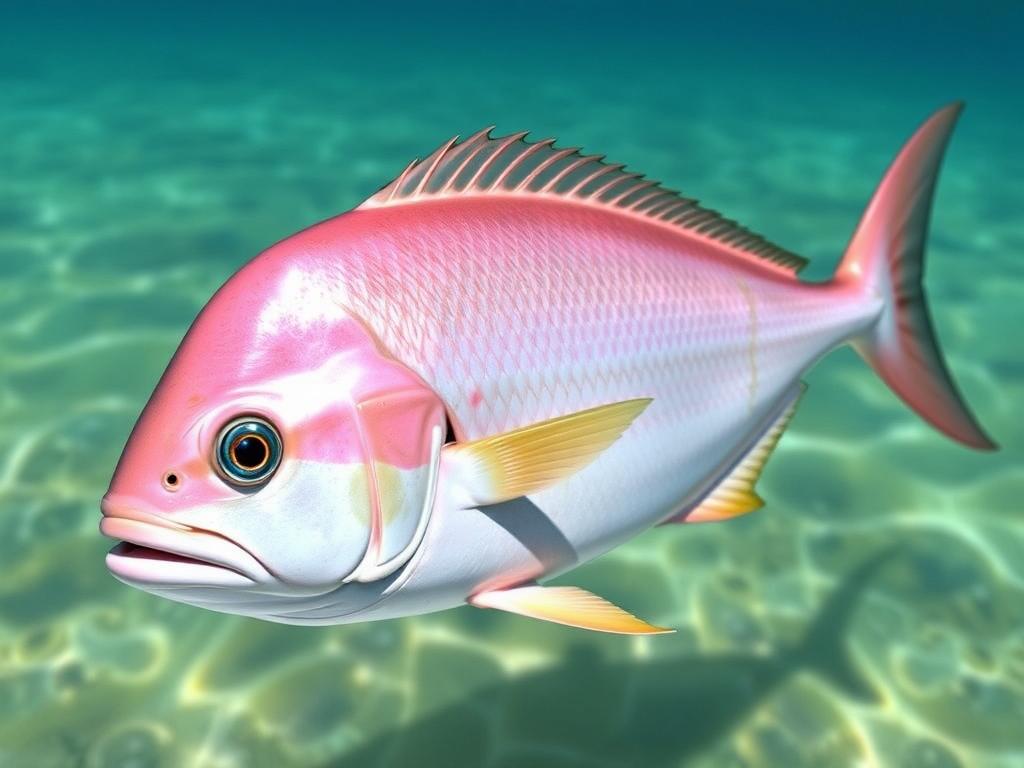
If you thought pompano was just another fish, think again! Here are some fascinating tidbits that make them stand out in the marine world:
- Rapid swimmers: Pompano can reach impressive speeds, gliding through water at up to 30 miles per hour.
- Schooling behavior: They usually swim in large groups, which provides safety and increases feeding efficiency.
- Seasonal migrations: Depending on temperature changes, pompano move up and down coasts to spawn and feed.
- Farm-friendly: Pompano adapts very well to aquaculture, making it one of the few saltwater fish that thrive in farming conditions.
- Delicate but tough: Despite their tender, flaky texture, pompano flesh holds up well to grilling and frying.
All this makes pompano not only a delight to eat but also a marvelous creature to appreciate.
The Pompano’s Diet: What Fuels This Sleek Swimmer
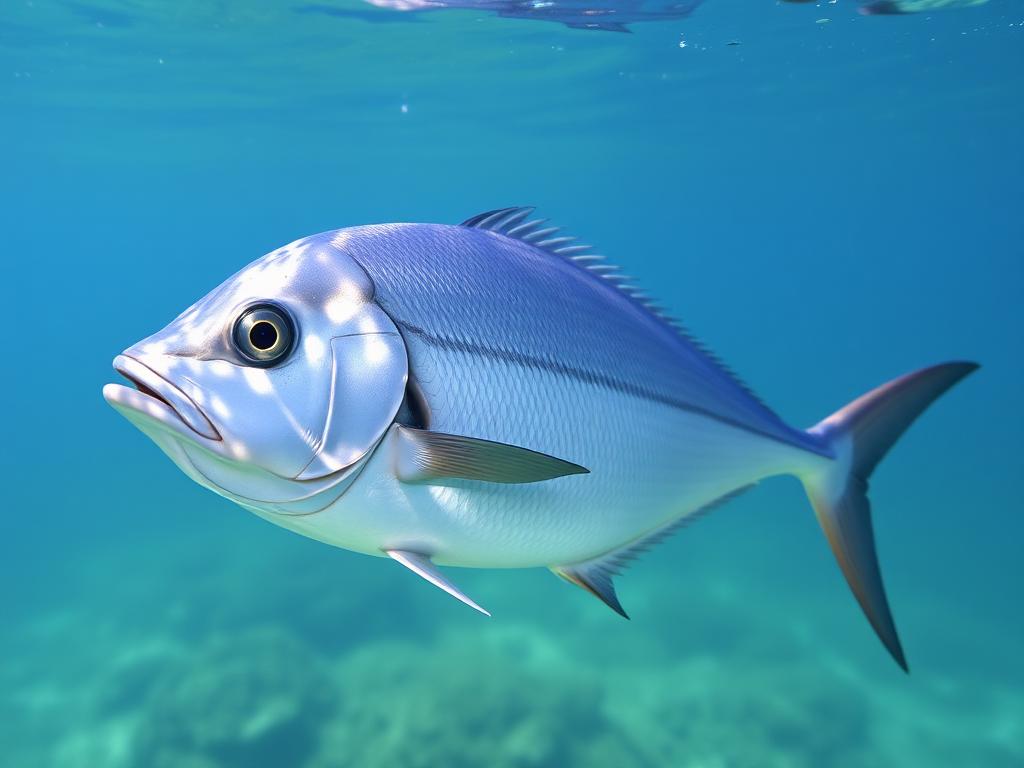
Understanding the diet of pompano can help fishermen select the right bait and home cooks anticipate their flavor profiles. Pompano are carnivorous and favor a diet rich in small invertebrates that live along the sea floor.
Their primary food sources include:
- Crustaceans: Shrimp and crabs form the backbone of their diet.
- Mollusks: Small clams and snails are on the menu.
- Worms: Polychaete worms found in sand and mud are favorites.
- Small fish: Occasionally, pompano will eat tiny bait fish.
This diet contributes to their clean, mild flavor, making pompano a fish that naturally pleases the palate.
5 Ways to Enjoy Eating Pompano
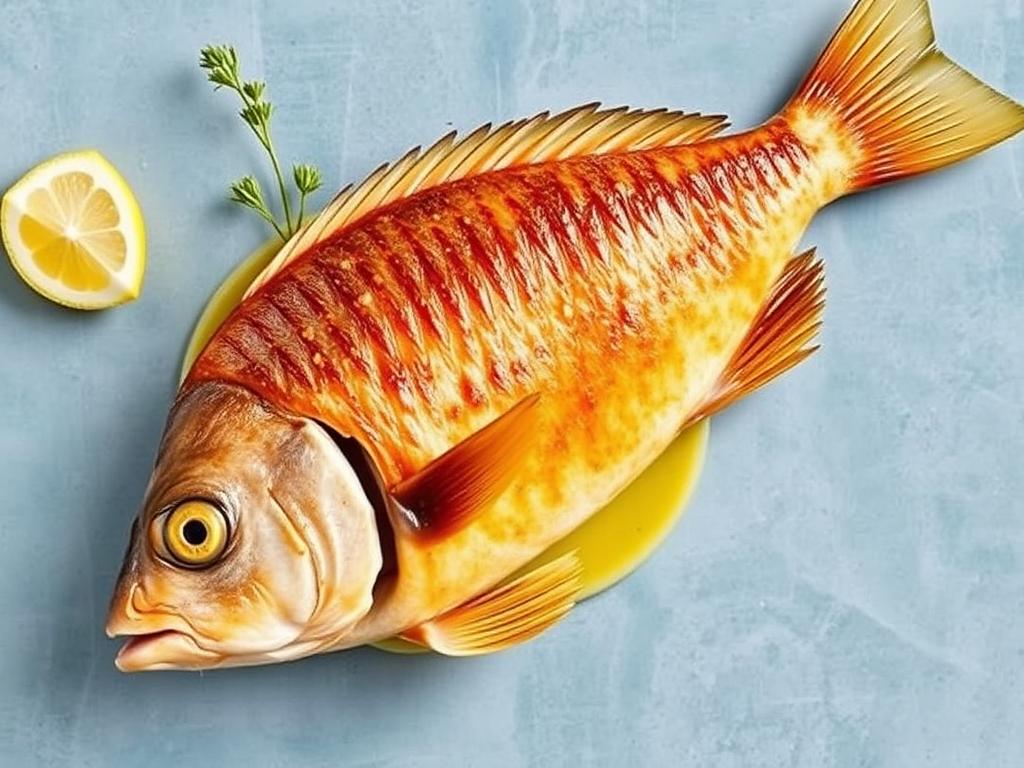
If you’re wondering how to savor this beautiful fish, here are five popular and delicious methods that highlight the pompano’s texture and taste:
- Grilled Pompano with Citrus: A simple marinade of lime and garlic enhances the natural flavor.
- Pan-Seared with Butter and Herbs: Quick cooking in butter and fresh herbs like thyme creates a rich, golden crust.
- Baked Pompano with Vegetables: Baking preserves moisture and allows you to add complementary flavors like tomatoes, onions, and peppers.
- Fried Pompano Fillets: Lightly breaded and fried for a crispy, satisfying bite.
- Pompano Ceviche: Thin slices marinated in lime juice with onions and cilantro, offering a refreshing and tangy dish.
Each of these methods can be tailored with spices and ingredients according to your taste, providing plenty of room for creativity.
Top Cooking Tips to Make Your Pompano Shine
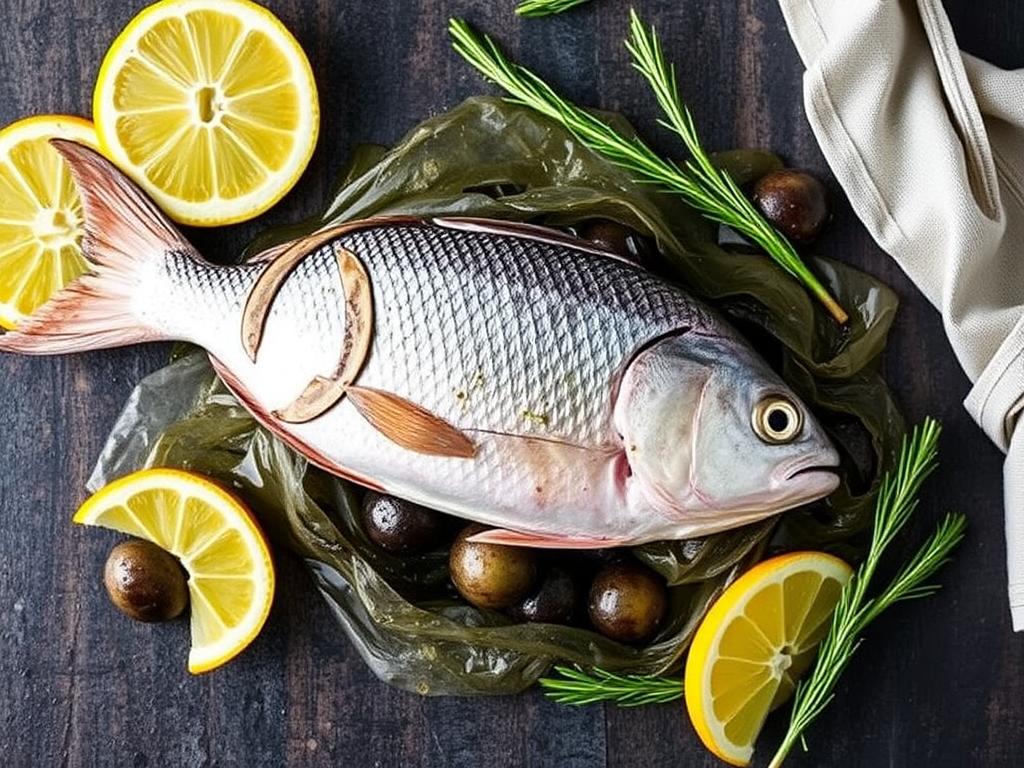
Cooking pompano beautifully requires just a few simple tips but makes all the difference in preserving its delicate flavor and texture:
- Don’t overcook: Pompano cooks quickly, usually under 10 minutes for a fillet. Overcooking dries it out.
- Use gentle heat: Medium to medium-high heat works best for grilling or pan-searing.
- Keep the skin on: The skin crisps nicely and helps the fillet hold together.
- Fresh is best: Since pompano has a delicate flesh, fresh fish tastes noticeably better than frozen.
- Simple seasoning: A pinch of salt, pepper, and a squeeze of lemon really allows the fish’s flavor to stand out.
These straightforward tips ensure your pompano dishes turn out restaurant-quality every time.
Nutritional Value of Pompano: More Than Just Great Taste
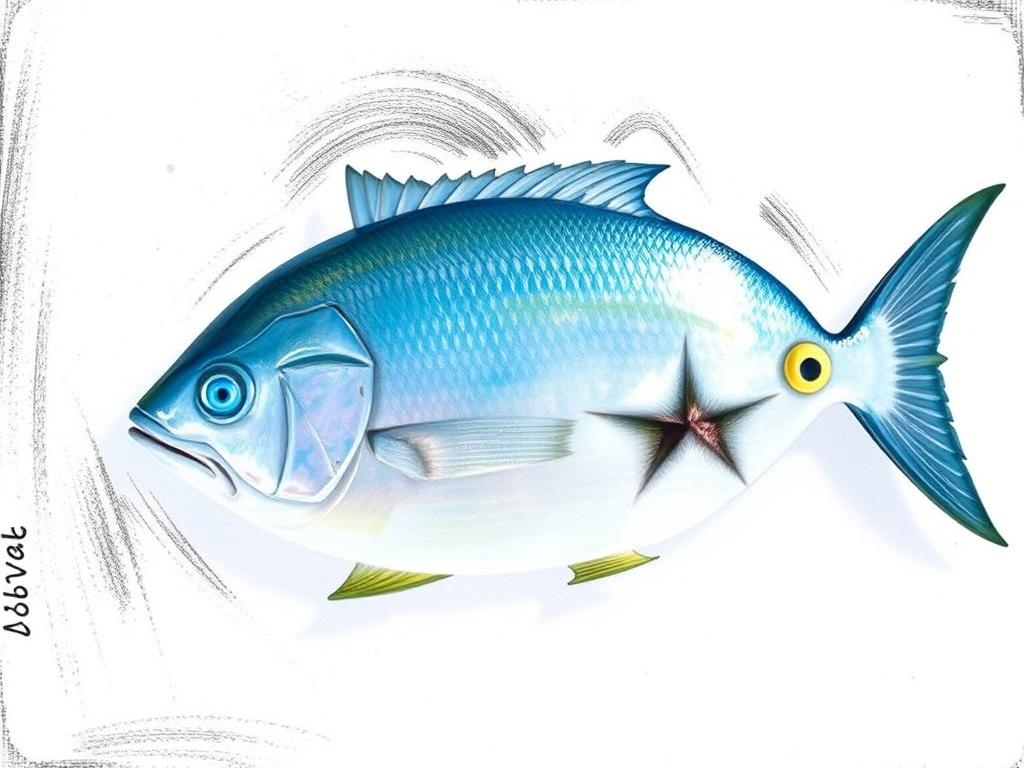
Not only is pompano delicious, but it also packs a nutritional punch. It’s a low-calorie option packed with essential nutrients that make it a smart choice for health-conscious eaters:
| Nutrient | Amount per 100g | Benefit |
|---|---|---|
| Protein | 22g | Supports muscle repair and growth |
| Omega-3 Fatty Acids | 0.7g | Promotes heart and brain health |
| Vitamin B12 | 3.2 mcg | Essential for nerve function and blood cell production |
| Magnesium | 30 mg | Supports nerve and muscle function |
| Calories | 120 | Low calorie, great for weight management |
In short, pompano is a nutritious addition to any diet, especially when balanced with vegetables and grains.
Benefits and Potential Harms of Eating Pompano
Like all fish, pompano offers numerous health benefits, but there are some considerations to keep in mind.
Benefits
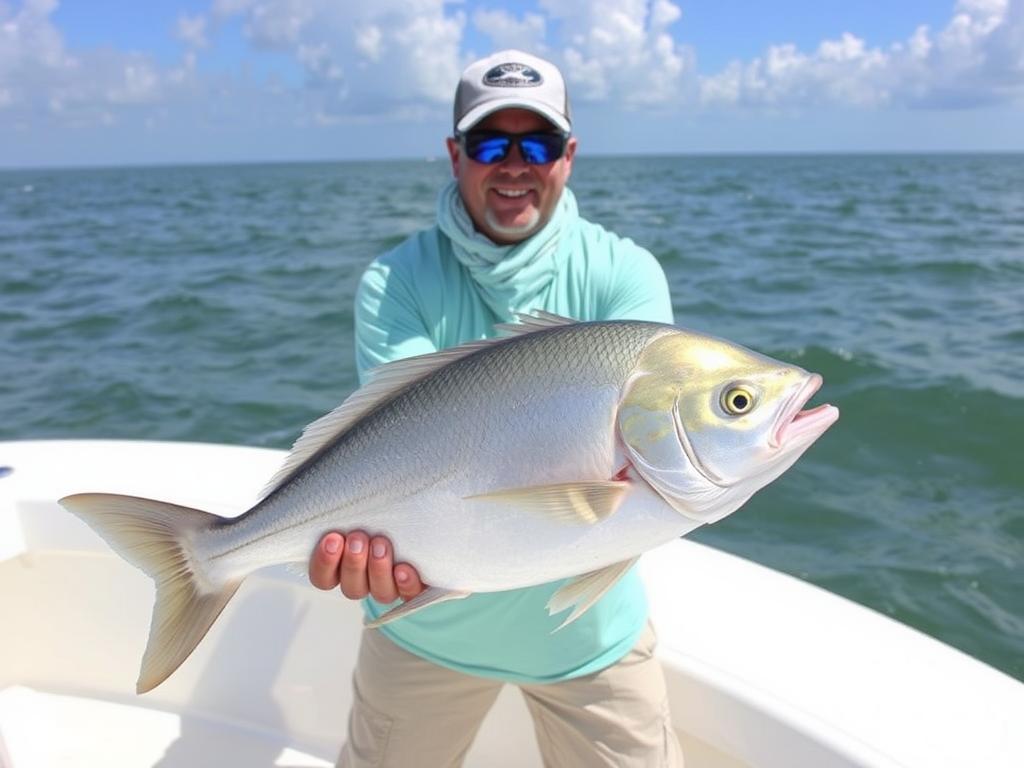
- Excellent source of lean protein: Helps build and repair tissues without excess fat.
- Rich in omega-3 fatty acids: Supports cardiovascular, brain, and joint health.
- Low in mercury: Pompano generally has lower mercury content compared to larger predatory fish, making it safer for frequent consumption.
- Important vitamins and minerals: Contributes to overall nutrient balance.
- Supports weight management: Because it’s low in calories and high in protein, it’s a smart choice for diets.
Potential Harms

- Allergies: As with any seafood, some people may experience allergic reactions.
- Freshness is crucial: Eating spoiled fish can lead to food poisoning, so always buy from reputable sources.
- Farming concerns: Like many farmed fish, farmed pompano might be exposed to antibiotics or lower quality feed, impacting nutritional quality.
Being aware of these factors helps you enjoy pompano safely and richly.
5 Best Dishes Featuring Pompano You Can Try
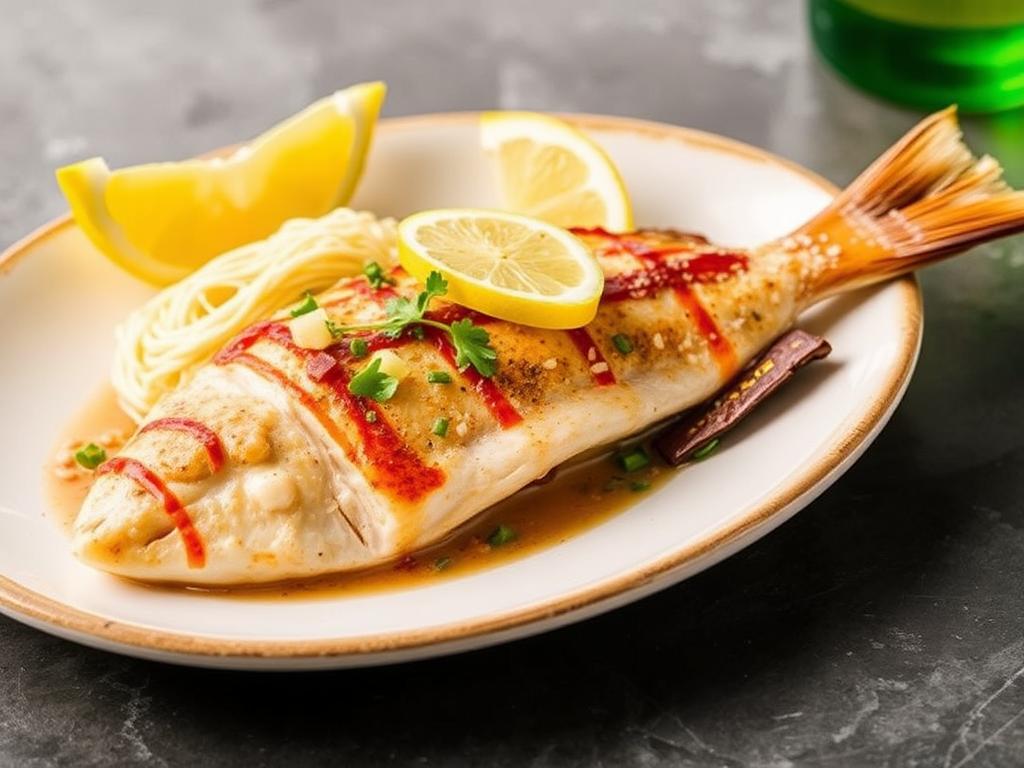
Not sure where to start with cooking pompano? Check out these top recipes that highlight the fish’s natural qualities:
- Grilled Florida Pompano with Mango Salsa: A tropical twist that balances smoky char with fresh sweetness.
- Baked Pompano with Mediterranean Herbs: Use rosemary, oregano, and lemon for a savory, aromatic plate.
- Pan-Seared Pompano with Garlic Butter Sauce: A rich and flavorful classic.
- Blackened Pompano Tacos: Spice-rubbed fish served with crunchy slaw and avocado.
- Asian-Style Steamed Pompano: Lightly steamed with ginger, scallions, and soy for clean, layered tastes.
Each dish offers a unique angle, from simple to sophisticated, ensuring pompano’s versatility shines through.
Things to Keep in Mind When Buying Pompano
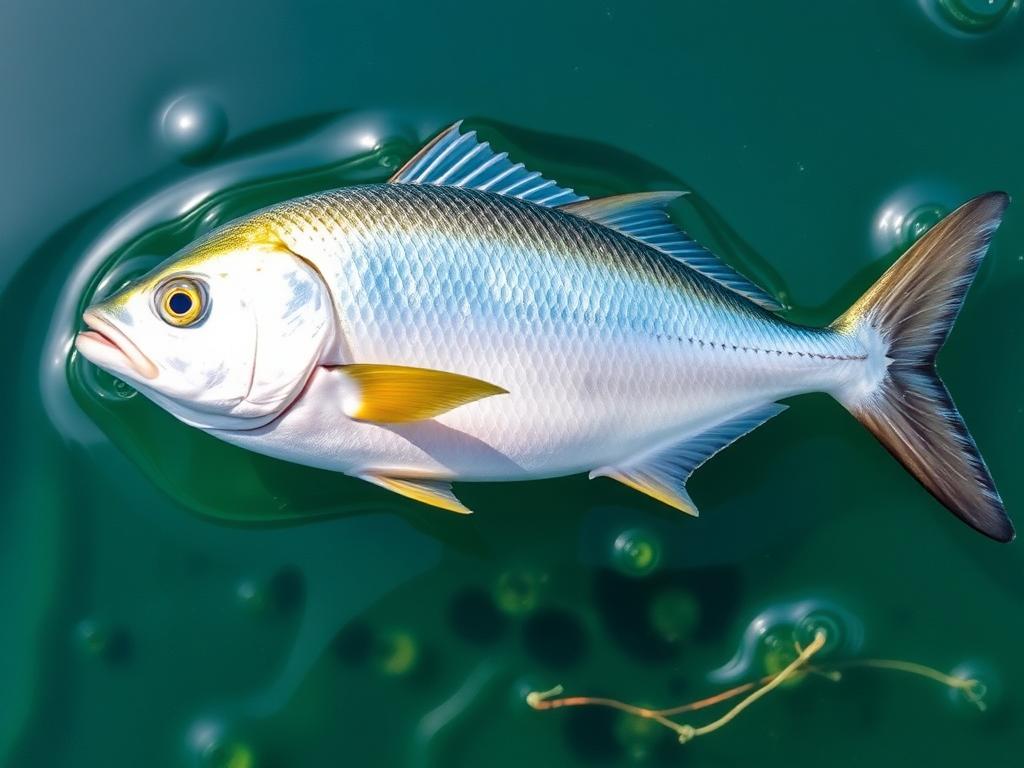
Before you bring pompano home, knowing how to select the best quality will transform your meal. Keep these points in mind:
- Look for clear, bright eyes: They should not be cloudy.
- Firm flesh that springs back: Avoid fish with soft or mushy texture.
- Fresh smell: It should smell like the sea, not fishy or off.
- Shiny, intact scales: Dull or fallen scales indicate older or mishandled fish.
- Consider sustainably sourced or farmed options: For environmental responsibility.
By paying attention to these details, you ensure you’re buying top-notch pompano for your table.
Five More Surprising Facts About Pompano
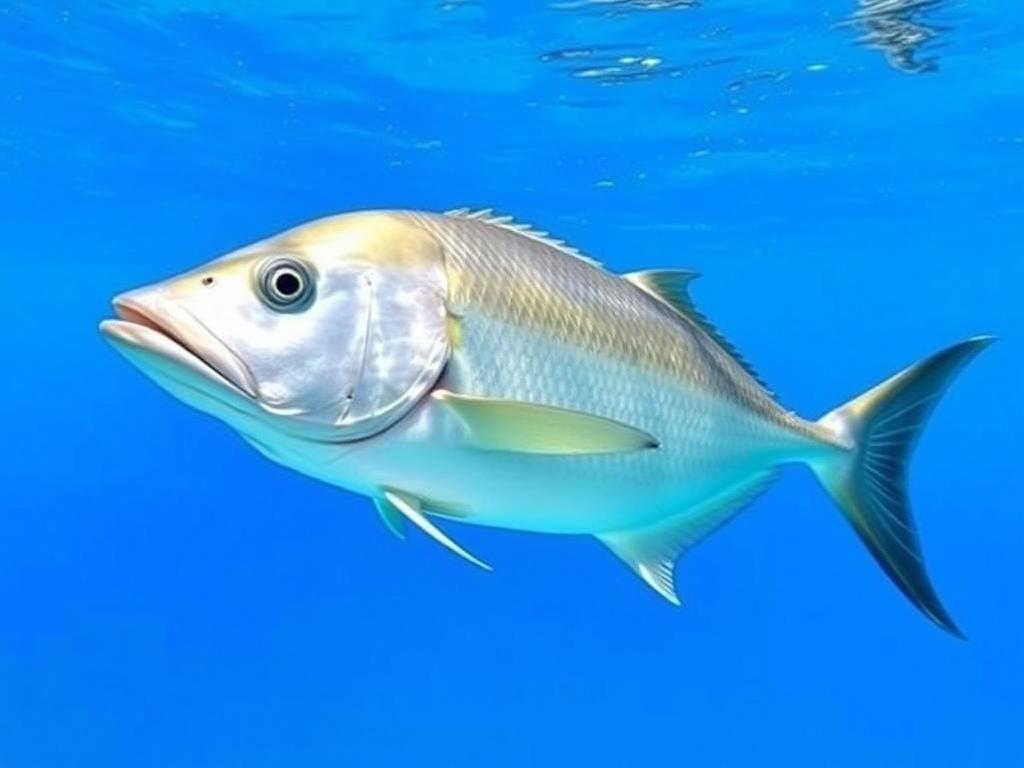
Before wrapping up, here are five fun facts that might surprise you about pompano:
- Pompano’s name originates from the Spanish word “pámpano,” meaning a small fish used for bait.
- Despite their size, pompano can leap impressively out of the water when hooked, making fishing thrilling.
- Florida pompano seasonal runs attract big crowds of recreational anglers every summer.
- Some cultures consider pompano a special delicacy reserved for celebrations.
- Advances in aquaculture have made pompano one of the few saltwater fish species sustainably farmed on a large scale.
Now that you know so much about pompano, from their habitat to cooking tips and nutritional benefits, you’re well-prepared to appreciate and enjoy this shimmering marvel of the sea whenever the opportunity arises. Whether on your plate or in the fishing line, pompano proves to be an enticing world worth exploring again and again.


