
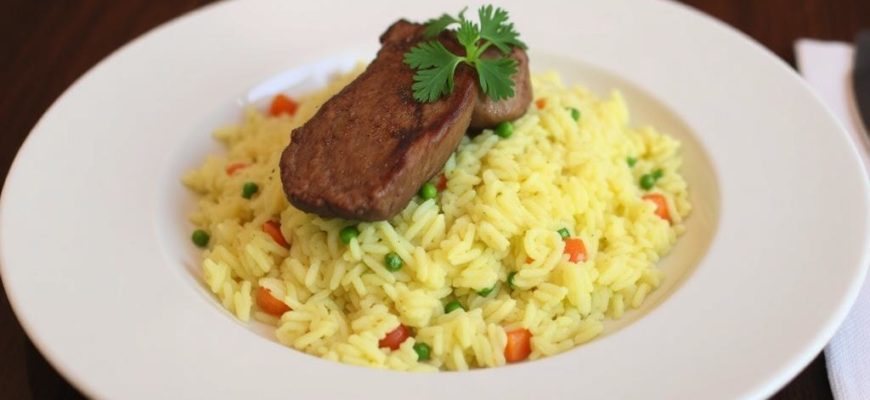
Close your eyes for a second and imagine steam rising from a big cauldron, threads of saffron lifting the air, tender pieces of lamb so soft they almost melt on the tongue, and rice that’s separate, aromatic and just a little glossy. Pilaf with lamb is one of those dishes that feels like a warm welcome: simple ingredients, honest technique, and an ability to gather people around the table. If you’re curious how a handful of staples can turn into something legendary, keep reading—there’s history, flavor secrets and a foolproof recipe ahead.
- Country of origin Pilaf with lamb
- History Pilaf with lamb
- Interesting facts about Pilaf with lamb
- Nutritional value Pilaf with lamb
- Popularity in different countries Pilaf with lamb
- The best step-by-step cooking recipe for Pilaf with lamb
- Ingredients (serves 6)
- Tools
- Method: step-by-step
- Tips and variations
- Final thought
Country of origin Pilaf with lamb
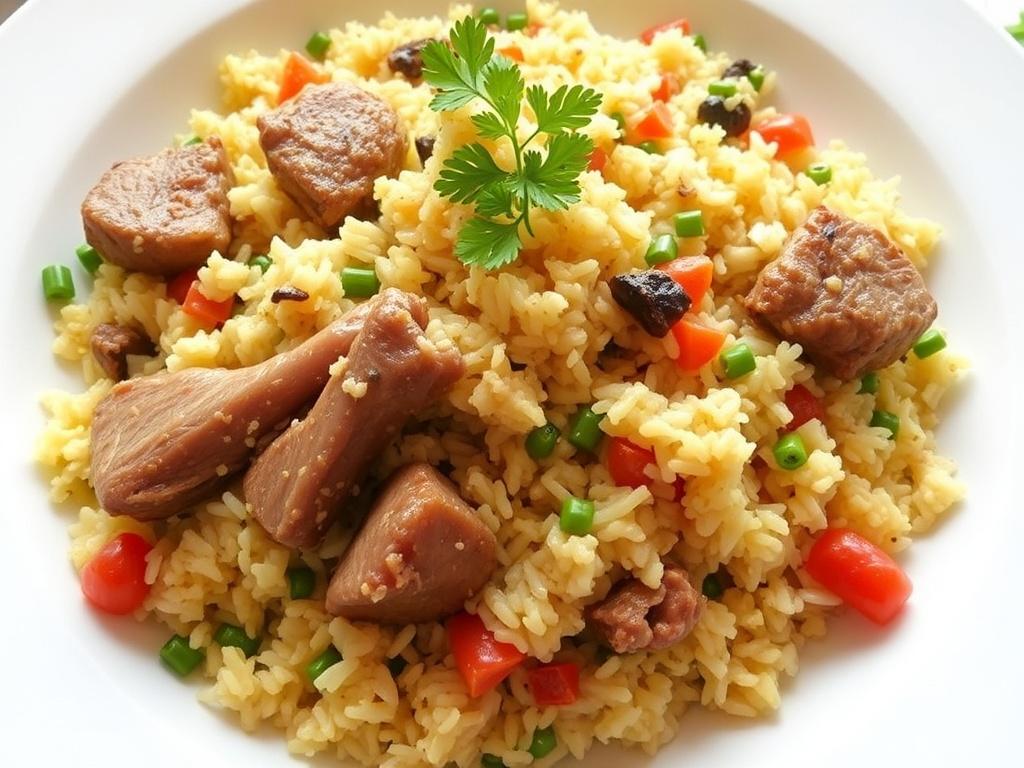
Pinning one country down as the birthplace of pilaf with lamb is tempting but misleading. The technique of cooking rice with meat and spices spread across the Middle East, Central Asia and South Asia for centuries. Persian cuisine calls it polo or polow, Turks call it pilav, and in Central Asia it’s plov. Each region adapted the basic idea to local grain, fat and spice preferences, but the heart of the dish—rice cooked with lamb until everything sings—remains shared. So rather than a single origin, pilaf with lamb is a culinary passport stamped in many kitchens across the Silk Road.
History Pilaf with lamb
Pilaf’s story stretches back to ancient agricultural societies where rice and bulky cuts of meat were turned into sustaining, transportable meals. As trade routes carried spices and ideas, the method evolved: slow-cooking in a single pot, using rendered fat to flavor the rice, and occasionally adding dried fruit or nuts. Persian cooks refined layering and steaming techniques, while Central Asian cooks emphasized large communal cauldrons, often preparing plov for festivals. Lamb became a frequent partner to rice in regions where sheep herding was common; it froths up flavor into the dish, and with time the combination of lamb and rice became a signature across many cultures.
Interesting facts about Pilaf with lamb
- In Uzbekistan, plov is traditionally cooked in a kazan, a heavy cast pot, and served at weddings, funerals and public gatherings—so a single recipe can feed dozens.
- Garlic is often added whole and pushed into the rice during steaming; the cloves infuse the dish without breaking apart, creating pockets of mellow garlic sweetness.
- Saffron, when available, is used for color and perfume. A pinch changes the dish visually and aromatically but is not required for a great pilaf with lamb.
- Different cultures layer the components differently: some fry the lamb and vegetables, then add rice and braise; others steam rice separately and combine at the end.
- Using a head of garlic in the center as a steam plug is both practical and traditional in many recipes.
Nutritional value Pilaf with lamb
Pilaf with lamb can be hearty and calorie-dense, but also balanced: you get protein from lamb, complex carbs from rice, and some vitamins from added vegetables. Exact numbers vary widely depending on cut of meat, amount of oil, and portion size, so here’s a reasonable estimate for one typical serving (about 350–400 g):
| Component | Approximate amount |
|---|---|
| Calories | 650–800 kcal |
| Protein | 30–40 g |
| Fat | 30–45 g (varies with lamb cut and oil) |
| Carbohydrates | 70–90 g |
| Fiber | 2–5 g |
To lighten the dish, use leaner lamb cuts, reduce added oil, or increase the vegetable-to-rice ratio. Conversely, for richer flavor and authenticity, using lamb shoulder or tail fat will deepen aroma and mouthfeel.
Popularity in different countries Pilaf with lamb
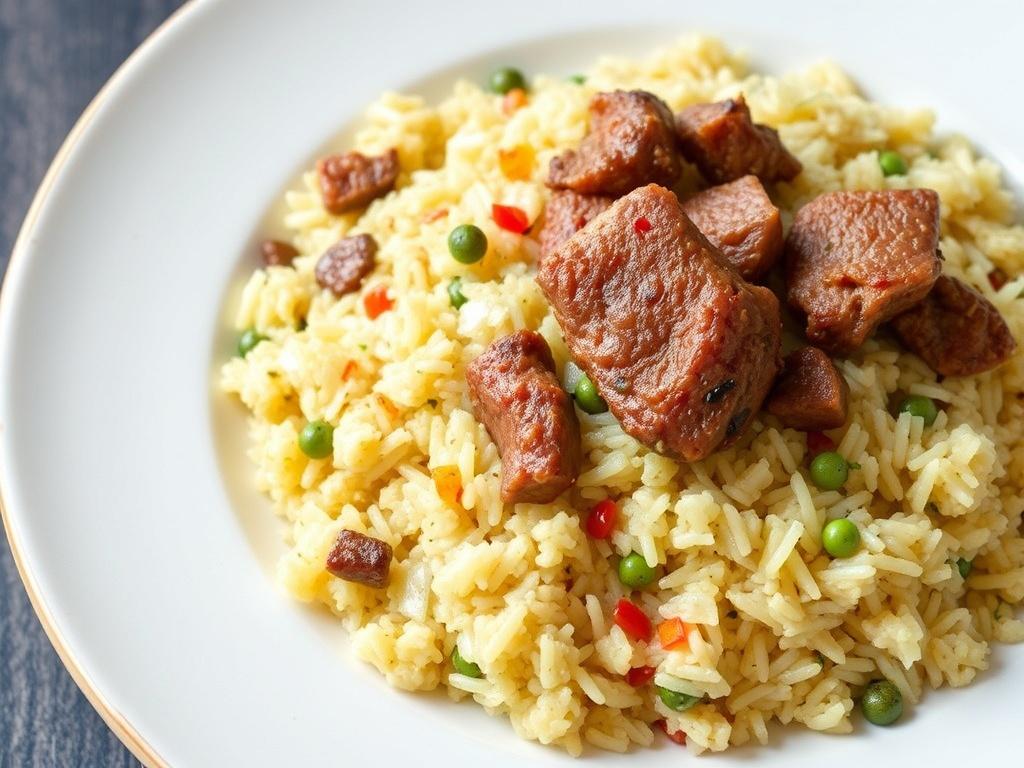
Pilaf with lamb is loved from Morocco to Kazakhstan, but each place makes it its own. In Iran, lamb pulao often features aromatic herbs and sometimes dried fruits. Turkey’s pilav can be simpler, focusing on butter and rice with occasional additions of orzo or bulgur. Central Asian plov leans into carrots and onions with bold cumin and coriander notes; it’s often made in huge batches for celebrations. In South Asia, pulao may use ghee and warming spices like cinnamon and cardamom. Even within a single country, home cooks and street vendors have their private tips that make the dish feel personal and regional.
The best step-by-step cooking recipe for Pilaf with lamb
Ingredients (serves 6)
- 1 kg lamb shoulder, cut into 2–3 cm pieces
- 500 g long-grain rice (basmati works well)
- 300 g carrots, julienned or cut into matchsticks
- 2 large onions, thinly sliced
- 1 whole head of garlic, top trimmed but unpeeled
- 120–150 ml vegetable oil or lamb fat
- 1 tablespoon coriander seeds, lightly crushed
- 1 teaspoon cumin seeds (or ground cumin)
- Salt and black pepper to taste
- Optional: pinch of saffron soaked in 2 tablespoons warm water, handful of chickpeas or barberries
- About 1.2 liters water or lamb broth
Tools
- Large heavy-bottomed pot or kazan with lid
- Sieve for rinsing rice
- Wooden spoon
Method: step-by-step
- Rinse the rice under cold water until the runoff is mostly clear. Soak for 30 minutes, then drain well.
- Heat the oil or fat in the pot over medium-high heat. Add the lamb in batches and brown on all sides; remove and set aside. Browning builds flavor, so don’t rush this.
- In the same pot, add onions. Sauté until translucent and starting to caramelize, about 8–10 minutes. Add the carrots and cook another 7–10 minutes until they soften.
- Return the lamb to the pot. Sprinkle in crushed coriander seeds, cumin, salt and pepper. Stir to mix and let the meat take on the spices for a few minutes. If using chickpeas or dried fruit, add them now.
- Spread the rice evenly over the meat and vegetables. Do not stir. Tuck the head of garlic (whole) into the center, flat side down. If using saffron, drizzle the saffron water over the rice.
- Gently pour hot water or broth over the rice so that the top of the rice sits about 1.5 cm below the water line. A common ratio for this style is roughly 1.2–1.3 parts water to 1 part soaked rice, but adjust as needed.
- Bring to a gentle boil over medium heat, then reduce to low. Cover tightly and simmer for 25–35 minutes until rice has absorbed the liquid and is tender. Avoid lifting the lid too often.
- Turn off heat and let the pilaf rest, covered, for 10–15 minutes. This finishing steam firms up grains and helps flavors meld.
- Gently lift rice from edges and mix with deeper layers so lamb and carrots distribute. Remove the garlic head; squeeze softened cloves over the rice for extra garlic flavor.
- Serve hot, ideally on a large communal platter. Garnish with chopped fresh herbs, toasted nuts or sumac if you like.
Tips and variations
- For extra flavor, brown the lamb in butter plus oil. For lighter pilaf, trim visible fat.
- Use a lid that seals well; steam is the cooking ally. If your lid isn’t tight, place a layer of foil under the lid to trap steam.
- Try swapping basmati for medium-grain rice in regional versions, or add turmeric for color.
- If you prefer a crispy bottom crust (tahdig-style), increase heat for the last few minutes and watch carefully so it doesn’t burn.
Final thought
Pilaf with lamb is forgiving and generous: it forgives small mistakes and rewards patience. Make it for a weekday dinner or a weekend crowd—either way, you’ll end up with a dish that tastes like tradition and feels like a warm invitation to linger at the table.


