
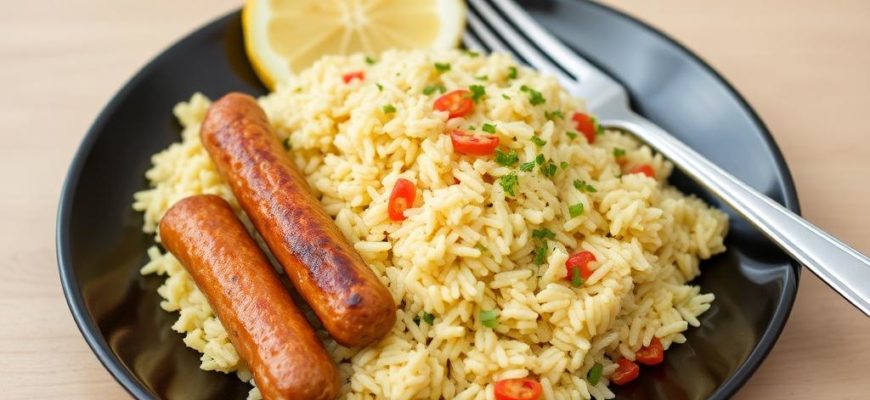
Imagine a steaming pan where rice grains glisten, each one wrapped in the smoky, savory notes of browned sausage. No fuss, just honest ingredients singing together — that’s pilaf with sausages. It’s the kind of meal that arrives warm and satisfying, the aroma pulling you into the kitchen even before the first spoonful. Whether you need a quick weeknight dinner, a filling lunch to pack, or a dish that pleases a crowd, this version of pilaf feels familiar yet lively enough to make people ask for seconds.
- Where Sausage Pilaf Comes From and How It Found Its Place
- How Sausage Pilaf Evolved Over Time
- Little-Known and Fun Facts About Sausage Pilaf
- Nutritional Value of Sausage Pilaf
- How Different Countries Embrace Sausage Pilaf
- Step-by-Step: The Best Recipe for Pilaf with Sausages
- Ingredients (serves 4)
- Method
- Practical Tips and Variations
- Final Thoughts on Pilaf with Sausages
Where Sausage Pilaf Comes From and How It Found Its Place
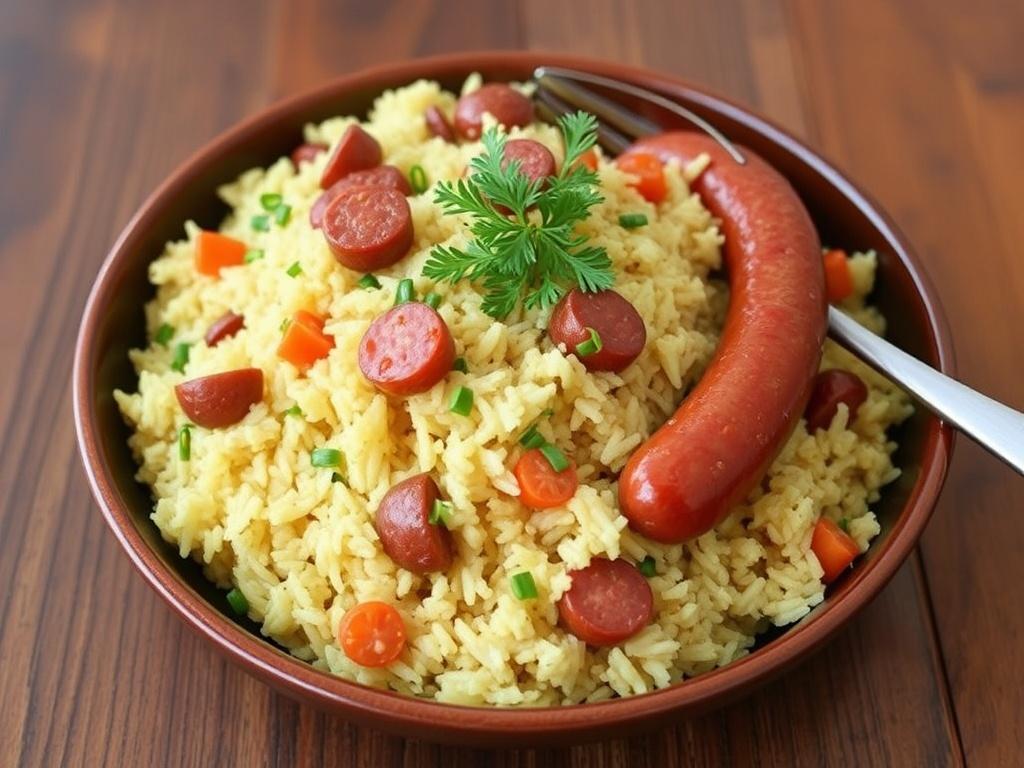
Pilaf itself is ancient and cosmopolitan: a simple technique of toasting rice, adding liquid, and letting flavors infuse as it cooks. Different regions adapted that idea to what they had on hand. Sausage pilaf grew naturally where cured or fresh sausages were popular and accessible — parts of Eastern Europe, Central Asia, and the Caucasus. The sausage brought fat and seasoning, making rice richer and easier to cook without elaborate spices. Over time local versions took shape, shaped by available meats, rice types, and cooking equipment.
How Sausage Pilaf Evolved Over Time
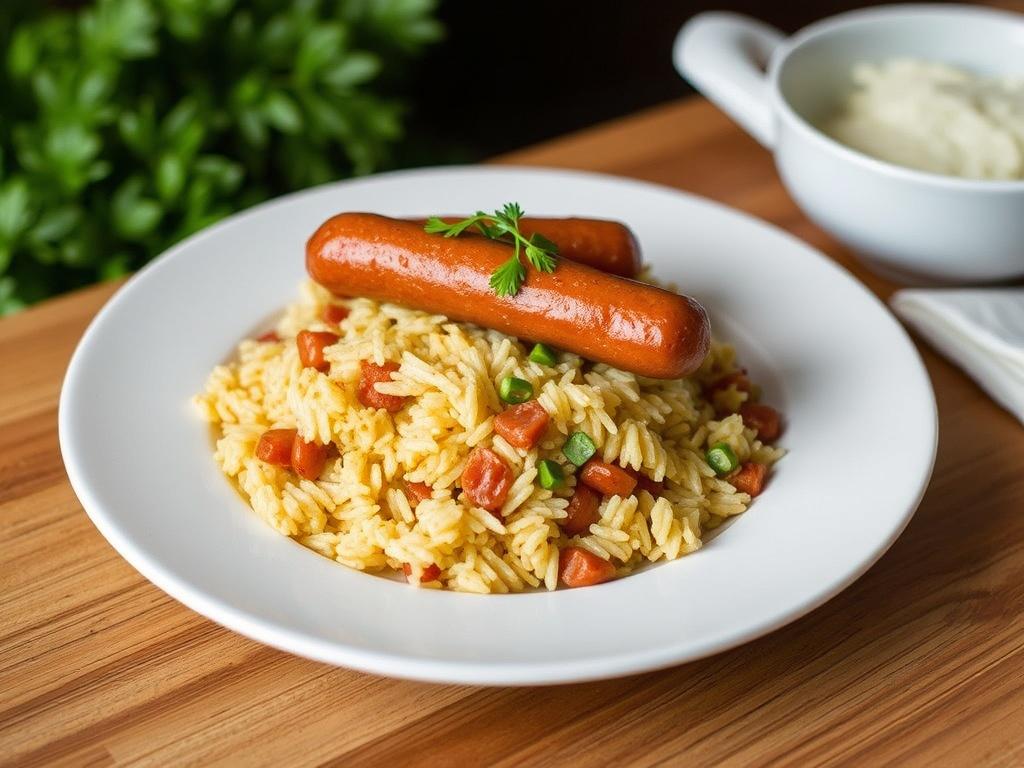
At first it was practical: leftovers or inexpensive cuts cooked with rice to stretch a meal. Then, as trade routes and migration carried both rice and sausages far beyond their origins, cooks experimented. In urban kitchens, people used smoked sausages for quick flavor. In rural homes, fresh sausages mixed with onions and carrots became a festival dish. Modern cooks have kept the core idea — rice, fat, aromatics, and sausage — but added herbs, vegetables, hot peppers, even tomato paste in some regions. The result is less a fixed recipe and more a family of dishes united by comfort and simplicity.
Little-Known and Fun Facts About Sausage Pilaf
- Using sausage makes pilaf faster: the fat from sausage replaces the need to sauté large amounts of separate fat or meat.
- Different sausages change the dish dramatically: a spicy chorizo yields a very different aroma than a mild kielbasa or smoked sausage.
- In some places, pilaf with sausages is a favorite picnic or travel food because it reheats well and stays tasty at room temperature.
- Leftover pilaf transforms easily: fry a scoop with an egg on top and breakfast is done in minutes.
Nutritional Value of Sausage Pilaf
Nutrition depends on sausage type, rice, and added vegetables. Below is a rough breakdown for a typical serving made with white rice and smoked pork sausage. Swap brown rice and leaner sausage to adjust calories and fiber.
| Nutrient | Approx. Amount per Serving |
|---|---|
| Calories | 500–650 kcal |
| Protein | 18–30 g |
| Fat | 20–35 g (saturated fat varies by sausage) |
| Carbohydrates | 55–75 g |
| Fiber | 1–4 g (more with brown rice and veggies) |
| Sodium | can be high — 700 mg and up, depending on sausage |
Tips to make it healthier: use lean chicken or turkey sausage, choose brown or parboiled rice for more fiber, add a generous portion of vegetables, and rinse rice to reduce excess starch.
How Different Countries Embrace Sausage Pilaf
Across borders, cooks riff on the same idea. In some Balkan kitchens, smoked sausage and paprika turn the pilaf smoky and red. Central Asian cooks may add lamb sausage or merguez-style sausages, along with carrots and cumin. In Russia and Eastern Europe, kielbasa or smoked sausages pair with onions and bay leaf, sometimes finished with a splash of tomato. Western adaptations include spicy chorizo pilaf with bell peppers and cilantro. The dish’s strength is its flexibility: local staples map neatly onto the basic technique, and each region’s palate shines through.
Step-by-Step: The Best Recipe for Pilaf with Sausages
Ingredients (serves 4)
- 2 cups long-grain rice (or 1.5 cups brown rice)
- 400–500 g smoked or fresh sausages, sliced
- 1 large onion, finely chopped
- 2 medium carrots, grated or sliced
- 3 cloves garlic, minced
- 3.5 cups chicken or vegetable stock (adjust for rice type)
- 2 tablespoons vegetable oil or butter
- 1 teaspoon ground cumin or smoked paprika (optional)
- Salt and pepper to taste
- Fresh herbs for finishing: parsley or cilantro
Method
- Rinse rice under cold water until it runs mostly clear. Drain and set aside.
- Heat a heavy-bottomed pan or wide pot over medium heat. Add oil. Brown sausage slices until they develop color and render fat. Remove half of the sausage and set aside for texture contrast.
- Add onions to the pan and sauté in the remaining fat until translucent. Stir in carrots and cook until they soften. Add garlic, cumin or paprika, and cook for about 30 seconds to bloom the spices.
- Return the reserved sausage to the pan. Add the rinsed rice and stir so each grain is coated with fat and aromatics; this helps the rice stay separate.
- Pour in the stock, scrape up any browned bits, and bring to a gentle boil. Taste and adjust salt and pepper — sausages add saltiness, so go easy at first.
- Reduce heat to low, cover tightly, and simmer undisturbed: about 15 minutes for white long-grain rice, 35–40 for brown rice. Do not lift the lid while it cooks; steam is doing the work.
- Turn off the heat and let the pilaf rest, covered, for 10 minutes. Fluff with a fork, fold in chopped herbs, and serve.
Practical Tips and Variations
- For a one-pan shortcut, use pre-cooked sausage and precooked rice; combine and heat with aromatics and a splash of stock or water.
- Add frozen peas, bell peppers, or canned tomatoes for color and nutrients.
- Swap spices: try coriander and turmeric for a warmer, yellow pilaf; or go Mediterranean with oregano and lemon zest.
- To keep rice fluffy, use a 1:1.75 ratio of white rice to liquid for slightly firmer texture, or 1:2 for softer rice. Adjust based on rice variety.
Final Thoughts on Pilaf with Sausages
Sausage pilaf is honest food: little ceremony, a lot of satisfaction. It adapts to pantry contents, suits both solo dinners and family meals, and warms up beautifully the next day. Follow the steps, respect the rice, and choose a sausage you enjoy — the rest follows naturally. In the end, it’s not about perfect technique but about building layers of flavor and sharing a simple, comforting dish.


